
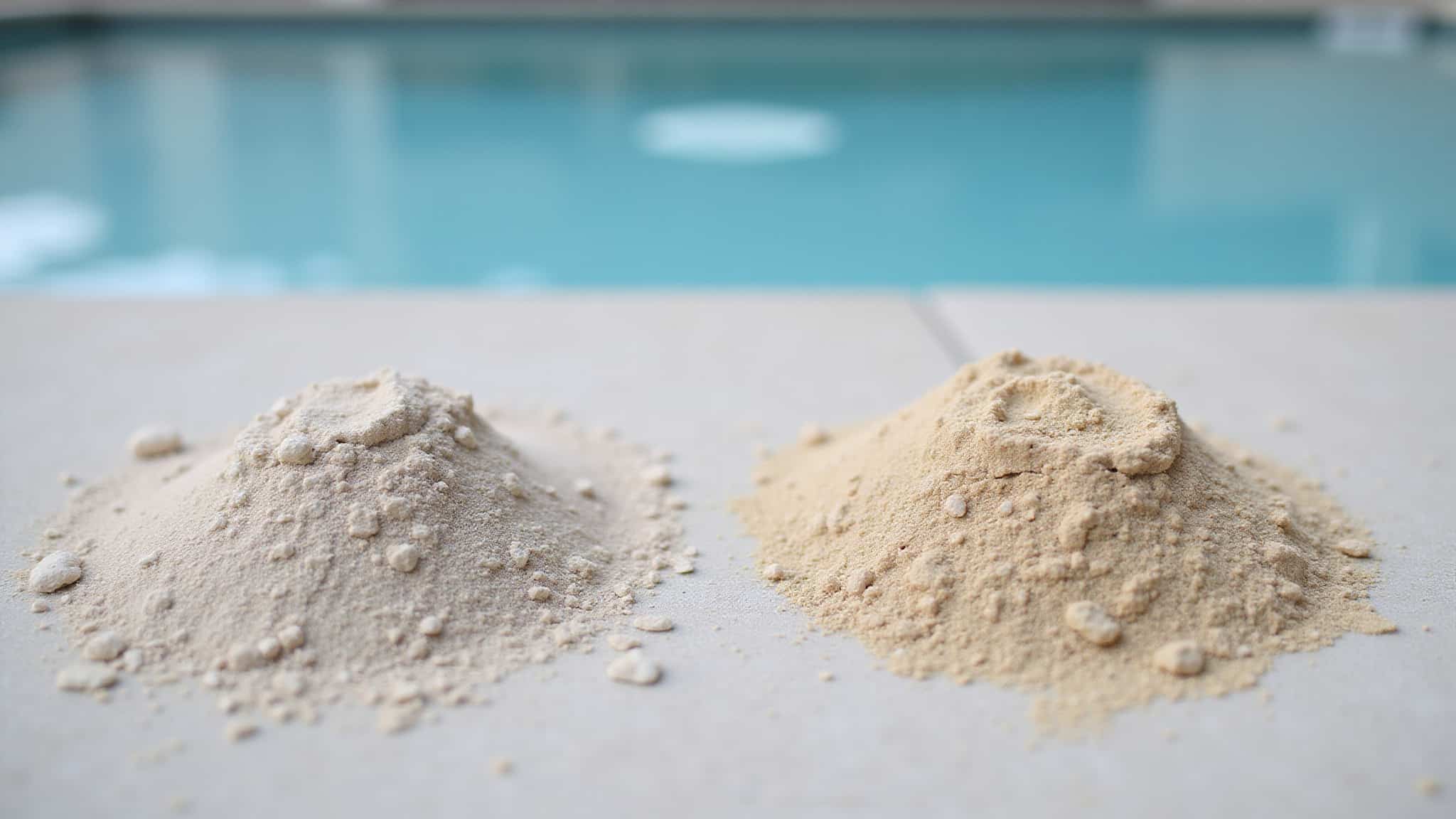
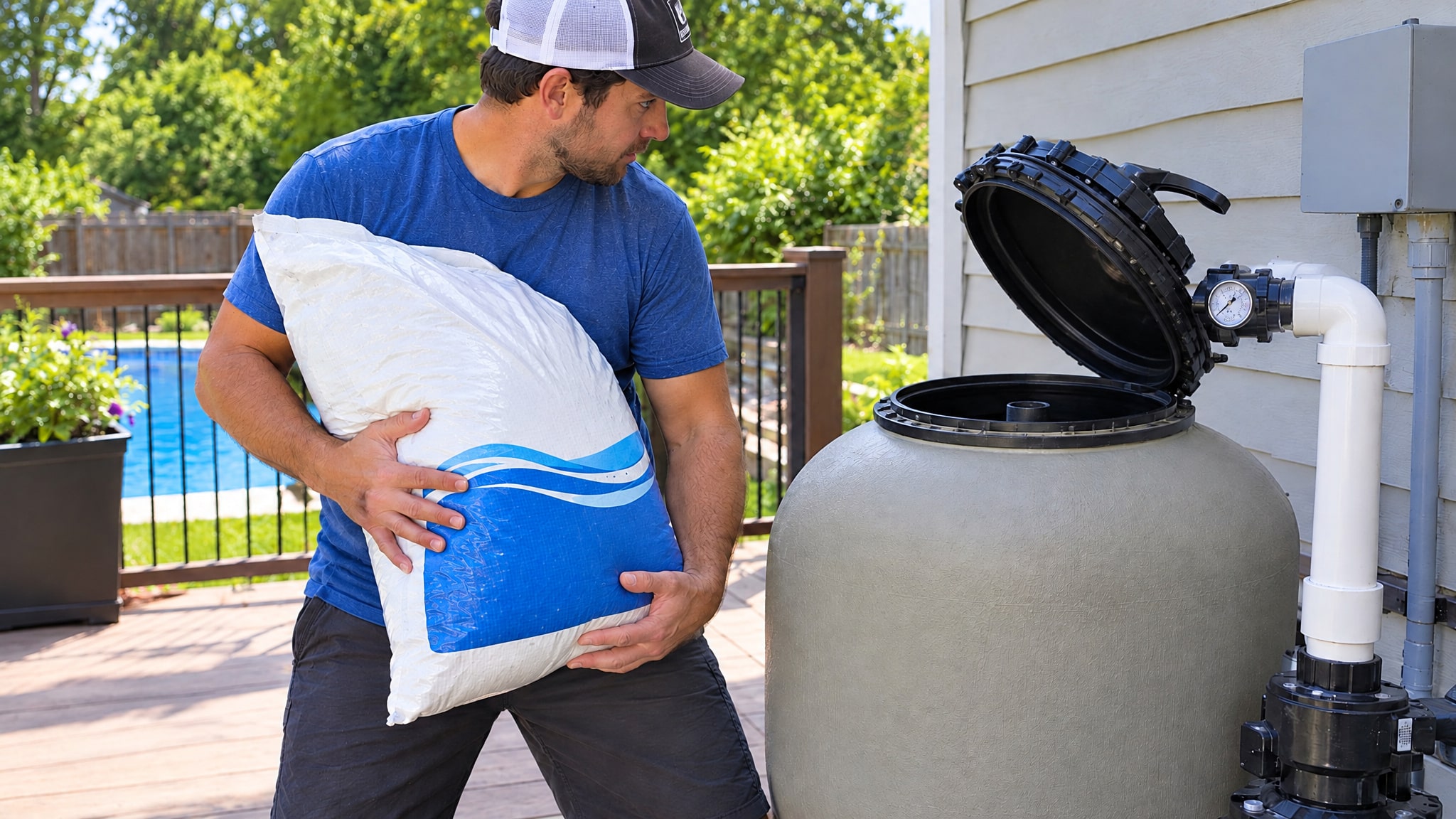
Start by shutting down the pump and cutting power at the breaker. Relieve pressure to zero, close the valves, and remove the drain plug to empty the tank. Open the filter per your owner’s manual, then vacuum out the old sand gently around the laterals. Cover the standpipe, fill halfway with water, and add #20 silica sand slowly. Reassemble, backwash, and check for leaks. There’s more you’ll want to know below.
Key Takeaways
- Shut down the pump, disconnect power, relieve pressure to zero, close valves, and remove the drain plug to empty the tank.
- Open the filter per the manual, loosen the multiport valve connections, and lift the top assembly off carefully to avoid cracking fittings.
- Gently vacuum out old sand around the laterals, stopping to inspect laterals and screens for damage as they become visible.
- Cover the standpipe with tape or a plug, fill the tank halfway with water, then add pool-grade #20 silica sand slowly and evenly.
- Reassemble the valve, secure unions, backwash before switching to filter mode, restart the pump, and check for leaks and proper pressure.
How Do You Change the Sand in a Pool Filter
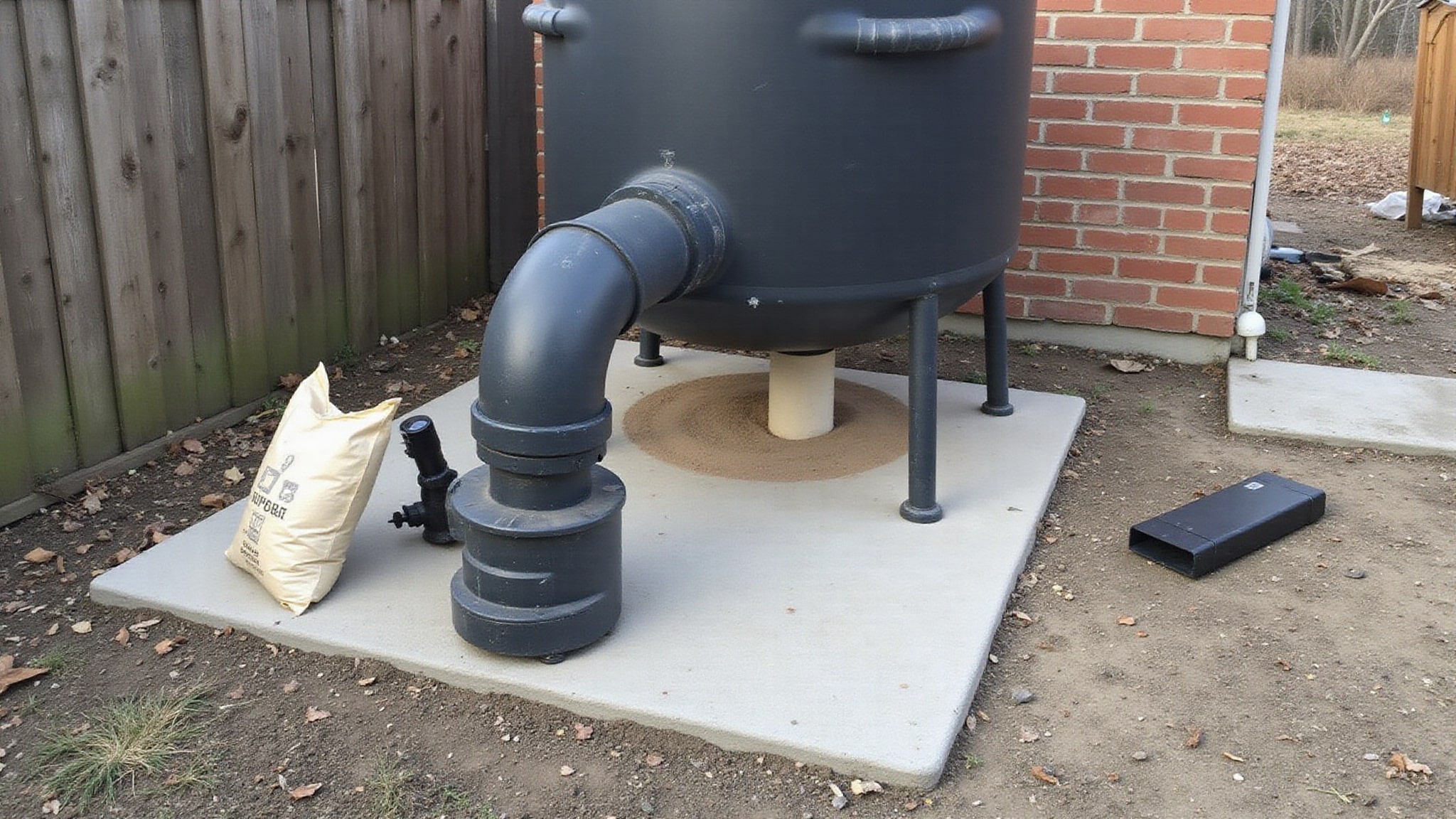
To change the sand in your pool filter, shut down the pump and disconnect power at the breaker. Relieve pressure until the gauge reads zero, close the valves, then remove the drain plug to empty the tank. Open the filter per your manual and lift off the multiport valve carefully. Vacuum out the old filter sand, working gently around the laterals. Inspect the standpipe, laterals, and screens for cracks before proceeding with media replacement. Cover the standpipe, fill the tank halfway with water, then add pool-grade #20 silica sand slowly. Reassemble the valve, secure the unions, and backwash before switching to filter mode. Finish tank maintenance by checking for leaks and confirming proper pressure and flow.
When Does Filter Sand Need Changing
Your filter sand needs changing when your pressure gauge stays higher than normal after backwashing. Notice cloudy water that won’t clear despite consistent chemistry and routine maintenance, that’s another warning sign. Track how often you backwash, frequent cycles indicate the sand grains have lost their sharp edges and can’t filter effectively.
Typically, filter sand lasts three to five years, though heavy use shortens that lifespan. If water flows through the tank too quickly or bypasses the media, replacement’s overdue. Inspect the tank during seasonal maintenance, and once these symptoms appear together, plan your sand change promptly.
What Tools and Supplies Will You Need
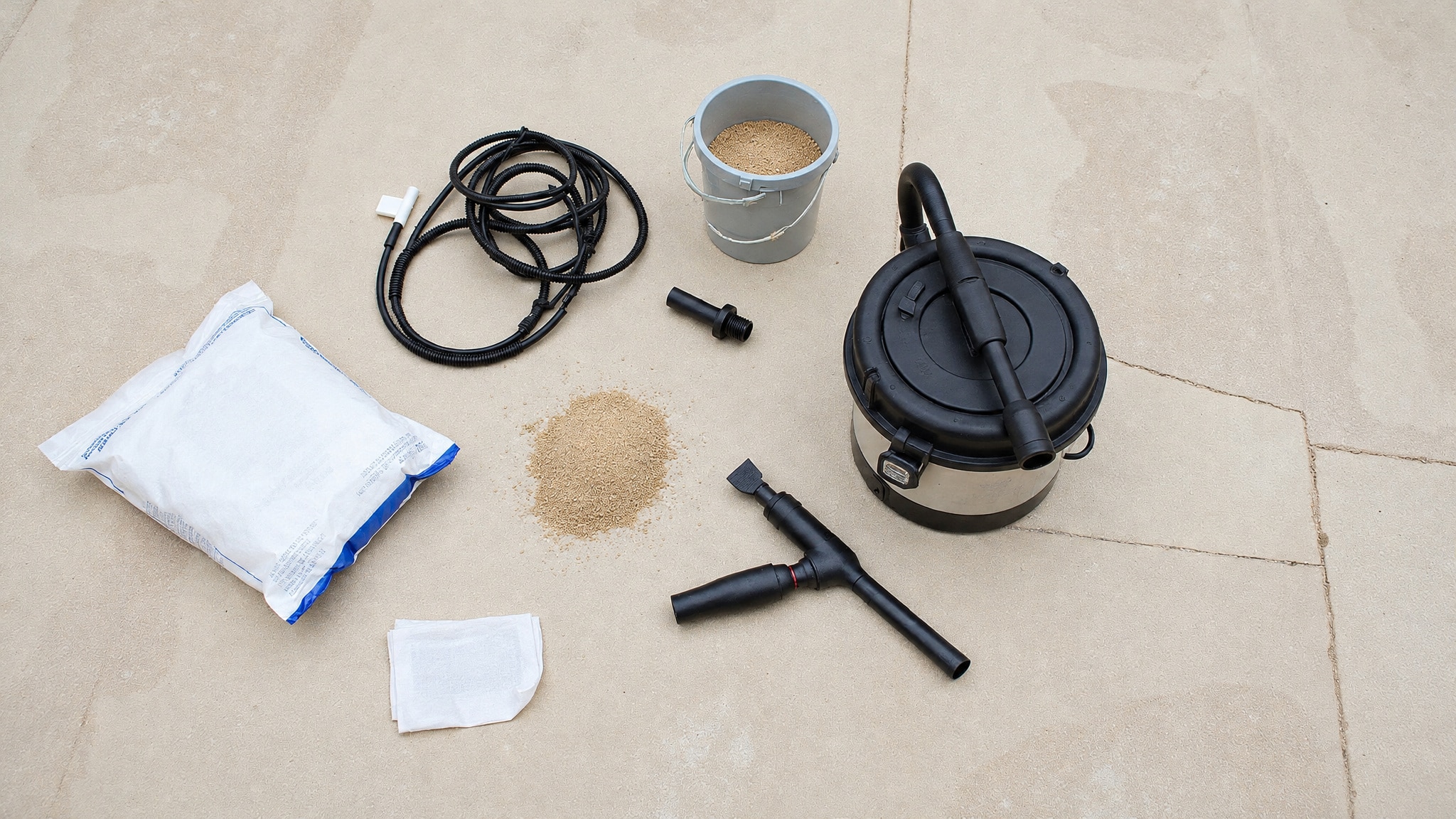
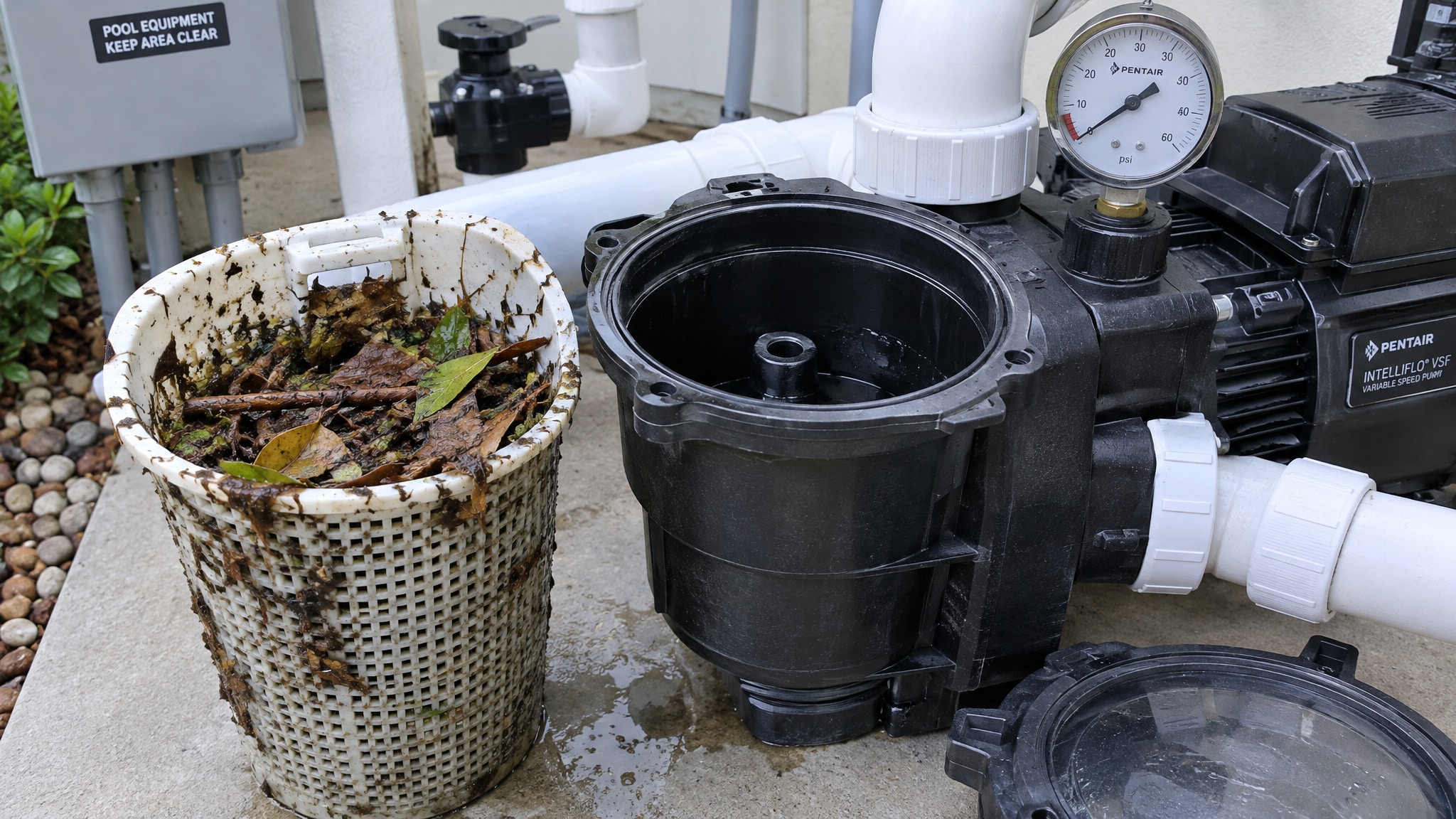
You’ll need a shop vac, wet/dry vacuum, or a plastic cup or small scoop to extract the old sand. Keep a bucket or plastic sheeting ready to catch residual water during draining. Have a garden hose on hand for rinsing the tank interior.
Grab tape, a rag, a cup, or a rubber plug to cover the standpipe opening. Set aside O-ring lubricant for the seals before closing the tank. Most importantly, buy pool-filter-grade silica sand, commonly #20 grade, 45, 55, never construction or play sand, in the manufacturer’s designated amount. Finally, keep your owner’s manual close so you follow the correct specifications throughout.
How Do You Remove the Old Sand Safely
Remove the old sand safely by opening the filter according to your owner’s manual, then extracting the spent sand without damaging the internal parts. Loosen the clamp, unions, or plumbing connections holding the multiport valve in place, then lift off the valve or top assembly carefully. Don’t force fittings, brittle connections can crack. Keep removed parts organized for reassembly in the same order.
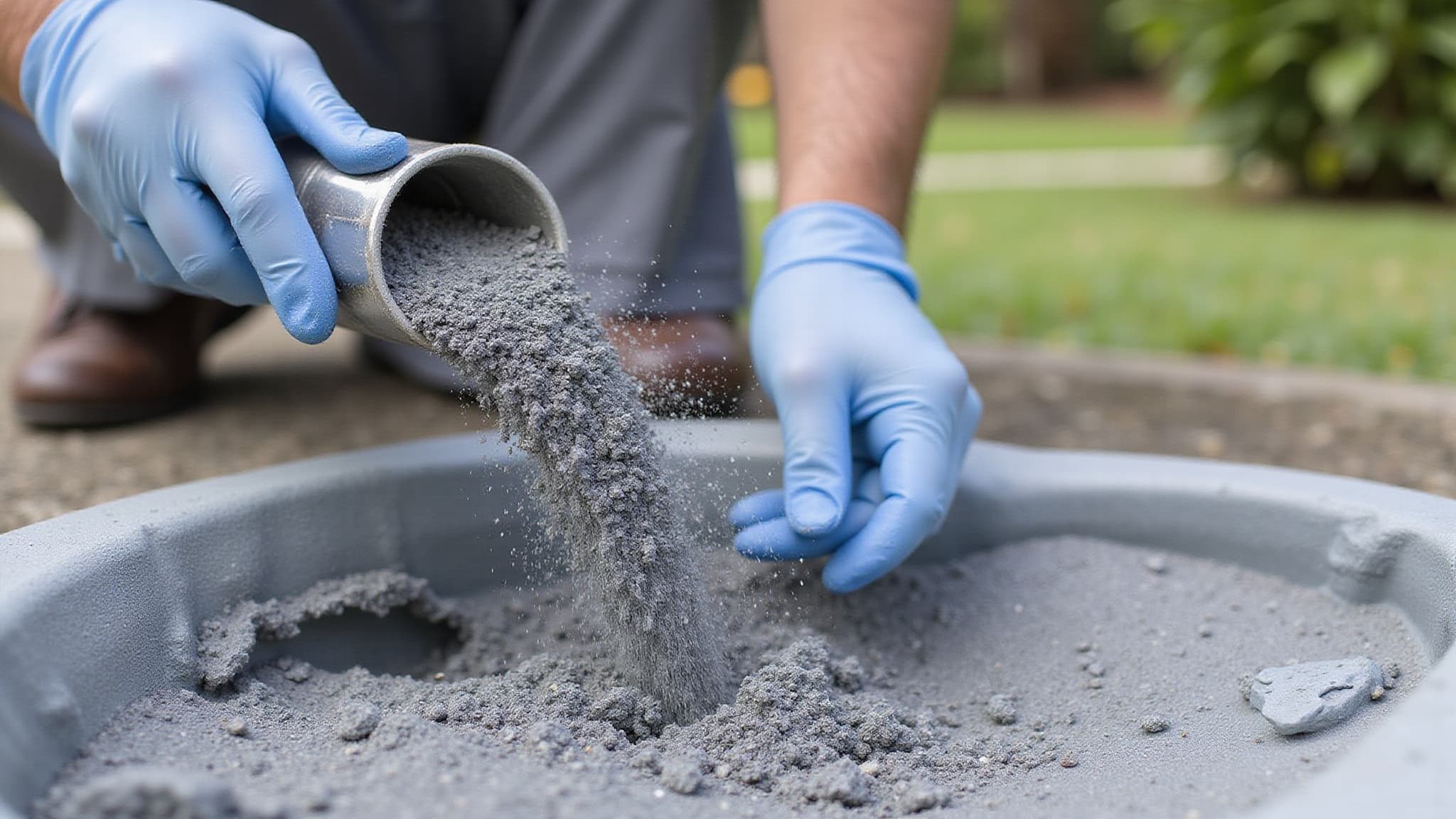
Extract the sand using a shop vac, wet/dry vacuum, plastic cup, or small scoop. Remove all old sand before installing new media. Work carefully around the laterals at the bottom, since damage there reduces filtration performance. Stop and inspect the laterals as they become visible. Once the bulk is out, clean remaining debris from the tank.
How Do You Add New Sand and Restart the System
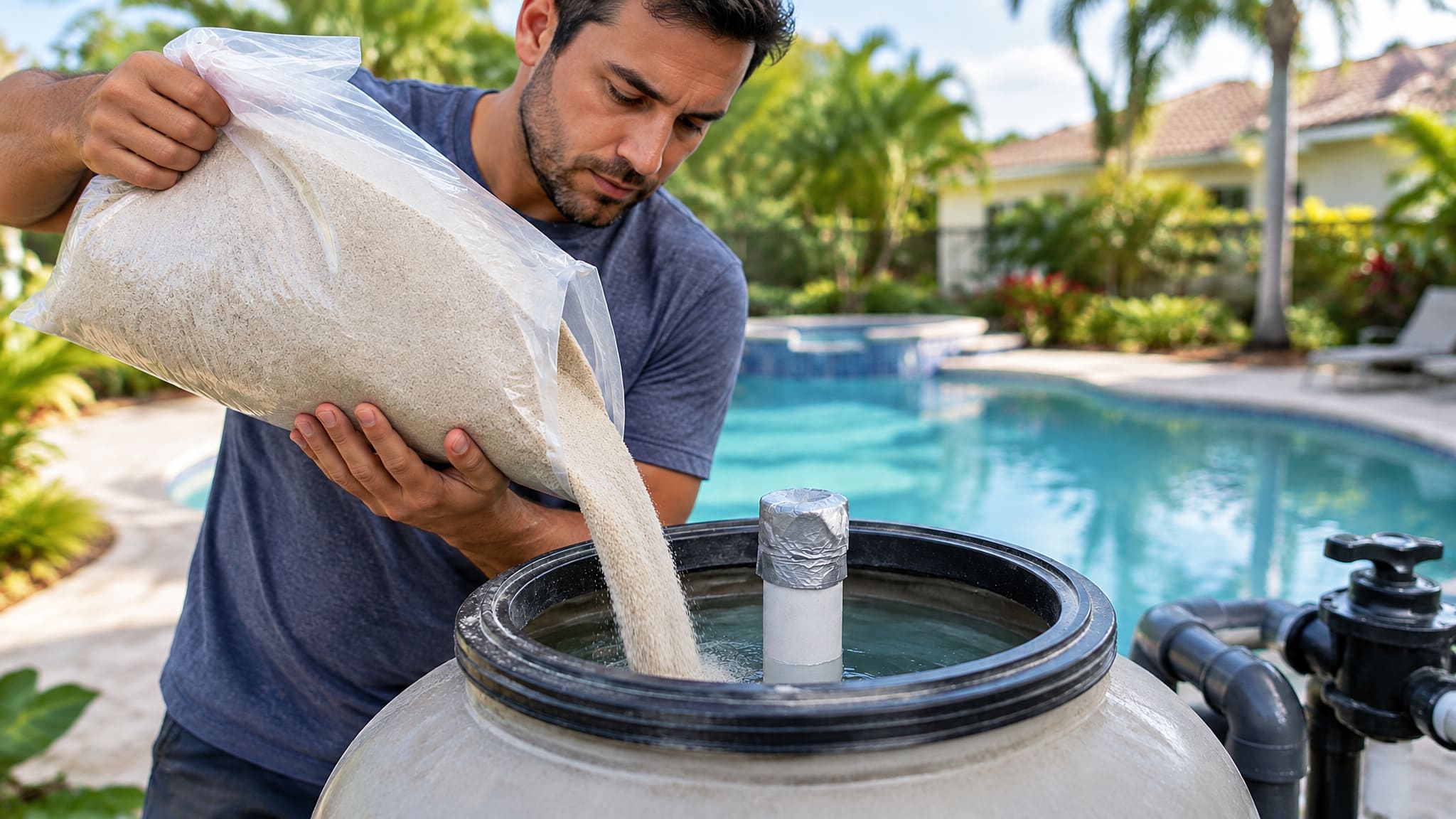
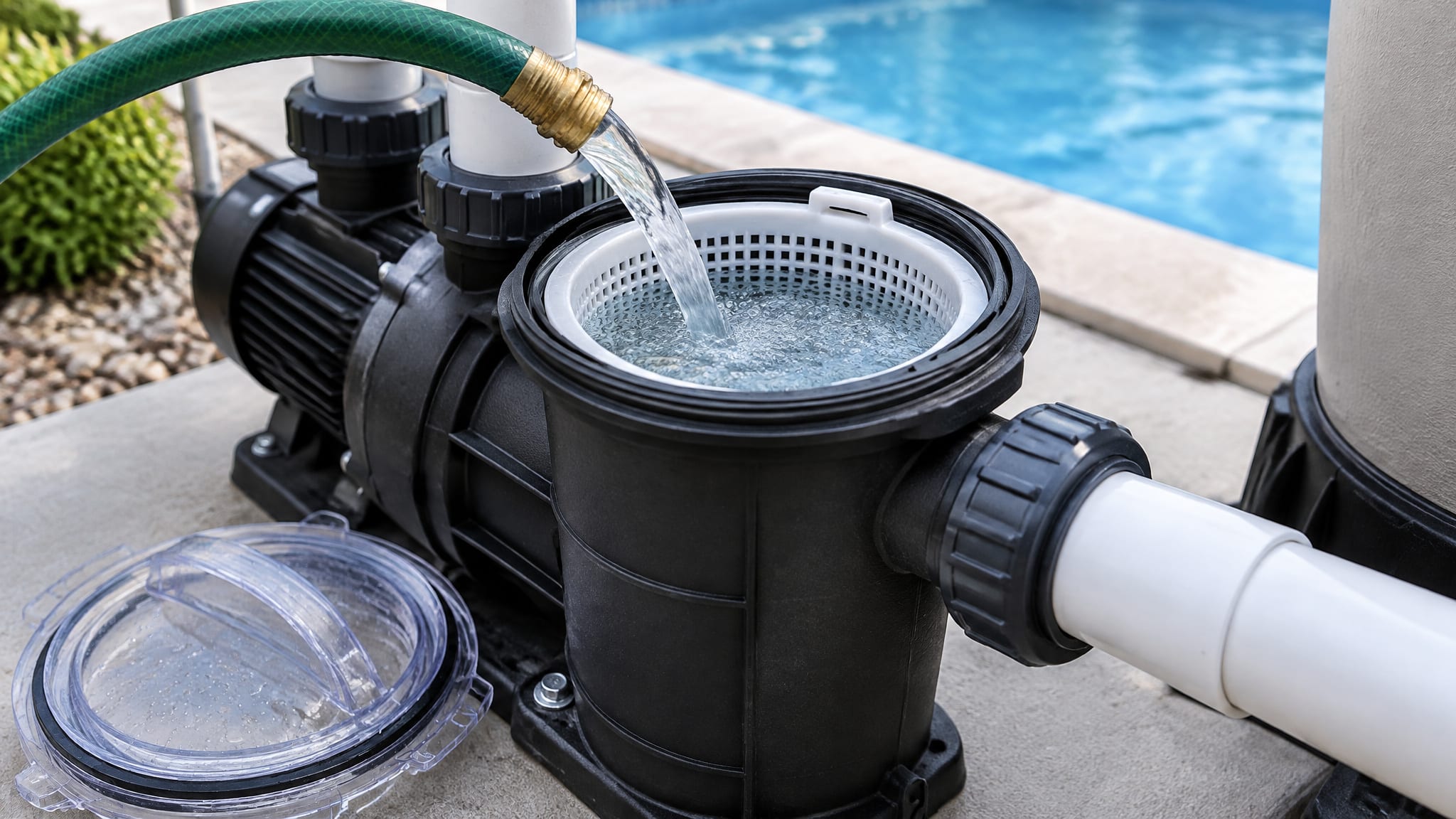
Add new sand by filling the tank partway with water first, then pouring in the filter media slowly and evenly. Fill the tank before adding any media so the laterals absorb no direct impact. Keep the standpipe covered with tape, a rag, or a plug to block sand from entering the pipe.
- Fill to the manual’s level, one guide specifies water six inches above the laterals.
- Use only pool-filter-grade silica sand, commonly #20 grade (45, 55), never construction or play sand.
- Add the manufacturer’s designated amount without overfilling.
After you’ve loaded the sand, remove the standpipe cover and reinstall the multiport valve, securing unions or clamps. Lubricate O-rings, set the valve to backwash, then rinse. Restart the pump and check for leaks.
How Much Does Changing the Sand Cost
Changing your pool filter sand typically costs $10, $25 per 50-pound bag for pool-filter-grade silica sand (#20 grade), plus any tools or replacement parts you don’t already own. Most residential filters need several bags. Factor in replacement laterals, a fresh O-ring, or lubricant if your inspection reveals cracks or wear.
| Item | Estimated Cost | Notes |
|---|---|---|
| Silica sand (per 50 lb bag) | $10, $25 | Need 2, 5 bags |
| Replacement laterals/O-rings | $15, $60 | Only if damaged |
| Vacuum or scoop rental | $0, $40 | Skip if owned |
If you hire a professional, expect labor charges on top of materials. Doing it yourself keeps costs low, so confirm your tank size and required sand volume before purchasing.
How Do You Keep the New Sand Working Longer
Keep your fresh sand working longer by protecting the laterals during installation and maintaining correct operation afterward. Proper care prevents channeling, premature clogging, and uneven filtration, extending the media’s effective service life.
- Backwash on schedule: Backwash when the pressure gauge climbs 8, 10 psi above your clean baseline, then rinse for several minutes before returning to filter mode.
- Balance your water chemistry: Keep pH, alkalinity, and calcium hardness within range so scale and calcification don’t cement the sand bed.
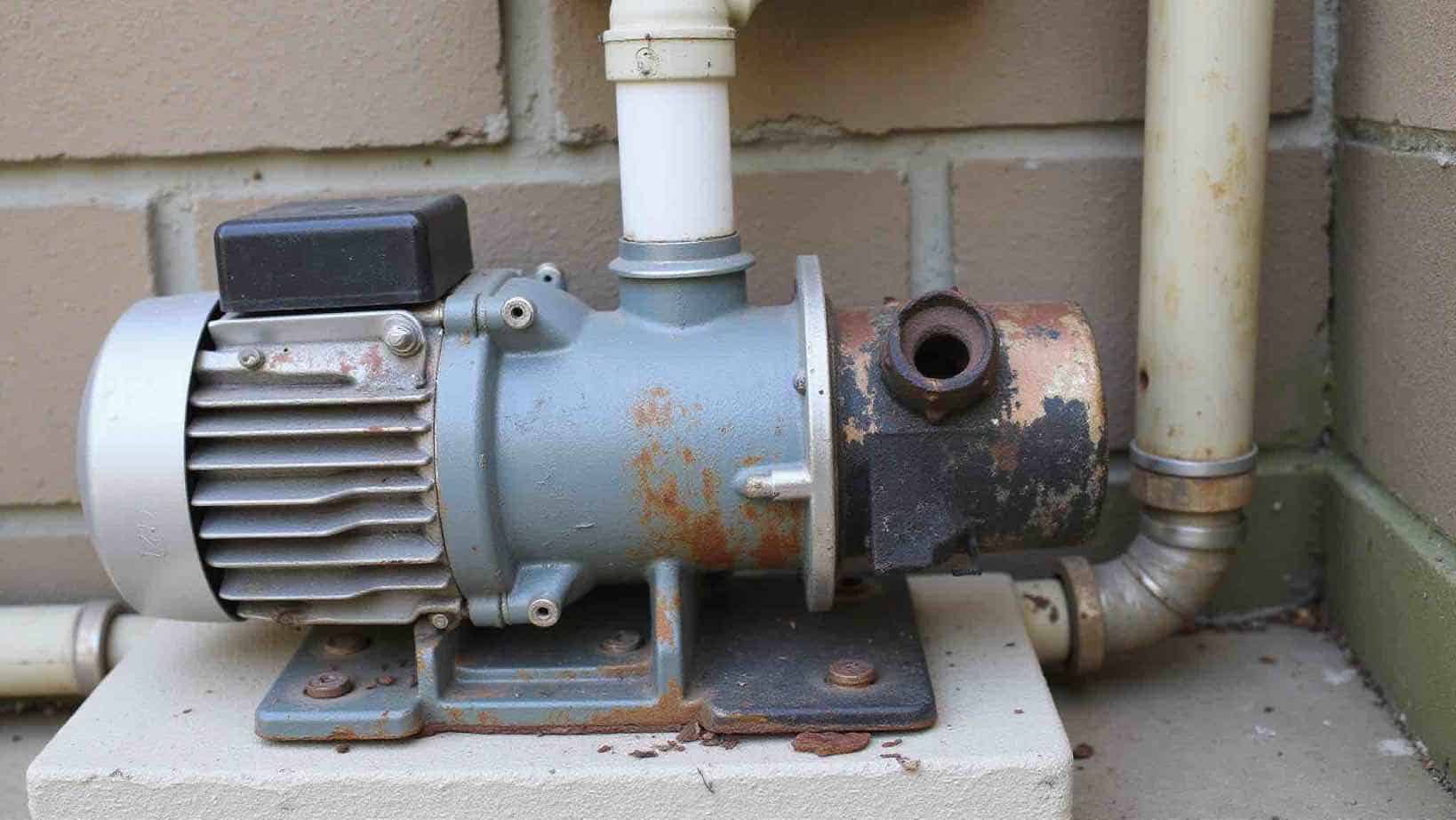
- Monitor pressure and flow: Check the gauge regularly and watch for abnormal readings that signal clogging or lateral damage.
Follow these steps consistently, and your sand will filter efficiently for its full 5, 7 year lifespan.
Choose a Fiberglass Pool With Easier Maintenance
A properly installed filtration system helps maintain clear pool water and reduces unnecessary maintenance problems. At Schiller Pools, we install fiberglass pools with equipment suited to your pool’s size and circulation needs.
If you’re planning a new pool in Stuart, explore our San Juan fiberglass pool options or contact our team to discuss your project.
Frequently Asked Questions
Can You Use Glass Media or Zeolite Instead of Sand?
Yes, you can use glass media or zeolite instead of sand, but check your owner’s manual first for compatibility and correct fill quantities, since these alternatives differ from silica sand. Add water to protect the laterals before pouring, then load the media slowly and evenly. Don’t overfill. After reassembly, backwash and rinse thoroughly, then switch to filter mode. Verify pressure, flow, and leaks once you’ve restarted the pump.
How Long Does a Sand Filter Change Usually Take?
You’ll typically spend two to four hours on a complete sand change. Draining the tank and vacuuming out old sand takes the longest, so don’t rush it. Inspect the laterals carefully as they’re exposed, since damage there hurts filtration. Refilling with water, adding the correct sand, and reassembling goes quicker. Then backwash and rinse for several minutes before filtering. Check for leaks and proper pressure once you’ve restarted the pump.
Can You Change Filter Sand Yourself or Hire a Professional?
You can absolutely do this yourself if you’re comfortable following safety steps carefully. First, shut down the pump and depressurize the filter, confirming the gauge reads zero before loosening any fittings. You’ll need to remove old sand without damaging the laterals, inspect internals, and refill correctly. If you’re unsure about brittle plumbing, cracked laterals, or proper reassembly, hire a professional. Otherwise, you’ve got this, so just work methodically and verify everything before restarting.
What Happens if You Use the Wrong Sand Grade?
Using the wrong sand grade can reduce filtration efficiency and cause excessive pressure, poor water flow, or sand entering the pool. Sand that is too fine may pass through the laterals or restrict circulation, while sand that is too coarse may allow smaller debris through. Use the filter manufacturer’s recommended pool-grade sand, commonly #20 silica sand, to maintain proper filtration.
Does Changing Sand Affect Your Pool’s Water Chemistry?
Changing pool filter sand does not directly affect your water chemistry. However, backwashing and refilling the pool can change chemical concentrations. Once the system is running normally, test your chlorine and pH levels and adjust them if necessary. Check alkalinity and other water balance readings as needed before swimming.