
Start by shutting off power at the breaker, then confirm it’s dead with a voltage tester. Open the pressure-release valve, vent trapped pressure, and drain the housing. Match your replacement to the old motor’s MOD, CAT, or P/N, and verify plumbing fit. Shut the suction and discharge valves, disconnect the pipes carefully, and pull the assembly straight out. Mount, wire, and prime the new pump. There’s more you’ll want to know first.
Key Takeaways
- Shut off the breaker, confirm power is off with a voltage tester, then release pressure and drain trapped water before starting.
- Match the old motor’s MOD, CAT, or P/N and verify pump size, plumbing fit, and wiring layout for compatibility.
- Gather tools including a pipe wrench or PVC cutter, screwdrivers, Teflon tape, a voltage tester, and tape for labeling wires.
- Close suction and discharge valves, remove flange hardware neatly, disconnect pipes carefully, and pull the assembly straight out.
- Clean the housing and pad, align and mount the new pump, reconnect labeled wiring and plumbing, then prime and test for leaks.
How Do You Replace a Swimming Pool Pump
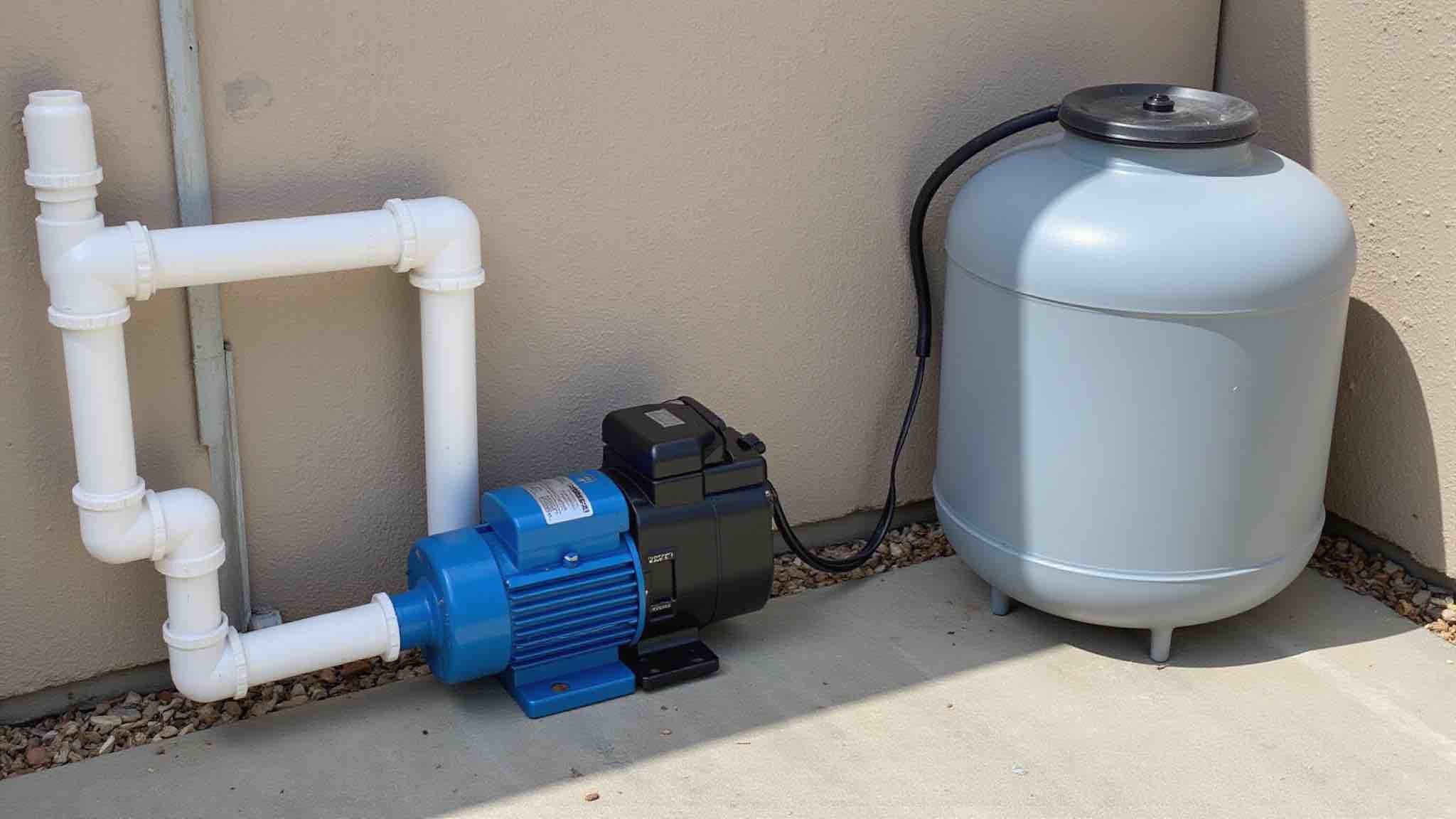
To replace a swimming pool pump, shut off power at the circuit breaker and confirm it’s off with a voltmeter or non-contact voltage tester. Open the pressure-release valve to relieve trapped pressure, then close it after venting. Drain the housing through the drain plugs. Label your wiring with tape so reconnection stays accurate later.
Match the old motor’s MOD, CAT, or P/N from the information tag, and decide whether this pump replacement involves the motor only or the entire assembly. Verify pump size, plumbing fit, and terminal layout.
Shut off suction and discharge valves, remove the securing bolts, and disconnect the inlet and outlet pipes carefully. Pull the assembly straight out to avoid stressing the housing or impeller.
How Do You Know Your Pool Pump Needs Replacing
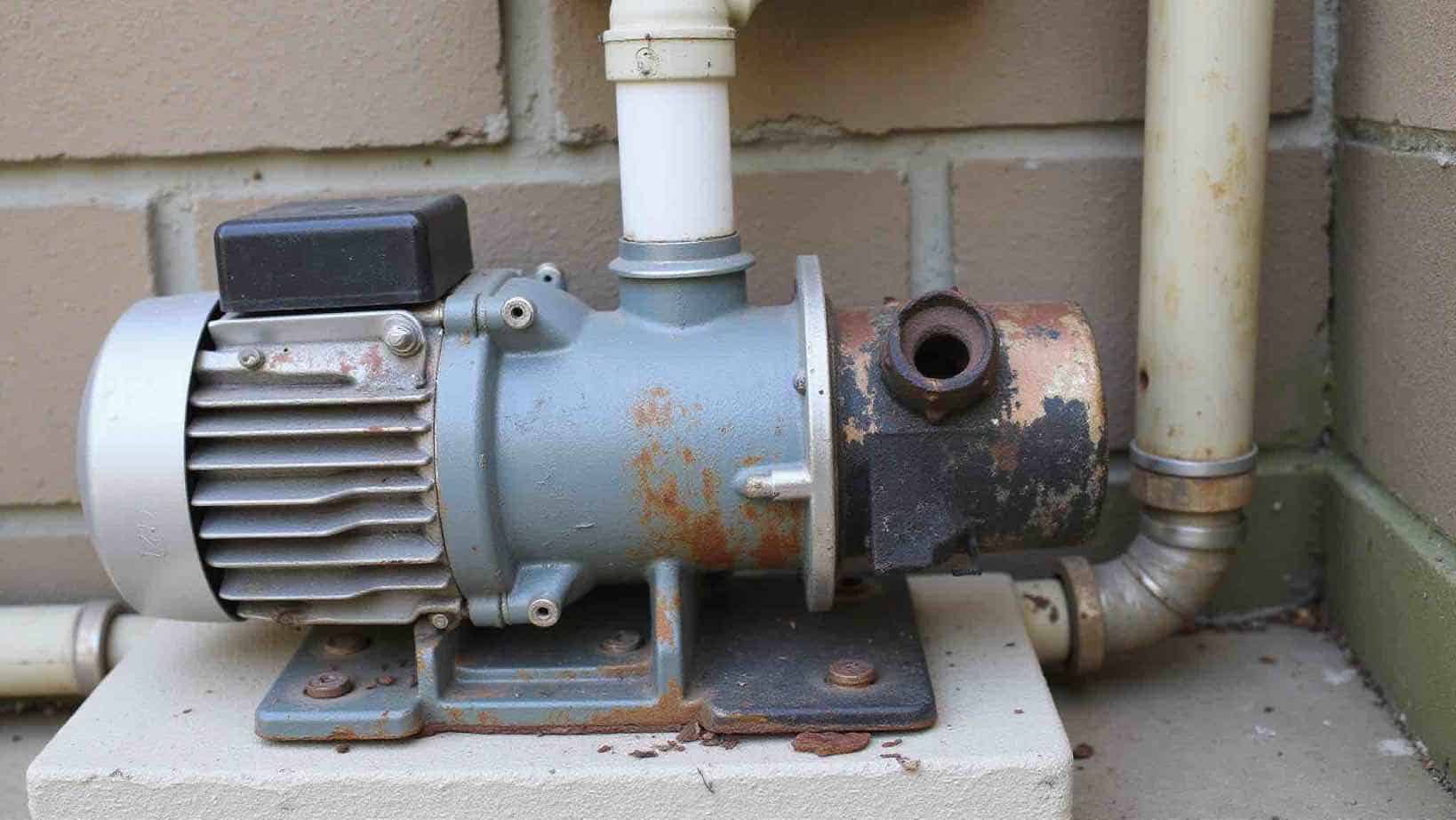
Your pool pump likely needs replacing if it makes unusual noises, vibrates during operation, leaks persistently, loses circulation performance, overheats repeatedly, trips breakers, or fails to start reliably. Unusual noises or vibration often signal worn bearings, misalignment, or air intrusion at the plumbing connections. Check for persistent leaks at fittings, unions, and gaskets that don’t resolve with tightening. Monitor circulation performance, weak flow points to a failing impeller or degraded motor. Note repeated overheating, tripped breakers, or a motor that won’t start reliably. Inspect the housing for cracks and corrosion around the original installation. If repairs keep mounting and the unit no longer meets your pool’s required flow, replacement makes more sense than another fix. Confirm the failure isn’t a simple clog or valve issue before committing to a full pump swap.
How Do You Choose the Right Replacement Pump
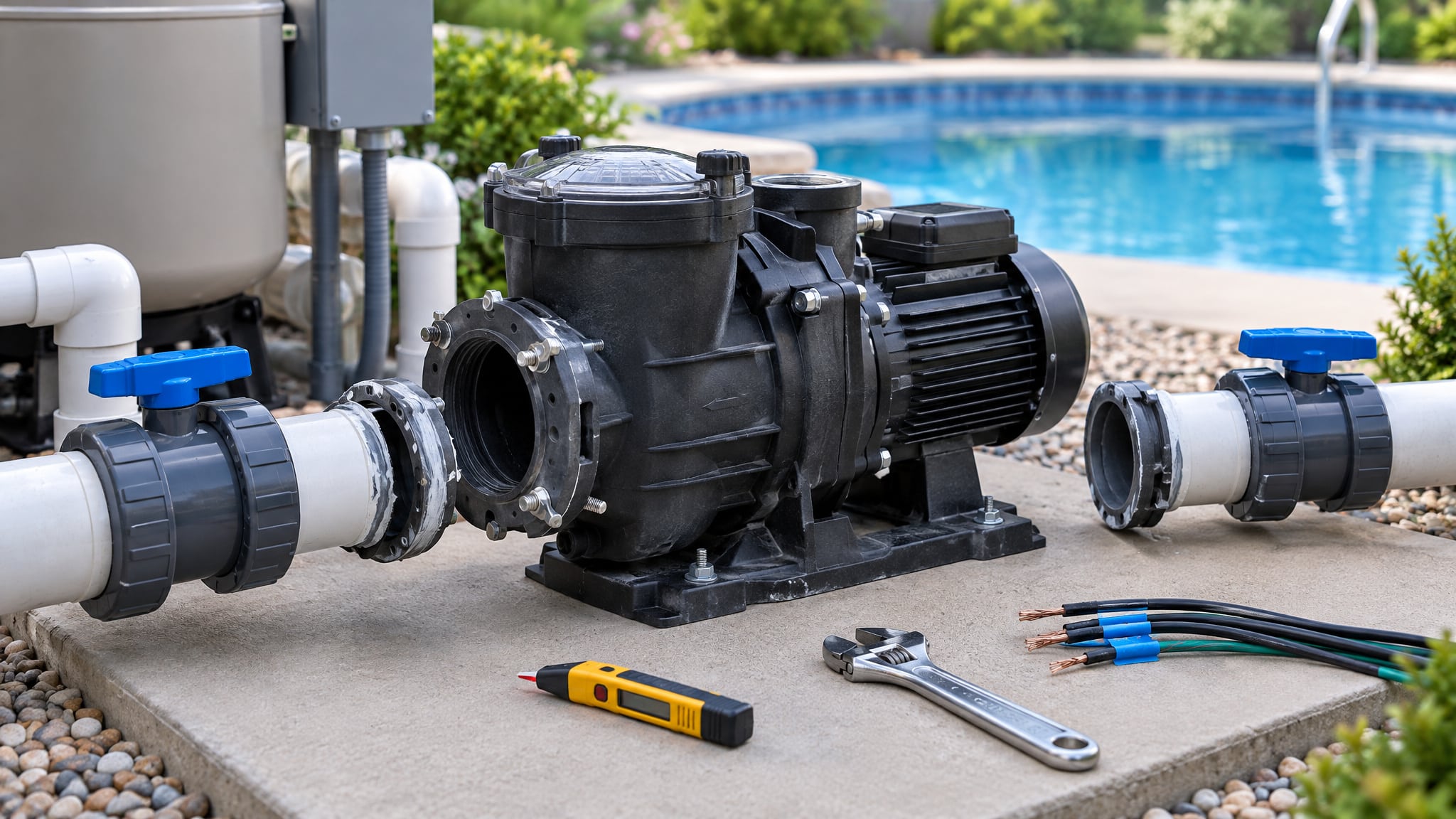
Choose the right replacement pump by matching the new unit to the old motor’s information tag. Record the model (MOD), catalog (CAT), or part number (P/N) before ordering. Verify pump size and plumbing compatibility so the replacement fits without major rework, and confirm the wiring layout and terminal configuration match your setup.
| Specification | Where to Find It | Why It Matters |
|---|---|---|
| MOD/CAT/P/N | Motor info tag | Ensures the exact match |
| Flow rating | Tag or datasheet | Maintains circulation |
| Terminal layout | Wiring diagram | Confirms safe reconnection |
Decide whether you’re replacing the motor only or the entire pump assembly, since that changes cost and effort. Always select a unit rated for your pool’s required flow and system demand to avoid poor circulation.
What Tools Do You Need and How Do You Stay Safe
You need a pipe wrench or PVC cutter, screwdrivers, thread-sealing supplies, a voltmeter or non-contact voltage tester, and tape for labeling wires. Safety steps matter because working around water and electricity leaves no room for shortcuts.
- Kill the power at the circuit breaker, then confirm it’s off with a voltmeter or non-contact voltage tester.
- Relieve pressure by opening the pump’s pressure-release valve, then close it after venting.
- Drain the housing through the drain or housing plugs to clear trapped water.
- Label the wires with tape so you can reconnect them correctly later.
Keep your work area dry and organized. With power isolated and tools ready, you’ll work safely and avoid costly mistakes.
How Do You Remove the Old Pump
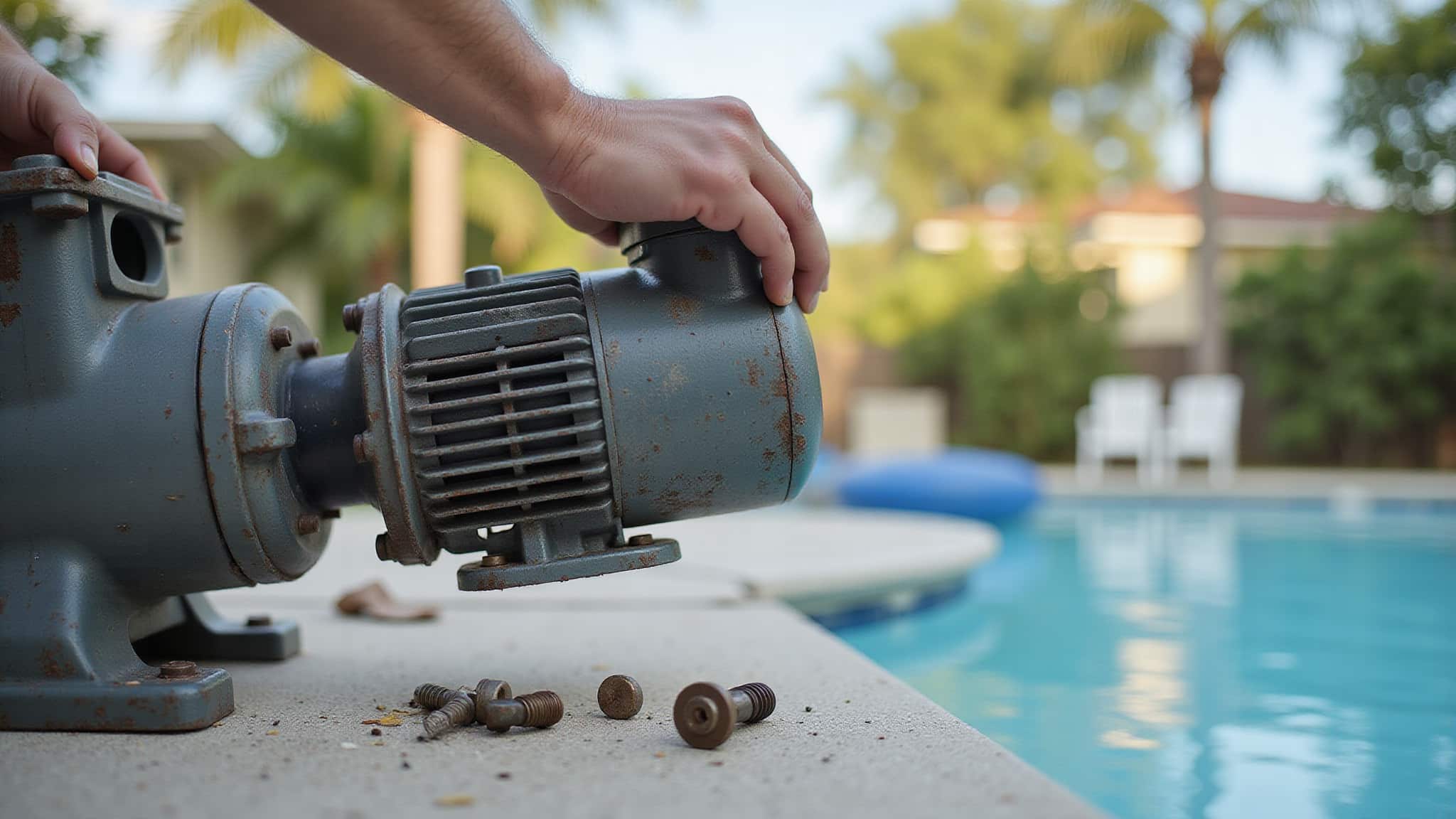
Remove the old pump by shutting off the suction and discharge valves where present, then removing the securing bolts or flange hardware. Keep the hardware organized in case it’s compatible with the new unit.
Next, disconnect the inlet and outlet pipes carefully using a pipe wrench or PVC cutter. Leave enough pipe length to accommodate fittings or unions during reinstallation. Don’t rush this step; a clean cut saves rework later.
Pull the pump or motor assembly straight out. Angling it stresses the housing, plumbing, or impeller opening, risking cracks. Once it’s free, dispose of the old unit safely and clear your workspace for the replacement.
How Do You Install and Wire the New Pump
Install and wire the new pump by cleaning any dust, debris, or residue from the circular housing and surrounding pump pad, then aligning, mounting, reconnecting plumbing, and reattaching the labeled electrical wires. Inspect gaskets and seals for wear, then apply water pump grease to sealing surfaces where specified. Use Teflon tape on threaded fittings to reduce leak risk. Keep the area dry and orderly for accurate alignment.
Clean the housing, align carefully, seal with grease and Teflon tape, then mount and wire for leak-free operation.
- Align the new pump so bolt holes and the impeller opening match correctly, then insert and tighten mounting bolts evenly.
- Reconnect plumbing with unions or PVC fittings, avoiding overtightening that can crack the pump body.
- Reattach electrical wires to the correct terminals using your earlier labels, keeping conductors separated.
- Restore the cover or housing plate once internal connections are complete.
Confirm wiring compatibility before energizing.
How Do You Prime and Test the Replacement
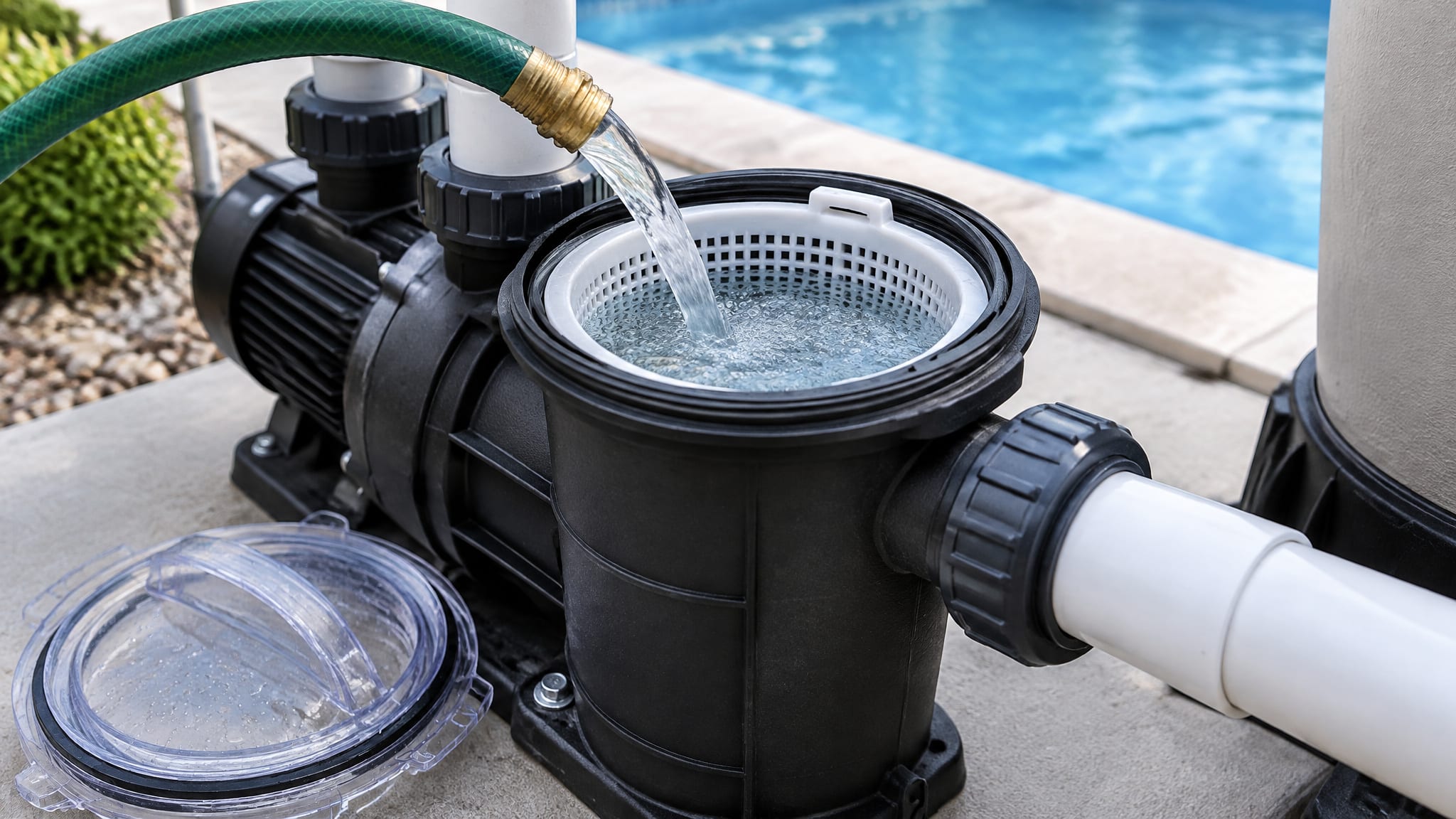
Prime and test the replacement by filling the pump with water if the system requires it, then running it briefly to confirm safe operation. Ensure the housing fills completely to prevent dry running. Open the valves one at a time to control flow, then restore power at the breaker only after the installation is fully complete. During the first run, check for leaks at fittings, unions, gaskets, and pipe joints, addressing any weeping immediately. Listen for unusual noises or vibration that may signal misalignment, air intrusion, or a loose mount. Verify steady circulation and normal operating pressure before leaving the system unattended. If performance seems off, shut down, isolate power, and inspect connections before restarting to avoid damaging the new unit.
Build a Pool With a Reliable Pump System
Choosing the right pool pump and having it installed correctly can help prevent circulation problems and unnecessary maintenance. At Schiller Pools, we build fiberglass pools with equipment selected to meet each pool’s requirements.
Planning a new pool in Port St. Lucie? Explore our pool construction services or contact our team to discuss your project.
Frequently Asked Questions
How Long Does a Swimming Pool Pump Typically Last?
You’ll typically get 8 to 12 years from a swimming pool pump, though that lifespan depends heavily on usage, water chemistry, and maintenance. If you run it continuously, exceed its rated flow, or neglect servicing, you’ll shorten it considerably. Watch for warning signs like unusual noises, vibration, or weak circulation, since these often indicate a failing motor. When performance drops off, match the information tag before ordering a compatible replacement.
How Much Does It Cost to Replace a Pool Pump?
Costs vary based on whether you’re replacing the motor only or the entire pump assembly. Match your old motor’s model (MOD), catalog (CAT), or part number (P/N) from the information tag before ordering, since parts pricing depends on exact specifications. You’ll also want to verify pump size, plumbing compatibility, and wiring layout to avoid costly rework. Selecting a unit rated for your pool’s required flow prevents inefficient circulation and added expense.
Can I Replace a Pool Pump Myself or Hire a Professional?
Some homeowners may be able to handle basic plumbing preparation, but pool pump electrical connections should be completed by a qualified professional. Proper wiring, grounding, and bonding are essential for safe operation. Hiring a licensed pool contractor or qualified electrician helps ensure the replacement meets manufacturer requirements and local electrical codes.
How Often Should I Run My Pool Pump Each Day?
You’ll typically run your pool pump 8 to 12 hours daily to maintain proper circulation and filtration. Adjust this based on your pool size, bather load, water temperature, and system demand. Warmer weather and heavier use call for longer run times. Aim to turn over the entire water volume at least once per day. Monitor water clarity and circulation, and don’t shorten cycles below what keeps your water safe and clean.
Are Variable-Speed Pumps Worth the Extra Investment?
Yes, variable-speed pumps are usually worth it. You’ll cut energy costs notably by running lower speeds for filtration and reserving high speeds for demanding tasks. When you select a replacement, confirm it’s rated for your pool’s required flow and system demand to avoid poor circulation. Verify wiring compatibility and terminal layout before installation. You’ll also gain quieter operation and finer control, though you’ll pay more upfront for those long-term savings.