
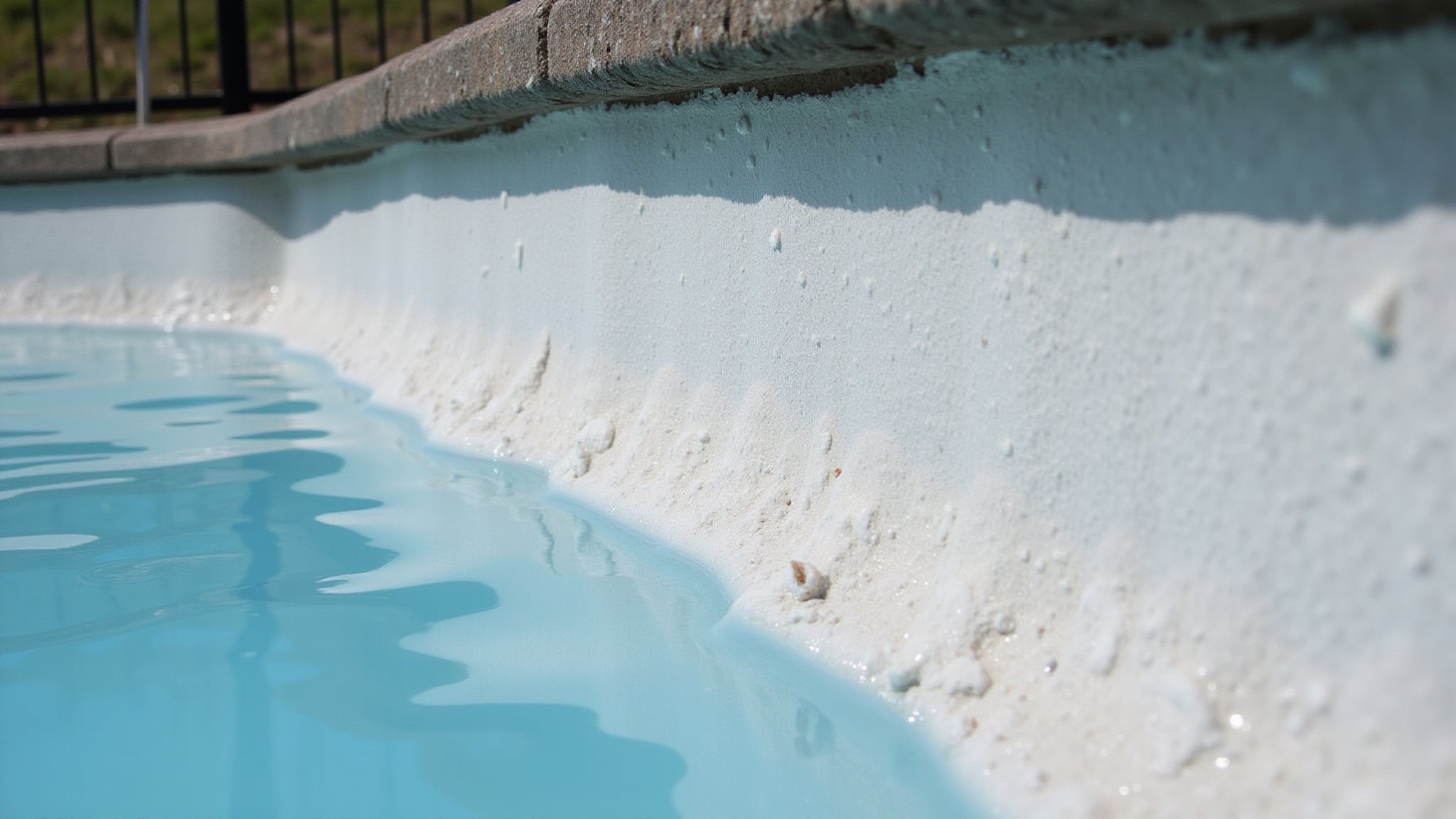
When your aging pool shows persistent cracks, rough plaster, or constant water loss, you’ve got several renovation paths to evaluate. You can opt for surface resurfacing with durable materials like quartz or pebble finishes, upgrade to variable-speed pumps that cut energy costs by up to 90%, or install saltwater chlorination for gentler, lower-maintenance water. Costs range from $5,000 for basic refreshes to $50,000+ for complete transformations, and understanding swimming pool renovation ideas for aging or damaged pools and each option’s ROI helps you prioritize what matters most.
When Your Pool Needs a Renovation, Not Just a Repair
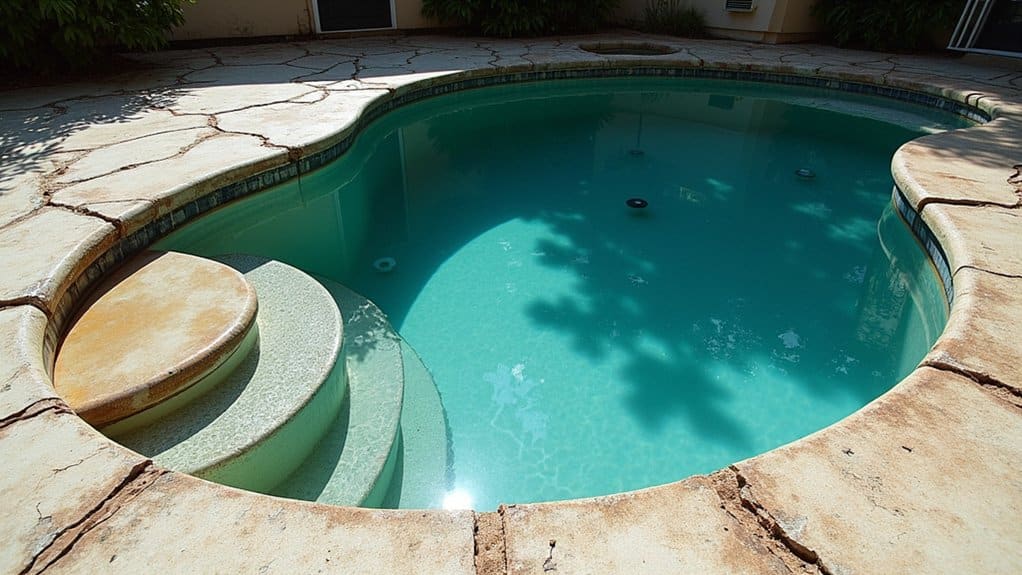
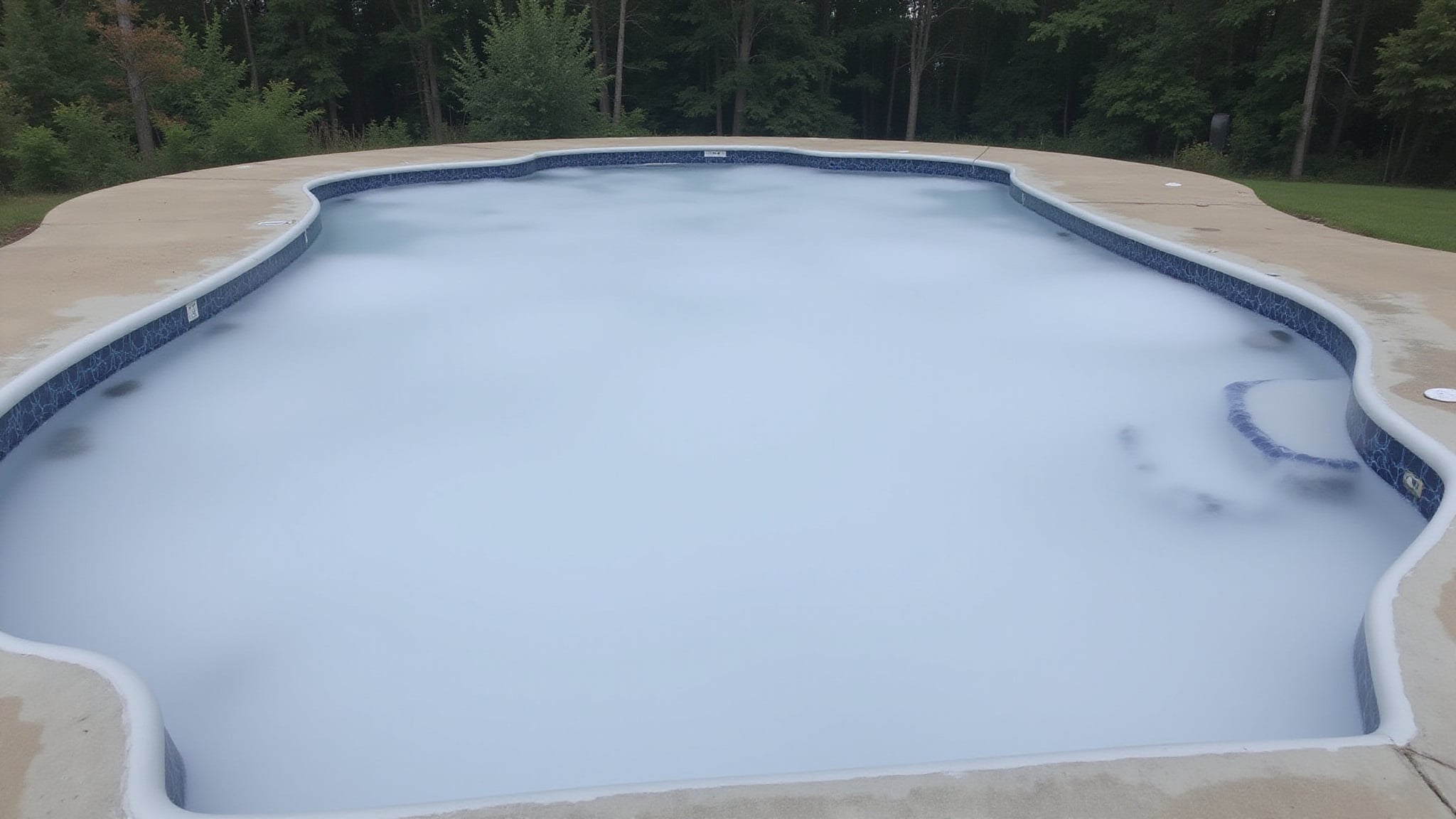
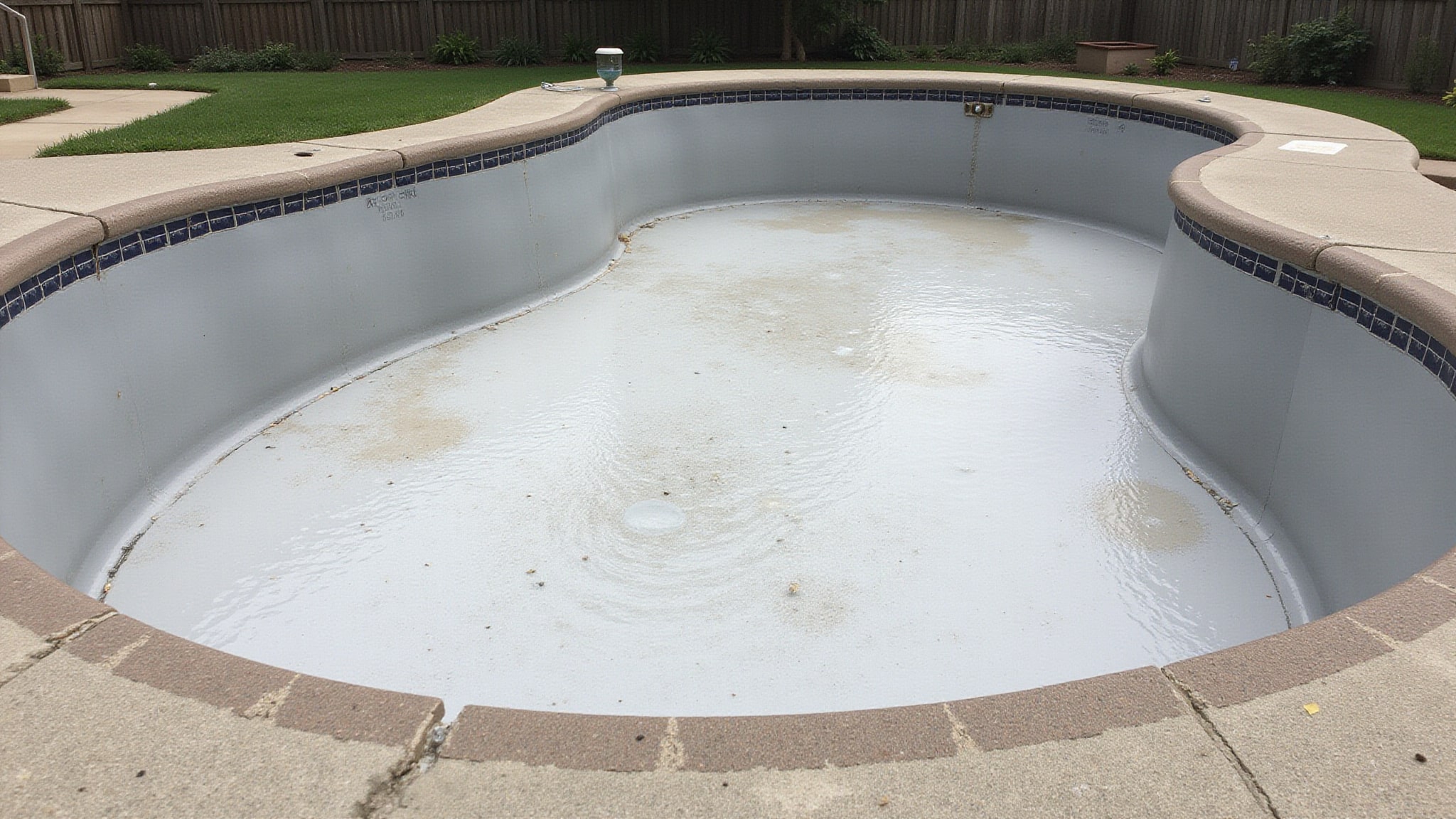
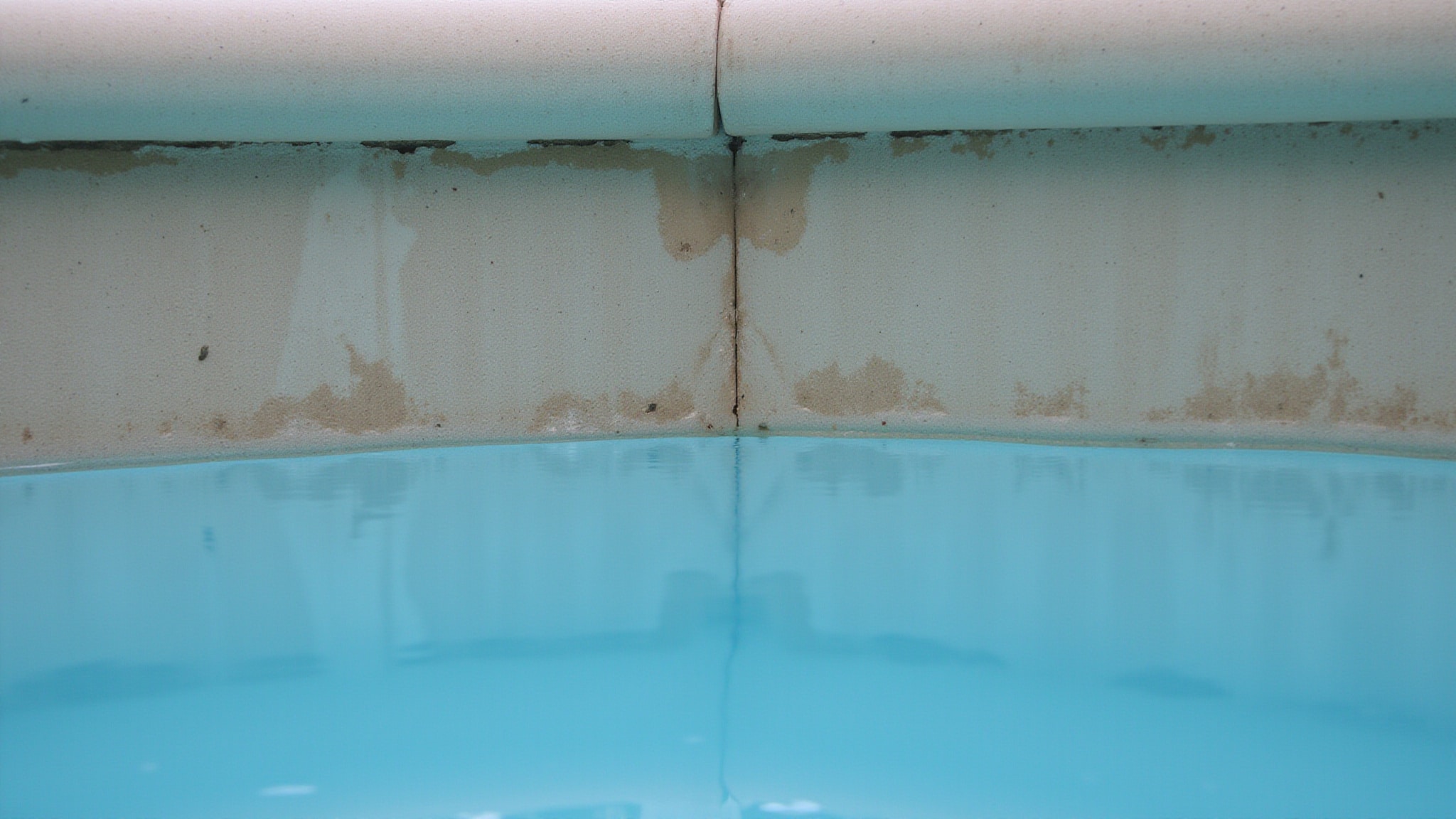
When your pool shows persistent signs of deterioration, you’re facing a decision that goes beyond patching up isolated problems. Aging pool repair becomes ineffective when you’re addressing the same cracks, leaks, or equipment failures repeatedly. Large cracks that continue expanding indicate structural compromise that surface patches can’t resolve.
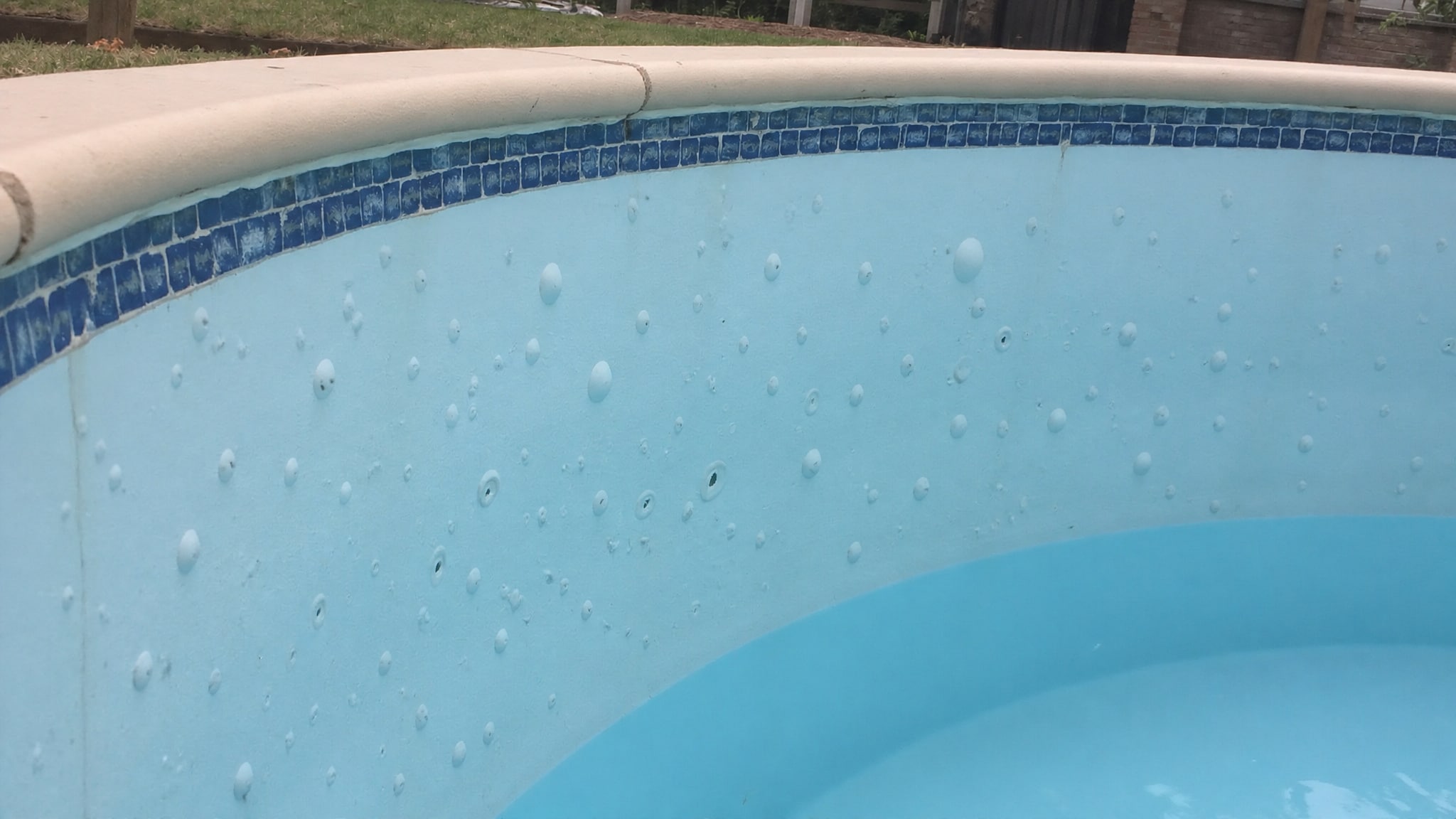
If you’re experiencing constant water loss, rough or peeling plaster, and outdated pumps that malfunction frequently, these pool resurfacing issues point toward thorough/extensive/complete renovation. Damaged pool renovation addresses widespread deterioration that isolated repairs simply can’t fix long-term. Unlike restoration, which focuses on returning a pool to its original state, renovation involves upgrading and transforming your pool to enhance its appearance, functionality, and overall appeal. A successful renovation can increase your home value by up to 8%, making it a worthwhile investment beyond just aesthetic improvements.
Consider renovation when your pool exceeds 15-20 years old, exhibits multiple safety concerns, or requires frequent fixes to the same areas. Renovation resolves underlying problems while extending your pool’s functional lifespan far beyond what repeated repairs can achieve. If your pool’s structure remains solid but the interior surface looks aged, resurfacing with materials like plaster, pebble finishes, or quartz may be the ideal solution.
What Pool Renovations Cost by Project and Location
Once you’ve determined that renovation, not repair, is the right path forward, understanding the financial scope of your project becomes the next practical step.
Swimming pool renovation costs vary markedly based on scope and location. Basic refresh projects run $5,000 to $12,000, while standard renovations addressing both aesthetics and functionality cost $12,000 to $25,000. Premium transformations exceed $50,000 for all-encompassing old pool upgrades. Homeowners often seek the expertise of a pool patio renovatior to enhance the outdoor experience. By focusing on the patio’s design and material selection, these professionals can elevate the overall aesthetic appeal while improving usability.
Surface resurfacing typically ranges from $6,000 to $15,000, with plaster finishes averaging $6 to $8 per square foot. Equipment replacements add $600 to $5,000 depending on components. Upgrading to aggregate finishes costs $5 to $12 per square foot, offering greater durability and aesthetic appeal than standard plaster.
Geographic location dramatically impacts pricing. Charleston averages $500 to $2,930, while San Francisco ranges from $10,100 to $53,300. Miami, Houston, and Los Angeles fall between these extremes. Factor your region’s labor and material costs when budgeting your renovation timeline. Keep in mind that labor typically accounts for 40% of your total remodeling budget, with hourly rates averaging $65 to $100.
Pool Resurfacing Options From Plaster to Quartz
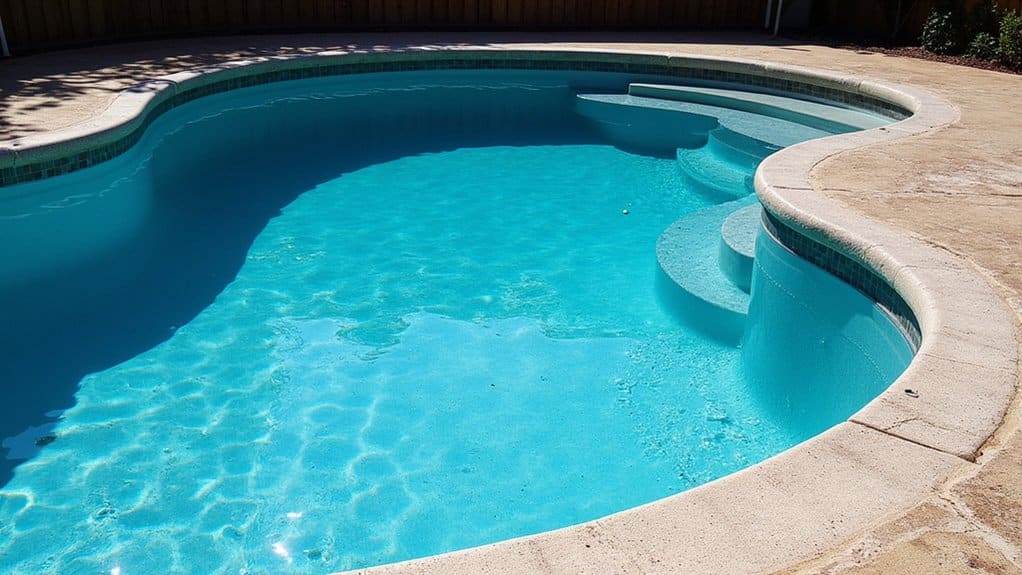
Pool surfaces deteriorate over time, and selecting the right resurfacing material directly impacts your renovation’s longevity and return on investment.
When evaluating options, you’ll need to balance upfront costs against durability and maintenance requirements. Plaster offers the most affordable entry point but shows wear faster through etching and staining. Quartz combines crushed particles with polymers, delivering superior stain and chemical resistance while maintaining a refined aesthetic. Pebble finishes provide the longest lifespan with natural texture that enhances safety and hides imperfections. For those seeking alternatives, fiberglass resurfacing features a non-porous surface that prevents water absorption and inhibits algae growth. With proper installation, fiberglass can last up to 25 years or more, making it an excellent long-term investment.
- Plaster: Budget-friendly but requires frequent maintenance; prone to cracks and discoloration
- Quartz: Mid-range pricing with vibrant color options and enhanced chlorine resistance
- Pebble: Premium durability ideal for high-stress environments and concrete pools
Glass tile offers another high-end option with moisture and salt resistance that ensures exceptional longevity in harsh pool environments. Each material suits different pool conditions, budgets, and design preferences.
Pumps, Filters, and Equipment Worth Upgrading
Outdated equipment drains your wallet through inefficient operation and frequent repairs, making mechanical upgrades one of the most impactful investments during a pool renovation.
Upgrading outdated pool equipment saves money and prevents headaches, it’s the smartest investment you’ll make during renovation.
Variable Speed Pumps
You’ll reduce energy consumption by up to 90% when you replace single-speed pumps with variable speed models. These pumps run at lower speeds, cutting utility costs while integrating seamlessly with automated systems. Modern variable-speed systems are designed to use less power, making them a wise long-term investment.
Advanced Filtration Systems
Modern filtration units improve water clarity through self-cleaning mechanisms and enhanced media. High-quality cartridge filters eliminate manual vacuuming and combine effectively with UV or ozone disinfection. DE filters capture particles as small as 1-6 microns, offering superior filtration compared to other filter types. Maximized filter efficiency can potentially eliminate vacuuming altogether, saving you significant time and effort.
Saltwater Chlorination
Saltwater systems replace harsh chlorine methods, producing silkier water without weekly tablet additions. You’ll lower chemical usage and reduce maintenance time considerably.
Automation Integration
Pool automation enables smartphone control of filtration, temperature, and chemical distribution. Smart scheduling runs equipment only when necessary, preventing costly breakdowns through remote diagnostics.
Quick Fixes vs. Complete Pool Transformations
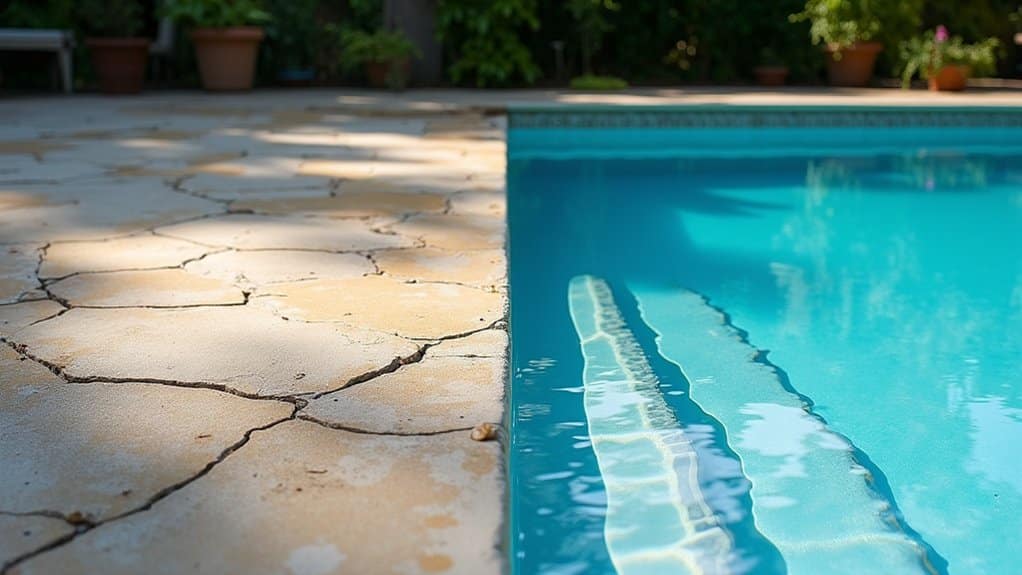
When your pool shows signs of wear, you’ll need to determine whether minor repairs will suffice or if a complete transformation makes more financial sense. Quick fixes address isolated problems, crack sealing, tile patching, and grout repair typically resolve early-stage damage within one to two days at lower cost.
However, certain conditions warrant full renovations:
- Multiple expanding cracks paired with peeling plaster
- Outdated plumbing, filtration, or lighting systems requiring replacement
- Structural modifications for new features like spas or tanning ledges
Complete transformations involve resurfacing with quartz, pebble, or tile finishes, plus coping and deck replacements. These projects span two to four weeks but deliver long-term value. Remodeling is a long-term investment that enhances both the look and functionality of your backyard while increasing your home’s resale value. If your pool’s overall structure is sound but suffers from cosmetic issues like stains or roughness, resurfacing offers a quicker turnaround at a more budget-conscious price point. If you’re scheduling frequent repairs, shifting to a comprehensive remodel often proves more cost-effective while boosting property value. Because renovation and remodeling require blending new materials with old surfaces, working with an experienced pool professional ensures the project is completed correctly the first time.
Where to Start When Everything Needs Work
Once you’ve determined that a complete transformation makes sense for your aging pool, the next step involves knowing where to begin, especially when multiple systems have deteriorated simultaneously. A professional contractor will conduct pressure testing to identify leaks before any demolition occurs. This initial assessment reveals hidden structural damage, plumbing failures, and surface degradation that dictate your renovation sequence.
| Phase | Priority Action |
|---|---|
| Assessment | Pressure test and structural evaluation |
| Draining | Submersible pump removal with hydrostatic relief |
| Demolition | Remove compromised plaster, tile, and coping |
| Repairs | Address cracks and reinforce structure |
| Preparation | Apply Bond Kote for new surface adhesion |
You’ll need permits before work begins. Your contractor handles this process while establishing a realistic timeline, typically two weeks to three months depending on scope. Setting a realistic budget from the start helps you allocate for important upgrades while preparing for unexpected expenses that often arise during extensive renovations.
Ready to Transform Your Backyard?
Your dream pool is closer than you think. At Schiller Pools, our experienced team brings over 40 years of expertise to every project, delivering stunning fiberglass pool installations and custom pool construction that turn ordinary backyards into extraordinary outdoor retreats. With flexible financing options and lifetime warranty backing, there has never been a better time to get started. Call (561) 475-5997 today for your free estimate.
Frequently Asked Questions
How Long Does a Typical Pool Renovation Project Take to Complete?
You can expect most pool renovation projects to take 4-8 weeks from start to finish. Simple replastering jobs wrap up in 2-3 weeks, while complete overhauls involving structural changes extend to 10-12 weeks. If you’re adding custom features like waterfalls or spas, plan for 20-30 weeks. Project complexity, weather conditions, pool size, and your contractor’s efficiency all directly impact your timeline, so factor these variables into your planning.
Can I Use My Pool During the Renovation Process?
No, you can’t use your pool during renovation. Once draining begins, you’ll lose all water access, and the pool remains unusable throughout demolition, construction, and curing phases. Open construction sites pose serious safety hazards, and fresh plaster or pebble finishes require specific dry times, sometimes up to two months, before water contact. Even simple resurfacing restricts access for 1-2 weeks, while full remodels keep your pool offline for 4-8 weeks or longer.
Do Pool Renovations Require Permits From Local Authorities?
Yes, you’ll need permits for significant pool renovations. Local authorities require separate permits for electrical, plumbing, and mechanical work associated with your project. You must submit applications through the BuildSA Customer Portal, including detailed site plans showing pool dimensions, setbacks, barriers, and safety features. Your permit remains valid for six months, and inspections will verify compliance with the 2024 International Swimming Pool and Spa Code. Skipping permits risks fines and costly rework.
Will Renovating My Pool Increase My Home’s Resale Value?
Yes, renovating your pool can increase your home’s resale value by 7-30%, depending on your location and pool type. In-ground pools typically return 50-56% of your investment at resale, with warmer climates like the Southwest seeing gains of 11-15%. You’ll maximize ROI by addressing structural damage, updating outdated systems, and ensuring code compliance, factors buyers evaluate when examining pool condition and long-term maintenance costs.
What Time of Year Is Best to Schedule a Pool Renovation?
Schedule your pool renovation during fall or winter for ideal results. You’ll find contractors more available, pricing more competitive, and materials easier to source. Cooler temperatures allow concrete and plaster to cure evenly, reducing cracking risks and producing stronger finishes. By starting in the off-season, you’ll complete structural repairs, replastering, and equipment upgrades well before spring, ensuring your pool’s fully operational when swim season arrives without competing against summer scheduling backlogs.