
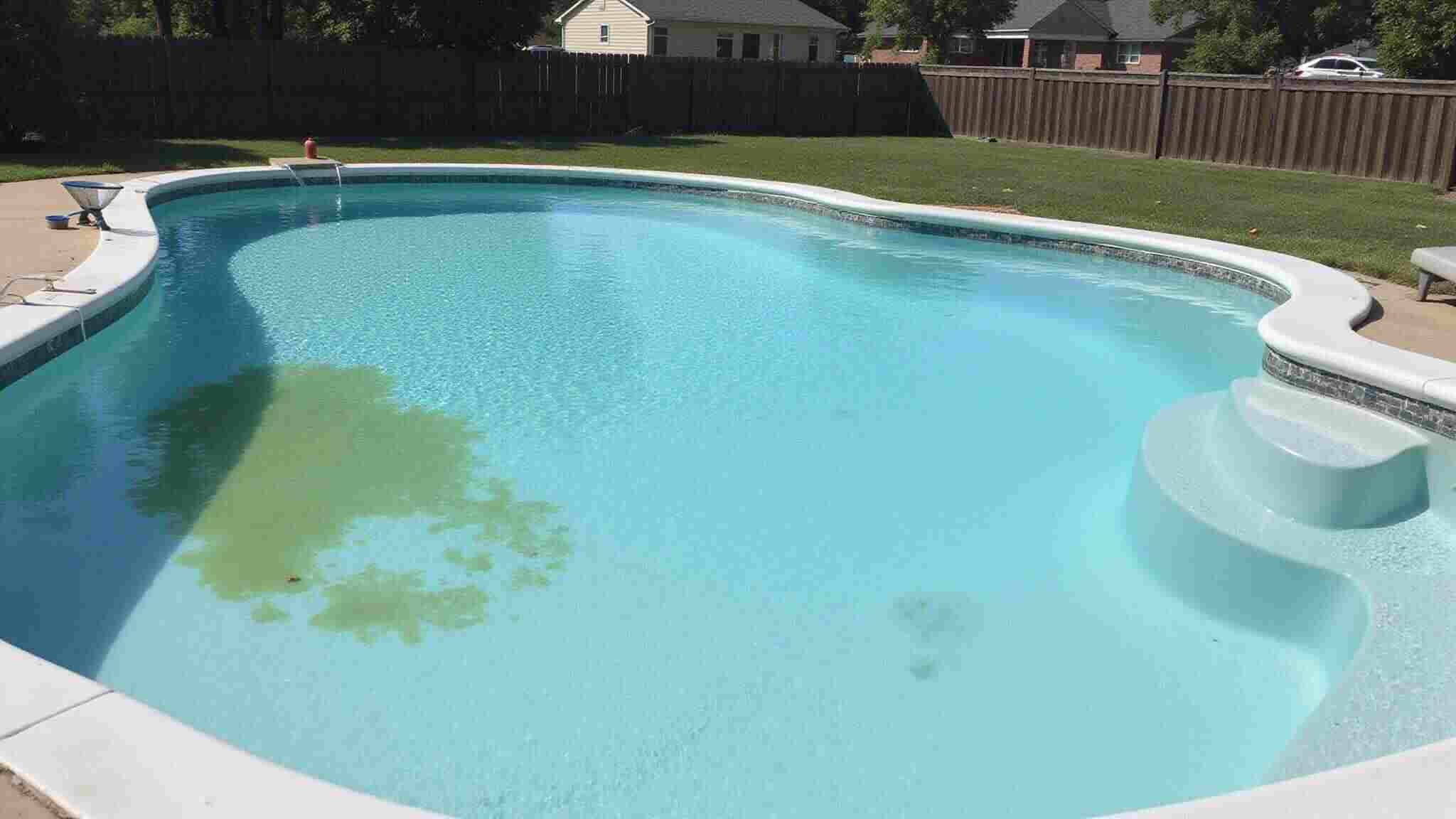
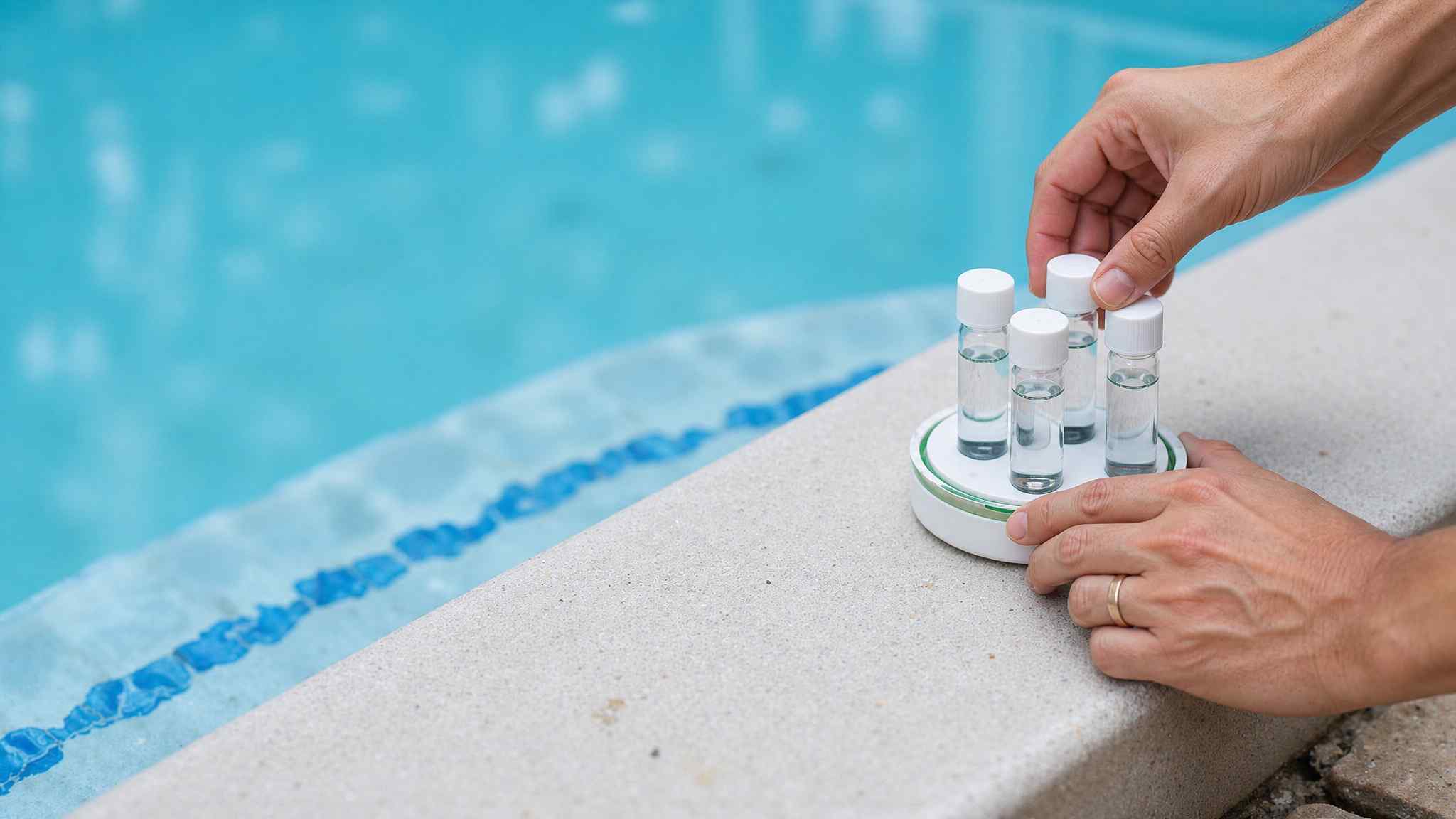
To remove dead algae after treating your pool, stop adding chemicals once the algae’s dead and run continuous circulation for 24, 48 hours. Brush every surface (walls, steps, corners, and floor) to release clinging residue. Then vacuum slowly with long, sweeping passes, setting your multiport valve to waste so debris exits the system instead of recirculating. If fine particles stay suspended, use a flocculant, let it settle, and vacuum again. Clean your filter afterward and re-test the water. There’s more you’ll want to know.
Key Takeaways
- Confirm the algae is dead, then run continuous circulation for 24, 48 hours to move particles toward the filter.
- Brush all surfaces (walls, steps, corners, and floor) to release clinging residue before vacuuming.
- Vacuum slowly with long, sweeping passes, using the waste setting to prevent debris recirculating into the pool.
- Use a flocculant or clarifier to bind fine suspended particles into heavier clumps, then vacuum them on waste.
- Clean the filter afterward, re-test to confirm pH 7.2, 7.4 and alkalinity 80, 120 ppm, and repeat until clear.
How Do You Remove Dead Algae From a Pool
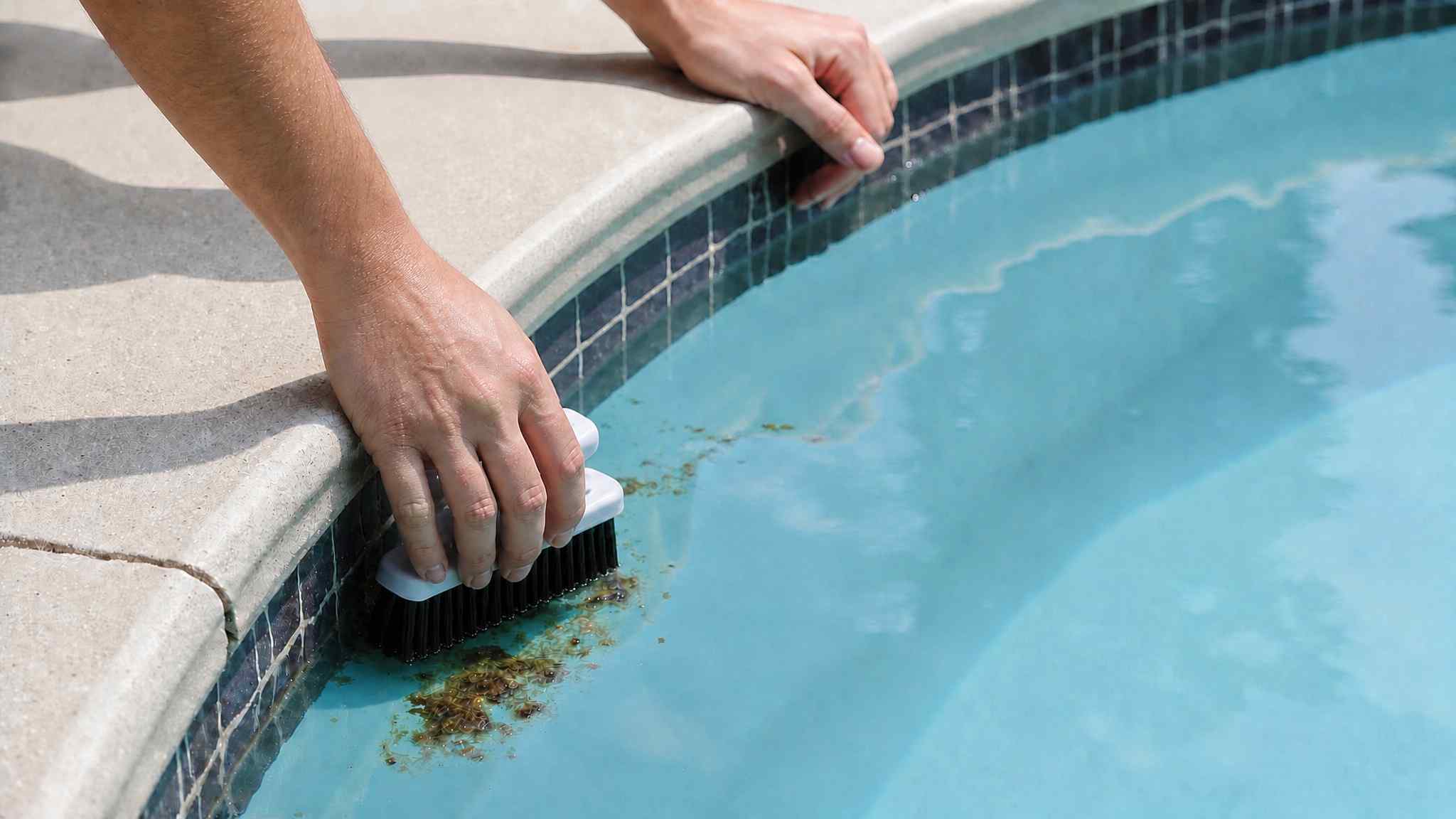
Remove dead algae from a pool by stopping treatment after the algae is confirmed dead, running circulation, brushing every surface, vacuuming the floor, using the waste setting when available, helping fine particles settle, and finishing with cleanup and water balance.
Run the pump 24, 48 hours so continuous filtration keeps particles moving toward the filter. Use a stiff brush on walls, steps, corners, and the floor to release clinging residue. Vacuum slowly with long, sweeping passes, choosing a vacuum built for fine particles. If you’ve got a multiport valve, set it to waste so debris exits instead of recirculating. Add a flocculant when particles stay suspended. Finally, clean the filter, re-test water, and confirm balance returns to normal.
Why Does Dead Algae Settle on the Pool Floor
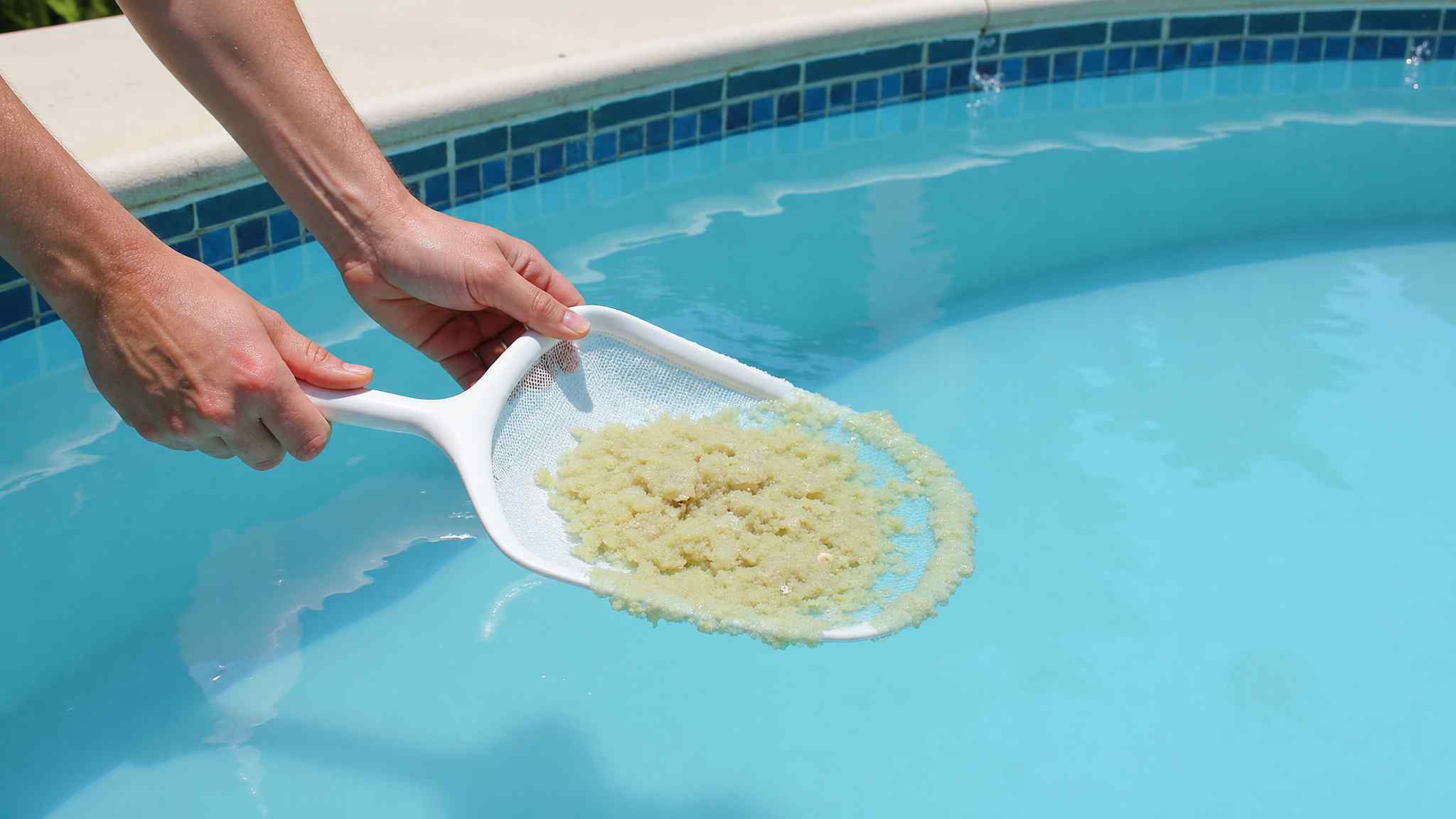
Dead algae ends up on the pool floor because it loses buoyancy after the outbreak is killed and gradually sinks. These particles are extremely fine, so many stay suspended long enough to cloud the water before settling unevenly across the floor. Weak or interrupted circulation lets them resettle instead of moving toward the filter. Some particles are too small for standard filtration to capture, which is why they keep drifting back down after you brush or vacuum.
This behavior guides your cleaning approach. If the debris won’t settle readily, you can add a flocculant to bind those tiny particles into heavier clumps that drop to the floor. That concentrated residue then becomes easier to vacuum out completely.
How Do You Vacuum Dead Algae Out to Waste
Set your multiport valve to waste, then vacuum dead algae slowly so it exits the pool instead of passing through the filter. Waste mode beats normal filtration here because heavy dead-algae loads clog filters quickly. Don’t use the backwash option for this removal when waste is available. Waste is especially useful when large quantities have settled on the floor. Move the vacuum slowly and methodically, using long, sweeping passes to avoid stirring settled debris back into the water. If your pool doesn’t have a waste setting, you’ll need alternative removal methods to keep from overwhelming the filter during cleanup.
Which Vacuum and Filter Setting Should You Use
Use a manual vacuum for fine particles, and set the multiport valve to waste whenever that option is available. Dead algae is often tiny enough to slip through coarser equipment and cloud your water, so the right vacuum and filter setting help keep debris from recirculating.
| Setting | When to Use |
|---|---|
| Waste | Heavy dead-algae loads that would clog the filter |
| Filter (normal) | Only light residue when no waste option exists |
| Backwash | Avoid for vacuum removal when waste is available |
| Recirculate | Not recommended for debris pickup |
| Manual vacuum | Slow, methodical passes across floor and walls |
If your multiport valve offers waste, set it there first so debris exits the system entirely. Empty the bag or canister often to maintain suction and prevent clogging.
How Do You Clear the Cloudiness It Leaves Behind
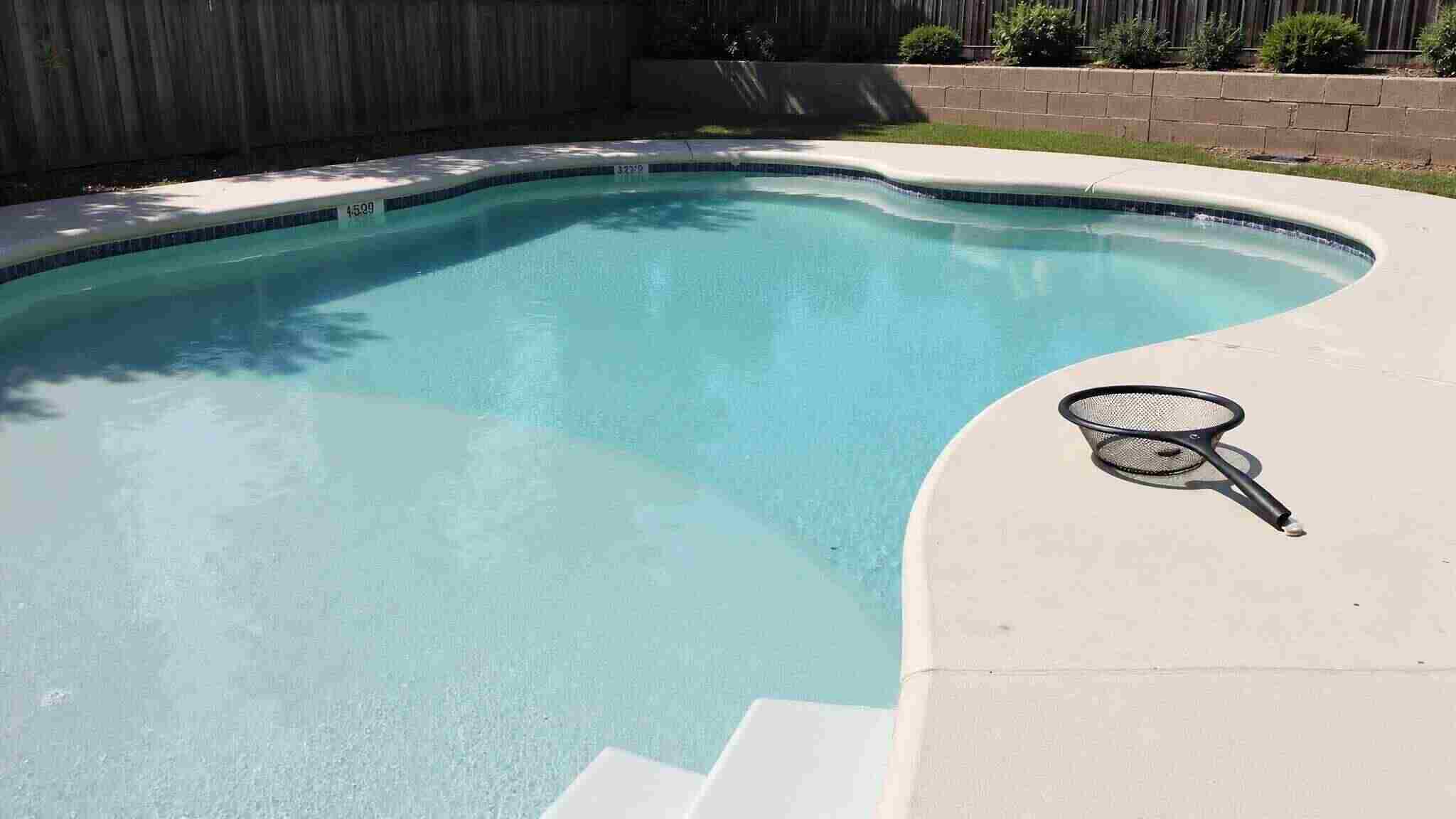
Use a settling aid to clear the cloudiness left behind by fine dead algae. Fine particles can stay suspended even after you’ve vacuumed on the waste setting. A flocculant gathers tiny suspended particles into heavier clumps that sink to the floor, giving you concentrated debris you can vacuum out. Clarifiers work similarly, helping your filter capture fine matter and improving water clarity.
These products are optional, but they’re especially helpful when cloudiness persists after you’ve brushed, filtered, and vacuumed. Use them to make that final vacuuming pass easier by concentrating residue in one place. Once the particles settle, vacuum slowly on waste again to remove them. This approach clears the haze rather than just recirculating it back into your pool.
How Do You Prevent Algae From Dying Off Again
Maintain the conditions that killed it. Run your pump continuously after treatment, following common guidance of 24, 48 hours, so suspended particles keep moving toward the filter instead of resettling. Clean or backwash the filter afterward, since trapped dead algae can clog the system and reduce circulation.
Re-test the water once cleanup finishes, confirming pH, chlorine, and overall balance have returned to normal. One published target lists pH 7.2, 7.4 and alkalinity 80, 120 ppm during algae cleanup. Balanced water keeps chlorine effective against new growth.
Then verify circulation, filtration, and clarity together. If any residue remains, repeat brushing and vacuuming until the floor and walls stay clean and the water runs clear.
Conclusion
Clearing out dead algae is the satisfying final step that turns a treated pool back into a sparkling one, and it comes down to patience and good mechanics. Once the algae’s confirmed dead, keep circulation running for 24, 48 hours, brush every surface to release the clinging residue, then vacuum slowly on the waste setting so the debris leaves your system instead of clogging the filter. When fine particles keep the water hazy, a flocculant or clarifier pulls them together so you can vacuum them out in one concentrated pass. Finish by cleaning the filter and re-testing to confirm balanced water, around pH 7.2, 7.4 and alkalinity 80, 120 ppm, and repeat the brush-and-vacuum cycle until nothing remains. Stay thorough, and you’ll go from cloudy aftermath to clean, clear, swim-ready water.
Call Today and Get a Pool Built to Stay Clean
From green algae to stubborn black algae, quality fiberglass pools make prevention and cleanup easier than ever. At Schiller Pools in Jupiter, FL, our skilled team delivers dependable San Juan Fiberglass Pools designed to keep water clear and inviting. Call +1 (561) 475-5997 today and enjoy your pool with less hassle.
Frequently Asked Questions
Is Dead Algae Harmful to Swimmers if Left in the Pool?
You’ll want to remove dead algae thoroughly through brushing, vacuuming, and proper filtration, then rebalance your water. Once you’ve confirmed clear water and balanced chemistry (pH 7.2, 7.4 and alkalinity 80, 120 ppm), you’ve completed the cleanup steps that restore your pool to normal conditions.
Can You Swim in a Pool With Dead Algae?
You can technically swim in a pool with dead algae, but you shouldn’t until you’ve removed it. Dead algae clouds the water, reduces visibility, and can clog your filtration system. It also signals that your cleanup isn’t finished. Before you get in, brush every surface, vacuum the debris (using the waste setting if available), and re-test your water to confirm pH, chlorine, and overall balance sit within safe ranges.
How Long Does It Take to Fully Clear Dead Algae?
You’ll typically need 24 to 48 hours of continuous filtration to fully clear dead algae, though stubborn residue can extend the process. Plan on brushing every surface daily for 2 to 3 days, then vacuuming slowly to remove settled debris. If cloudiness persists, you’ll want a flocculant or clarifier to help fine particles settle. Keep re-testing and repeating brushing and vacuuming until you’ve confirmed no visible residue remains.
Does Dead Algae Stain Pool Surfaces Permanently?
You’ll want to brush every surface thoroughly with a stiff pool brush, focusing on rough spots and shaded areas where residue clings. Then vacuum slowly and methodically to lift settled debris. If discoloration persists after cleanup, repeat brushing and vacuuming until no visible residue remains.
What Color Does Algae Turn When It Dies?
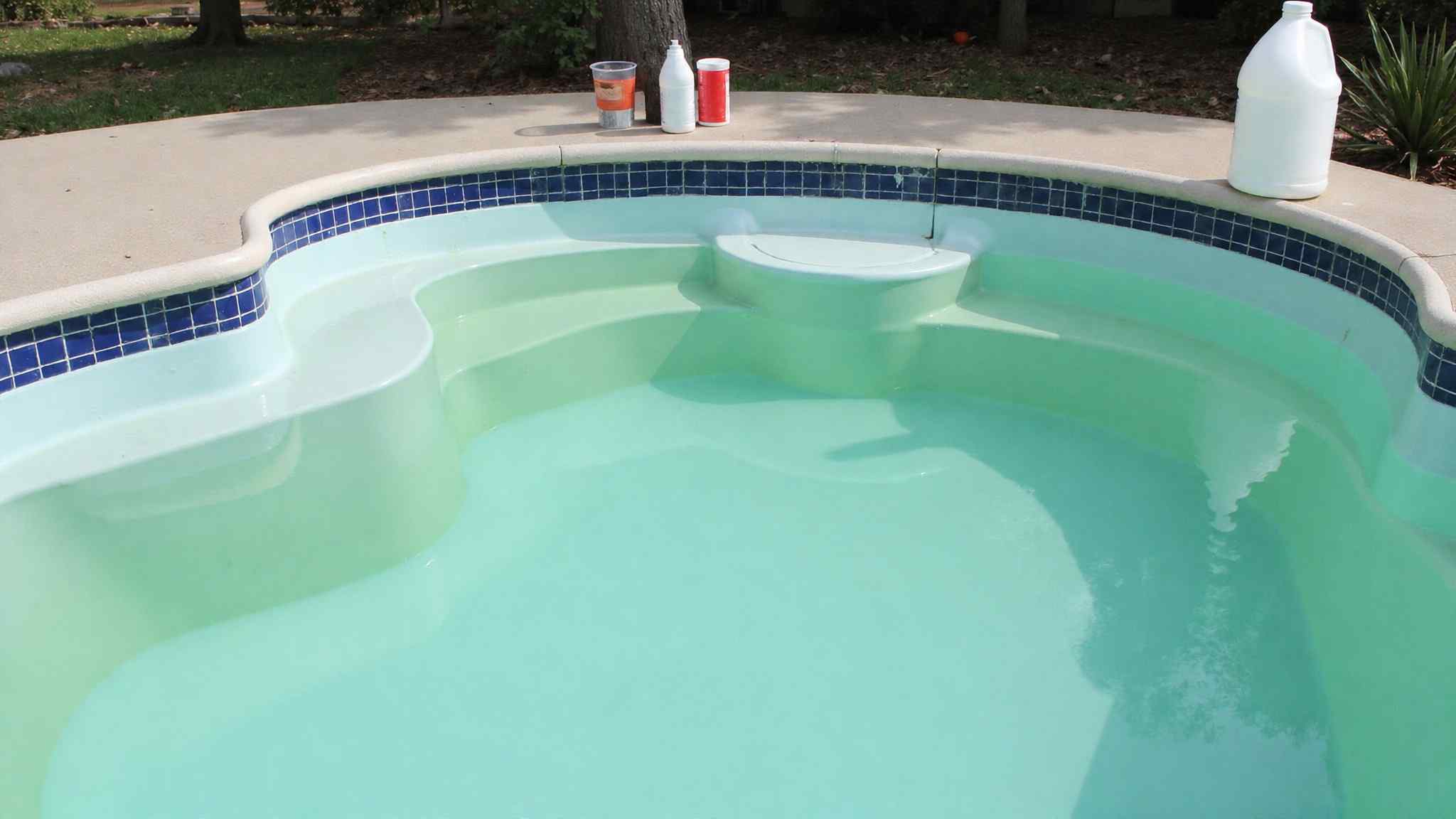
When algae dies, you’ll notice its green color fades, often shifting toward gray, white, or a dull cloudy haze suspended in your water. Don’t assume that faded color means the job’s done, though. Dead algae can linger even after visible green disappears, so you’ll still need to brush, filter, and vacuum thoroughly. Keep circulating your water and watch for cloudiness, since suspended particles confirm residue’s still present and requires removal.