
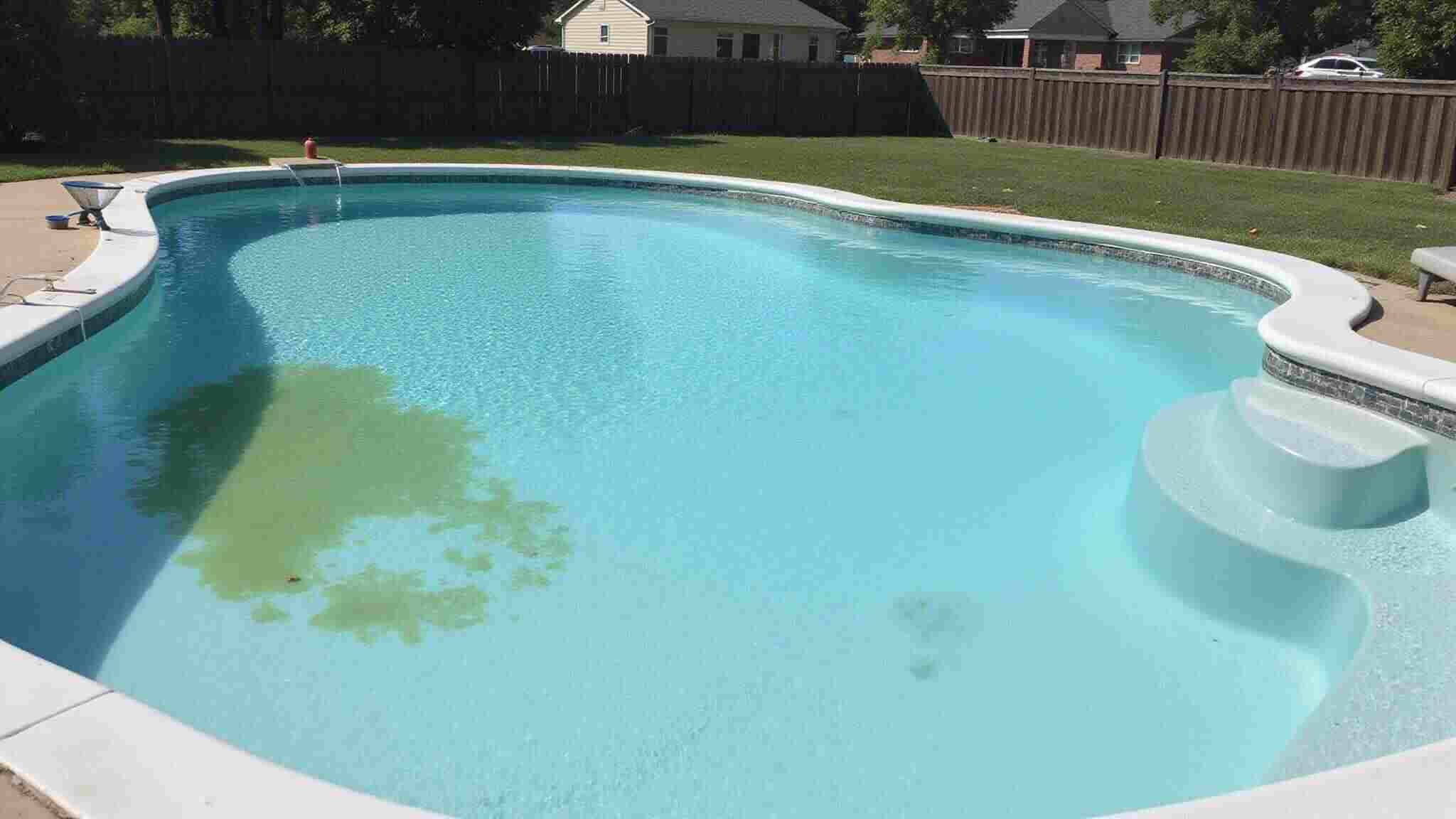
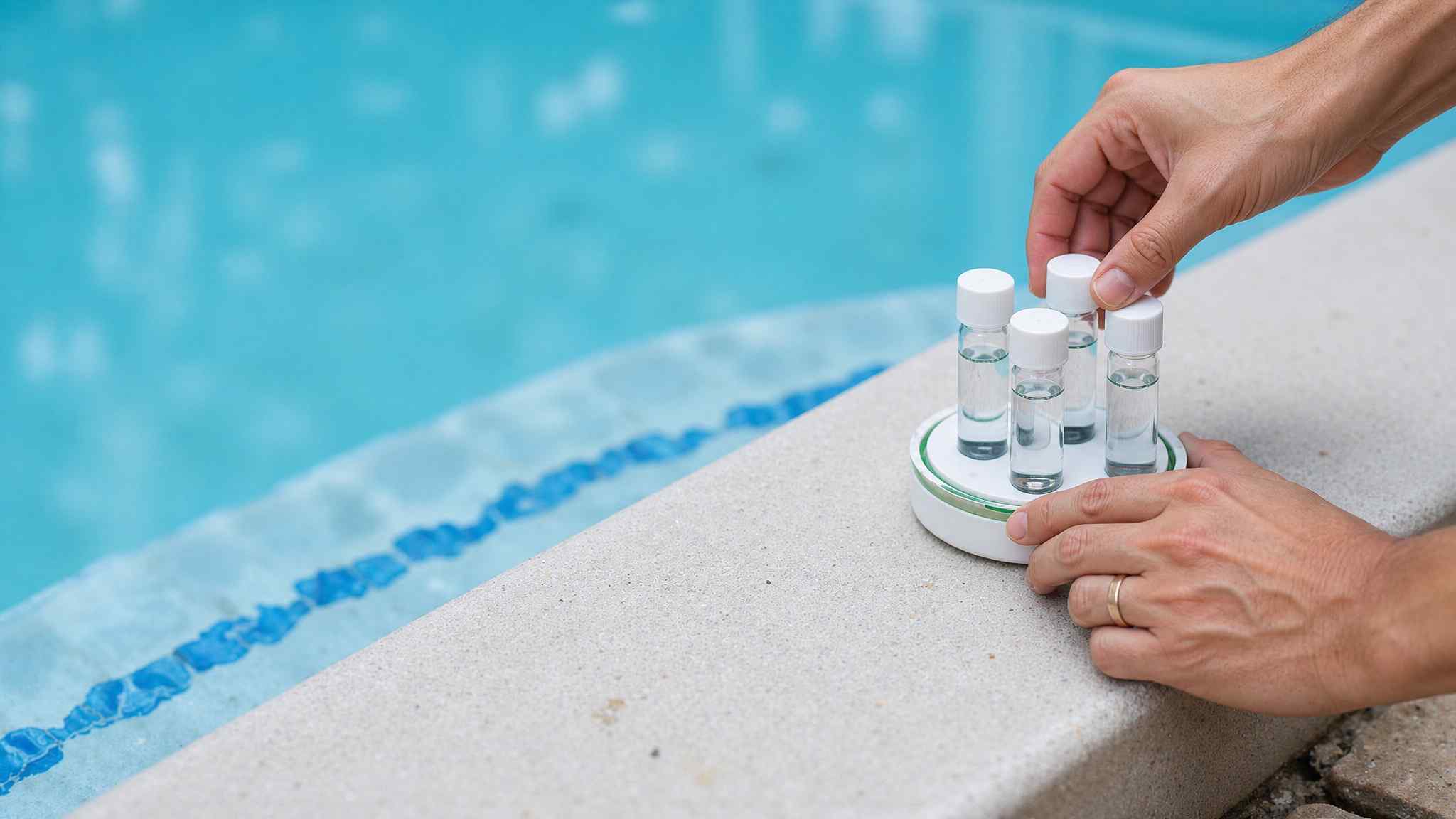
You can beat pool algae naturally by attacking its physical defenses first. Brush every surface (walls, floors, steps, and skimmer areas) to break algae’s protective slime layer. Vacuum immediately to waste so dead algae bypasses your filter. Run continuous filtration for 24 hours during an outbreak, and backwash after heavy trapping. Skim debris regularly to cut the organic load. Repeat these steps consistently, since one pass won’t cut it. There’s more that strengthens your approach below.
Key Takeaways
- Brush every surface (walls, floors, steps, and skimmer areas) to break the protective slime layer shielding algae from removal.
- Vacuum immediately after brushing, ideally to waste, so loosened algae bypasses the filter instead of re-settling.
- Run continuous filtration and circulation, up to 24 hours during outbreaks, to move spores toward capture.
- Use natural additives like 35% hydrogen peroxide (1, 2 quarts per 10,000 gallons) or vitamin C to support removal.
- Prevent regrowth with regular brushing, debris and phosphate reduction, barley straw, and UV-blocking covers that starve algae.
How Do You Get Rid of Algae in a Pool Without Chemicals
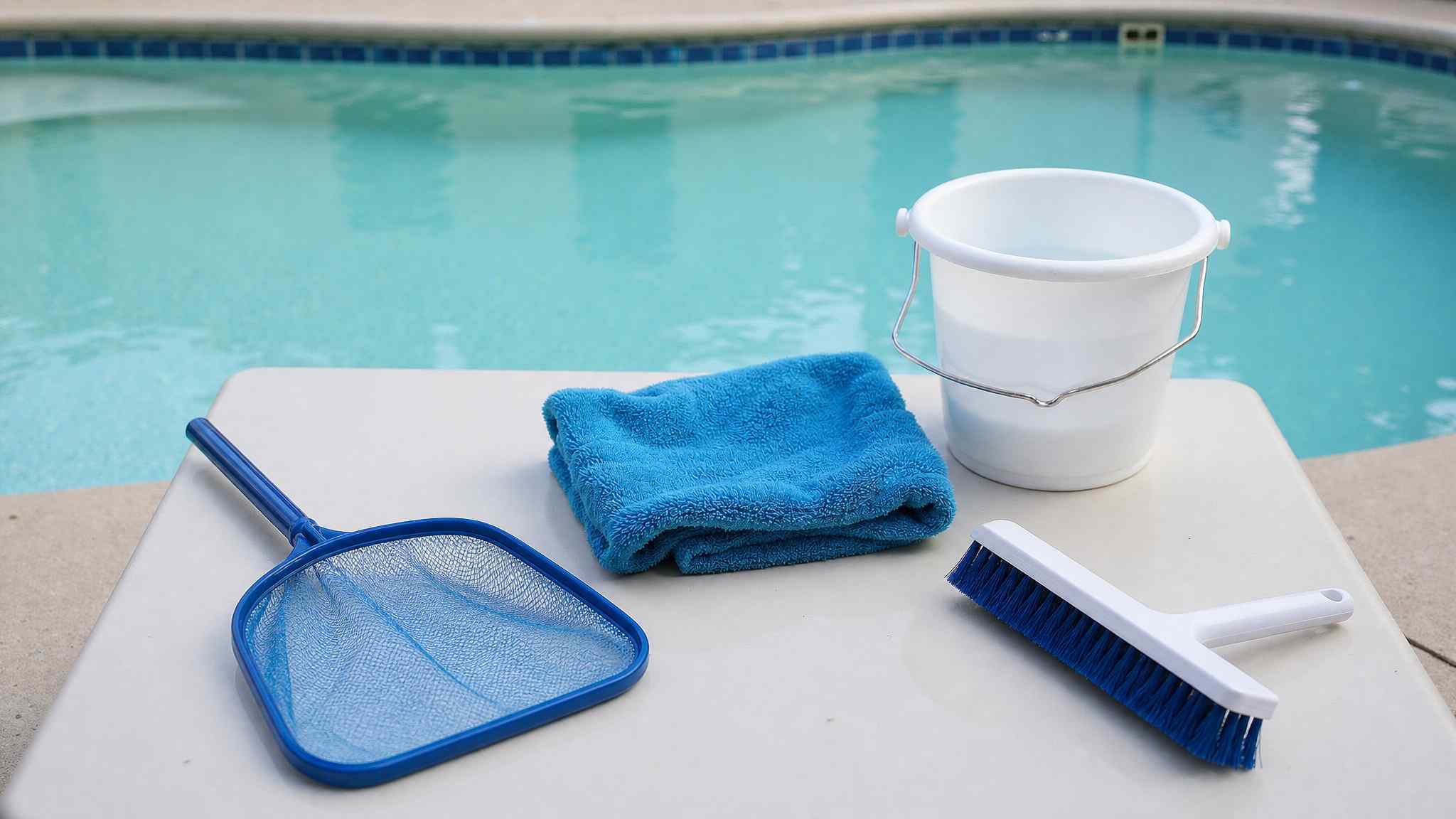
You can get rid of algae in a pool without chemicals by combining brushing, vacuuming, and continuous filtration to physically remove algae and prevent it from spreading. Start with brushing every surface, including walls, floors, steps, and skimmer areas, to break up the protective slime layer algae forms on rough or shaded spots. Vacuum immediately, ideally to waste, so dead algae bypasses your filter and won’t clog it. Next, prioritize filtration: run continuous circulation, 24 hours during an active outbreak, to keep spores moving toward capture. Clean or backwash your filter afterward, since it’ll trap heavy organic matter. These natural methods work best combined, brushing, vacuuming, and filtration together outperform any single step. Skim debris regularly to starve future growth.
What Natural Methods Actually Remove Pool Algae
Hydrogen peroxide, vitamin C, tea tree oil, vinegar, and opaque UV-blocking covers can help remove pool algae naturally. Start by brushing walls, floors, and shaded areas to disrupt the slime layer, then vacuum to waste so dead algae bypasses your filter. Run circulation 24 hours during active outbreaks. Follow up with targeted natural treatments:
| Natural Method | Application Rate |
|---|---|
| Hydrogen peroxide (35%) | 1, 2 quarts per 10,000 gallons |
| Vitamin C / ascorbic acid | 1 lb per 10,000 gallons |
| Tea tree oil | 1, 2 oz per 10,000 gallons weekly |
| Vinegar | Spot-treat surfaces, equipment |
| Opaque cover (UV block) | Starves algae in days |
For prevention, block UV light and remove phosphates. Combine methods, no single treatment cures severe growth alone.
How Do Brushing and Manual Removal Help
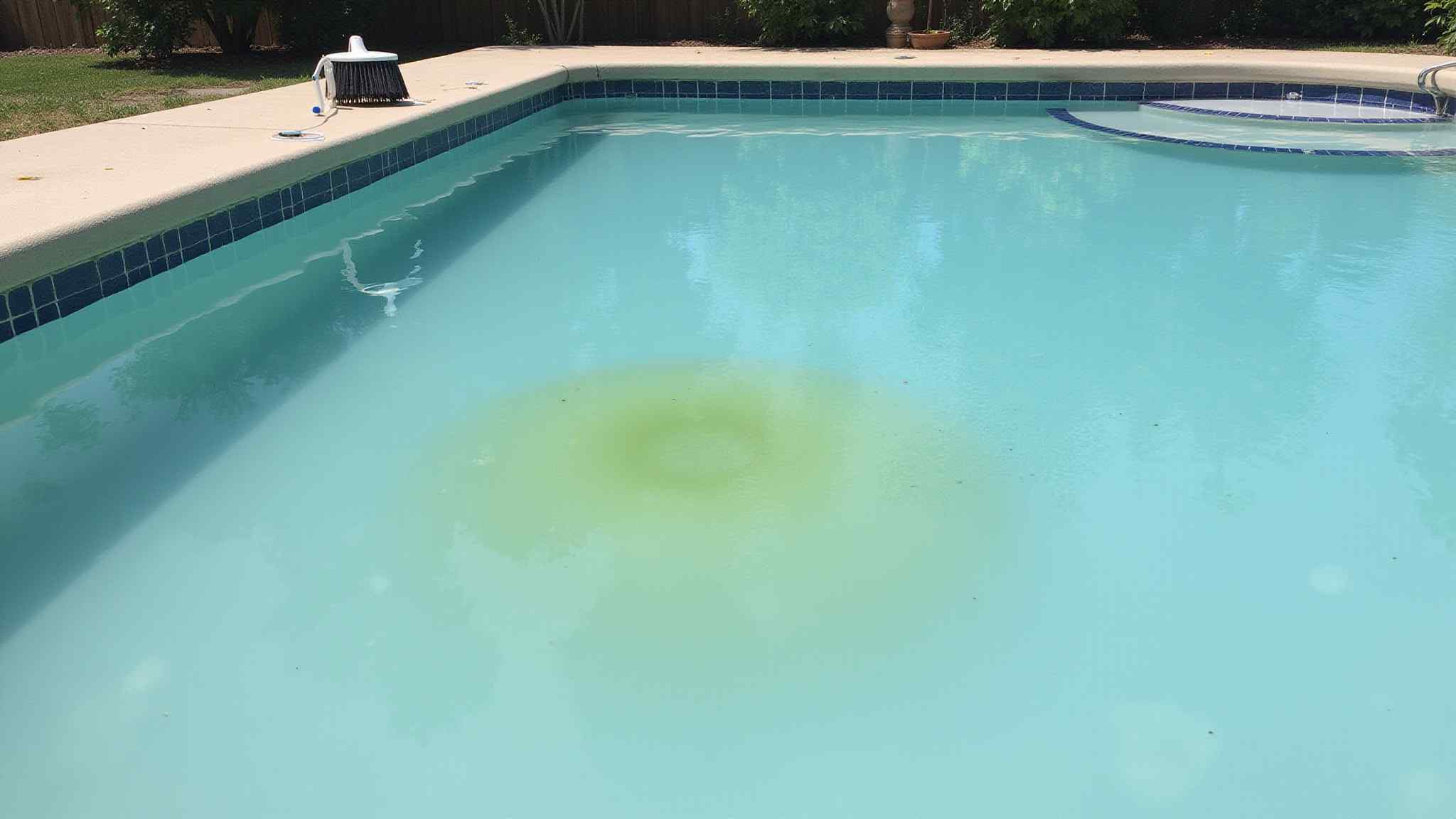
Brushing and manual removal help by breaking the protective slime layer that shields algae from sanitizers. Brushing your pool walls, floor, steps, and skimmer areas disrupts that slime, exposing the algae so your natural sanitizers can reach it. Focus on rough or shaded surfaces, where algae clings most strongly.
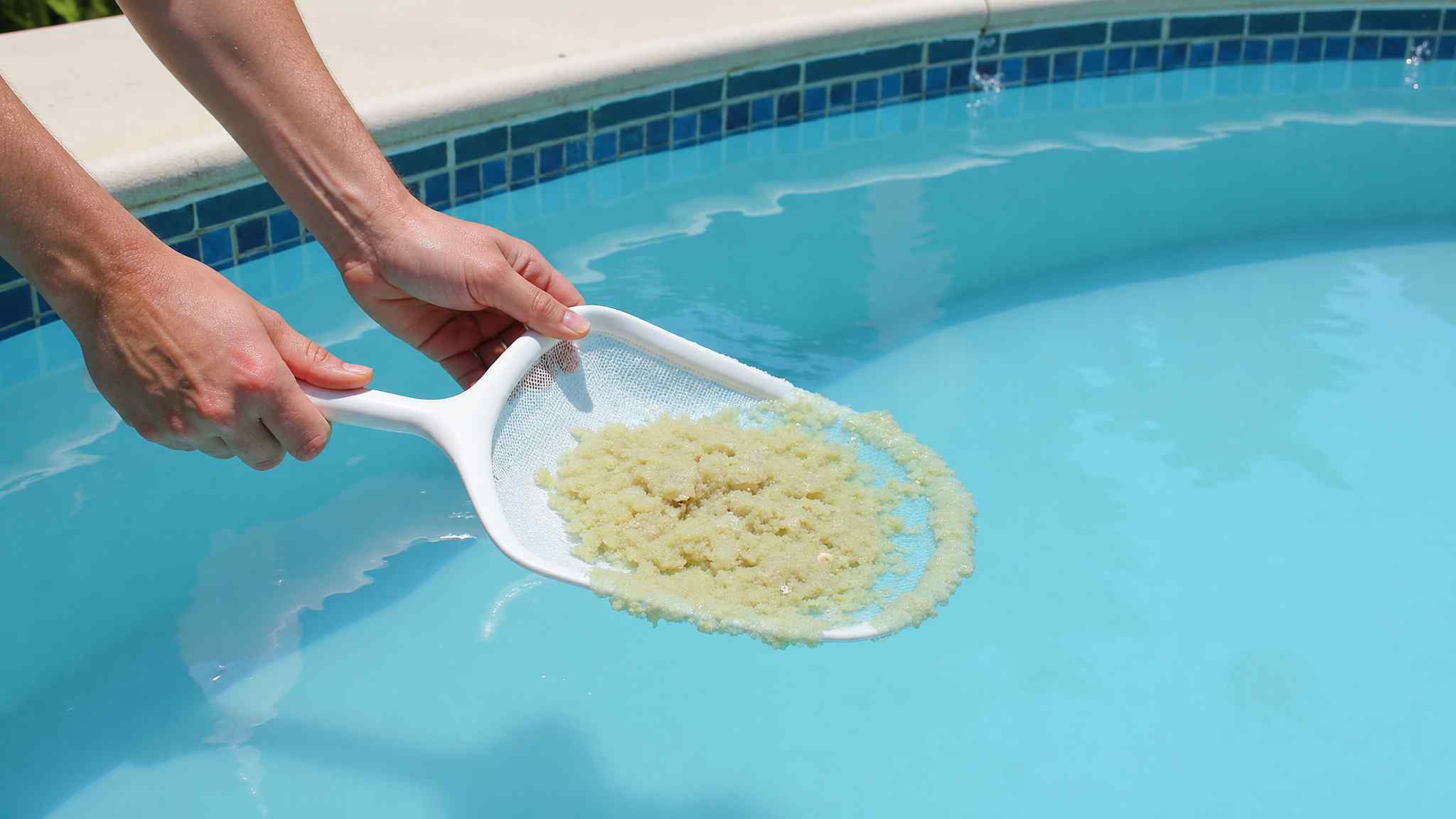
Vacuum immediately after loosening algae so the debris doesn’t resettle. For heavier outbreaks, vacuum to waste, routing dead algae around your filter to prevent clogging. Skim floating debris regularly to cut the organic load that feeds regrowth.
Don’t treat brushing as a one-time task. Combine it with circulation, filtration, and balanced water for reliable results. Deep-clean surfaces consistently, since manual removal is your foundation for every natural approach.
Can Ultrasonic or Robotic Cleaners Clear Algae
Ultrasonic or robotic cleaners cannot clear algae on their own. Robotic cleaners scrub and vacuum floors and walls, lifting loosened debris, but they can’t break algae’s protective slime layer the way targeted brushing does. Use one after you brush, so it captures the material you’ve dislodged rather than relying on it to clear a live outbreak. Ultrasonic devices claim to disrupt algae cells, yet the research here doesn’t support them as a standalone cure. Treat both as supplements to circulation, filtration, and water balance. For best results, brush first, run the cleaner second, then re-test and filter. Neither tool removes phosphates or nutrients, so you’ll still need debris control and consistent maintenance afterward.
How Do Natural Additives Like Baking Soda Work
Natural additives like baking soda work by stabilizing your water so sanitizers can work more effectively. Baking soda does not kill algae directly. When your pH and alkalinity drift out of range, algae grows more easily and natural sanitizers lose effectiveness. Baking soda raises alkalinity: roughly 1.5 pounds per 10,000 gallons increases it by about 10 ppm. Borax works differently, supporting pH stability while interfering with algae growth. Neither additive cures an outbreak alone, so treat baking soda as one part of a broader plan. Always re-test after each adjustment to confirm pH, alkalinity, and related levels stay stable throughout cleanup. By keeping your water balanced, you create conditions where physical removal, circulation, and filtration deliver far better results.
What Are the Limits of Chemical-Free Algae Removal
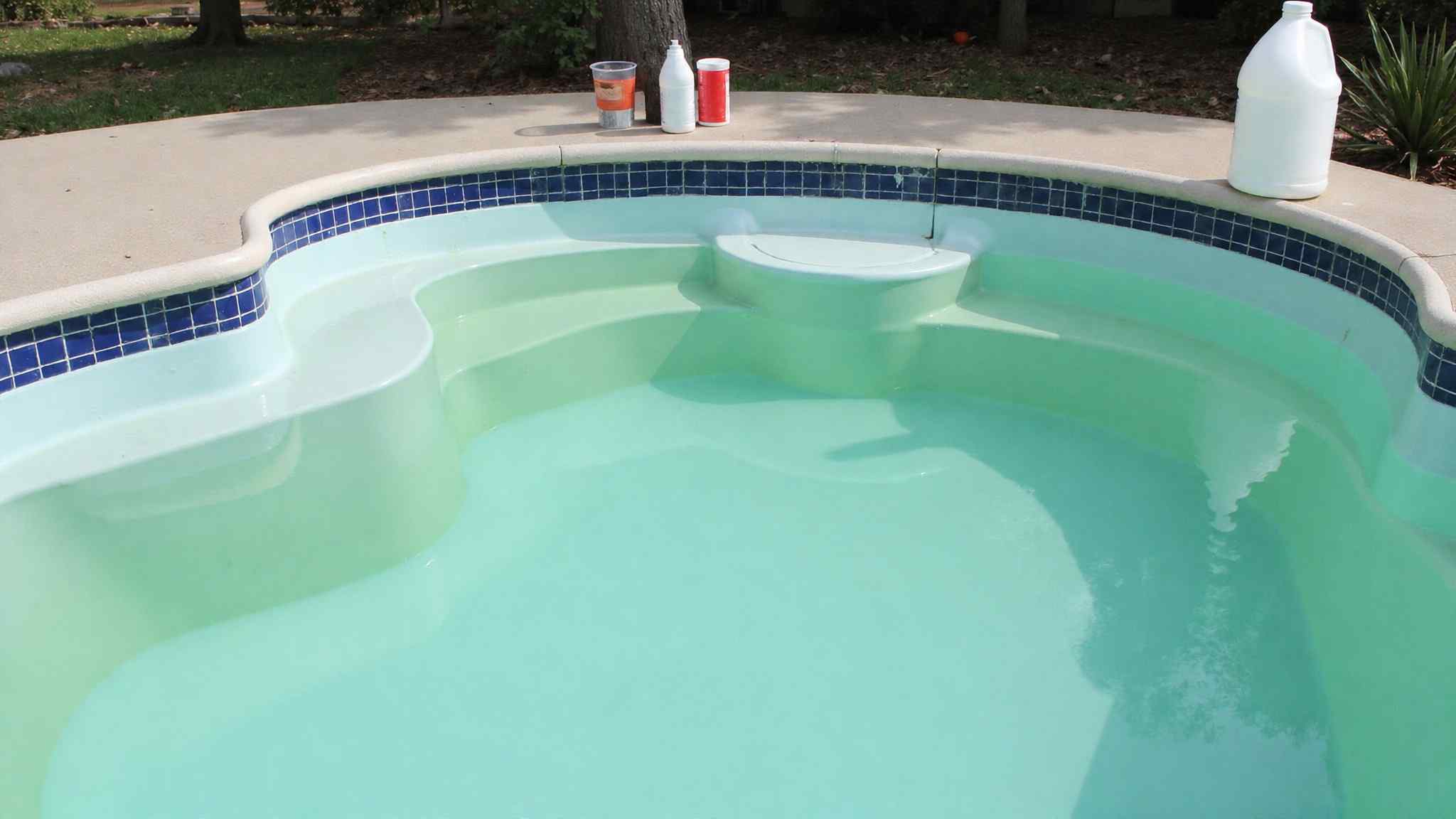
Chemical-free algae removal is limited to prevention and light cleanup, not a full cure for a severe outbreak. When green water takes hold, brushing, vacuuming, and circulation alone won’t eliminate entrenched colonies fast enough. Baking soda won’t kill algae, it only supports balance. Even saltwater systems still rely on chlorine generation, so they’re natural in setup but not chlorine-free in effect. For stubborn or advanced growth, you’ll likely need a non-chlorine oxidizing shock to destroy residual spores after physical removal. Combined methods outperform single ones, so don’t expect any lone natural additive to clear a heavy bloom. Recognize these limits early to avoid prolonged contamination and unsafe swimming conditions.
How Do You Keep Algae Away Without Chemicals
You keep algae away without chemicals by disrupting the conditions it needs to grow. Run your filter 8, 12 hours daily in warm weather to maintain continuous water movement, which prevents algae from settling and multiplying. Brush walls, floors, steps, and shaded areas regularly to break up any slime layer before it establishes. Skim debris and remove organic matter that feeds growth, and consider phosphate removal to strip nutrients. Block UV light with an opaque cover. Algae starves when you deny sunlight for a few days. Add barley straw as a natural preventive, since it releases compounds that inhibit growth. Test your water weekly to keep pH and alkalinity in range. Consistent maintenance, not any single action, is your strongest long-term defense against rebound.
Conclusion
You really can beat pool algae the natural way when you lead with physical removal and stay consistent. Brush every surface to break the protective slime layer, vacuum straight to waste so dead algae skips your filter, run continuous filtration for up to 24 hours during an outbreak, and skim debris to starve future growth. Natural helpers like hydrogen peroxide, vitamin C, an opaque UV-blocking cover, and balanced water (with baking soda holding your alkalinity steady) all strengthen the effort, though no single one cures a heavy bloom on its own. Know the limits, a severe green-out may still need a non-chlorine shock after you’ve done the manual work, and then keep algae gone for good with regular brushing, strong circulation, phosphate and debris control, barley straw, and weekly testing. Stay persistent, and you’ll enjoy clean, clear, naturally maintained water all season.
Choose a Fiberglass Pool That Resists Algae
Algae growth is far easier to control with a smooth-surface fiberglass pool from an authorized installer. At Schiller Pools in Palm City, FL, our experienced team provides trusted San Juan Fiberglass Pools with expert installation and algae-resistant design. Call +1 (561) 475-5997 today and get your free estimate.
Frequently Asked Questions
Is It Safe to Swim in a Pool With Algae?
You shouldn’t swim in a pool with algae. Algae itself isn’t always directly harmful, but it signals poor water balance and weak sanitation, which let harmful bacteria and pathogens thrive alongside it. You’ll also face slippery surfaces that create slip-and-fall hazards, plus reduced visibility that raises drowning risk. Stay out until you’ve brushed, vacuumed, corrected pH and alkalinity, and confirmed clear, balanced water through re-testing before anyone enters.
What Causes Pool Algae to Grow in the First Place?
Algae grows when your water chemistry slips out of range and nutrients accumulate. When you let pH and alkalinity drift, your sanitizers work less effectively, giving spores an opening. Warm water, sunlight, and poor circulation let algae settle and multiply, especially in shaded or rough spots. Phosphates and organic debris feed the growth, while stagnant zones and infrequent brushing let it establish. You’ll see outbreaks accelerate whenever these conditions combine.
How Long Does It Take to Clear an Algae Outbreak Naturally?
You’ll typically need a few days to clear a natural algae outbreak, but timing depends on severity and your consistency. Run your filter 24 hours during the active outbreak, brush all surfaces daily, then vacuum to waste to protect your filter. Balance your water first, re-testing after each adjustment. Blocking sunlight with an opaque cover can starve algae within a few days. Severe outbreaks won’t clear as quickly, so stay persistent.
What Are the Different Types of Pool Algae?
Whatever type you’re facing, you’ll want to identify how strongly it clings and where it settles, since algae grips rough, shaded surfaces hardest. Brush thoroughly, vacuum, and rebalance your water for safe, effective cleanup.
Can Algae Damage My Pool Surfaces or Equipment?
Yes, algae can damage your pool surfaces and equipment if you let it linger. It forms a protective slime layer that clings to rough or shaded areas, staining and degrading walls, floors, and steps over time. It also feeds on organic matter and clogs your filter with dead debris. You’ll want to brush affected surfaces, vacuum to waste, and clean your filter promptly to protect your pool’s integrity.