What Makes Cocktail Pools Different From Standard Pools?
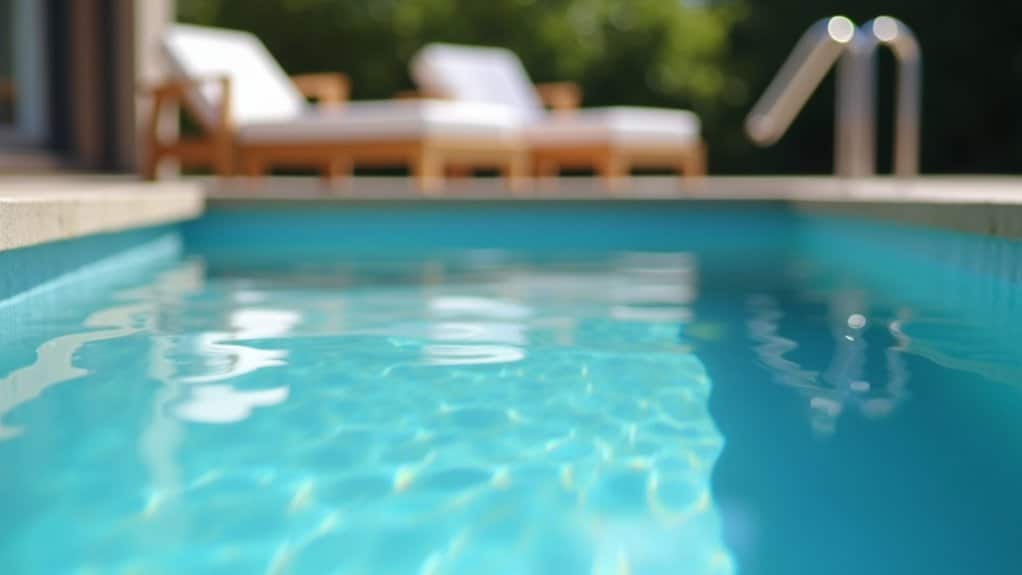
While standard pools prioritize lap swimming and recreational space, cocktail pools focus on style, ambiance, and social functionality. You’ll find these compact pools measure under 14 feet long with depths of three to four feet, too shallow for diving but ideal for lounging. Built-in seating, tanning ledges, and decorative water features come standard. These pools are also known as “spools,” combining spa and pool functionality into one compact design.
While standard pools prioritize lap swimming and recreational space, cocktail pools focus on style, ambiance, and social functionality. Understanding what is considered a cocktail pool helps clarify why these compact designs typically measure under 14 feet long with depths of three to four feet, too shallow for diving but ideal for lounging. Built-in seating, tanning ledges, and decorative water features come standard. These pools are also known as “spools,” combining spa and pool functionality into one compact design.
A fiberglass cocktail pool or prefab cocktail pool offers faster compact pool installation compared to traditional builds. You’ll spend less on chemicals and maintenance due to reduced water volume. A small fiberglass pool heats quickly and requires minimal equipment space. Their compact size also makes them economical to heat year-round in many climates.
These pools integrate seamlessly near outdoor kitchens and entertainment areas. Their compact size makes them ideal for small backyards or urban environments where space is at a premium. You’re investing in a social hub rather than an exercise facility, perfect for hosting guests while managing costs effectively.
Where Cocktail Pools Fit: Patios, Small Yards, and Urban Lots
Cocktail pools excel in tight spaces where traditional pools won’t fit. You’ll find dimensions ranging from 8×5 feet to 13×7 feet, occupying roughly one-third of your yard while preserving functional outdoor space. Standard depths of 46 inches accommodate lounging directly from patio edges.
For urban lots, these pools stay under 300 square feet, preventing them from monopolizing your backyard. An above ground cocktail pool offers maximum flexibility when excavation isn’t feasible or budget constraints exist. Semi-inground installations work well adjacent to existing patios or decks.
You can integrate these compact pools with surrounding seating areas, fire features, and landscaping. Volumes between 400 and 700 cubic feet maximize your limited square footage without sacrificing water capacity. Quick installation, often ready within days, minimizes disruption to your property and reduces labor costs considerably. StainlessSwim offers pool sizes from 9′-21′ to accommodate various space requirements. Their smaller size also enables efficient heating systems that allow you to enjoy your pool throughout all seasons. You can also choose from various materials including concrete, fiberglass, cedar, copper, and vinyl liner to match your budget and aesthetic preferences.
Fiberglass vs. Prefab Concrete: How Cocktail Pool Materials Compare
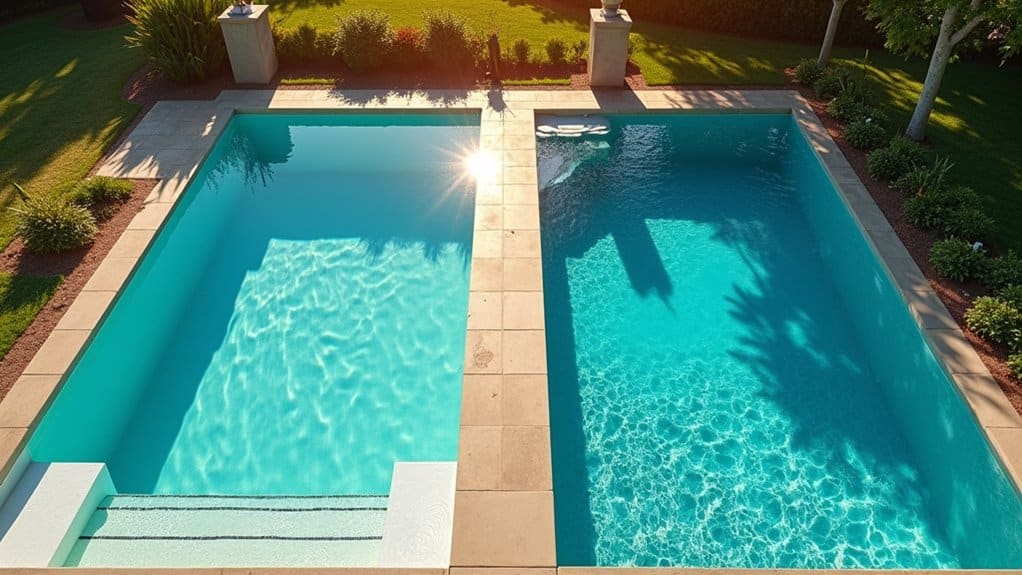
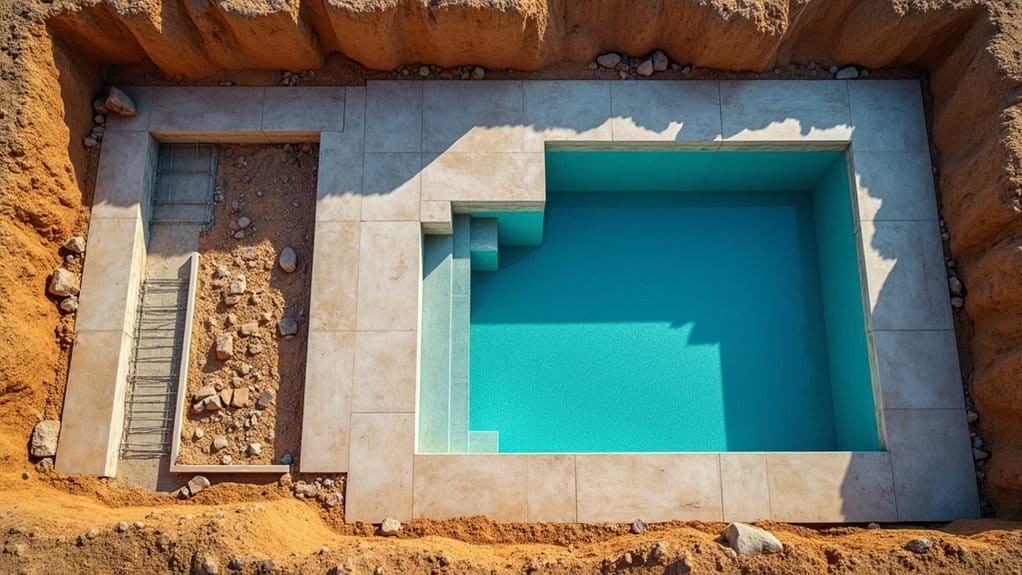
When you’re deciding between fiberglass and prefab concrete for your cocktail pool, installation timelines create the starkest contrast. Fiberglass models install in 2-3 weeks and can be swim-ready within 3 days after delivery. Prefab concrete requires 3-5 months for excavation, steel reinforcement, curing, and finishing.
Fiberglass pools go from delivery to swim-ready in just 3 days, concrete installations stretch across 3-5 months.
Durability differences affect long-term costs considerably. Fiberglass carries 25-year structural warranties with gelcoat finishes lasting the pool’s lifetime. Concrete pools can exceed 50 years but demand resurfacing every 10-15 years.
Your maintenance budget favors fiberglass, 10-year costs run approximately half of concrete pools. Fiberglass’s non-porous surface resists algae growth, requiring fewer chemicals and less brushing. Concrete’s porous plaster needs rigorous cleaning and continuous chemical monitoring. Fiberglass pools are also fully saltwater-compatible, while concrete surfaces may experience structural deterioration from salt exposure. Fiberglass pools also retain heat up to 8 degrees better than concrete, reducing ongoing energy costs for temperature maintenance.
For sizes exceeding 16 feet wide or 40 feet long, concrete remains your only option. Shipping logistics also differ dramatically, as a 20-foot fiberglass pool weighs around 3,000 pounds compared to a precast concrete pool exceeding 20,000 pounds, significantly impacting delivery and equipment costs.
Why Most Cocktail Pool Buyers Choose Fiberglass
Fiberglass dominates the cocktail pool market for practical reasons that directly impact your wallet and schedule. You’ll have your pool installed in 2-4 weeks versus 3-6 months for concrete alternatives. The pre-manufactured shells arrive ready for placement, eliminating extended construction timelines and yard disruption.
Your long-term costs drop substantially with fiberglass. The smooth, non-porous surface resists algae growth, cutting chemical treatments and filtration demands. You won’t face replastering expenses or liner replacements every 5-10 years. The non-porous shell also keeps pH levels stable longer, giving you crystal-clear water without constant chemical balancing. These pools also require less time to maintain than conventional pools, freeing up your weekends for actual enjoyment.
Durability adds measurable value. Fiberglass flexes with ground movement, reducing crack risks that plague rigid materials. The shell maintains structural integrity for decades, often outlasting your home residency. With a lifespan of 20-30 years or more, your investment provides lasting value that few other pool types can match. Built-in features like tanning ledges and benches come standard, while superior insulation properties lower heating costs and extend your swimming season.
Cocktail Pool Costs From Purchase to First Swim
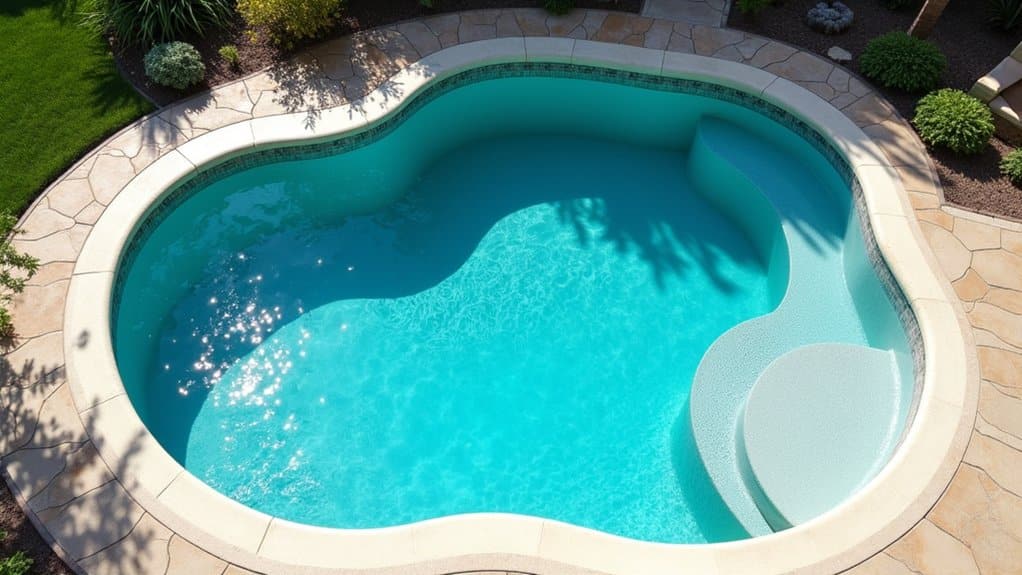
Because cocktail pool costs vary dramatically based on construction type, understanding your full investment before breaking ground prevents budget surprises. Fiberglass cocktail pools run under $50,000 for full-sized options, while vinyl liner versions cost less. Traditional above-ground kits start at $3,000, though semi-inground models represent the highest above-ground investment. Premium custom cocktail pools can range from $85,000 to $250,000 depending on features like stone, slate, tiling, benches, heaters, and automatic covers.
Cocktail pool costs range from $3,000 for above-ground kits to under $50,000 for fiberglass, know your budget before building.
Installation expenses scale with complexity:
- Intex steel frame pools install in 1-2 hours with minimal dirt work
- Traditional above-ground pools complete in one day, DIY or professional
- Semi-inground pools require 3-5 days plus site prep and electrical
- Done-for-you cocktail pool installations average at least $25,000
- StainlessSwim models install in days without heavy excavation
You’ll save on startup costs because smaller water volumes reduce fill, heating, and chemical expenses. Shallow 3-5 foot depths minimize your initial water and treatment outlay enormously. Traditional above-ground pools offer a 15-20 year lifespan with proper maintenance, making them a cost-effective long-term investment despite higher upfront costs than inflatable options.
Fiberglass Durability: Decades of Use, Not Years
Your upfront investment matters, but long-term value depends on how many years you’ll actually use your cocktail pool before major repairs or replacement.
Fiberglass cocktail pools deliver 25-30 years of service on average, with high-quality models reaching 50+ years through basic maintenance. The single seamless molded structure eliminates leak-prone joints, while multiple composite layers provide both strength and flexibility. A non-porous gelcoat finish resists scratches, algae, and chemical erosion without refinishing. The smooth, non-porous surface also makes routine cleaning significantly easier compared to textured concrete alternatives. Manufacturing in a controlled factory environment ensures consistent quality that on-site construction simply cannot match.
You’ll avoid the recurring costs that plague other pool types. Vinyl liners need replacement every 5-9 years. Concrete requires resurfacing every 10-15 years at $10,000 or more. Fiberglass shells withstand UV rays, chlorine, saltwater, and soil pressure while demanding minimal intervention. Proper pH and alkalinity testing preserves your gelcoat for decades, making fiberglass the most cost-effective long-term option.
Cocktail Pool Installation Timelines You Can Count On
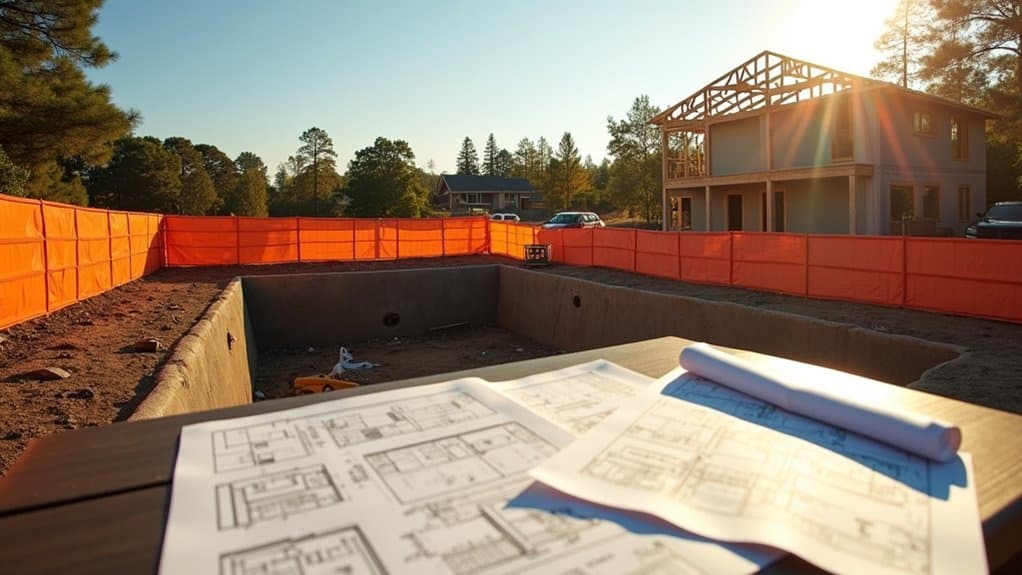
You’ll find fiberglass cocktail pools offer the fastest path from excavation to swim-ready, with most installations completing in 2-4 weeks once permits are secured. Weather conditions can extend your timeline, particularly during excavation and backfill phases when rain or freezing temperatures halt work. Plan for the permitting process to add 1-10 weeks upfront, but once ground breaks, you’re often swimming within days of shell placement.
Fast Fiberglass Installation
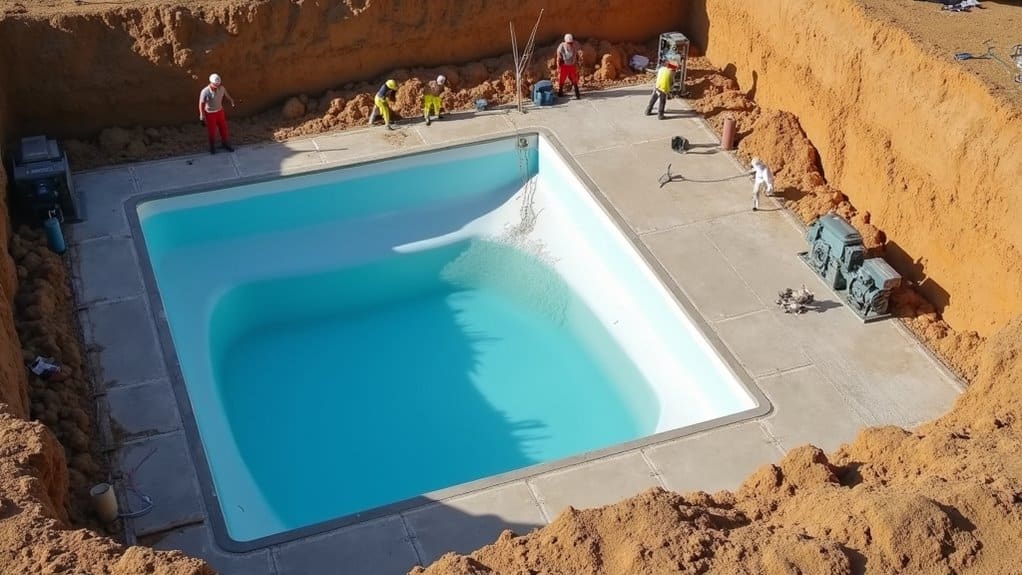
When you’re working with a tight schedule, fiberglass cocktail pools deliver the fastest installation timeline in the industry, typically 2 to 6 weeks from excavation to completion. Compare this to concrete pools at 8, 12+ weeks, and you’ll see significant labor cost savings.
Your installation breaks down into manageable phases:
- Excavation and site prep: 1, 3 days for digging and gravel foundation
- Delivery and placement: 1, 2 days, often completed same-day with crane
- Backfilling and water filling: 3 days for shell stabilization
- Plumbing and electrical: 3, 5 days for equipment connections
- Decking installation: 2, 5 days depending on materials
Pre-fabricated shells arrive with built-in steps, ledges, and finished surfaces, eliminating on-site construction time. You’ll reduce labor hours and get swimming faster without sacrificing structural quality.
Weather Impact Considerations
Weather conditions directly control your installation timeline, and understanding seasonal impacts helps you plan realistic project schedules. Mid-spring to early fall offers your best installation window in the Midwest, with moderate temperatures and lower humidity reducing delays.
| Weather Condition | Installation Impact |
|---|---|
| Heavy Rain | Waterlogged soil delays excavation |
| Extreme Heat | Disrupts curing and chemical balance |
| Freezing Temps | Halts excavation completely |
| Strong Winds | Compromises equipment safety |
| Mild/Dry | Ideal for all installation phases |
You’ll face higher costs if weather forces work stoppages or requires protective measures like insulated blankets and site covers. Schedule excavation during stable weather periods to avoid foundation instability. Fiberglass handles freeze-thaw cycles better than concrete, making it cost-effective for variable climates.
Swim-Ready in Days
Once your weather window aligns and permits clear, fiberglass cocktail pools move from excavation to swim-ready in three to five weeks, a fraction of the two to three months concrete demands. Pre-manufactured shells eliminate custom fabrication delays, while smaller footprints reduce excavation scope.
Above-ground cocktail pools compress timelines further, completing in two to three days when excavation restrictions apply.
Installation Timeline Breakdown:
- Excavation and shell placement: 1, 3 days
- Plumbing and electrical: 3, 7 days based on feature complexity
- Backfill and water stabilization: same day as placement
- Coping and deck installation: 1, 3 weeks depending on materials
- Final inspection and finishing: 2, 14 days
You’ll avoid months-long construction disruptions while maintaining budget predictability. Vinyl alternatives offer a middle ground at ten days, though fiberglass delivers superior long-term durability.
Seating, Jets, and Add-Ons Worth the Upgrade
You’ll find built-in bench seating standard on many fiberglass models, with the Harmony series offering full-length benches in sizes up to 23’0″x9’6″ for maximum capacity. Heated spa jets come integrated in larger options like the Palladium Plunge, combining hydrotherapy with social lounging at depths under 5 feet. LED lighting, cup holders, and umbrella pole sleeves round out the upgrades that transform a basic cocktail pool into a functional entertaining space.
Built-In Bench Seating
Built-in bench seating comes standard with most fiberglass cocktail pools, eliminating the extra costs you’d face with concrete pool add-ons. Prefab shells incorporate benches directly into the manufacturing process, so you’re not paying premium prices for custom work. These integrated seats double as storage solutions in compact designs and create natural conversation areas.
The fiberglass construction offers practical advantages for bench seating:
- Non-porous surfaces resist algae buildup, reducing cleaning time
- Smooth gelcoat finishes prevent skin irritation and scrapes
- Slip-resistant designs enhance safety during entry and exit
- Reinforced shells maintain bench integrity for 25+ years
- Integrated construction withstands ground movement without cracking
You’ll find benches paired with tanning ledges and spa features in many models, maximizing functionality without inflating your budget.
Heated Jet Options
When you’re investing in a fiberglass cocktail pool, adding heated jet systems transforms a simple swimming space into a year-round hydrotherapy retreat. Spa-style jets integrate directly into built-in seating, delivering therapeutic massage in a compact footprint. You’ll need to plan early, jet pipework must be installed during construction, not retrofitted afterward.
For systems under 16 jets, a 4HP pump provides adequate pressure, though you should calculate flow requirements based on distance and head height. Pair jets with electric or gas heaters to maximize functionality; gas units heat small volumes quickly, making them ideal for cold climates.
Expect to pay between $45,000 and $95,000 for cocktail pool projects featuring jets and heating. The smaller water volume keeps energy costs manageable while delivering resort-style relaxation at home.
Lighting and Accessories
Several lighting upgrades deliver both aesthetic appeal and practical safety benefits for fiberglass cocktail pools. LED systems reduce electricity consumption by up to 80% compared to incandescent options while lasting 50,000 to 100,000 hours. You’ll find smartphone-controlled options that let you adjust color, brightness, and speed remotely.
For underwater illumination, fiberglass-specific LED lights operate at 12VAC with just 5-watt power consumption. Fiber optic systems highlight water features and steps without traditional brightness limitations.
Key lighting considerations:
- Hayward ColorLogic fixtures offer 1.5-inch profiles ideal for steps and baja shelves
- Advanced LED systems provide 10 fixed colors and 7 color-changing shows
- Low-voltage installations meet professional safety standards
- Hardscape lights embedded in steps enhance nighttime visibility
- WiFi-enabled kits allow mobile app control for color sequences
Cocktail Pool Maintenance That Won’t Eat Your Weekends
Smaller water volumes mean faster chemical swings, so cocktail pools demand consistent weekly attention, but the actual time commitment stays minimal. Test sanitizer levels and pH once weekly, keeping pH between 7.4-7.6. Add 1/2 to 1 gallon of liquid shock weekly for proper sanitation.
Run your filter 6-8 hours daily for complete water turnover. Clean cartridge filters every 4-6 weeks, or backwash sand filters weekly. Check pump and skimmer baskets weekly, more often if trees surround your pool.
Skim the surface daily, brush walls weekly, and vacuum to reduce contaminant buildup. Inspect for cracks, stains, and algae during monthly checks.
Fiberglass cocktail pools require less maintenance than concrete or vinyl alternatives, cutting both time and long-term costs. Establish a consistent weekly ritual to prevent imbalances and keep maintenance under control.
Which Cocktail Pool Type Fits Your Backyard Best?
How quickly do you want to be swimming? Fiberglass cocktail pools get you water-ready within 2-4 weeks, while gunite alternatives demand 3-6 months. If excavation isn’t feasible, above-ground prefab options eliminate extensive groundwork entirely.
Consider these factors when selecting your pool type:
- Budget range: Fiberglass starts at $40,000-$85,000; gunite begins at $60,000
- Space constraints: Fiberglass maxes out at 16 feet wide with pre-engineered dimensions
- Maintenance tolerance: Nonporous gelcoat surfaces cut chemical costs and algae treatments
- Long-term expenses: Precast concrete needs resurfacing every 8-15 years
- Installation timeline: Prefab delivery-to-swim can happen in 3 days
Your backyard’s footprint, soil conditions, and access points ultimately determine which construction method delivers the best value for your investment.
Frequently Asked Questions
Can Cocktail Pools Be Heated for Year-Round Use in Colder Climates?
Yes, you can heat cocktail pools for year-round use in colder climates. You’ll want to ponder a gas heater for rapid heating regardless of air temperature, or an Arctic inverter heat pump rated to -4°F. For ideal efficiency, you should combine heating systems with solar covers and windproof fencing to minimize heat loss. While gas heaters cost more to function, they’re your most dependable option when temperatures drop drastically.
Do Cocktail Pools Require Special Permits Compared to Standard Swimming Pools?
No, cocktail pools don’t require special permits compared to standard swimming pools. You’ll need the same building permits for installation, demolition, or abandonment. Your submittal must include site plans, electrical layouts, and plumbing details. You’ll also need to meet California’s Swimming Pool Safety Act requirements, including two drowning prevention devices and compliant enclosures. Above-ground options may face additional setback reviews, so check your local ePermitting system for specific requirements.
How Deep Are Cocktail Pools Typically Designed to Be?
You’ll find cocktail pools typically range from 3 feet to 5 feet deep, with most models featuring a flat bottom around 4 to 5 feet. This shallow design keeps excavation costs down and reduces water volume, which means you’re spending less on chemicals and heating. Sloped configurations offer variable depths from about 3.5 feet to 5.5 feet, giving you flexibility for different activities without the expense of a full-depth pool.
Can Cocktail Pools Be Converted Into Hot Tubs or Spas?
Yes, you can convert your cocktail pool into a hot tub or spa. You’ll need to add jets, a heater, and potentially LED lighting for the transformation. Concrete-lined pools offer the easiest conversion, while fiberglass models require more complex modifications. Expect to upgrade your filtration and heating systems to handle the increased demands. Budget for separate plumbing with a dual-speed pump and resurfacing costs to prevent leaks post-installation.
Are Cocktail Pools Safe for Children and Non-Swimmers?
Cocktail pools require strict safety measures for children and non-swimmers. You should install a four-sided isolation fence, which reduces drowning risk by 83 percent. Assign a dedicated Water Watcher since drownings happen silently, children sink quickly without splashing. Add compliant drain covers, pool alarms, and safety barriers for layered protection. Consider swimming lessons as a cost-effective investment. Remember, children under five face the highest risk, and most incidents occur in residential backyard settings.