
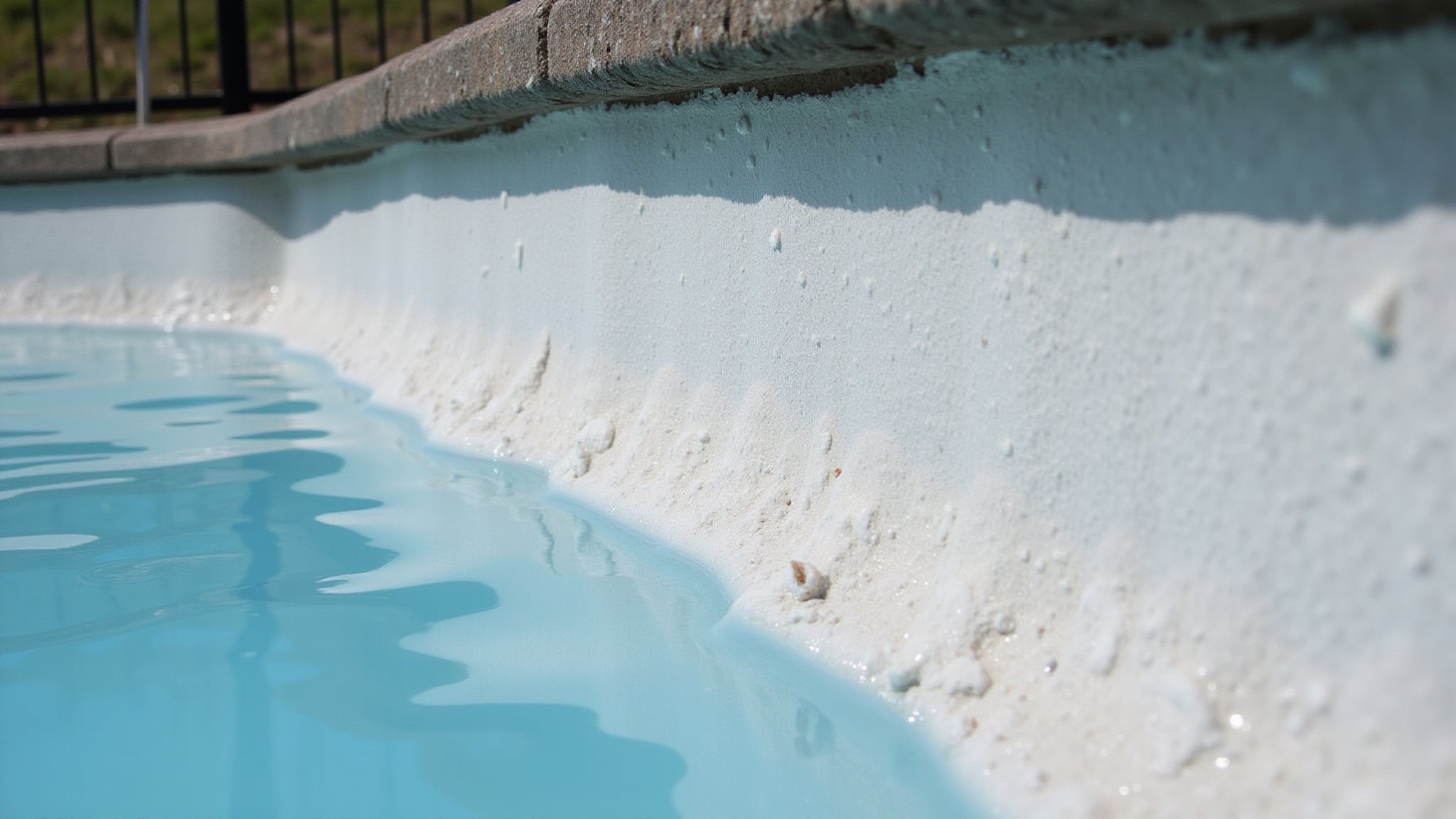
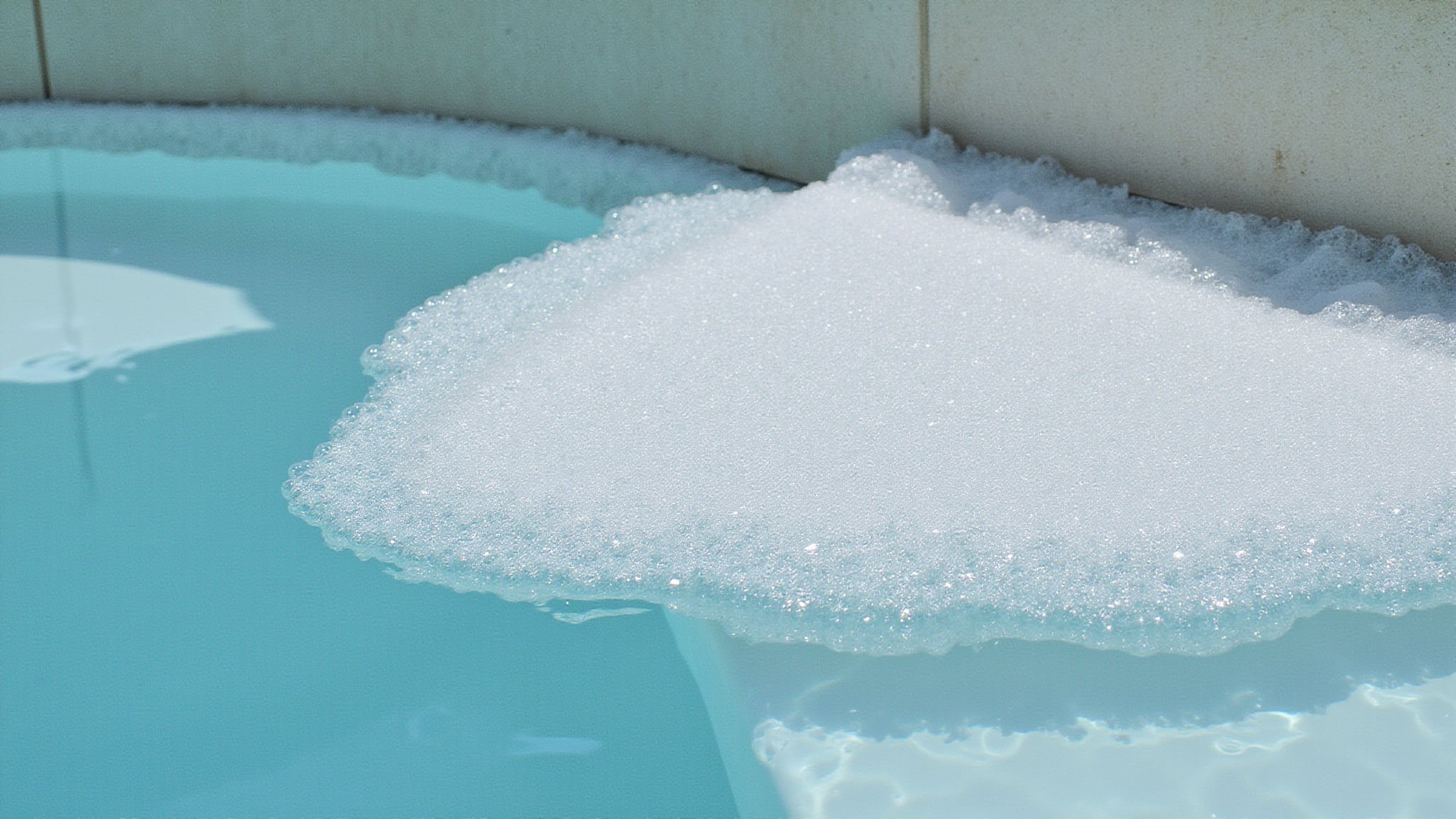
Pool shock is a concentrated oxidizer that raises your free chlorine to 10 times the combined chlorine level, a threshold called breakpoint chlorination. You’ll need to shock when chloramines exceed 0.5 ppm, algae appears, or free chlorine drops below 1 ppm. Apply shock after sunset, pre-dissolve granules in a bucket, and run your pump for 8-24 hours. Understanding the specific shock types and troubleshooting techniques below will help you master this essential maintenance process.
Pool shock is a concentrated oxidizer that raises your free chlorine to 10 times the combined chlorine level, a threshold known as breakpoint chlorination. Knowing how to shock a pool properly means applying treatment when chloramines exceed 0.5 ppm, algae appears, or free chlorine drops below 1 ppm. For best results, apply shock after sunset, pre-dissolve granules in a bucket, and run your pump for 8, 24 hours to ensure full circulation. Understanding the specific shock types and troubleshooting techniques below will help you master this essential pool maintenance process.
What Is Pool Shock and How Does It Work?
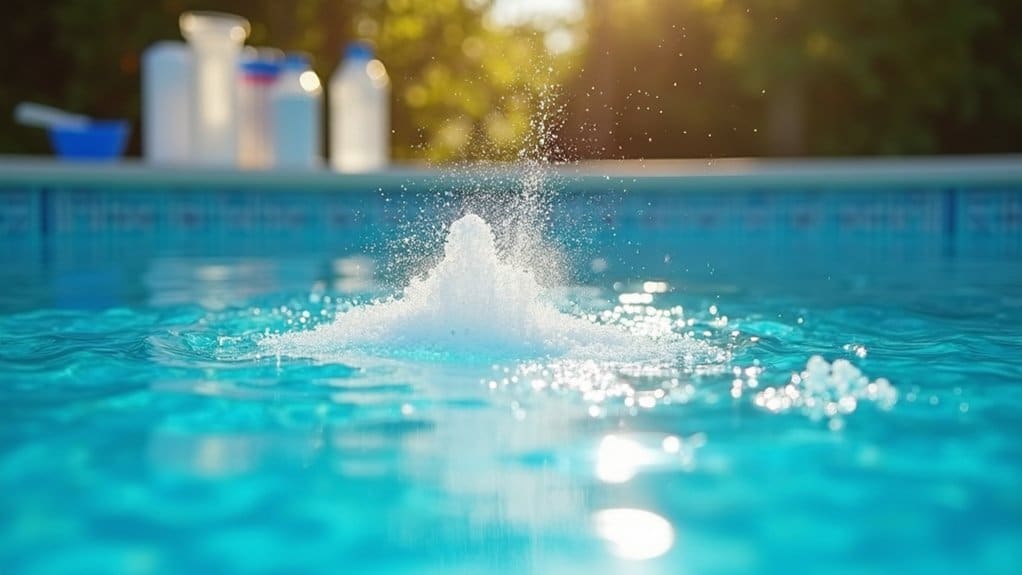
Pool shock kicks in when you add a concentrated dose of chlorine or non-chlorine oxidizer to your water, raising free chlorine levels high enough to destroy contaminants that regular chlorination can’t handle. This shock treatment for pool maintenance targets chloramines, combined chlorine molecules that cause eye irritation and chemical odors. Combined chlorine is a disinfection by-product that forms when chlorine reacts with contaminants like sweat, oils, and organic matter.
The process works through breakpoint chlorination, requiring 10 times the combined chlorine level in parts per million. When you apply chlorine shock at approximately 30 ppm, you’ll break the molecular bonds of chloramines and achieve a 3-log reduction, eliminating 99.9% of bacteria and pathogens. This shocking process also effectively kills algae that may be developing in your pool water.
For ideal results, lower your pH to 7.2 before application and run your pump throughout the process. Don’t swim until chlorine drops below 3 ppm. Never mix sodium hypochlorite with calcium hypochlorite as this combination poses an explosion risk.
Signs Your Pool Needs Shocking Right Now
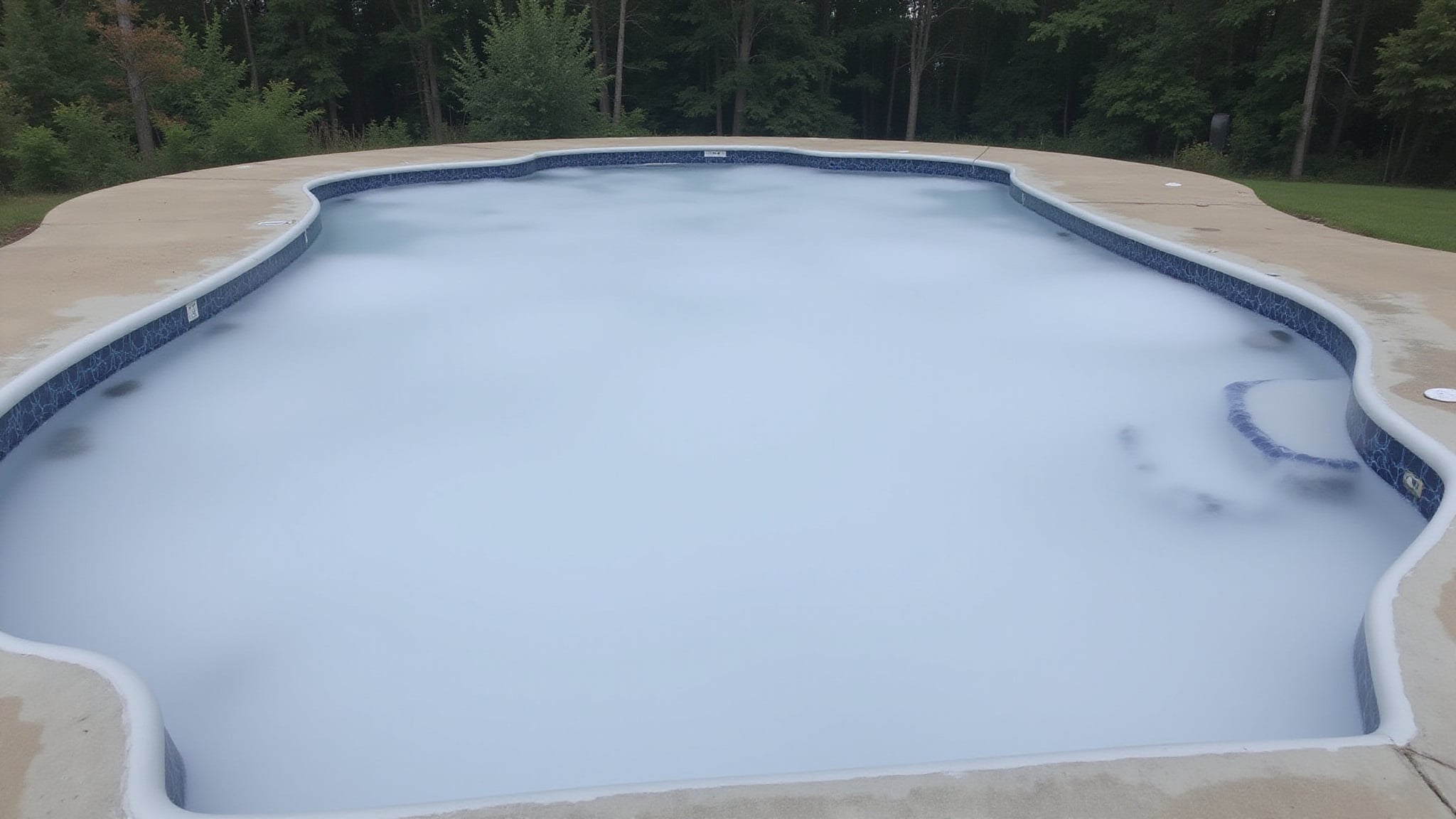
Several unmistakable warning signs indicate your pool requires immediate shock treatment. When you notice cloudy or hazy water that persists despite filtration, you’re dealing with organic contaminants and chloramines that demand pool shock intervention. A strong chlorine smell, contrary to popular belief, signals combined chlorine exceeding 0.5 ppm, not a clean swimming pool. Shocking the pool breaks down chloramines and restores proper water balance.
Visible algae growth, whether green blooms or surface slime, requires immediate pool sanitization through superchlorination. Test your water regularly; free chlorine at zero ppm or below the 1-3 ppm safe range triggers mandatory swimming pool shock treatment. As part of essential maintenance, you should also shock your pool every couple of weeks during swimming season even without visible warning signs.
Environmental factors also dictate shock timing. Heavy rain, pool parties, and hot sunny days introduce bacteria, oils, and debris that deplete chlorine levels. After high bather loads or inclement weather, apply pool shock to restore proper sanitization. Red, irritated eyes while swimming also indicate the presence of combined chlorine that needs to be eliminated through shock treatment.
How Often Should You Shock Your Pool?
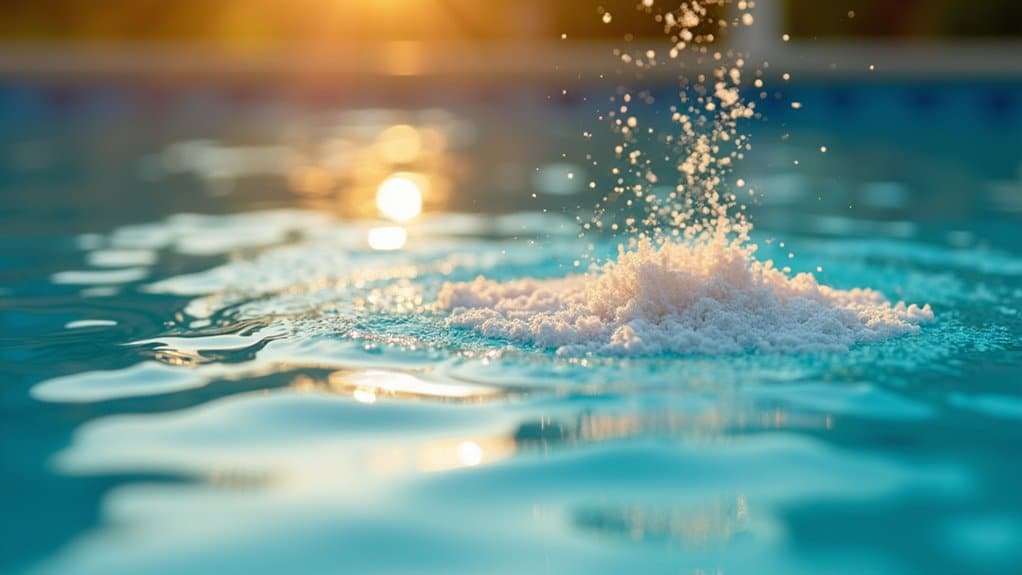
You’ll need to establish a consistent weekly shock routine during peak swimming season to maintain free chlorine levels between 1-3 ppm and prevent algae proliferation. After heavy pool use, particularly following pool parties or high bather loads, you should apply shock treatment immediately to oxidize the accumulated organic contaminants from sweat, body oils, and bacteria. Your seasonal shocking schedule requires double-dosing when opening the pool in spring and adjusting frequency based on environmental factors like extreme heat, heavy rainfall, and direct UV exposure. Heavy rain can dilute your pool’s chemical balance and introduce outside contaminants, making immediate shock treatment necessary. You should also shock your pool as soon as algae growth is noticed to prevent more serious contamination issues from developing. For best results, shock treatment should be added at night since chlorine dissipates faster in direct sunlight and nighttime application allows the chemicals to stay active longer in the water.
Weekly Shock Routine
Maintaining a consistent shock schedule forms the foundation of effective pool sanitation, and most pools require weekly treatment to keep chlorine levels optimal. You’ll want to shock every seven days when your pool sees daily family swimming or frequent swimmer activity. This routine elevates free chlorine concentrations to eliminate organic contaminants, bacteria, and algae before they compromise water quality.
For pools with infrequent use or minimal swimmer loads, you can extend to bi-weekly treatments. However, don’t skip more than two weeks regardless of your sanitation system, whether you’re running chlorine, bromine, saltwater, or biguanide. Monitor your chlorine demand and adjust accordingly. Heavy contamination events require immediate shocking outside your regular schedule. Keep combined chlorine below 0.3 ppm to maintain suitable sanitizing efficiency between treatments. During hot and rainy months, you should increase your shock frequency to weekly regardless of pool usage to combat accelerated bacterial growth and chlorine degradation. Always shock your pool at night since UV rays from the sun can reduce chlorine effectiveness.
After Heavy Pool Use
You’ll need to shock your pool as soon as heavy use ends. The superchlorination process raises chlorine levels above 10 ppm to eliminate accumulated contaminants and break down chloramine bonds. Watch for warning signs: cloudy water, strong odors, or irritated eyes indicate immediate treatment is necessary. Swimming introduces contaminants like sweat, saliva, and suntan lotion that quickly accumulate during parties or gatherings.
After shocking, run your pump for at least 10 hours to guarantee even chemical distribution. Test chlorine levels before allowing swimmers back, wait until readings drop to 4.0 ppm or below for safe re-entry.
Seasonal Shocking Schedule
A consistent shocking schedule maintains preferred sanitizer levels throughout the year. During peak swimming season from June through August, you’ll need weekly treatments to counter intense UV degradation and heavy bather loads. Hot, sunny conditions accelerate chlorine breakdown, making weekly oxidation essential for eliminating chloramines and bacterial contamination. This frequency is especially critical for addressing contaminants like sunscreen and body oils that guests introduce to the water.
In subtropical regions like South Florida, extend your weekly schedule from March through November due to prolonged warm temperatures. High humidity, constant UV exposure, and potential stormwater contamination can degrade water quality faster in these areas. Pools in shaded locations or those experiencing moderate use can shift to bi-weekly treatments during cooler months. Lightly used pools in cooler climates can sometimes go 3-4 weeks between shocks without compromising water quality.
Your seasonal protocol should include an opening shock in early spring to neutralize winter buildup and algae spores. Apply a closing shock in fall before reducing usage. Monitor cyanuric acid levels below 30 ppm, as this threshold indicates increased shocking frequency requirements.
Chlorine vs. Non-Chlorine Shock: How to Choose
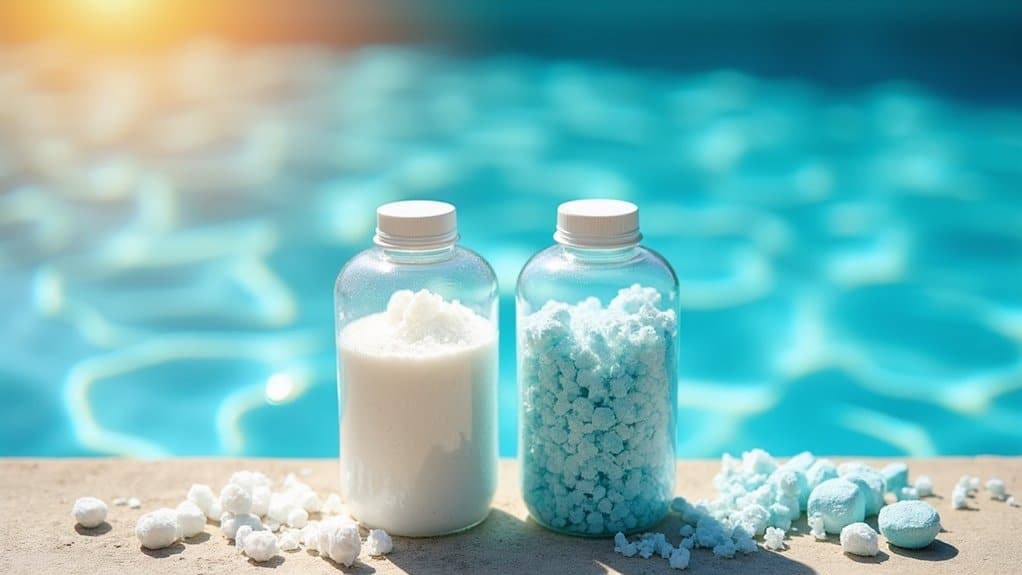
Choosing between chlorine and non-chlorine shock depends on your pool’s current contamination level and chemistry goals. Chlorine shock, containing 55% available chlorine in cal-hypo or dichlor formulations, directly kills bacteria, algae, and pathogens. Use it for severe contamination, algae blooms, or when total chlorine drops below 5 ppm. Note that stabilized types increase cyanuric acid, while cal-hypo adds calcium.
Non-chlorine shock uses potassium monopersulfate to oxidize organic contaminants without adding sanitizer. It converts combined chlorine back to free chlorine when levels exceed 5 ppm. You’ll appreciate the 15-minute re-entry time versus 8-12 hours for chlorine treatments.
Select chlorine shock for heavy contamination requiring pathogen elimination. Choose non-chlorine for weekly maintenance, saltwater pools, or when you’re managing high chloramine levels without disrupting swimmer access.
What’s the Best Time of Day to Shock a Pool?
When should you apply pool shock for maximum effectiveness? Evening or nighttime application delivers ideal results. UV rays rapidly degrade chlorine compounds during daylight hours, diminishing your shock treatment’s sanitizing power before it can eliminate contaminants.
Apply shock after sunset and run your pool pump overnight. This 8-12 hour circulation period allows the chlorine to disperse uniformly throughout the water while avoiding UV-induced degradation. By morning, chlorine levels typically stabilize within the safe 1-3 ppm swimming range.
If you must shock during daytime, add chlorine stabilizer (cyanuric acid) to protect against UV breakdown. However, this approach remains less effective than evening treatment.
After chlorine-based shocking, wait a minimum of 8 hours before swimming. Test free chlorine levels to confirm they’ve returned to safe parameters.
How to Shock Your Pool Step by Step
Before you begin shocking your pool, you’ll need to gather essential safety gear, protective eyewear, chemical-resistant gloves, and old clothing, along with a clean bucket for pre-dissolving granular shock. Calculate your dosage based on the manufacturer’s specifications, typically one pound per 10,000 gallons, to achieve breakpoint chlorination levels. Plan to add the shock at dusk, as UV rays degrade chlorine rapidly and reduce treatment effectiveness.
Gather Your Supplies First
Although shocking a pool seems straightforward, you’ll need specific supplies on hand to execute the process correctly. Start with your chosen shock treatment, cal-hypo (65%, 68%, or 73% concentration), di-chlor (56%), or potassium monopersulfate. Calculate two pounds per 10,000 gallons for standard treatment; green pools require 6, 12 bags.
Gather protective equipment before handling any chemicals. Chemical-resistant gloves and protective eyewear are essential when working with chlorine compounds. You’ll also need a pool brush to distribute shock around edges and prevent product settling on the floor.
Ensure your pump and filter are operational and set to the filter position. Have test strips or a testing kit ready to verify pH levels between 7.2 and 7.6 before application. Proper water balance maximizes shock effectiveness.
Calculate Proper Dosage
With your supplies assembled and water chemistry verified, you’re ready to determine the exact shock quantity your pool requires.
First, calculate your pool’s volume using the formula: length × width × average depth × 7.5. For average depth, add your shallow and deep end measurements, then divide by two.
Next, determine combined chlorine (CC) by subtracting free chlorine from total chlorine. Multiply CC by 10 to find your breakpoint chlorination target. Subtract current free chlorine from this number to identify the required ppm increase.
Apply the dosage formula: (pool volume ÷ 10,000) × (desired ppm change ÷ product’s ppm-per-pound rating). For a 60,000-gallon pool needing 6.5 ppm increase at 2 oz per 10,000 gallons per 1 ppm, you’ll need approximately 5 pounds. Always round up and consult your product’s label for precise instructions.
Add Shock at Dusk
Once you’ve calculated your shock dosage, timing becomes critical for maximum effectiveness. UV rays from sunlight rapidly degrade unstabilized chlorine compounds like calcium hypochlorite, vastly reducing their oxidizing power. By shocking at dusk or after dark, you’ll allow the chlorine to work uninterrupted throughout the night, maximizing contaminant elimination before sunrise.
Dissolve granular shock in a bucket of pool water before adding it to your pool. Pour the solution slowly around the perimeter while walking the pool’s edge to guarantee even distribution and prevent chemical concentration spots. This method avoids localized bleaching of vinyl liners or surface damage.
Run your filtration pump continuously for six to twenty-four hours post-application. Night shocking guarantees full potency for destroying bacteria, algae, and organic matter that routine chlorination can’t address.
How Long After Shocking Can You Swim?
How long should you wait before swimming after shocking your pool? The answer depends on which shock type you’ve used.
For chlorine-based shock, wait a minimum of 8 hours, though 24 hours is recommended. Calcium hypochlorite requires 24-48 hours, while sodium dichlor needs 12-24 hours. Superchlorination treatments demand the full 24-48 hour waiting period.
Non-chlorine shock offers faster turnaround. Potassium monopersulfate allows safe swimming after just 15-20 minutes, with most formulas clearing within 30 minutes.
Before entering the water, test your chemical levels. Free chlorine must register at or below 5 ppm, ideally between 1-4 ppm. Confirm pH sits at or below 7.6. Levels exceeding 10 ppm remain unsafe for swimmers.
Run your pump continuously during the waiting period to guarantee proper chemical distribution throughout the pool.
Pool Shocking Mistakes That Waste Time and Money
Even experienced pool owners make critical errors when shocking their pools, mistakes that destroy equipment, damage surfaces, and waste expensive chemicals.
Never add shock directly to your pool. Concentrated granules sink and bleach vinyl liners, making them brittle and prone to leaks. You’ll also bleach swimsuits, turning black fabrics pink.
Avoid shocking through the skimmer. Calcium hypochlorite or dichlor reacts with chlorine in the automatic chlorinator, producing deadly gas. The confined space can cause filter system explosions.
Don’t shock during daylight hours. UV rays degrade chlorine rapidly, forming irritating chloramines instead of sanitizing your water. Shock at night for maximum effectiveness.
Pre-dissolve granules before adding them. Brush pool surfaces first to expose algae hotspots. Balance pH levels beforehand, improper pH reduces chlorine efficiency greatly. Always wear protective eyewear, gloves, and a mask.
How to Tell If Your Pool Shock Worked
After shocking your pool, you’ll know the treatment worked when cloudy water clears and you can see the shallow end floor within 12-24 hours. Your free chlorine should stabilize between 2-4 ppm after the initial high concentration drops, confirming the oxidation process completed successfully. The absence of a strong chloramine odor indicates you’ve reached breakpoint chlorination, meaning combined chlorine has been eliminated from your water.
Clear Water Returns Quickly
When pool shock treatment works correctly, you’ll notice visible improvements in water clarity within 1-2 hours of application. However, heavily contaminated pools may require extended treatment periods before achieving complete clarity. Water temperature directly impacts reaction speed, warmer water accelerates chemical breakdown while cooler temperatures slow the process.
Several factors influence how quickly your water clears:
- Shock type: Chlorine-based formulas require 6-12 hours of circulation; non-chlorine shock needs only 20-30 minutes
- Initial contamination level: Higher bather loads and organic matter deplete shock effectiveness
- Water temperature: Warmer conditions speed chemical reactions
- Sunlight exposure: UV rays break down chlorine compounds faster
You should run your pump continuously after application to distribute chemicals evenly. Test FAC levels before swimming, they must reach 1-3 ppm for safe entry.
Chlorine Levels Stabilize
Chlorine levels won’t stabilize immediately, you’ll need to wait 6-12 hours of continuous pump circulation before testing yields accurate results. Run your pump overnight after dusk application to prevent UV degradation of active chlorine compounds.
Test your Free Available Chlorine (FAC) using reliable strips or a liquid test kit. Target the 2.0-4.0 ppm range for confirmation that shocking worked effectively. Note that excess residual chlorine can bleach test strips, producing false low readings, retest at 24 hours if results seem inconsistent.
Your pool’s safe for swimming once FAC drops to 1-3 ppm. Several factors accelerate this process: warmer water temperatures speed chemical reactions, while direct sunlight breaks down excess chlorine faster. A strong chlorine odor actually indicates imbalanced chemistry, not high sanitizer levels, properly stabilized water shouldn’t smell harsh.
Chloramine Odor Disappears
That distinctive “pool smell” most people associate with chlorine actually signals a problem, chloramines have accumulated in your water. These compounds form when free chlorine reacts with ammonia, sweat, urine, and body oils from swimmers. A successful shock treatment oxidizes chloramines, eliminating that pungent odor entirely.
After proper shocking, you’ll notice these changes indicating chloramine elimination:
- Odor absence: Clean water produces minimal scent; strong chemical smells disappear completely
- Reduced irritation: Eye stinging, skin itchiness, and respiratory discomfort subside
- Gear freshness: Swimwear, towels, and hair no longer retain lingering chlorine-like odors
- Water clarity: Combined with odor reduction, water appears clearer and more inviting
If the smell persists after 24 hours, you’ll need a double-dose shock treatment to reach breakpoint chlorination and fully destroy remaining chloramine compounds.
When Pool Shock Doesn’t Work: What to Do Next
Sometimes pool shock fails to clear up water issues, and you’ll need to troubleshoot the underlying cause systematically.
When shock treatment disappoints, don’t panic, systematic troubleshooting reveals why your pool isn’t responding as expected.
First, verify your water balance. Test pH levels, anything outside 7.2, 7.4 reduces chlorine efficiency significantly. Check total alkalinity stays between 80, 120 ppm and calcium hardness remains within 200, 400 ppm.
If chlorine depletes within 8 hours, you’re facing high chlorine demand. Triple shock at 3 pounds per 10,000 gallons to destroy chlorine consumers. Guarantee cyanuric acid reads 30, 35 ppm to prevent UV degradation.
Examine your filtration system next. Backwash sand or DE filters when pressure rises. Clean clogged skimmer baskets and inspect pump lid O-rings for air leaks.
Finally, brush algae from walls and run your pump continuously for 24 hours. Remove debris before re-shocking to eliminate interference with treatment efficacy.
Frequently Asked Questions
Can You Use Pool Shock in a Hot Tub or Spa?
You shouldn’t use pool shock in a hot tub. Pool shock contains calcium hypochlorite, which isn’t stable at high temperatures and causes scale buildup in your spa’s plumbing. It’ll also damage equipment and bleach pillows if applied undiluted. Instead, you’ll want to use DiChlor (dichloro-s-triazinetrione), a chlorine shock formulated specifically for hot tubs with neutral pH and quick-dissolving properties, or MPS non-chlorine shock for oxidation without sanitizer addition.
Does Pool Shock Expire or Lose Effectiveness Over Time?
Yes, pool shock does expire and loses effectiveness over time. Granular calcium hypochlorite and trichlor-based shocks last up to five years when you store them in air-tight containers in cool, dry locations below 75°F. However, moisture exposure rapidly degrades potency, turning granules into unusable clumps within months. You’ll notice caking or hardening as key degradation signs. For ideal oxidizing performance, use cal-hypo shock within one season of purchase.
Is Pool Shock Safe for Pets That Drink Pool Water?
Pool shock isn’t safe for pets that drink pool water immediately after treatment. You’re exposing them to concentrated chlorine levels that can cause gastrointestinal burns, vomiting, drooling, and potential collapse. Wait several hours until chlorine normalizes before allowing pet access. Even in balanced pools, excessive consumption risks water intoxication and electrolyte imbalance. Always provide fresh drinking water nearby and supervise pets to prevent them from lapping chemically treated water.
Can You Mix Different Brands of Pool Shock Together?
You shouldn’t mix different types of pool shock together. Never combine stabilized chlorine (dichlor) with unstabilized chlorine (cal-hypo or liquid chlorine), this creates serious fire and explosion risks. Similarly, mixing organic chlorine compounds with inorganic ones releases toxic chlorine gas. However, you can interchange brands if they contain the same active ingredient and chemical type. Always add chemicals separately, in different pool areas, with your pump running on high speed.
Will Pool Shock Damage Pool Toys or Floating Accessories?
Yes, pool shock can damage your toys and floating accessories. High chlorine concentrations oxidize PVC and vinyl, causing brittleness and cracking. Inflatable seams weaken under chemical stress, leading to leaks. Foam materials absorb oxidizers, resulting in discoloration and structural breakdown.
You’ll want to remove all floats and inflatables before shocking. Store them in a shaded, dry area during the 24-48 hour wait period, then rinse thoroughly with fresh water before reintroduction.