Structural pools and shell pools differ fundamentally in their construction approach. You’ll find structural pools are built on-site using concrete or gunite, requiring 3-6 months of construction with custom engineering and a 28-day curing period. In contrast, shell pools arrive as pre-manufactured fiberglass units, installing in just 1-2 weeks. While structural pools offer unlimited customization, shell pools provide superior durability with 30-40 years of service without resurfacing. These key distinctions shape every aspect of pool ownership.
The Core Construction Differences Between Concrete and Fiberglass

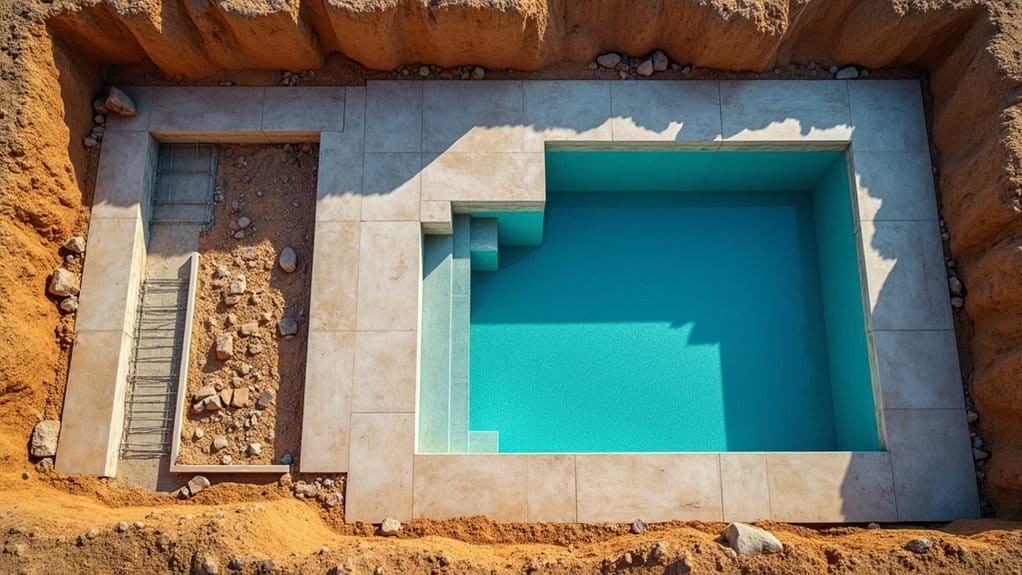
The fundamental construction processes of concrete and fiberglass pools diverge markedly in their approach, materials, and execution. When you choose concrete, you’re opting for custom structural engineering that’s built entirely on-site, requiring specialized forming, steel reinforcement, and a 28-day curing period. The process allows for interior finish customization through diverse surface textures and detailed structural modifications. The extensive construction timeline typically means 3 to 6 months from start to finish for a complete concrete pool installation.
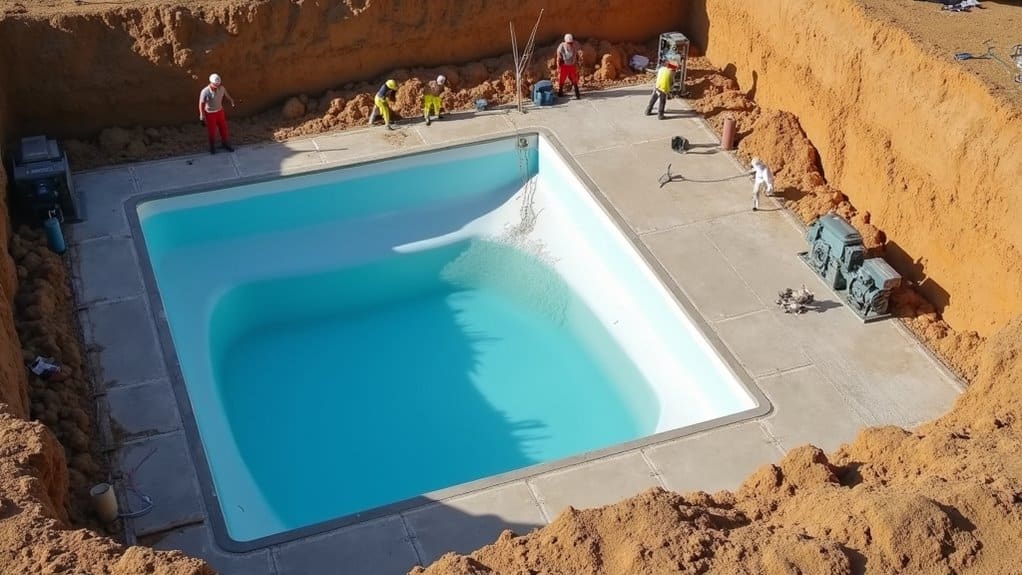
In contrast, fiberglass pools arrive as pre-fabricated shells manufactured off-site, dramatically reducing installation time to mere days. You’ll need precise excavation to accommodate the predetermined shell dimensions, but there’s no curing period required. These pools can be ideal for saltwater systems since they offer natural salt compatibility without material concerns. While this method offers consistency and rapid installation, you’re limited to manufacturer-provided shapes and standardized designs, without the option for structural modifications once the shell is placed.
Longevity Comparison: What to Expect From Each Pool Type
You’ll notice distinct wear patterns between fiberglass and concrete pools, with fiberglass pools typically maintaining their integrity for 30-40 years without resurfacing, while concrete pools require replastering every 10-15 years. Your maintenance approach directly influences these lifespans, as fiberglass pools benefit from their non-porous gelcoat technology that resists chemical degradation and UV damage, whereas concrete surfaces face accelerated wear from both. Regular pH balancing and leak inspections become especially vital for concrete pools to prevent premature structural issues, though both types can achieve multi-decade lifespans with proper care. With its lower ownership costs, fiberglass proves to be a more economical choice over the full lifespan of the pool. Vinyl liner pools offer an intermediate solution, with vinyl liners typically needing replacement every 10-12 years due to natural wear and color fading.
Lifespan and Wear Patterns
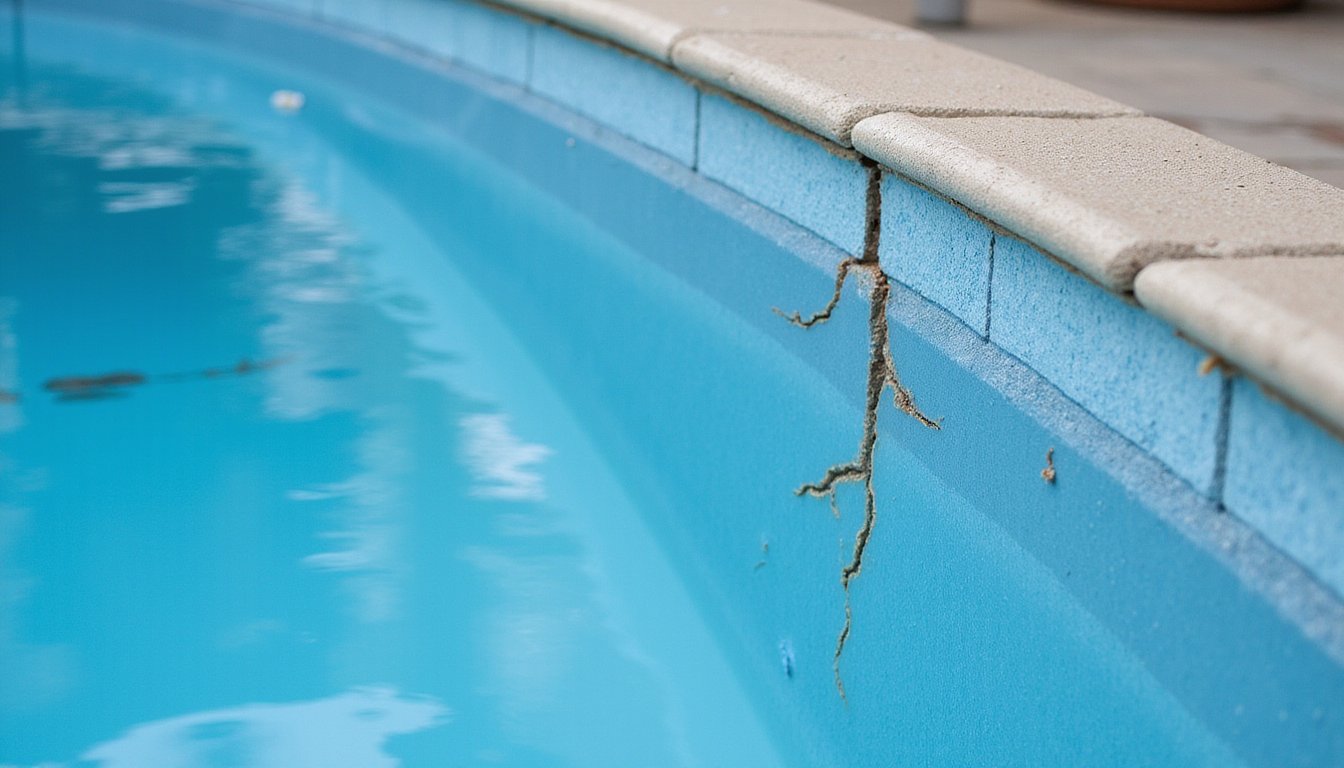
Durability stands as a crucial factor when comparing structural and shell pools, with each type exhibiting distinct lifespan characteristics and wear patterns. You’ll find that structural pools typically last 20-30 years but require surface restoration needs every 10-15 years due to concrete’s porous nature and susceptibility to erosion. Gunite pools offer superior customization and resilience compared to traditional concrete options. Structural reliability concerns include the risk of “concrete cancer” and crack development over time. Regular maintenance schedules help extend the lifespan of both pool types while preventing premature deterioration.
Shell pools, particularly fiberglass models, offer extended longevity of 30-40+ years with drastically fewer maintenance requirements. Their gelcoat technology provides superior resistance to fading and algae growth, while modern manufacturing prevents osmotic issues that plagued earlier versions. You’ll need to ponder that vinyl liner alternatives, though cost-effective initially, require replacement every 10-15 years due to seam deterioration and general wear.
Maintenance Impact on Durability
Maintaining your pool’s structural integrity directly influences its lifespan, with significant differences between fiberglass and gunite options. Your fiberglass pool‘s non-porous gel coat reduces surface cleaning frequency and chemical storage requirements, protecting its structure from deterioration. You’ll find that its inert composition maintains pH stability, minimizing the need for harsh chemical adjustments. Professional inspections reveal that long-term savings make fiberglass pools more cost-effective for sustained ownership. The quick installation process of fiberglass pools helps preserve structural integrity from the start.
In contrast, your gunite pool‘s porous surface demands rigorous maintenance to prevent structural damage. You’ll need to perform frequent brushing to combat algae buildup and apply muriatic acid regularly to manage pH levels. Without proper care, gunite’s concrete structure can develop cracks, leading to mandatory resurfacing every 10-15 years. The intensive maintenance regime directly impacts the pool’s durability, making preventive care indispensable for extending its serviceable life.
Chemical Requirements and Water Balance Management

When comparing pool types, chemical requirements and water balance management vary considerably based on surface porosity and material composition. You’ll find that fiberglass pools, with their non-porous gelcoat surface, maintain lower chemical absorption levels and require less frequent water purity monitoring compared to concrete pools. Premium raw materials in fiberglass pools contribute significantly to their superior chemical stability and reduced maintenance needs. These pools operate effectively within traditional chemistry ranges recommended by manufacturers.
Key differences in chemical management include:
- Concrete pools demand daily pH adjustments and frequent acid treatments due to their alkaline nature
- Fiberglass pools maintain stable chemistry with minimal intervention, requiring only weekly balance checks
- Vinyl pools offer moderate chemical efficiency but may introduce calcium variations through liner composition
Your maintenance schedule will largely depend on your pool’s material, with concrete structures requiring the most intensive chemical balancing routine due to their porous surface and constant mineral interactions with the water.
Time Investment: Installation and Construction Timeline
Pool installation timelines differ dramatically between structural and shell options, presenting a significant factor in your construction planning. While fiberglass shell pools typically require only 1-2 weeks for complete installation, structural concrete pools demand 3-6 months, including a mandatory 28-30 day curing period. Vinyl liner pools fall between these extremes at 6-10 weeks.
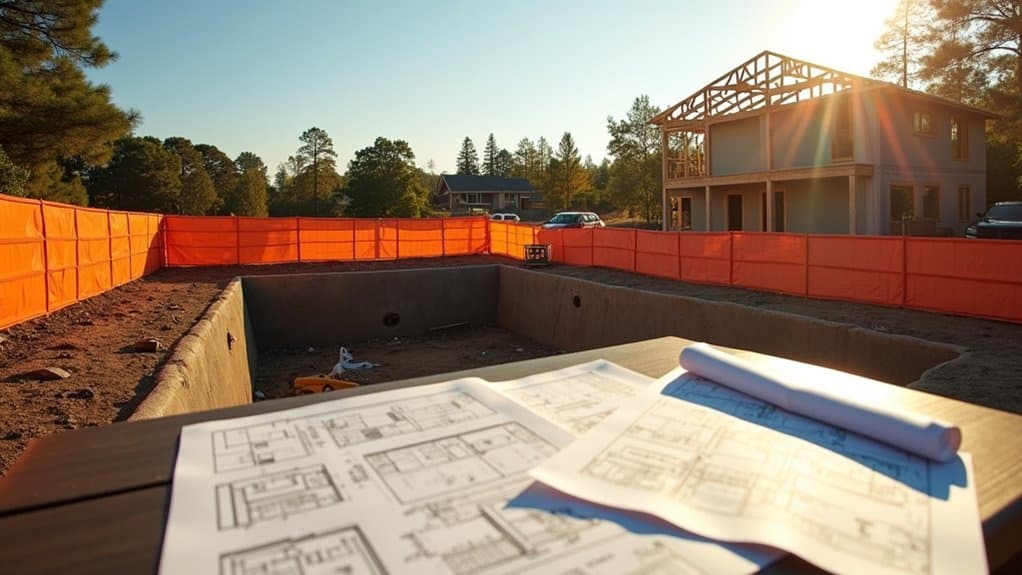
You’ll need to account for diverse timeline disruption factors regardless of pool type. Weather conditions, permit approvals, and labor availability can introduce construction delays. Concrete pools are particularly susceptible to these disruptions due to their on-site construction nature. In contrast, fiberglass shells offer more predictable timelines since manufacturing occurs concurrently with site preparation. Your local regulations will also impact the schedule, as inspections and permits typically add several weeks to any pool installation project.
Design Limitations and Aesthetic Possibilities

The architectural flexibility between structural and shell pools creates distinct design possibilities for your backyard haven. Concrete pools offer unlimited customization while maintaining structural integrity, whereas shell options like fiberglass and vinyl liner pools present more restricted design parameters.
- Concrete pools enable complex features like vanishing edges, multi-level designs, and integrated scenery, though they require precise engineering calculations for stability
- Fiberglass shells provide consistent visual aesthetics with their gel-coat finishes but limit you to pre-manufactured shapes and sizes
- Vinyl liner pools balance cost with basic design options, though you’ll need to plan for periodic liner replacements that may affect the pool’s appearance
Your choice depends on balancing desired aesthetics with structural requirements. Concrete offers maximum design freedom but demands longer installation times, while shell options provide quicker installation with predetermined shapes.
Cost Analysis: Initial Investment Vs Long-Term Expenses
Making an informed decision between structural and shell pools requires careful consideration of both upfront costs and ongoing expenses. You’ll find shell pools considerably more economical initially, ranging from $23,000 to $60,000 installed, compared to structural pools starting at $60,000 and often exceeding $100,000.
Material longevity estimates favor shell pools, lasting 25+ years with minimal maintenance costs of around $375 annually. Their smooth surfaces bolster energy efficiency factors, reducing pump usage and chemical requirements. In contrast, structural pools demand more frequent maintenance visits ($200-$1,000 each) and typically need resurfacing every 7-10 years. You’ll also face higher energy costs due to their rougher surfaces requiring increased filtration. When calculating total ownership costs, consider that structural pools’ lifespan averages 15-25 years before major renovations become necessary. Additionally, it’s important to consider the implications of pool structural warranties when investing in a pool. While shell pools may come with extended warranties that reflect their longevity and lower maintenance needs, structural pools often have shorter warranties, which can leave owners vulnerable to unexpected repair costs.
Maintenance Requirements and Daily Care
Maintaining structural and shell pools diverges considerably between the two, necessitating distinct care procedures to guarantee longevity and security. You’ll need to implement specific algae management techniques for both types, though shell pools often require more frequent brushing due to their surface texture. Equipment inspection schedules vary between these pool types, with structural pools demanding more rigorous plumbing checks.
Regular maintenance needs differ significantly between structural and shell pools, with each type requiring its own specialized care approach.
- Structural pools need detailed wall inspections for potential cracks and deterioration, focusing on joint integrity and reinforcement stability
- Shell pools require specialized surface care to prevent gelcoat degradation, with emphasis on proper chemical balance to avoid material breakdown
- Both types demand consistent water chemistry monitoring, though shell pools are typically more sensitive to chemical imbalances
Daily maintenance routines for both types include skimming, chemistry testing, and filtration system checks to support optimal performance.
Environmental Impact and Site Considerations
When contemplating environmental footprints, structural and shell pools present markedly different impacts on surrounding ecosystems and installation sites. Shell pools, particularly fiberglass, minimize ecosystem disturbance impact through shorter installation periods and reduced heavy machinery requirements. You’ll find they generate less chemical runoff and eliminate groundwater contamination risk since they lack corrosive metal components.
In contrast, structural pools pose greater environmental challenges. Concrete pools‘ production contributes significant carbon emissions, while their porous surfaces demand higher chemical usage. You’ll need to deliberate that steel reinforcement in structural pools can corrode, potentially leaching harmful substances into groundwater. Furthermore, their longer installation timeline of 2-3 months increases site disruption, compared to fiberglass’s 2-3 week installation period, affecting local ecosystem recovery.
Modern Innovations in Pool Manufacturing
Recent advancements in pool manufacturing technology have revolutionized both structural and shell pool designs through smart automation and sustainable innovations. The integration of IoT-enabled systems and AI-driven maintenance platforms has transformed how you’ll manage your pool, regardless of its construction type.
Key automation trends and smart home integration features now available for both pool types include:
- Variable-speed pumps with predictive analytics that optimize energy consumption while providing real-time performance data
- Automated chemical monitoring systems that maintain precise water chemistry through smart sensors and saltwater chlorination
- Remote-controlled operation through mobile apps, enabling you to adjust heating, lighting, and filtration settings from anywhere
These technological advances have greatly improved efficiency, reduced maintenance requirements, and elevated the overall swimming experience for both structural and shell pool owners.
Making the Right Choice for Your Property
Three critical factors should guide your pool selection: property characteristics, lifestyle requirements, and long-term investment goals. You’ll need to assess your yard’s size and accessibility, as concrete pools require extended construction periods and greater disruption, while fiberglass installations can be completed within weeks. Additionally, consider the aesthetic appeal and maintenance requirements associated with each pool type. Understanding the structural details in pool construction will also help in making informed decisions regarding the longevity and durability of your investment. Ultimately, choosing the right pool involves balancing your immediate enjoyment with your future needs.
Consider your maintenance capacity when evaluating pool financing options. Concrete pools demand weekly brushing and frequent chemical treatments, impacting both time and budget. Fiberglass shells, though initially costlier than vinyl, offer reduced maintenance expenses and superior durability. In resale value discussions, note that concrete pools provide customization advantages, while fiberglass appeals to buyers seeking low-maintenance solutions. Your choice should align with local climate conditions, as fiberglass’s composite materials better withstand thermal stress compared to concrete’s susceptibility to cracking.
Frequently Asked Questions
Can I Convert My Existing Concrete Pool to Fiberglass?
Yes, you can convert your concrete pool to fiberglass through a specialized renovation process. The conversion involves applying fiberglass layers directly onto your existing concrete shell after thorough preparation and repairs. This pool renovation option typically takes 7-14 days and costs between $4,000-$8,000. The material replacement feasibility depends on your pool’s current condition, but when properly done, it’ll extend your pool’s lifespan by 10-20 years with improved durability.
How Deep Can Each Type of Pool Be Built?
You’ll discover that concrete pools can typically attain depths of 8+ feet, while fiberglass shells are generally restricted to 8 feet maximum due to manufacturing constraints. Pool depth limitations vary by construction type concrete provides more flexibility for custom depths, especially for diving pools. Keep in mind that seasonal pool depth fluctuations can affect both types, so you’ll need to maintain proper water levels throughout the year for structural integrity and safety compliance.
Do Pool Covers Work Differently on Concrete Versus Fiberglass Pools?
Yes, you’ll notice significant differences in pool cover installation and maintenance between concrete and fiberglass pools. Your fiberglass pool’s smooth, non-porous surface allows covers to glide more easily and stay cleaner, simplifying maintenance. You’ll find installation more straightforward on fiberglass due to standardized shapes and consistent surfaces. With concrete pools, you’ll need more frequent cover upkeep due to rough surfaces, and you’ll likely require custom measurements and additional anchoring systems for suitable installation.
Which Pool Type Better Maintains Property Resale Value?
You’ll find that fiberglass and concrete pools best maintain property resale value factors, though each has distinct advantages. Fiberglass pools offer lower long-term maintenance costs and modern appeal, typically returning 35-50% of your investment. Concrete pools, while requiring more maintenance, deliver similar ROI due to their customization potential and perceived luxury status. Avoid vinyl liner pools for resale, as their recurring replacement needs and limited durability can actually diminish property value.
Can I Use Saltwater Systems With Both Pool Types?
You can safely use saltwater systems with both structural and shell pools, but you’ll need to follow specific saltwater filtration requirements. For structural pools, monitor plaster erosion and use brass anchors. With shell pools, guarantee you’re using salt-tolerant equipment. Both types require regular saltwater pool maintenance, including salt level monitoring (3,000-6,000 ppm). Just avoid metal components in either system to prevent corrosion issues.