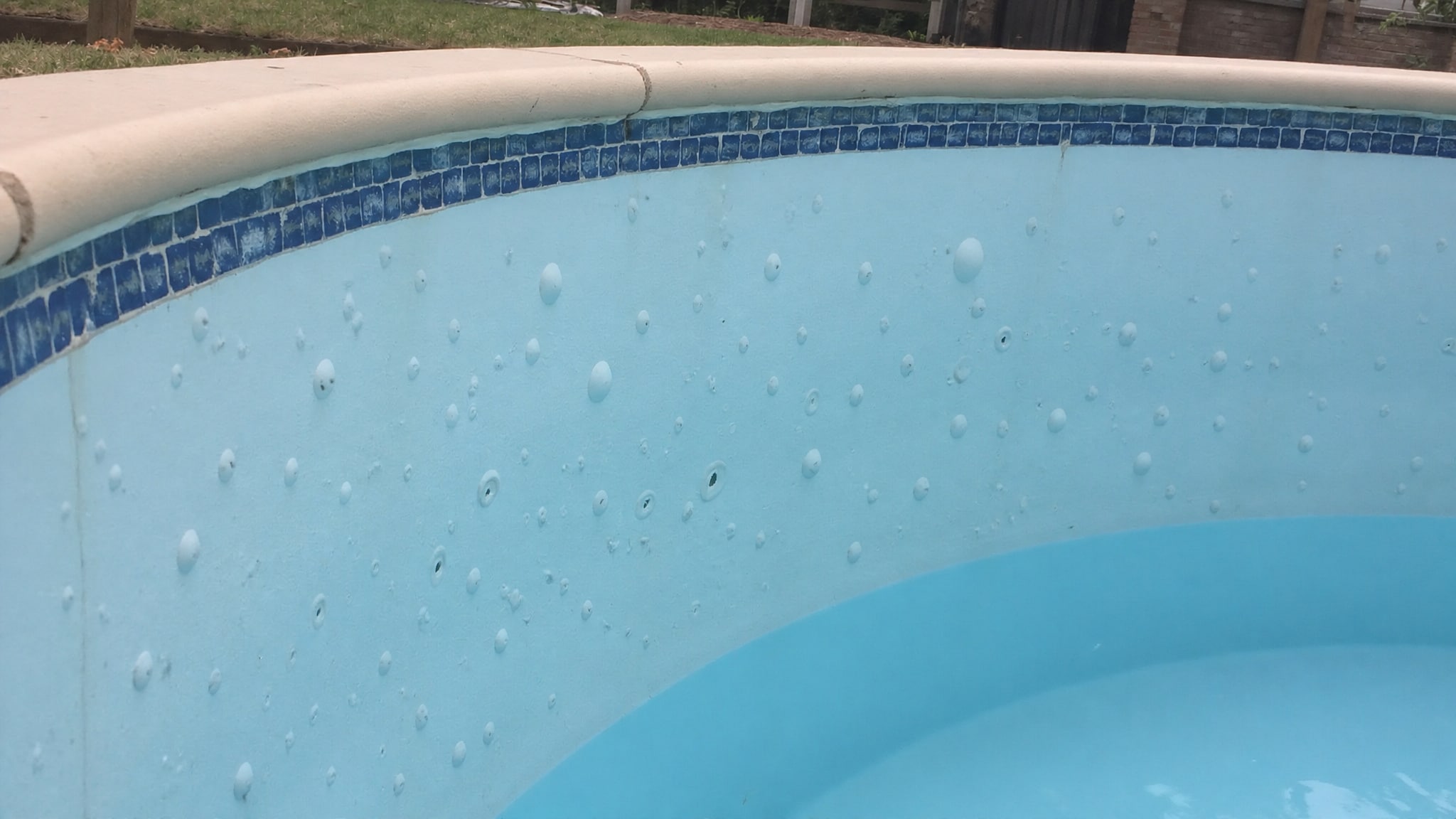
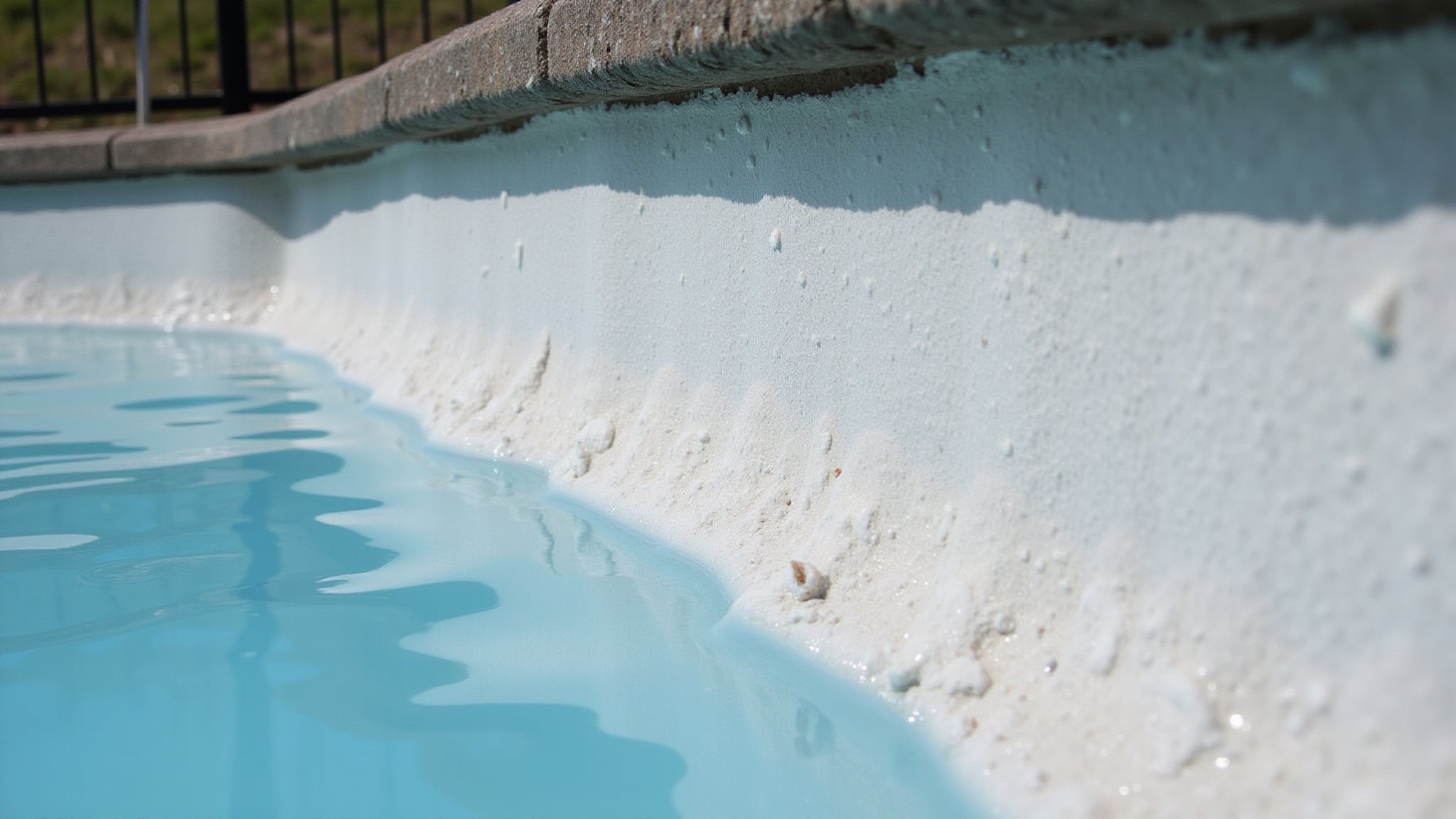
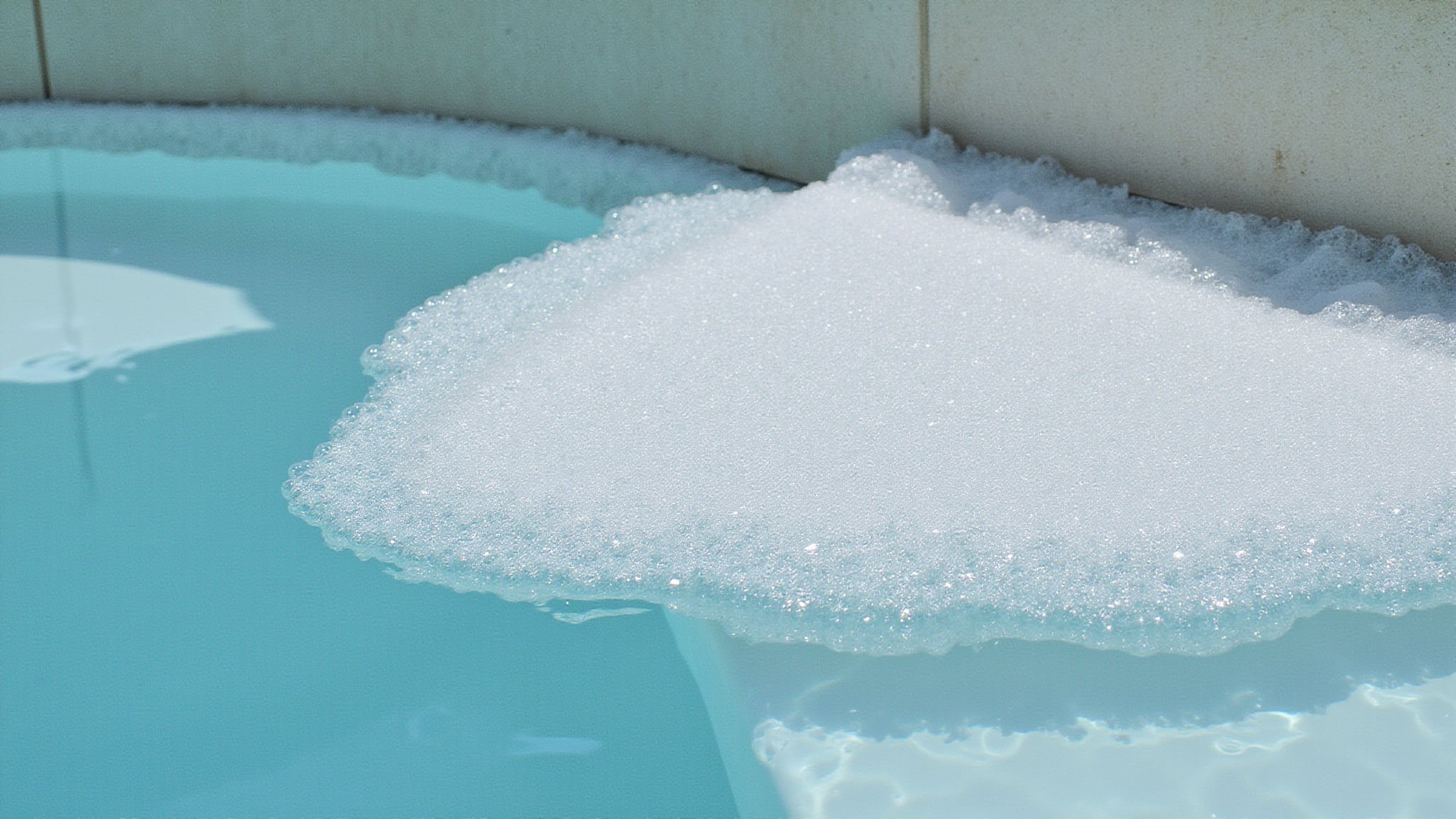
Yes, fiberglass pools are an excellent choice for saltwater systems. Their smooth, non-porous gel coat resists salt corrosion far better than concrete, which pits and erodes, or vinyl, which relies on rust-prone metal walls. You’ll enjoy softer water held at 1, 3 ppm chlorine and around 3,000 ppm salt, without harsh odor or eye-burning. Just know that connected metal equipment still corrodes over time. Understanding the full picture helps you protect your investment for years.
Key Takeaways
- Fiberglass pools have a smooth, non-porous gel coat that resists salt corrosion far better than concrete or vinyl surfaces.
- Saltwater systems generate gentle chlorine (1, 3 ppm) from dissolved salt, reducing odor, taste, and eye irritation for swimmers.
- Metal components in pumps, heaters, and filters still corrode, so “salt-safe” ratings and sacrificial anodes only reduce, not eliminate, damage.
- Maintenance requires weekly chlorine and pH checks plus monthly deck spraying to protect stone or concrete finishes from salt damage.
- Ownership costs are high, with a $45,000, $100,000 shell and potential long-term corrosion repairs reaching thousands over time.
Why Fiberglass and Saltwater Pools Work So Well Together
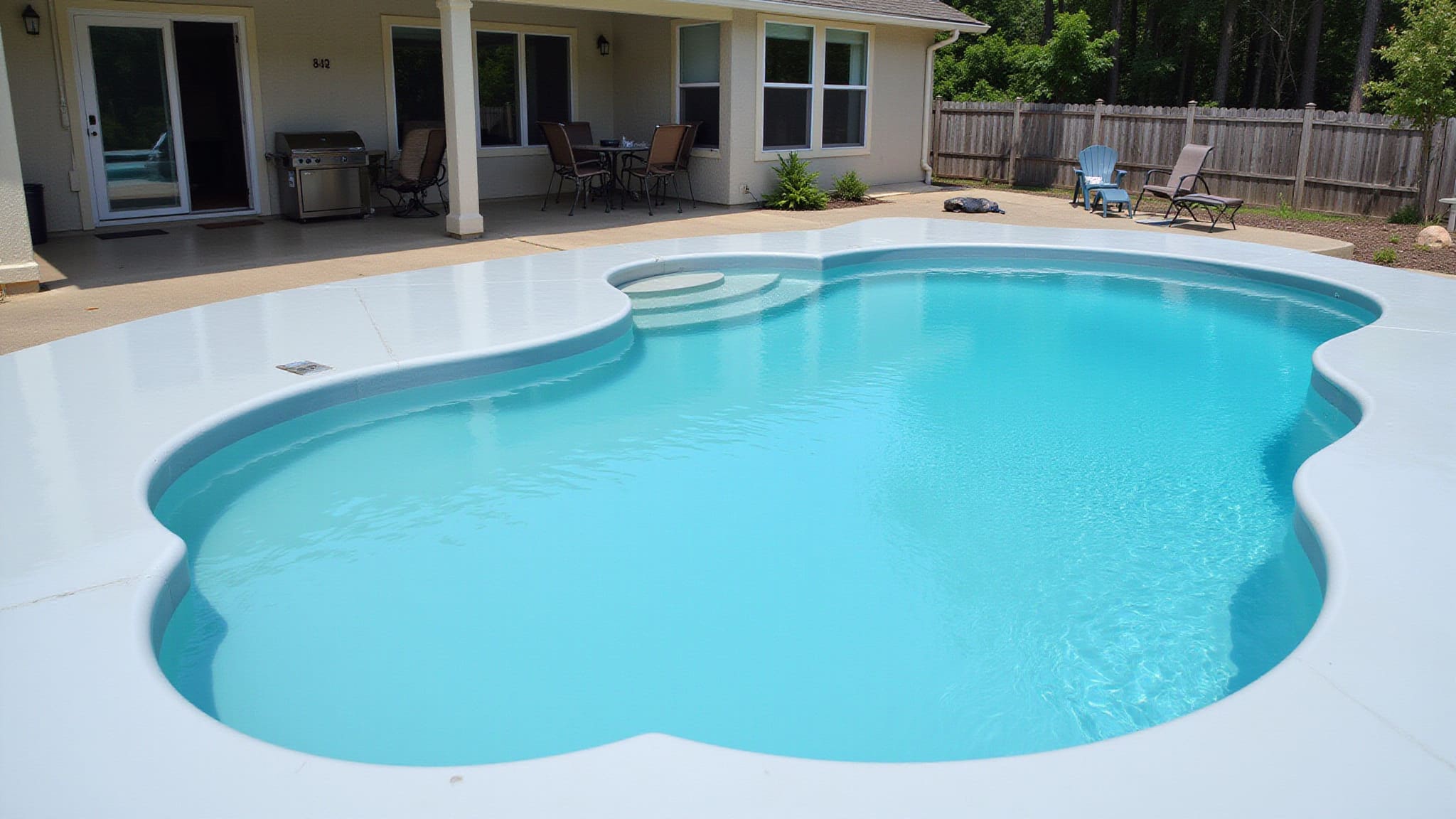
Fiberglass and saltwater pools work so well together because fiberglass pools feature a smooth, non-porous gel coat surface that resists salt corrosion in ways concrete and vinyl simply can’t match. When you pair a fiberglass pool saltwater system together, the gel coat prevents salt particles and dissolved minerals from penetrating or degrading the shell. Concrete surfaces develop pitting and erosion over time, and vinyl pools rely on metal wall panels vulnerable to rust. A saltwater fiberglass pool eliminates these risks entirely, maintaining structural integrity indefinitely under constant salt exposure.
Beyond durability, a salt pool delivers a gentler experience. You’ll notice softer, silkier water without harsh chlorine odor, and the non-porous surface requires fewer chemicals to stay clean. That combination of material resistance and low maintenance makes fiberglass and saltwater a technically sound match.
How a Saltwater Fiberglass Pool Actually Feels to Swim In
A saltwater fiberglass pool feels softer and silkier against your skin than a traditional pool. That’s because saltwater pool systems generate chlorine automatically from dissolved salt, holding free chlorine at a gentle 1, 3 ppm rather than dumping harsh doses manually. You won’t smell that sharp chlorine odor, taste it, or feel your eyes burning. At the recommended 3,000 ppm salt concentration, the water stays invigorating without irritation. The non-porous gel coat surface stays smooth beneath your feet, so you won’t scrape against rough plaster. You’ll climb out feeling cleaner, not coated in chemical residue. That comfort keeps families swimming longer, season after season.
Which Pool Equipment Survives Saltwater Corrosion?
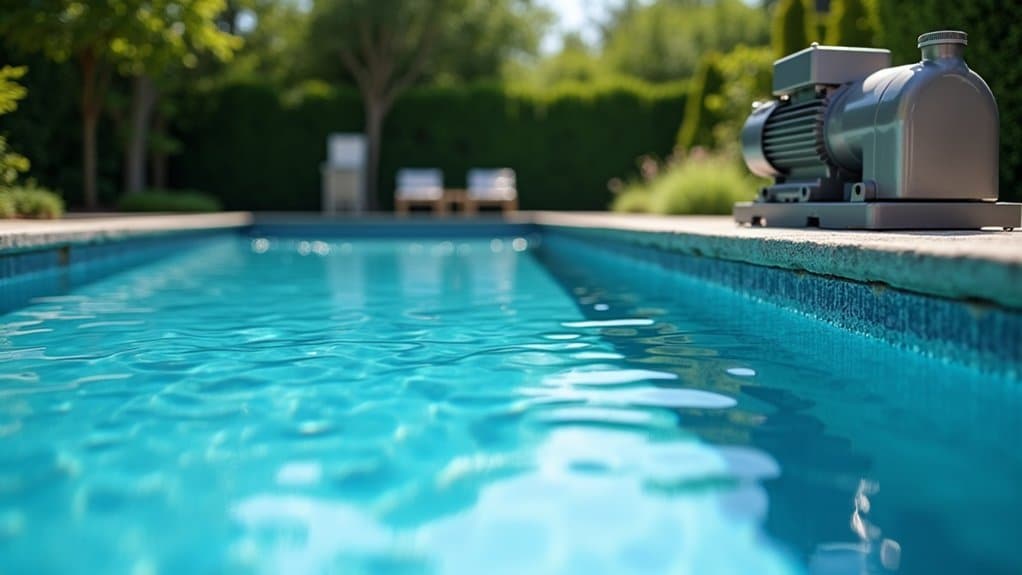
You’ll need every pump, heater, and filter rated specifically for saltwater use, since metal components connected to your pool face corrosion that some sources call 100% inevitable. Don’t trust “salt-safe” manufacturer claims blindly, metal parts still erode despite those labels. To slow the damage, install bonding and sacrificial anodes, though these measures reduce corrosion likelihood rather than eliminate it.
Salt-Rated Equipment Requirements
Every pump, heater, and filter connected to your fiberglass pool must be rated specifically for saltwater use. Saltwater feels gentler on swimmers, but it’s relentless on metal. Don’t trust the label alone. Manufacturers sometimes claim products are salt-safe, yet exposed metal parts stay vulnerable to erosion. That corrosion is effectively 100% inevitable wherever metal contacts salt, so you’re managing it, not eliminating it. To slow the damage, install bonding and sacrificial anodes. They reduce corrosion likelihood but can’t stop it altogether. Position the salt generator near the pool’s return line post-filter, and seal PVC piping with cement to protect connections. Budget accordingly. Corrosion-driven equipment repairs can cost thousands over time, so specifying properly rated components upfront protects both your system and your wallet.
Metal Corrosion Risks
Metal corrosion is a certainty when saltwater meets metal, not just a possibility. Any metal component connected to your pool will eventually degrade under salt exposure, regardless of what manufacturers claim. Even parts labeled “salt-safe” remain vulnerable to salt erosion over time. You can slow the process, but you can’t stop it altogether.
To reduce corrosion likelihood, focus on these defensive measures:
- Bonding: Electrically bond all metal components to equalize voltage and minimize galvanic corrosion.
- Sacrificial anodes: Install zinc anodes that corrode preferentially, protecting more critical metal parts.
- Salt-rated equipment: Use pumps, heaters, and filters specifically engineered for saltwater conditions.
Don’t underestimate the financial impact. Salt-driven equipment repairs can cost thousands of dollars over time, making proactive protection essential rather than optional for your saltwater system.
Corrosion Prevention Measures
Prevent corrosion by selecting equipment that survives saltwater conditions the longest. Choose pumps, heaters, and filters rated specifically for saltwater use. Standard components won’t withstand the exposure. Even so, metal parts connected to your pool remain vulnerable, and manufacturers’ “salt-safe” claims don’t guarantee immunity from erosion.
Install bonding to equalize electrical potential across metal components, reducing galvanic corrosion. Add sacrificial anodes, which corrode preferentially to protect your equipment’s metal parts. Neither measure stops corrosion entirely, but both slow it notably.
During installation, position your salt generator near the return line, downstream of the filter, and seal PVC piping with cement. Spray your deck monthly to prevent salt buildup on stone or concrete, and inspect equipment monthly to catch scaling early.
Salt and Chemistry Levels That Protect Your Fiberglass Shell
The salt and chemistry levels that protect your fiberglass shell keep it performing for decades. Start by dosing new pools with 40, 50 pounds of salt per 2,000 gallons, targeting the manufacturer’s recommended concentration of roughly 3,000 ppm. From there, hold your chemistry within the ranges that protect the gel coat surface.
- pH: Maintain between 7.2 and 7.6 to prevent surface degradation and scaling.
- Free chlorine: Test weekly, keeping levels between 1, 3 ppm for reliable sanitation.
- Total alkalinity and calcium hardness: Keep alkalinity at 80, 120 ppm and calcium hardness at 200, 400 ppm.
Test free chlorine and pH weekly, then run monthly checks on alkalinity, calcium hardness, and salt. Staying within these parameters keeps your non-porous shell stable and corrosion-free indefinitely.
Your Weekly and Monthly Saltwater Pool Routine
Your weekly and monthly saltwater pool routine keeps your fiberglass pool running efficiently and protects the gel coat from long-term wear. Each week, test free chlorine and keep it between 1, 3 ppm, verify pH stays within 7.2, 7.6, empty skimmer baskets, and brush the shell surfaces. Run your filter at least 6 hours daily through peak season to maintain circulation. Monthly, expand your testing to total alkalinity (80, 120 ppm), calcium hardness (200, 400 ppm), and salt concentration near 3,000 ppm. Inspect filters, pumps, and metal-connected equipment for early scaling or corrosion, since salt exposure degrades components over time. Spray down your deck monthly to flush salt from stone or concrete copings, preventing surface deterioration. These targeted tasks safeguard both water chemistry and the pool’s non-porous integrity.
What Does a Saltwater Fiberglass Pool Really Cost?
When you’re budgeting for a saltwater fiberglass pool, plan for a shell cost ranging from $45,000 to $100,000 depending on size, features, and site preparation. On top of that upfront investment, you’ll pay more to own and operate a saltwater system than a traditional chlorine setup. You’ll also face long-term corrosion expenses, since salt-related equipment repairs can cost thousands of dollars over the pool’s lifespan.
Upfront Investment Costs
Upfront investment costs for a saltwater fiberglass pool center on the shell itself, which typically runs between $45,000 and $100,000 depending on size, features, and site preparation. Beyond the shell, you’ll invest in equipment rated specifically for saltwater use, since standard pumps, heaters, and filters won’t withstand salt exposure. Factor in these initial expenditures:
- Salt-rated equipment: Pumps, heaters, and filters must carry saltwater certification to resist corrosion from the start.
- Salt generator and installation: You’ll position the generator near the return line post-filter, sealing PVC piping with cement.
- Initial salt dosage: New fiberglass pools require 40, 50 pounds of salt per 2,000 gallons to reach roughly 3,000 ppm.
These components raise your upfront outlay above traditional chlorine setups, but establish long-term durability.
Long-Term Corrosion Expenses
Long-term corrosion expenses stem from the metal components connected to your pool, and that vulnerability drives ongoing costs. Your fiberglass shell resists salt corrosion indefinitely, but your pumps, heaters, and filters must be rated for saltwater use, yet metal parts remain vulnerable regardless of manufacturer “salt-safe” claims. Some sources describe this corrosion as 100% inevitable. Bonding and sacrificial anodes reduce corrosion likelihood, but they can’t stop it altogether, so you’ll replace these components periodically. Equipment repairs from salt corrosion can cost thousands of dollars over time.
The damage extends beyond equipment. Salt water rapidly deteriorates certain concrete finishes and expensive stone copings like bluestone. Splashed water kills nearby plants and grass. You’ll spend monthly spraying your deck to protect surrounding stone or concrete finishes from salt corrosion.
Conclusion: Why Fiberglass and Saltwater Work Well Together
Fiberglass pools are one of the best matches for saltwater systems. The non-porous gel-coat surface resists the corrosion that salt can cause in other pool types, and saltwater delivers gentle, steady sanitizing that is easy on skin and eyes. Owners get softer-feeling water with less hands-on chlorine management. With the right equipment and routine cell maintenance, a saltwater fiberglass pool is a low-maintenance, comfortable choice for most backyards.
Call Today and Design a Pool Made for You
Whether you’re planning saltwater conversion, solar heating, or robotic cleaner integration, the right team makes it all seamless. At Schiller Pools in Port St. Lucie, FL, our skilled team delivers dependable Fiberglass Pool Installation built for Florida’s climate and your lifestyle. Call +1 (561) 475-5997 today and turn your backyard into a private retreat.
Frequently Asked Questions
Can I Convert an Existing Chlorine Fiberglass Pool to Saltwater?
Yes, and it is a common upgrade. Converting mainly involves adding a salt chlorine generator to the existing equipment and adding salt to the water, since the fiberglass shell itself needs no change. Because fiberglass resists salt corrosion, it is well suited to the switch. A pool professional can size and install the generator for your pool.
How Long Does a Saltwater Generator Cell Typically Last?
Salt cells generally last around three to seven years, depending on the brand, how much you run it, and how well you maintain it. Keeping the cell clear of scale and running the system correctly extends its life. When output drops, the cell is usually the part that needs replacing rather than the whole system.
Is Saltwater Safe for Swimmers With Sensitive Skin or Allergies?
For most people, yes, and many prefer it. Saltwater pools keep chlorine at a low, steady level, so the water is gentler on skin and eyes and has less of the harsh chlorine smell. It is not salty like the ocean. People with specific sensitivities should still check with their doctor, but many find saltwater more comfortable.
Can I Install a Saltwater Fiberglass Pool Myself?
Installing a fiberglass pool and its equipment is a major job involving excavation, backfill, plumbing, and electrical, so it is best handled by professionals. The saltwater generator in particular ties into the plumbing and electrical and should be installed correctly for safety and warranty. Most owners rely on a pool builder for the full installation.
How Does Cold Weather Affect Saltwater Fiberglass Pool Performance?
Salt chlorine generators slow down in cold water and often stop producing below a certain temperature, so they do little in winter. This is not a problem if the pool is closed for the season, and fiberglass handles cold well. In cold climates, you simply winterize the pool and cell like any other and resume in spring.