
For fiberglass pools, you’ll want automation that prioritizes precise water-condition control to protect your gel coat. The iAquaLink 3.0 delivers the best value for retrofits, integrating with existing equipment while adding remote access and voice control. Building new? Pentair IntelliConnect gives you full chemistry control from the start. On a budget and comfortable with 220V wiring? Basic AquaLink handles your pump, heater, and lights. Below, you’ll see exactly which system fits your setup.
Key Takeaways
- iAquaLink 3.0 is the best value fiberglass retrofit for 2025, integrating with existing equipment while offering mobile app and voice control.
- Pentair IntelliConnect suits new fiberglass builds, providing full chemistry control and expansion for salt chlorinators and UV systems.
- Basic AquaLink is the budget DIY pick, controlling pump, heater, and lights while saving $500, $1,000 on installation.
- The best systems prioritize real-time chemical monitoring to prevent spikes that etch or degrade fiberglass gel coats.
- Onboard diagnostics flag pump and heater issues early, generating error codes that reduce diagnostic time and repair costs.
What Fiberglass Pools Need From Pool Automation
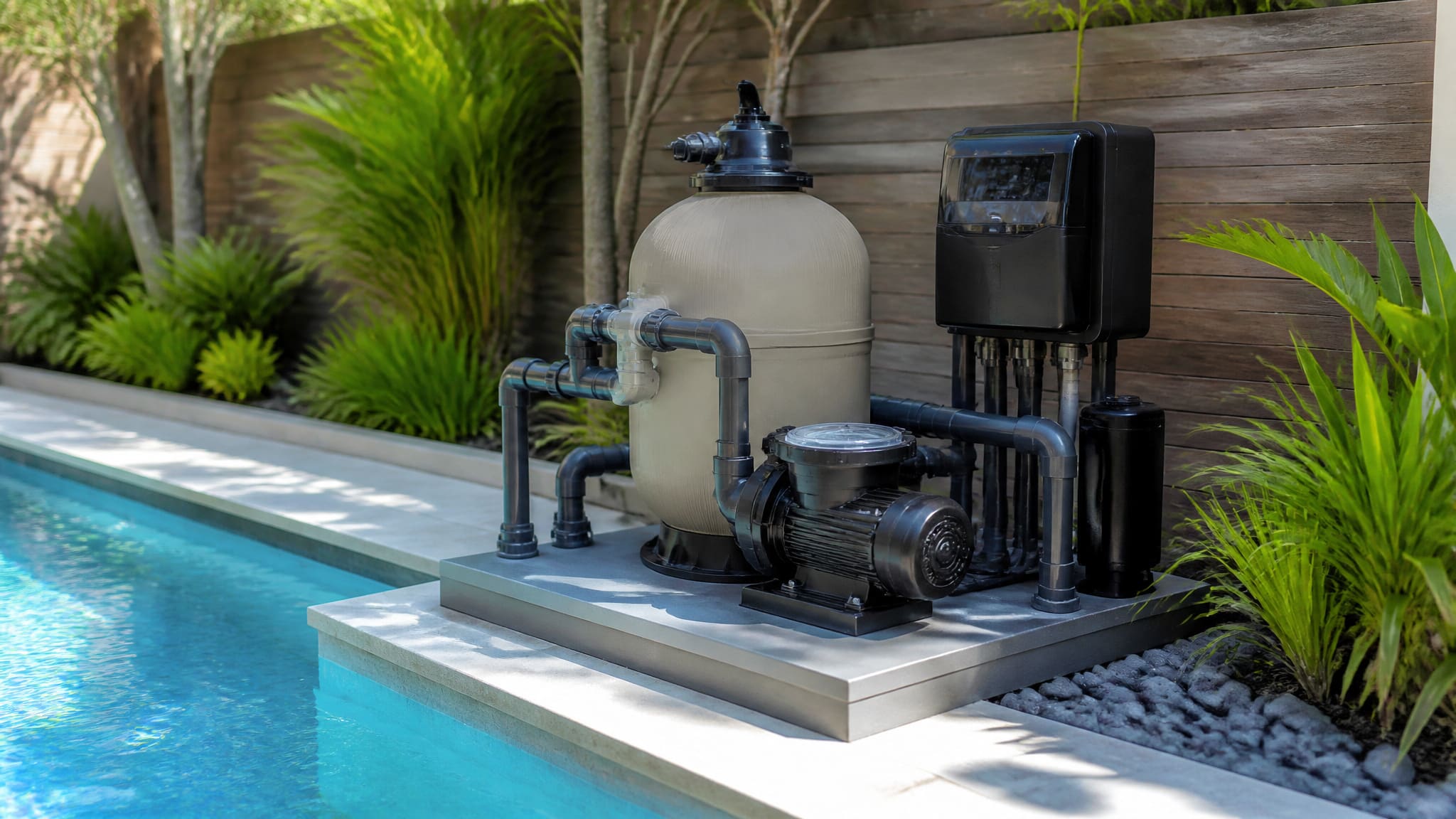
Fiberglass pools need pool automation that prioritizes precise water condition control above all else, because fiberglass gel coats react poorly to chemical imbalances. The best pool automation for your setup delivers real-time monitoring that prevents chemical spikes capable of etching or degrading your gel coat over time. Energy-efficient scheduling matters too, optimizing pump run times to maintain proper circulation without over-agitating your fiberglass finish during cleaning cycles.
Effective fiberglass pool automation should include onboard diagnostics that quickly identify pump or heater issues before they compromise water quality. You’ll want smart pool systems offering remote access, so you can adjust temperature and flow rates from anywhere to protect fiberglass integrity. Prioritize multi-device compatibility, letting you expand toward fiberglass-safe salt chlorinators and UV systems as your needs grow.
iAquaLink 3.0: Best Value Fiberglass Retrofit
The iAquaLink 3.0 is the best value fiberglass retrofit for 2025, delivering the best price-to-feature balance you’ll find without forcing a complete system replacement. You’ll integrate it with your existing equipment, upgrading pump, heater, and light control without ripping out your current setup. Its mobile app gives you remote access, so you’ll adjust temperature and flow rates from anywhere to protect your gel coat. Voice control adds hands-free management, while onboard diagnostics flag pump or heater issues early. Unlike more expensive pool automation systems, iAquaLink 3.0 keeps costs down while covering core functionality. If you’re comfortable with 220V wiring, the DIY-friendly design saves you $500, $1,000. Among pool control systems built for fiberglass, this one balances affordability, expandability, and the precision your finish demands.
Pentair IntelliConnect for New Fiberglass Builds
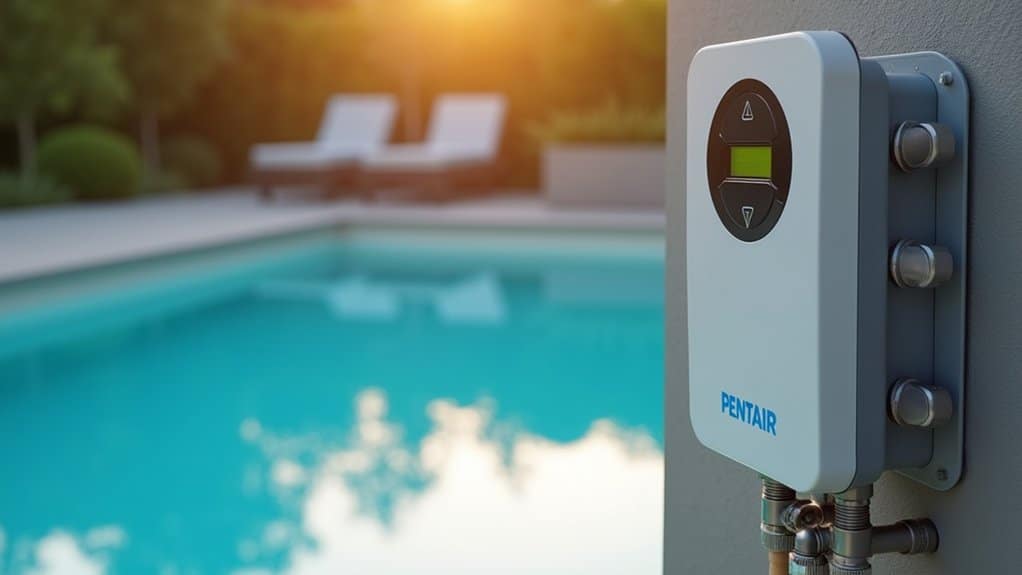
The Pentair IntelliConnect is the ideal automation system for new fiberglass builds, offering full chemistry control from the start. You’ll integrate this system during construction, so there’s no compromise fitting automation into an existing setup. Full chemistry control means you’re monitoring and adjusting balance in real time, preventing the chemical spikes that etch or degrade fiberglass gel coats over time.
Because you’re specifying it upfront, you can expand to fiberglass-safe salt chlorinators and UV systems without retrofitting headaches. Energy-efficient scheduling optimizes pump run times for your pool’s circulation needs, cutting operational costs while protecting delicate finishes. When considering fiberglass vs saltwater pool systems, it’s crucial to understand the maintenance differences each type entails. Fiberglass pools often require less chemical adjustment than their saltwater counterparts, making them a popular choice for many homeowners.
Reduced operational costs make IntelliConnect financially viable long-term. You’ll manage everything remotely, receiving automated alerts before minor issues escalate. For new builds, it’s the precision-focused choice that safeguards your fiberglass investment.
Basic AquaLink: The Budget DIY Pick
Basic AquaLink is the budget DIY pick for fiberglass pool automation if you’re comfortable working with 220V wiring. By handling the installation yourself, you’ll save $500, $1,000 compared to hiring a professional. This tier keeps costs low without sacrificing core functionality. You still get reliable control over your pump, heater, and lights.
You’ll manage essential scheduling to optimize pump run times for your fiberglass pool’s circulation needs, protecting the gel coat from chemical imbalance. Just make sure you understand high-voltage electrical safety standards before starting. If you don’t, professional installation remains the safer route.
For fiberglass owners who want dependable automation on a budget and have the technical skills to wire it, basic AquaLink delivers exactly what you need.
DIY Install or Hire a Pro?
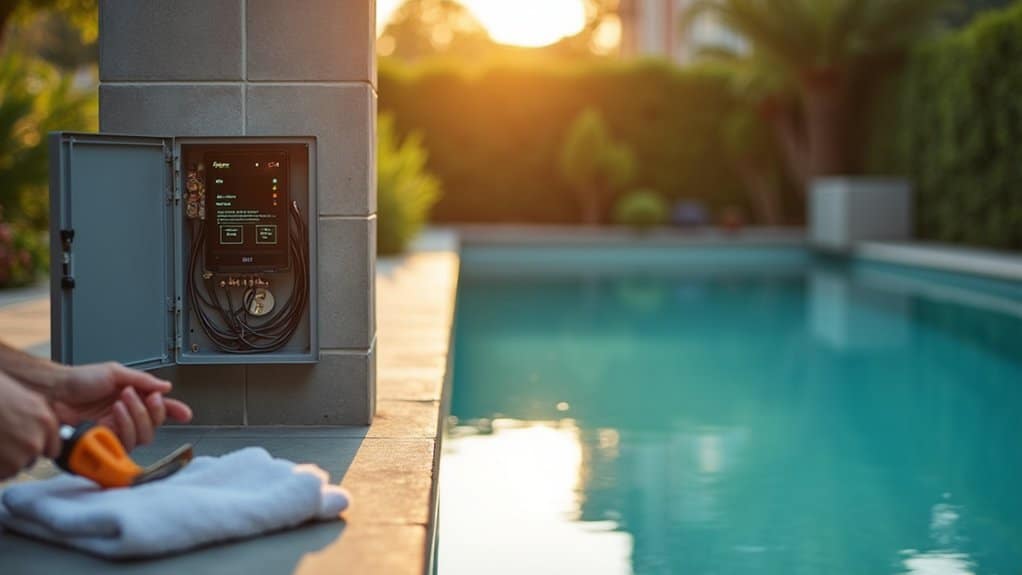
If you’re comfortable handling wiring and 220V circuits, DIY installation of systems like iAquaLink or basic AquaLink saves you $500, $1,000. That’s a significant cut to your upgrade budget, especially when retrofitting a fiberglass pool without replacing the entire system. But if high-voltage electrical safety standards aren’t your area, hiring a pro is the practical call to avoid costly wiring mistakes.
DIY Savings Potential
Tackling a DIY installation can save you $500, $1,000, but that figure only holds if you’re comfortable handling wiring and 220V circuits. Both the iAquaLink 3.0 and basic AquaLink units are explicitly labeled DIY-friendly, making them your best bets for a self-managed project. Retrofitting your fiberglass pool with the iAquaLink 3.0 lets you avoid a complete system replacement, preserving your existing equipment while adding smart control.
Assess your electrical skills honestly. High-voltage work demands strict adherence to safety standards, and mistakes carry serious risk. If 220V circuits fall outside your comfort zone, professional installation remains the smarter call. You’ll forfeit the savings, but you’ll gain code-compliant wiring and peace of mind, both worth the cost when working around water.
When Hiring Matters
Hiring a pro matters most when your installation involves high-voltage electrical work beyond your skill level. Systems like iAquaLink 3.0 and basic AquaLink units require handling 220V circuits, wiring that demands respect for safety standards. If you’re unfamiliar with high-voltage protocols, hire a professional. The risk of injury or improperly wired equipment far outweighs the $500 to $1,000 in savings.
Consider hiring a pro when your installation involves complex multi-device integration, salt chlorinators, UV systems, or heaters wired together. Mistakes here compromise fiberglass water circulation and void warranties. Professional installation also matters if local codes require licensed electricians for permit approval.
Reserve DIY for straightforward retrofits where you’re confident managing wiring. When high-voltage work exceeds your skill level, professional installation protects both you and your fiberglass investment.
Smart Features That Protect Your Gel Coat
Your fiberglass pool’s gel coat degrades fast when chemical imbalances go unchecked, so real-time chemical monitoring lets you catch pH and chlorine spikes before they etch the surface. Energy-efficient scheduling keeps your pump running only when circulation demands it, maintaining stable water conditions that reduce chemical stress on the finish. Automated system alerts flag pump or heater failures immediately, giving you the chance to fix problems before they compromise water quality and damage your pool.
Real-Time Chemical Monitoring
Real-time chemical monitoring tracks pH and sanitizer levels continuously, catching spikes before they degrade the finish. Because fiberglass gel coats etch and degrade under sustained chemical imbalance, this monitoring is your first line of defense against costly surface damage. When readings drift outside safe ranges, automated alerts notify you instantly through your mobile app, so you can adjust settings remotely from any location. This prevents the gradual etching that occurs when chemical imbalances go unnoticed for days.
Real-time monitoring also lowers your chemical usage by maintaining consistent water conditions, which extends your gel coat’s lifespan and reduces operational costs. Pair this with energy-efficient scheduling, and you’ll optimize circulation while protecting delicate surfaces. You get precise control, fewer manual tests, and reliable protection against surface degradation over time.
Energy-Efficient Scheduling
Energy-efficient scheduling optimizes pump run times to match your specific demands rather than running equipment around the clock, since fiberglass circulation needs differ from other pool types. This targeted approach reduces operational costs while maintaining the water conditions your gel coat requires. When you optimize water conditions, you lower chemical usage and extend your fiberglass finish’s lifespan, two benefits that compound over time.
Smart automation minimizes energy waste by running equipment only when your pool actually needs circulation. You’ll avoid the excessive energy consumption that comes from unnecessary run times, yet still hold consistent water temperature.
For fiberglass specifically, efficient scheduling protects against chemical imbalance that could degrade your gel coat. You get precise control over pump cycles, keeping your surface protected and your energy bills predictable.
Automated System Alerts
Automated system alerts constantly monitor your system and notify you of failures before they compromise water quality in your fiberglass enclosure. When a pump falters or a heater malfunctions, you’ll receive real-time notifications on your smartphone, letting you act before minor issues escalate into major damage. Self-diagnostic alerts flag chemical spikes that could etch or degrade your gel coat, giving you time to correct imbalances that threaten your finish. Onboard diagnostics generate clear error codes, so you can pinpoint pump or heater problems that compromise circulation. These codes also simplify communication with your service technician, cutting diagnostic time and repair costs. By catching failures early, automated alerts protect your fiberglass surfaces from prolonged chemical exposure and help you maintain consistent, safe water conditions year-round.
How Automation Cuts Your Fiberglass Pool Energy Bills
Automation cuts your fiberglass pool energy bills by targeting the pump, the biggest drain on your operating budget. Energy-efficient scheduling optimizes pump run times to match your fiberglass pool’s actual circulation needs, so you’re not paying to move water when it isn’t necessary. Smart automation runs equipment only when required, cutting energy waste that inflates monthly bills. You can program flow rates and temperature targets that hold consistent water conditions without overworking your pump or heater. Optimized water conditions also lower chemical usage, extending your gel coat’s lifespan while trimming supply costs. Systems like Pentair IntelliConnect become financially viable because these operational savings offset the upfront investment. By running your fiberglass pool’s equipment precisely when needed, you’ll maintain water quality and keep energy consumption low.
Diagnostics That Save Fiberglass Owners Money
Onboard diagnostics save fiberglass owners money by acting as an early warning system that pays for itself. When your pump or heater starts to fail, the system flags it immediately, so you catch issues before they compromise water circulation. That matters for fiberglass, where poor circulation lets chemicals concentrate and etch your gel coat.
Self-diagnostic alerts stop minor faults from escalating into major repairs. You’ll see clear error codes that pinpoint the exact malfunction, whether it’s a failing pump motor or a heater sensor fault. Those codes also streamline your conversations with service technicians, cutting diagnostic time and labor charges.
The payoff is fewer service calls, faster fixes, and protection for the fiberglass surface you’ve invested in.
Conclusion: Choosing Pool Automation for Fiberglass
Pool automation puts your pump, heater, lighting, and features under simple control from a panel or phone app, making a fiberglass pool easier and more efficient to run. The right system depends on your equipment, the features you want to control, and how well it integrates with things like heating and salt systems. Choosing a system with room to expand and solid warranty support protects the investment. For most owners, automation is a convenient upgrade that pays off in time and energy savings.
Call Today and Design a Pool Made for You
Whether you’re planning saltwater conversion, solar heating, or robotic cleaner integration, the right team makes it all seamless. At Schiller Pools in Port St. Lucie, FL, our skilled team delivers dependable Fiberglass Pool Installation built for Florida’s climate and your lifestyle. Call +1 (561) 475-5997 today and turn your backyard into a private retreat.
Frequently Asked Questions
Can I Control Multiple Fiberglass Pools From One Automation App?
Many modern automation apps can manage more than one pool or body of water from a single account, which is handy for a pool and spa or multiple properties. The capability depends on the brand and system, so confirm multi-pool support before buying. Your installer can set it up so each pool appears and controls separately in the app.
Do Automation Systems Come With Warranties for Fiberglass Pool Setups?
Yes. Automation systems typically carry manufacturer warranties on the control panel and components, with terms varying by brand. Professional installation is sometimes required to keep the warranty valid. Ask about coverage length and what is included, and keep your documentation so you are covered if a part needs service.
How Long Does a Typical Automation System Last Before Replacement?
A quality automation system generally lasts around ten years or more, though technology and app support can age faster than the hardware. Keeping firmware updated and protecting the panel from weather helps it last. When it is time to upgrade, newer systems usually add features and better app control.
Are Automation Systems Compatible With Older Fiberglass Pool Models?
Usually, yes. Automation controls the equipment rather than the pool shell, so it can be added to older fiberglass pools by connecting to the existing pump, heater, and other gear. Some very old or non-standard equipment may need updating to integrate smoothly. An installer can assess your setup and recommend what is needed.
Can I Integrate Automation With Existing Solar Heating for Fiberglass Pools?
Often, yes. Many automation systems can control solar heating alongside a gas or electric heater, switching or prioritizing based on your settings. Compatibility depends on the solar setup and the automation brand, so confirm it before installing. Integrated this way, the system can make the most of free solar heat and cut energy costs.