


To install a fiberglass pool, you’ll first review your CC&Rs and Architectural Guidelines to confirm permitted materials, setbacks, and submittal procedures. Secure written ARC/ACC approval before excavation, verbal assurances won’t protect you. Submit a scaled site plan, PE- or RA-sealed construction drawings, material selections, and barrier specifications documenting fence, gate, and latch-height compliance. Expect decisions within 30-to-45 days. Remember, HOA consent isn’t municipal authorization. Here’s what your approval process actually demands next. Understanding fiberglass pool permitting is essential to ensuring a smooth installation process. The requirements can vary significantly based on local laws and regulations, so it’s crucial to consult with professionals familiar with your area.
Key Takeaways
- Review your CC&Rs and Architectural Guidelines to confirm permitted materials, setbacks, and the required submittal procedure before applying.
- Obtain written HOA/ARC approval before any construction, since verbal assurances offer no protection against later disputes.
- Submit a scaled site plan, PE- or RA-sealed construction plans, material/color selections, and detailed barrier specifications with your application.
- Notify adjacent neighbors early to surface objections, providing signatures or formal notification letters when your CC&Rs require them.
- Expect ARC/ACC decisions within 30-to-45 days, and if denied, use the appeal or resubmittal path addressing each cited deficiency.
Start With Your CC&Rs and HOA Design Guidelines
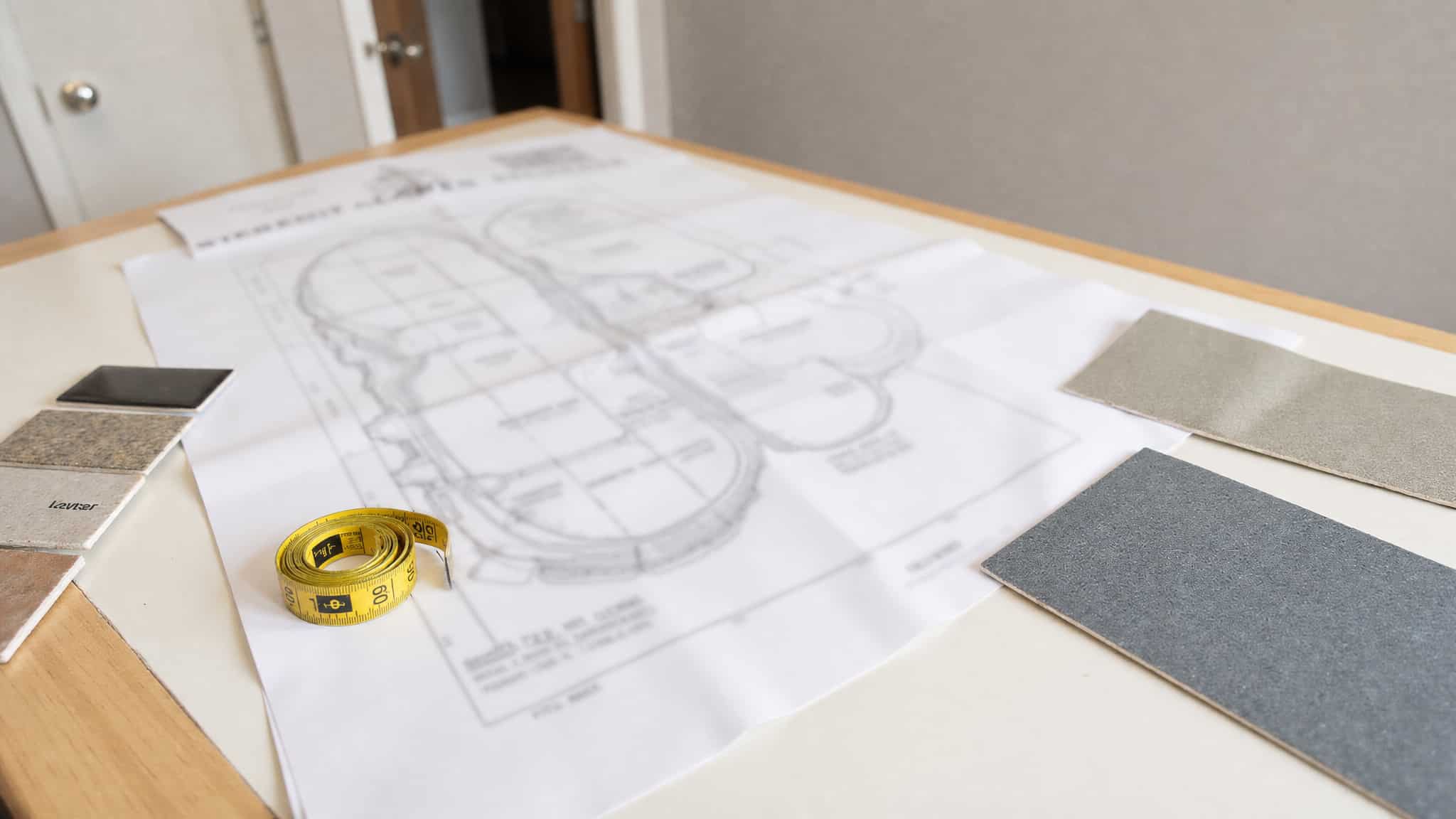
Your CC&Rs and HOA Design Guidelines define which approvals your fiberglass pool installation requires. Review your HOA’s Declaration of Covenants, Conditions & Restrictions (CC&Rs) alongside the Architectural/Design Guidelines to identify these approvals. These governing documents define permitted materials, styles, setbacks, and the specific submittal procedure for pool installations. Your HOA fiberglass pool must comply with these standards before the Architectural Review Committee (ARC) or Architectural Control Committee (ACC) evaluates your request. The pool HOA process typically mandates written approval prior to any work, since verbal assurances won’t protect you against later disputes. Record all applicable provisions governing pool permits HOA compliance, including fence and barrier requirements, easement restrictions, and design specifications. Confirming these criteria upfront ensures your application aligns with community standards and avoids preventable denials.
Talk to Your Neighbors Before You Apply
Talking to your neighbors before you apply surfaces objections early that could otherwise stall your review or trigger a denial. After you’ve documented your CC&R requirements, engage your adjacent property owners before submitting your application to the ARC. Many governing documents mandate neighbor notification as a condition of HOA pool approval, requiring adjacent-owner signatures or a formal notification letter.
Engage your neighbors before you apply, early conversations surface objections that could otherwise stall your review or trigger denial.
When installing a pool, HOA procedures often weight adjacent-owner input heavily during committee evaluation. Address concerns proactively:
- Sightlines and setbacks, confirm your proposed placement respects shared property lines and easements.
- Enclosure and barrier plans, clarify fence height, gate location, and latch compliance.
- Construction logistics, disclose equipment staging, access routes, and anticipated timelines.
Documenting these conversations strengthens your submittal and reduces appeal risk.
What Documents Does Your HOA Require for Pool Approval?

Once you’ve engaged your neighbors, you’ll need to compile the documentation your HOA requires for review against community standards. Start with a scaled site plan that shows the pool’s location relative to your home, property lines, easements, setbacks, and existing structures, along with construction plans that many jurisdictions require to be sealed by a licensed Professional Engineer or Registered Architect. You’ll also submit material and color selections for pavers, coping, interior finish, tile line, and enclosure frames to confirm compliance with the Architectural/Design Guidelines.
Site Plans and Drawings
Site plans and drawings determine whether your application succeeds or stalls, so start with a scaled site plan that positions the proposed pool relative to your home, property lines, easements, setbacks, and existing structures. Many jurisdictions also demand construction plans sealed by a licensed Professional Engineer or Registered Architect, so verify your CC&Rs before finalizing submittals.
- Site plan: Render to scale, dimensioning setbacks, easements, and property-line clearances against existing structures.
- Construction plans: Provide PE- or RA-sealed drawings detailing structural specifications and placement.
- Barrier plans: Specify fence location, gate placement, and latch height per safety-code and CC&R requirements.
Include a detailed project description covering materials, dimensions, and placement. Precise, code-compliant drawings reduce review cycles and minimize your denial risk.
Materials and Color Selections
Material and color selections are a distinct part of many HOA application packages, submitted after you’ve locked down your site plans. Your submittal should specify finishes for pavers, coping, interior finish, tile line, and enclosure frames, documenting each element against the community’s permitted materials and color palette. Reference the Architectural Design Guidelines to confirm compliance before submission. Unauthorized materials or non-conforming colors trigger denial or conditional approval requiring changes.
Include manufacturer specifications, product samples, or color chips where the CC&Rs demand physical verification. For enclosures, document frame materials and finishes precisely, since these affect adjacent-owner sightlines. Precise material documentation demonstrates adherence to governing standards, streamlines ARC review, and prevents costly post-approval revisions if your selections deviate from approved specifications.
How to Complete Your HOA Pool Application
Complete your HOA pool application by assembling every document the ARC/ACC requires under your CC&Rs and Architectural Guidelines. Compile a scaled site plan mapping the fiberglass shell against property lines, easements, setbacks, and existing structures, then attach engineer-sealed construction plans where your jurisdiction mandates a licensed PE or Registered Architect. Once you have your construction plans, ensure that you also have the necessary permits for backfill for fiberglass pool installations. It’s important to check local regulations regarding soil types and drainage requirements to prevent future issues.
- Barrier compliance: Document fence type, gate location, and latch height satisfying CC&R safety provisions.
- Material schedule: Specify coping, pavers, tile line, interior finish, and enclosure frame colors.
- Project narrative: State dimensions, materials, and placement relative to lot boundaries.
Include neighbor notification letters or adjacent-owner signatures if required. Verify each submittal against the checklist, sign the form, and submit before the ARC/ACC’s scheduled meeting to avoid deferral.
How Long Does HOA Pool Approval Take?

Once you submit a complete application, your ARC or ACC typically renders a decision within a 30-to-45-day review window, though smaller “Little Pool” requests can clear in a few days depending on your HOA’s meeting schedule. Because committees often convene monthly, the calendar directly affects your turnaround time. Expect one of three outcomes: approval, denial, or a request for additional information.
Standard Review Timelines
Standard HOA review windows typically run 30 to 45 days, especially when the ARC or ACC convenes monthly rather than on demand. Your submittal’s timing relative to the committee’s calendar directly affects how fast you’ll receive a written decision. Once reviewed, the ARC issues one of three outcomes against community standards and applicable CC&R provisions:
- Approval, your plans conform to design guidelines and permitted materials, clearing you to pursue local building permits.
- Denial, your request fails specified criteria, requiring revision and resubmittal or a formal appeal.
- Request for information, the committee needs additional documentation before rendering a determination.
For small or “Little Pool” installations, some HOAs expedite approval within days, bypassing the full monthly review cycle entirely.
Possible Decision Outcomes
The ARC issues one of three determinations, each carrying distinct procedural consequences under the CC&Rs. First, you might secure full approval, authorizing you to proceed to the local building permit stage while building strictly to the approved plans. Second, the committee may deny your request, triggering your right to revise and resubmit or invoke the appeal procedure specified in the governing documents. Third, you could receive a conditional approval, which lists required modifications, material substitutions, setback adjustments, or barrier revisions, that you must satisfy before final consent is granted. Each outcome arrives in writing, documenting the committee’s rationale against community standards. Retain this determination permanently, since it substantiates compliance and, in jurisdictions like Florida, supports your permit application.
Building Permits You Still Need After HOA Approval
After HOA approval, you still need jurisdictional building permits before construction begins, since ARC written approval satisfies a private covenant, not municipal code. HOA consent and municipal authorization operate on separate legal tracks, so that approval doesn’t authorize a single shovel of excavation.
- Building/Construction Permit: Submit your engineer-sealed construction plans, scaled site plan, and setback documentation to the local building department for plan review and issuance.
- Barrier/Safety Permit: Provide fence and gate specifications demonstrating latch-height and enclosure compliance with applicable pool safety codes.
- Supplementary Trade Permits: Obtain separate electrical, plumbing, and grading permits as required for bonding, circulation, and excavation.
In Florida, you’ll include your HOA approval letter within the permit application package.
What to Do If Your Pool Request Gets Denied
Your governing documents outline a defined appeal and resubmittal path, so a denial isn’t the end of the line even though it stalls your project. Start by reviewing the ARC’s written decision to identify the specific criteria your submittal failed to meet. You can request an appeal, backing it with supplementary documentation that addresses each cited deficiency. Consider requesting the community’s approved-pool criteria, then align your revised plans accordingly. Gather additional information from your pool dealer or representative to resolve technical questions raised during review. You can typically revise and resubmit, or follow the appeal procedure your CC&Rs prescribe. Remember, a well-prepared modification request is your single most reliable path to approval rather than denial. Precise site plans, sealed construction documents, and compliant barrier specifications strengthen your position considerably.
Conclusion: Navigating HOA Approval for a Fiberglass Pool
Getting HOA approval is often a required first step before installing a fiberglass pool, and planning for it avoids delays and fines. Most HOAs review the design, placement, fencing, and construction plans against their rules, so submitting a complete application with drawings and contractor details helps it move faster. Requirements vary widely between communities. Understanding your HOA’s process up front, and working with a builder familiar with it, keeps the project on track.
Call Today and Start Your Pool Project Stress-Free
Permit paperwork and HOA reviews can slow down any pool project, unless you have the right team managing every detail. At Schiller Pools in Palm City, FL, our skilled team delivers dependable Pool Construction built around smooth timelines and clear communication. Call +1 (561) 475-5997 today and take the next step toward your dream backyard.
Frequently Asked Questions
Can the HOA Charge Fees for Reviewing My Pool Application?
Yes, many HOAs charge an application or architectural review fee, and some require a refundable deposit against damage to common areas during construction. The amounts vary by community. Check your HOA’s rules or ask the board so you can budget for these costs alongside the pool itself.
Do I Need HOA Approval for Pool Heaters or Lighting?
Sometimes. HOAs may have rules on equipment that affects appearance, noise, or neighbors, such as heater placement, lighting, and screening. It is safest to include these details in your application rather than adding them later. Confirming with your HOA up front avoids having to modify or remove equipment after installation.
Can I Install a Fiberglass Pool if My Lot Is Small?
Often, yes. Fiberglass pools come in many compact shapes and sizes suited to smaller yards, and a builder can recommend a model that fits. You will still need to meet setback, access, and HOA requirements. A site visit determines what will fit while leaving room for equipment, decking, and safe access.
Will a Pool Increase My HOA Dues or Assessments?
Generally, a pool on your own property does not raise your regular HOA dues, since dues fund shared community expenses. That said, application or review fees may apply, and some communities have specific rules. Check with your HOA to be sure there are no special assessments tied to adding a pool.
Are There Seasonal Restrictions on When Pool Construction Can Begin?
Some HOAs limit construction timing, such as restricting noisy work around holidays or to certain hours, rather than banning seasons outright. Weather and permitting can also affect scheduling. Review your HOA’s construction rules and coordinate with your builder so the project starts within any allowed windows.