
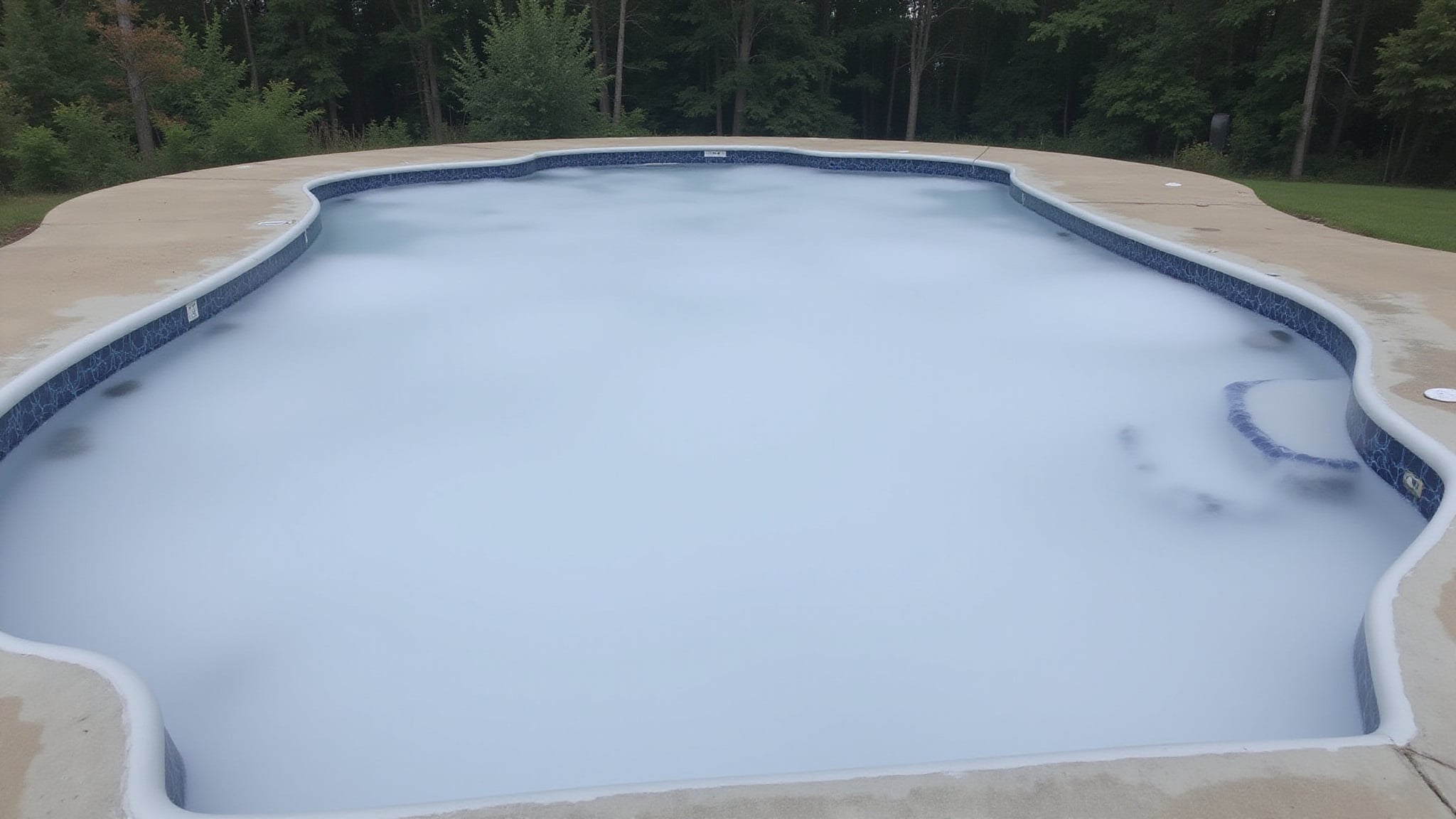
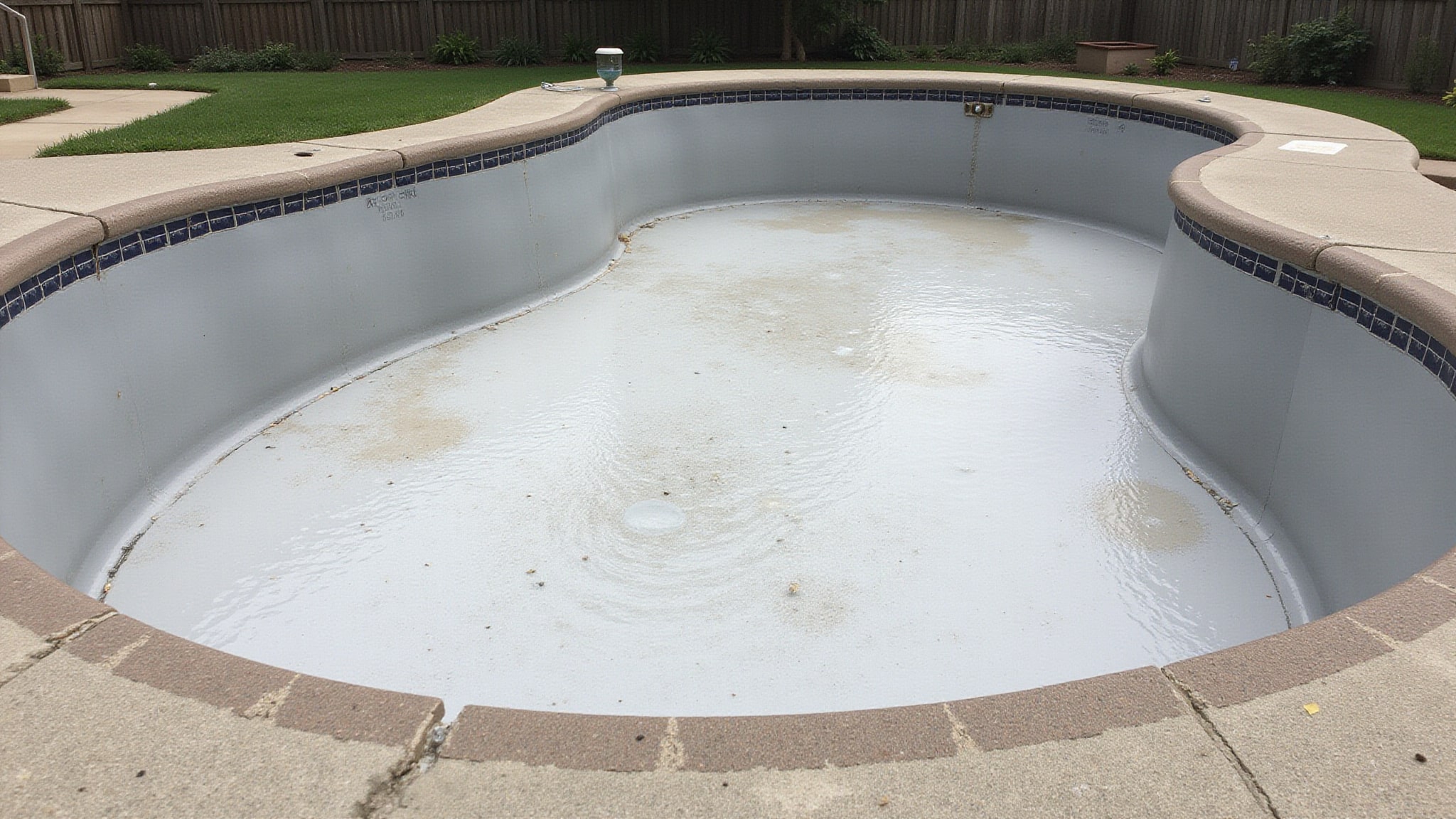
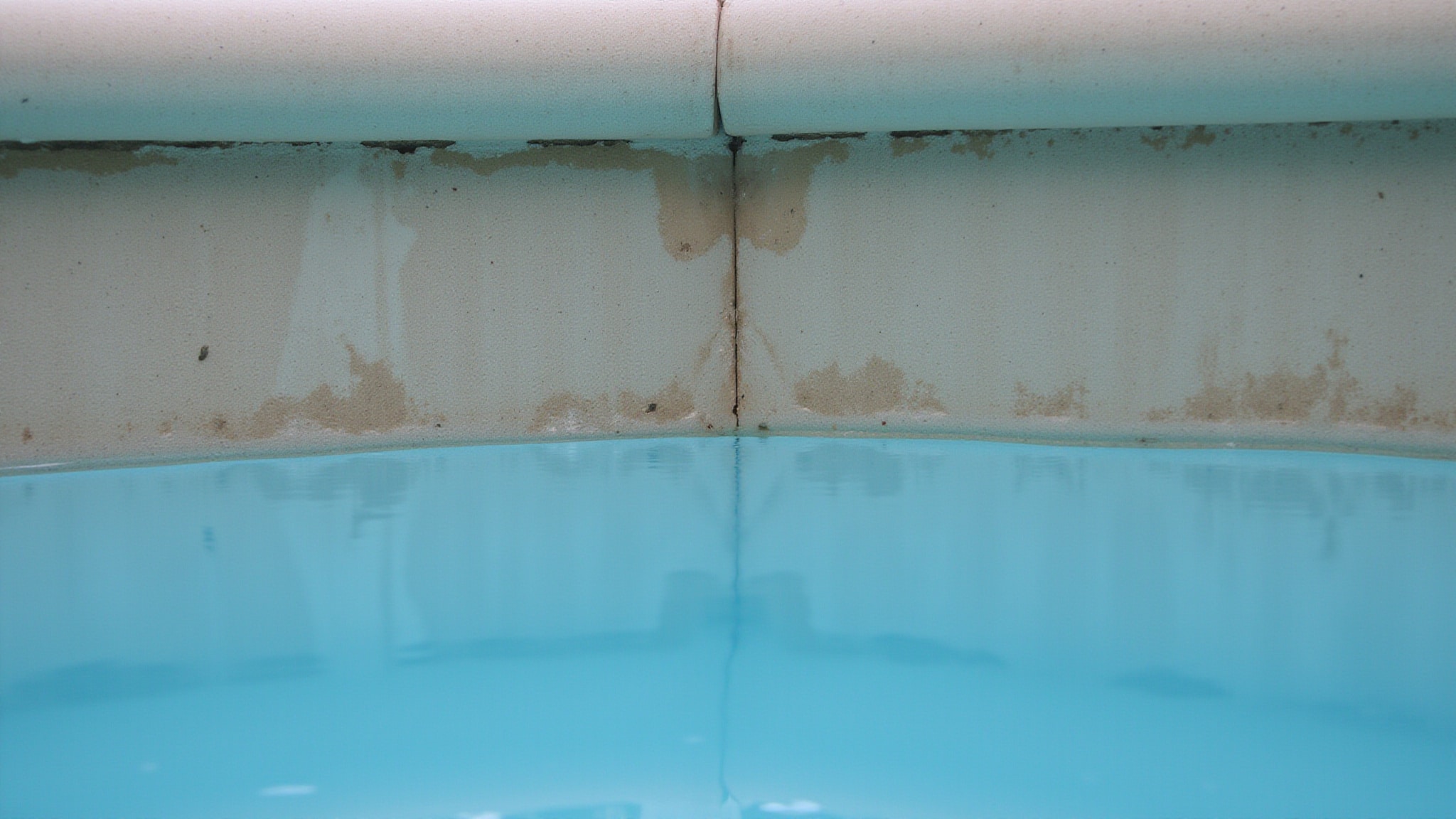
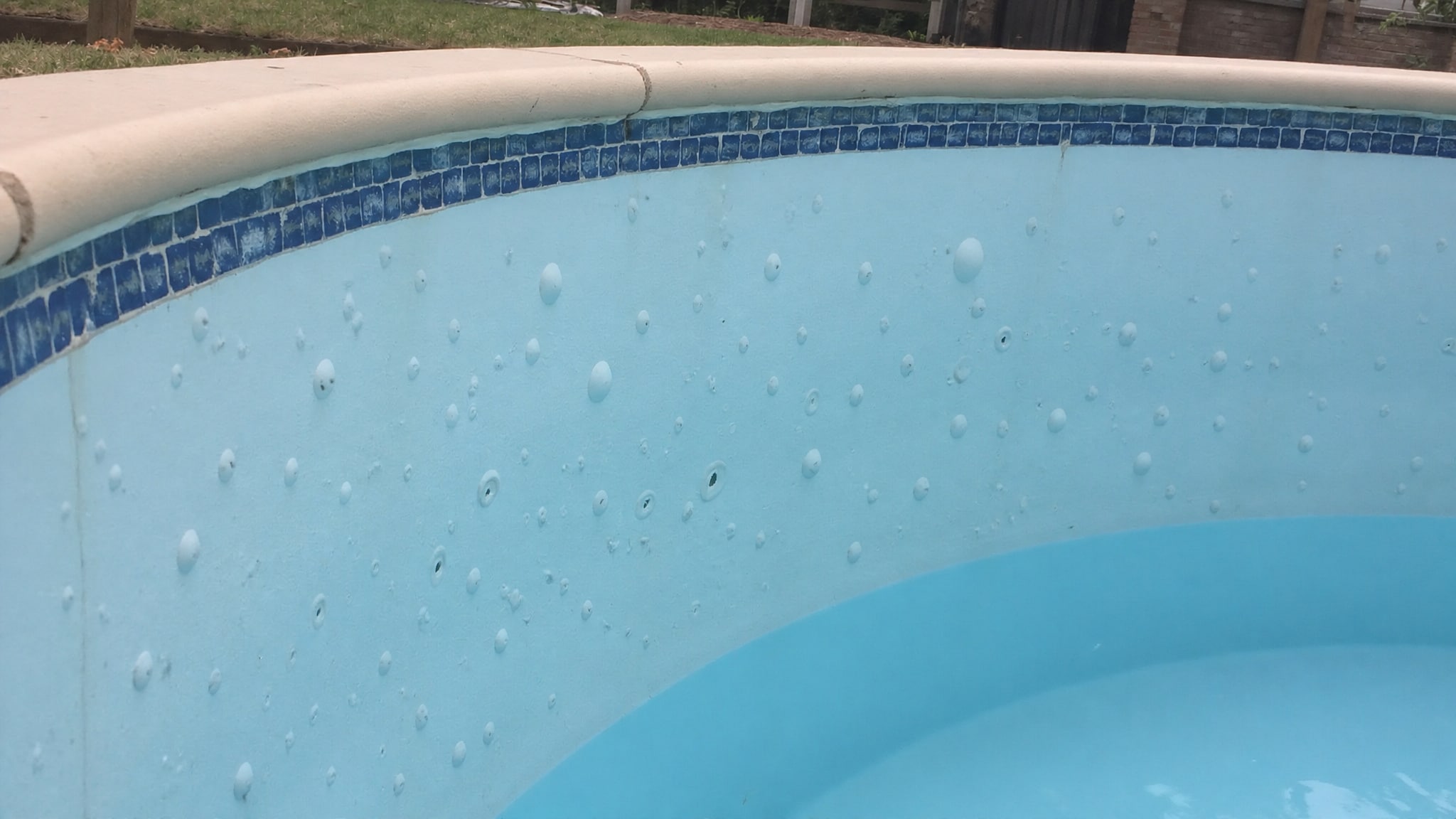
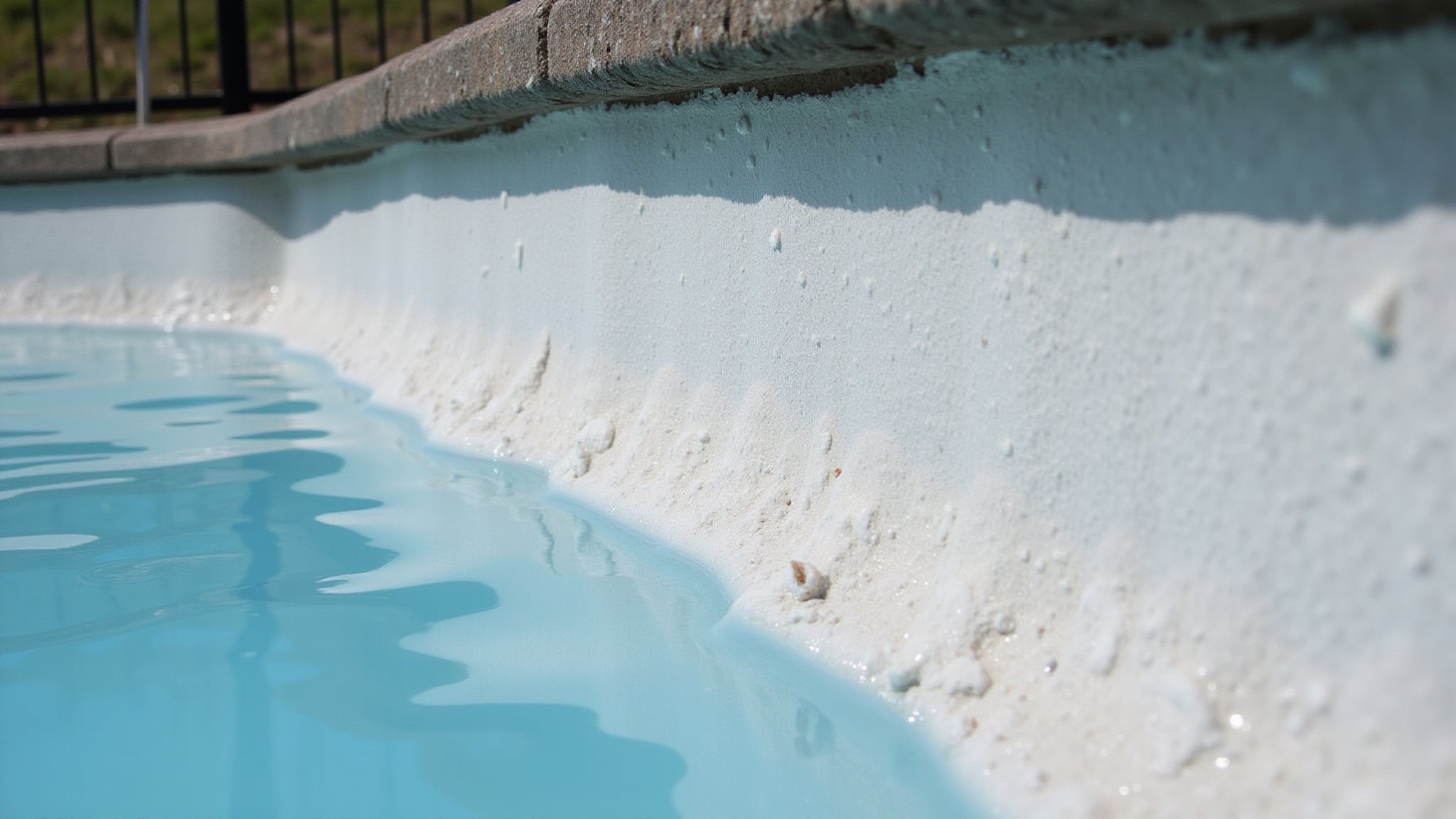
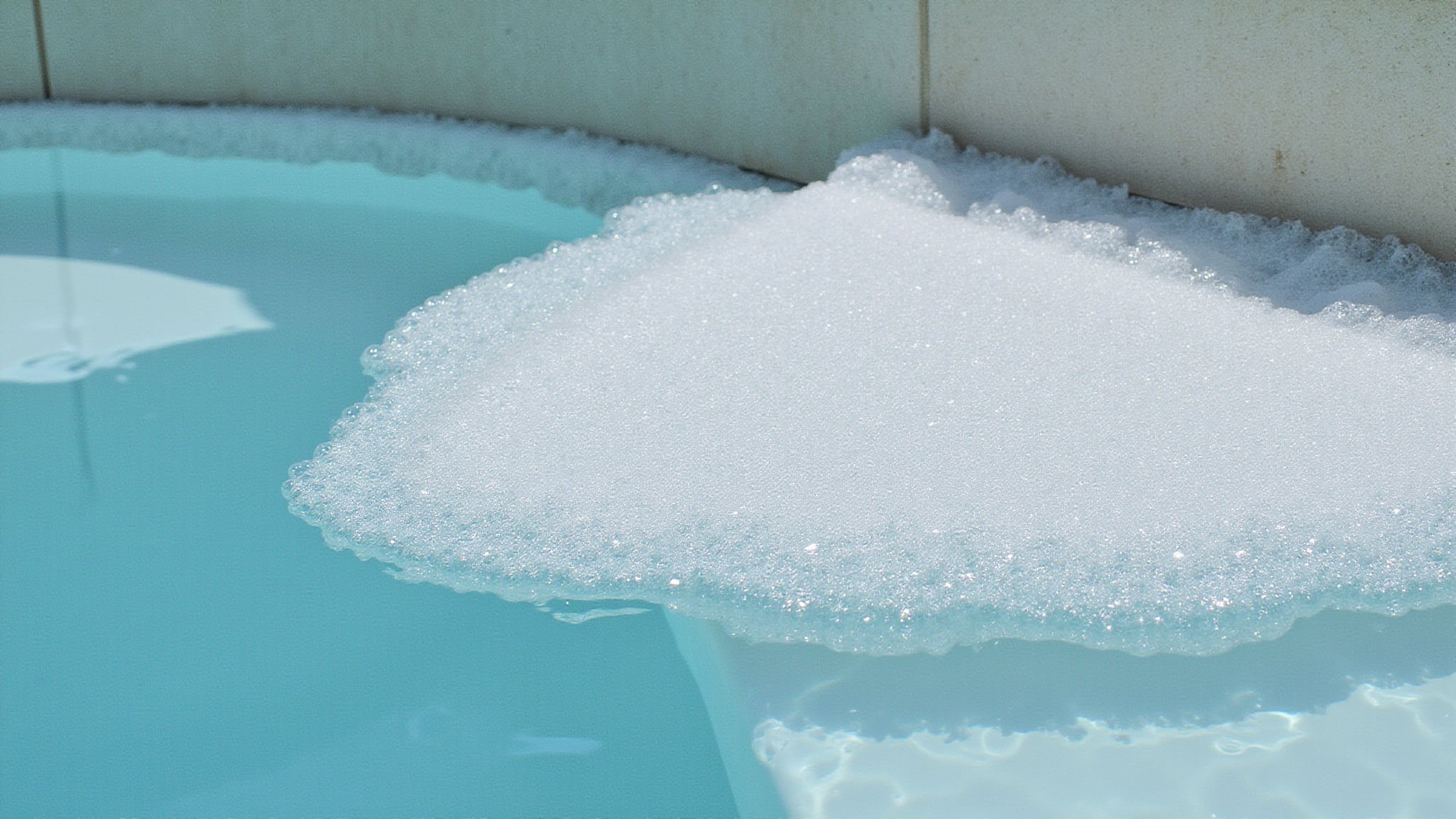
Test your pool’s chlorine and pH two to three times a week under normal conditions. When temperatures climb above 70ºF, ramp up to weekly, then twice weekly at 90ºF and above. Cold water slows chlorine consumption, so you can stretch intervals in winter. Test daily during heavy use, and retest immediately after storms or rain. Other parameters need less attention. Below, you’ll find exactly how to dial in each interval.
Key Takeaways
- Test chlorine and pH 2, 3 times weekly under normal conditions, adjusting frequency based on temperature and pool usage.
- Increase testing to daily during heavy swimmer loads, parties, or when small children and pets use the pool.
- In cold weather below 65ºF, test every two weeks, stretching to monthly below 60ºF or during winter.
- Retest immediately after storms, rain, or any visible change in water clarity or turbidity.
- Test alkalinity weekly, check cyanuric acid, calcium hardness, and salt monthly, and get professional verification monthly.
How Often Should You Test Pool Water?
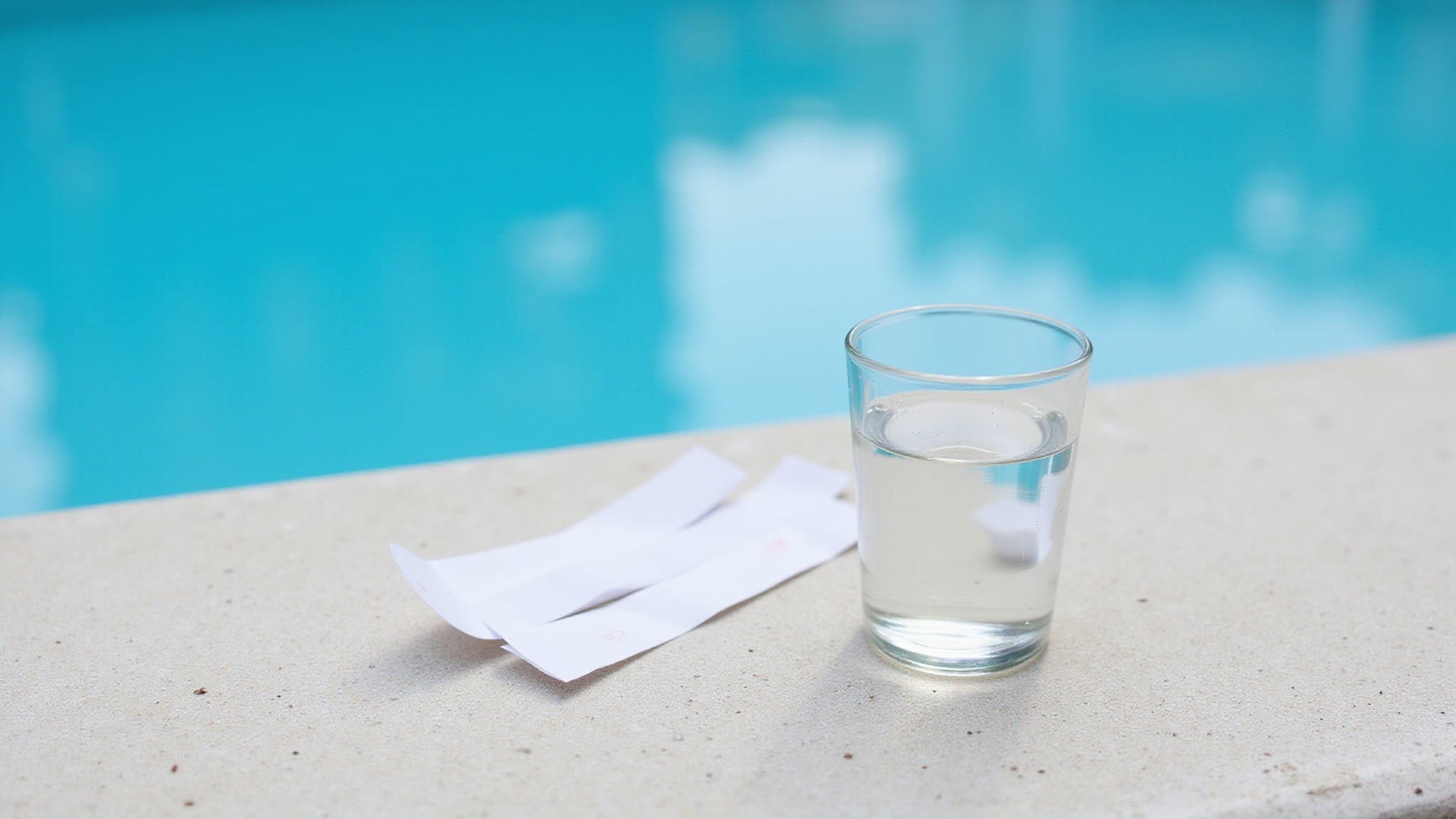
Test your pool water 2, 3 times per week for chlorine and pH, though the exact frequency depends on temperature, usage, and weather conditions. Your pool water testing frequency scales directly with heat: test every two weeks below 65ºF, weekly above 70ºF, and twice weekly or more when temperatures reach 90ºF. During winter off-season maintenance, reduce testing to every 2, 4 weeks.
Usage intensity drives additional pool water tests. Test daily if small children or pets frequently use the pool, and check free chlorine and pH daily during heat waves, parties, or heavy swimmer loads. Retest immediately after storms, heavy rain, or visible clarity changes.
Testing pool water on this adaptive schedule keeps your chemistry balanced and your water consistently safe.
Why Temperature Changes Your Testing Schedule
Temperature drives chlorine demand, so your testing schedule has to shift with the thermometer. In cold weather, you can test every two weeks when temperatures stay below 65ºF, dropping to monthly checks once they fall below 60ºF and stretching to every 2, 4 weeks during winter off-season maintenance. As temperatures climb, ramp up accordingly: test at least weekly above 70ºF and twice weekly or more when readings hit 90ºF and above.
Cold Weather Testing Intervals
Test chlorine levels every two weeks when temperatures stay below 65ºF, since cold water slows chlorine consumption and you don’t need to test as aggressively during the colder months. If temperatures drop below 60ºF, monthly testing suffices to maintain balance. During winter off-season maintenance, stretch intervals to every two to four weeks, since minimal sanitizer demand and reduced swimmer activity limit chemical fluctuation.
Understanding how often to test pool water in cold conditions prevents wasted effort and unnecessary chemical additions. Colder temperatures stabilize your water chemistry, so aggressive monitoring delivers diminishing returns. Still, don’t abandon your pool maintenance routine entirely, consistent, scheduled checks catch problems before they escalate. Track results to confirm your water stays within safe, balanced parameters throughout the season.
Warm Weather Testing Frequency
Test your pool more frequently as temperatures rise, since warm water consistently accelerates chlorine consumption. Once temperatures exceed 70ºF, test chlorine levels at least once weekly to keep sanitizer within range. When peak summer arrives and temperatures reach 90ºF and above, ramp up to twice weekly or more, since heat and UV exposure degrade chlorine rapidly. During heat waves, heavy swimmer use, or parties, check free chlorine and pH daily. If small children or pets frequently use the pool, daily testing becomes necessary. Under difficult circumstances, test multiple times daily until you’ve regained control of the water. Retest immediately after storms, heavy rain, or any visible change in water clarity. Warmer conditions demand vigilance, so adjust your frequency proactively rather than reactively.
When Heavy Use Calls for Daily Chlorine Tests
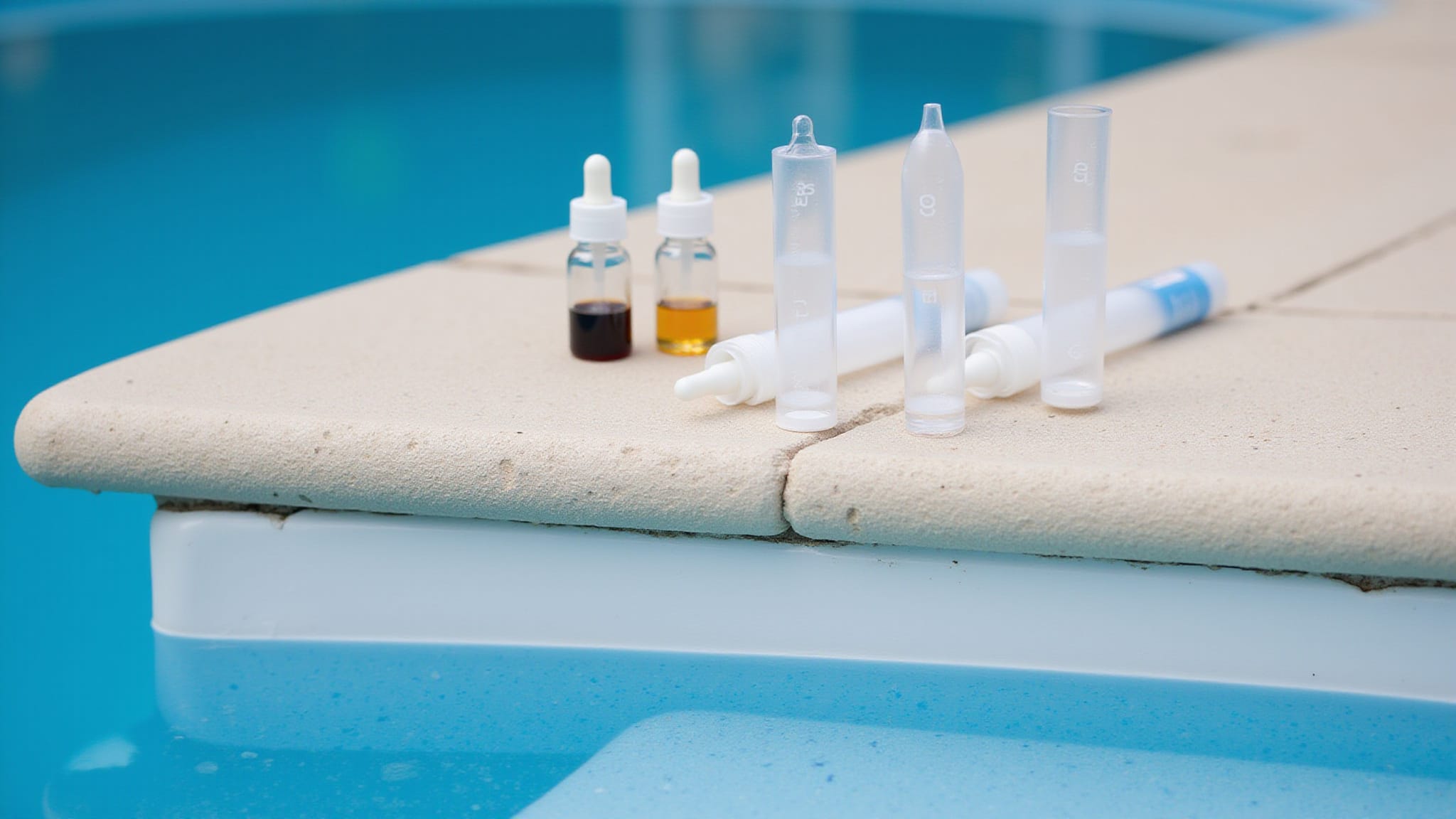
When you’re hosting parties or managing heavy swimmer loads, you need to check free chlorine and pH daily to keep up with rapid sanitizer depletion. If small children or pets frequently use your pool, test chlorine daily as well, since they introduce contaminants that strain your sanitizer. Under difficult circumstances, ramp up testing to multiple times daily until you’ve brought the water back under control.
Parties And Swimmer Loads
Parties and heavy swimmer loads spike chlorine demand fast. Every swimmer introduces contaminants, including sweat, sunscreen, and body oils, that consume free chlorine and destabilize pH. During parties or heavy swimmer loads, you can’t rely on standard schedules. Test free chlorine and pH daily, and increase frequency to multiple times daily if conditions demand until water stabilizes.
Prioritize these actions during high-traffic periods:
- Test free chlorine and pH daily, escalating to multiple checks per day when bather loads stay increased
- Retest immediately after any visible change in water clarity or turbidity
- Record every result to track consumption trends and anticipate future demand spikes
Maintaining conservative standards means checking sanitizer and pH more often when many people swim. Don’t wait for cloudiness to signal trouble.
Children And Pet Usage
Small children and pets who frequently use your pool require you to test chlorine daily. Heavy usage from these groups introduces contaminants, body oils, dirt, hair, and organic matter, that rapidly deplete free chlorine and destabilize water balance. Under difficult circumstances, ramp up testing to multiple times daily until you’ve regained control of the water.
Focus your daily checks on free chlorine and pH, the two parameters most sensitive to fluctuation. Collect samples 18 inches below the surface, away from returns and skimmers, and test at the same time each day for consistency. Record every result to track trends and catch recurring problems early.
Consistent daily monitoring keeps sanitizer levels adequate, protecting vulnerable swimmers and pets from waterborne pathogens and unsafe chemical conditions.
Retesting Pool Water After Storms and Rain
Retest your pool water immediately after storms and rain pass, because these weather events disrupt your pool’s chemical balance. Rainwater dilutes sanitizer concentrations, alters pH, and introduces contaminants that compromise water clarity and safety. Don’t wait for scheduled testing intervals, act the moment conditions stabilize.
After any significant weather event, prioritize these checks:
- Free chlorine: Rainfall depletes sanitizer levels, leaving your pool vulnerable to algae and bacterial growth.
- pH balance: Acidic rain shifts pH downward, reducing chlorine effectiveness and risking equipment corrosion.
- Water clarity: Any visible cloudiness or debris signals contamination requiring immediate correction.
Retest whenever you notice visible changes in water condition, not just after major storms. Prompt intervention prevents minor imbalances from escalating into costly, time-consuming remediation later.
How Often to Test pH and Alkalinity?
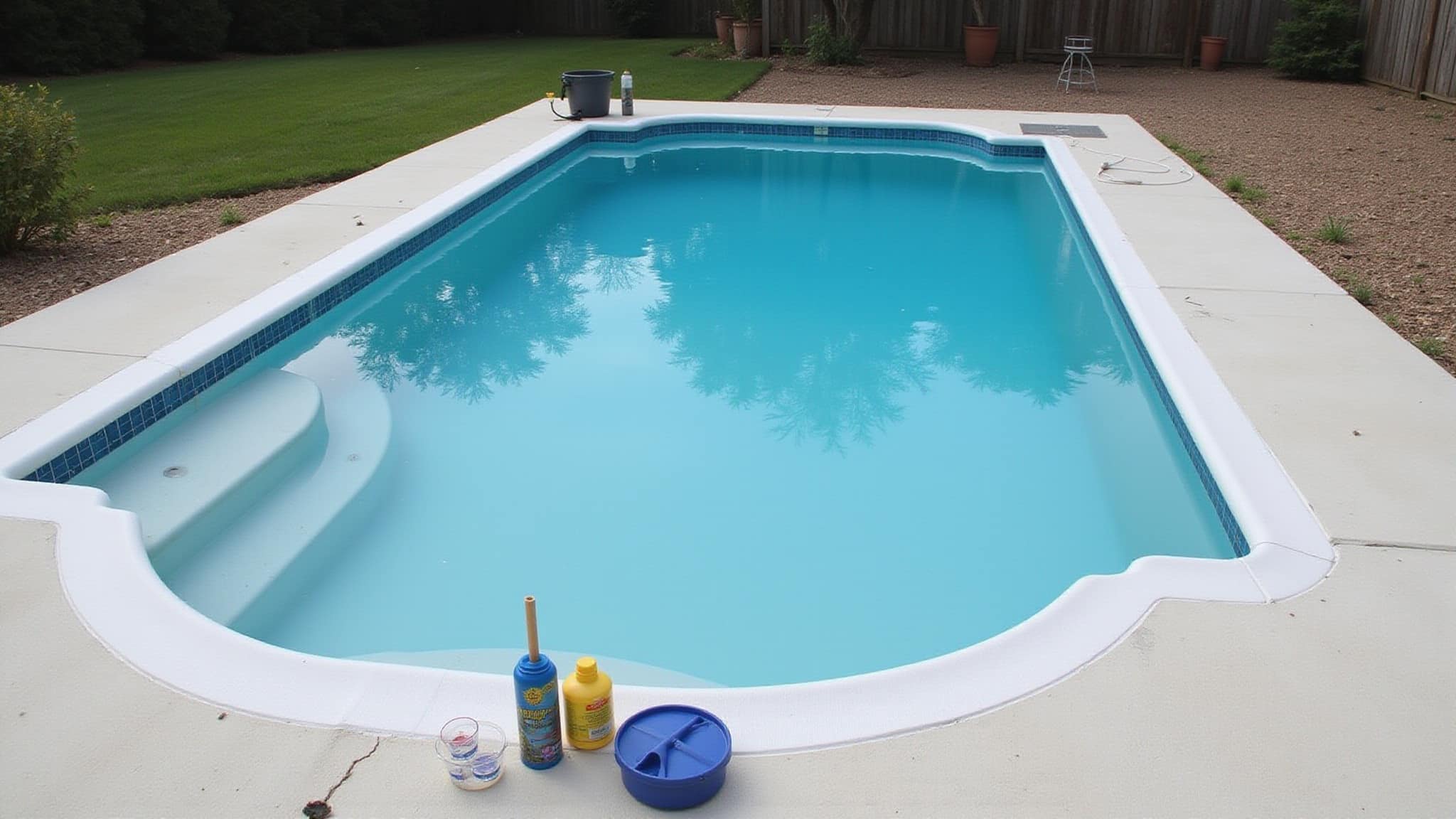
Test your pH levels two to three times per week under normal conditions, and check total alkalinity once weekly as your baseline. When heavy use or extreme weather hits, ramp up pH testing to daily. During heat waves, parties, or heavy swimmer loads, this daily frequency isn’t optional, it’s essential.
If your pH fluctuates frequently, increase alkalinity testing accordingly, since unstable alkalinity directly drives pH swings.
For maximum safety, follow CDC guidance and check both chlorine and pH at least twice daily, especially when many swimmers use your pool. Maintain conservative standards during high-traffic periods. Maintaining proper pool pH balancing is essential to ensure a safe swimming environment. Frequent testing will help you achieve the ideal balance of acidity and alkalinity.
Consistent monitoring of these two parameters prevents corrosion, scaling, and sanitizer inefficiency, keeping your water balanced and swimmer-safe.
Monthly Tests for Salt, Calcium, and Stabilizer
Test cyanuric acid, calcium hardness, and salt levels once monthly, since these parameters shift far more slowly than chlorine and pH. These stabilizing chemicals don’t fluctuate with daily sun exposure or swimmer load, so frequent testing wastes reagents and time. Instead, schedule a consistent monthly check to catch gradual drift before it compromises water balance.
Slow-moving parameters like cyanuric acid, calcium hardness, and salt need only monthly checks, frequent testing simply wastes reagents and time.
- Cyanuric acid (stabilizer): Protects chlorine from UV degradation. Test monthly or as needed after dilution from heavy rain or refills.
- Calcium hardness: Prevents scaling and corrosion. Verify monthly to protect surfaces and equipment.
- Salt levels: Monitor monthly, since salt balancing is less delicate than other chemicals.
For added assurance, bring a sample to a pool store monthly, letting professionals verify these slower-moving parameters against your home readings.
When to Get a Professional Water Test
Get a professional water test once monthly by taking a water sample to a pool store for a thorough professional check. Schedule professional testing when opening and closing your pool each season, since these changes demand precise chemical calibration.
Even if you rely on home test strips, bring samples to experts periodically for verification. Supplement your monthly professional visits to keep your pool in top shape. Many stores offer free in-store water tests every other week, checking pH, chlorine, calcium hardness, salt, stabilizer, and alkalinity in one pass.
This layered approach guarantees your home readings stay accurate and your water chemistry remains balanced, catching problems before they compromise water quality or damage equipment.
Smart Testing Habits for Consistent Results
Smart testing habits start with consistency, which drives accurate results, so you’ll want to standardize how and when you collect samples. Testing at the same time of day eliminates variables introduced by fluctuating sunlight, temperature, and swimmer activity. Where you draw your sample matters just as much as when.
Follow these core practices to ensure reliable, repeatable readings:
- Collect water from 18 inches below the surface, away from returns or skimmers, where circulation won’t skew concentrations.
- Rinse test containers with pool water before use to prevent residue contamination, and never sample immediately after adding chemicals.
- Record every result to track trends and identify recurring issues before they escalate.
Standardizing your methodology helps you catch subtle chemical shifts early and maintain tighter control over water balance.
Conclusion: How Often to Test Your Pool Water
Regular testing is what keeps pool water safe, clear, and comfortable. For most pools, testing two to three times a week during swim season, and more after heavy use or storms, keeps chlorine and pH in the right range. Reliable test kits and fresh strips give accurate readings, and consistent testing prevents small imbalances from becoming bigger problems. A simple testing routine is the foundation of easy pool maintenance.
Call Today and Build a Pool Made for Easy Care
Every well-built fiberglass pool starts with proper construction, right from the first shovel of dirt to the final finish. At Schiller Pools in Stuart, FL, our skilled team delivers dependable Pool Construction built around lasting quality and low-maintenance living. Call +1 (561) 475-5997 today and start planning your dream pool.
Frequently Asked Questions
What Type of Test Kit Is Most Accurate for Home Use?
Liquid drop-based test kits and digital testers are generally more accurate than test strips, which are convenient but less precise. Digital testers are easy to read and consistent, while liquid kits are a long-time standard. For everyday checks, strips are fine, but a liquid or digital kit is better when you want a precise reading.
Can I Test Pool Water Without Any Kit at All?
Not reliably. You can spot obvious problems like cloudy water or a strong chlorine smell, but you cannot measure chlorine, pH, or other levels without a test. Some pool stores test a water sample for free, which is a good option in a pinch, but a home kit is the practical way to stay on top of it.
What Chlorine and pH Levels Are Considered Ideal?
For most pools, free chlorine is generally kept around 1 to 3 parts per million and pH between about 7.4 and 7.6. Keeping both in range makes the sanitizer effective and the water comfortable. Other levels like alkalinity and stabilizer matter too, so a full test now and then rounds out the picture.
How Long Do Pool Test Strips Stay Accurate After Opening?
Test strips are sensitive to moisture and air, so they lose accuracy over time once the container is opened, often within a season or so. Keep the cap sealed tight, store them in a cool, dry place, and avoid touching the pads. If readings seem off or the strips are past their date, replace them.
Does an Indoor Pool Need Less Frequent Testing Than Outdoor?
Indoor pools avoid sun and rain, which can make chemistry a bit more stable, but they still need regular testing. Heavy use, humidity, and ventilation all affect the water, and indoor pools can develop their own issues like chloramine buildup. Testing a few times a week is still the safe habit indoors.