
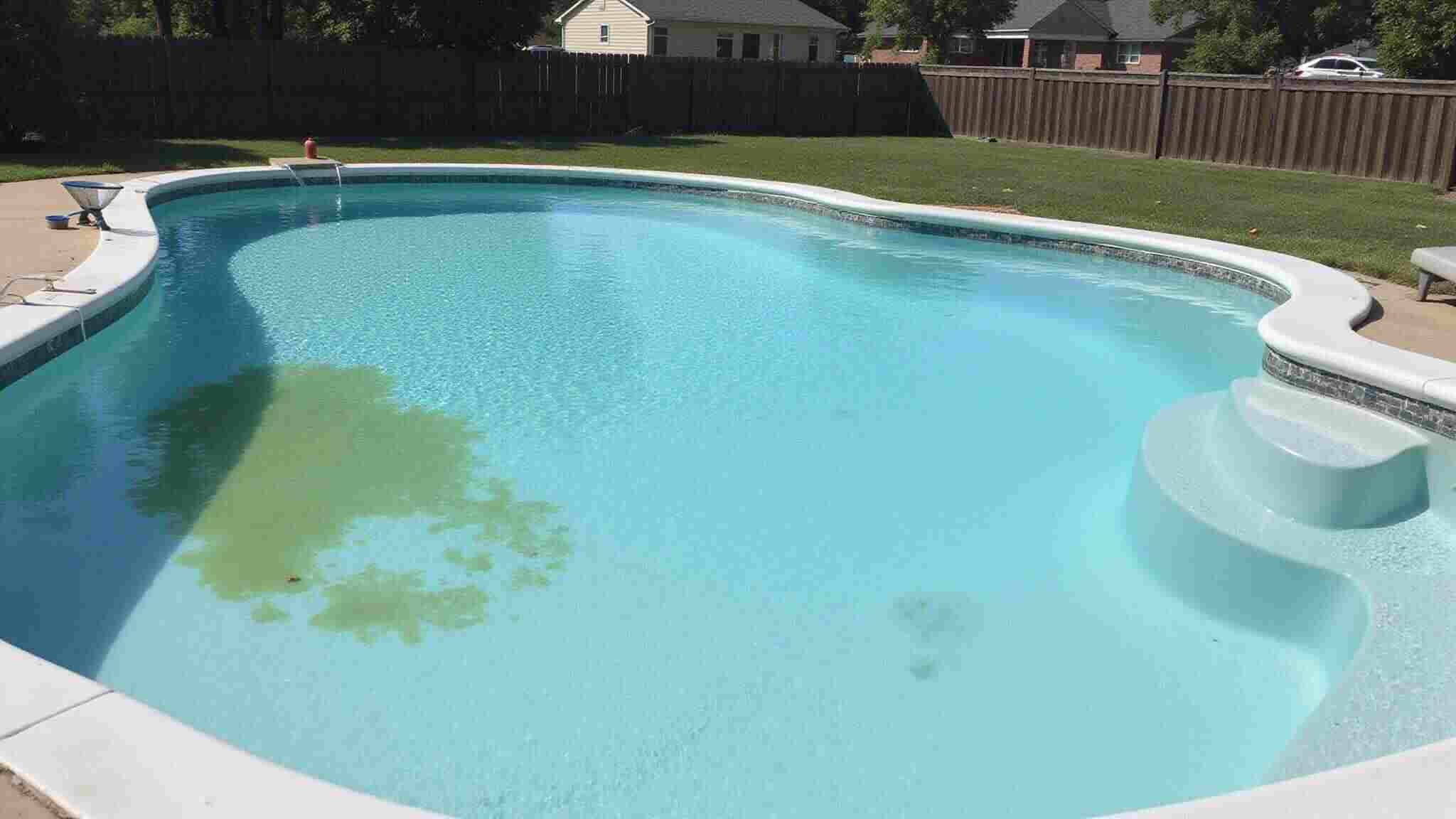
When you’re remodeling your pool, prioritize upgrades that deliver both performance and ROI. Variable-speed pumps slash energy consumption by up to 90%, while pebble or quartz aggregate finishes last 15-25 years versus standard plaster. Smart automation platforms integrate filtration, heating, and chemical dosing into one system with predictive maintenance alerts. In warm-climate markets like Phoenix or Austin, these upgrades can boost home values by $50,000 or more, and each feature below breaks down exactly why.
Pool Upgrade ROI by Climate and Region
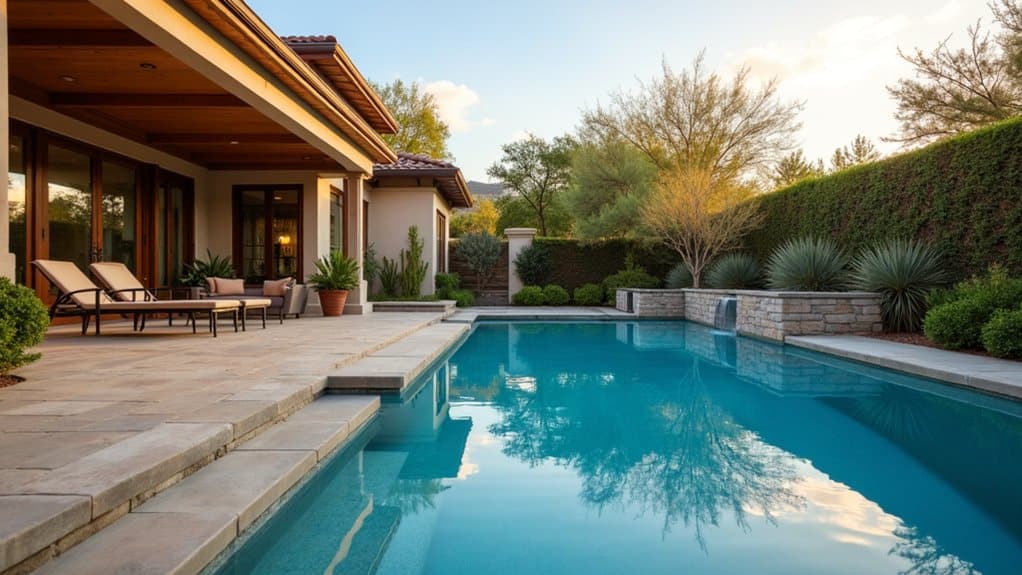
While pool renovations deliver value nationwide, your geographic location substantially impacts the return you’ll see on upgrade investments. In warm climates like Arizona and Florida, you’ll recover 30-70% ROI on renovation costs, with Phoenix properties gaining 7% home value increases. Los Angeles pools command premiums up to $95,000. The ROI justifies the investment, variable-speed pumps alone cut energy consumption by up to 80%, while automated chemical management reduces product usage by 35, 50%, making upgrades competitive even when compared to resistance swimming pool cost considerations for performance-focused setups. Expect overall utility bills to drop 30, 50%, with most systems paying for themselves within 2, 4 years through operational savings and reduced maintenance costs, while full smart home integration with platforms like Control4 or Crestron typically requires a budget of $6,000, $10,000 depending on complexity.
Your investment in pool automation and energy-efficient pool equipment performs differently across markets. Austin homeowners see $50,000+ value additions, while Tampa-St. Petersburg’s 51.9% pool listing share demonstrates strong buyer demand. Fort Myers leads the nation with a 20.4% premium for homes with pools, making it one of the strongest markets for renovation investments. However, if you’re in colder regions like the Midwest or Northeast, expect lower returns, recovering $6,000-$8,000 on a $20,000 renovation versus $12,000-$15,000 in Sun Belt markets. Hudson Valley remains an exception, where pools return 2-3x installation costs. A 2023 industry survey found that 65% of real estate agents reported modern pools with energy-efficient pumps or smart controls increased buyer interest regardless of region. Keep in mind that annual maintenance costs averaging $1,200 to $1,800 may factor into buyer calculations when assessing your upgraded pool’s value.
Energy-Efficient Pool Equipment That Pays for Itself
When you’re already investing in a pool remodel, upgrading to energy-efficient equipment delivers measurable payback that compounds year after year. Variable-speed pump technology reduces energy consumption by up to 90%, operating at 20-600 watts versus single-speed alternatives. You’ll recoup your investment in under two years through utility savings. The flexibility to adjust flow rates based on your pool’s specific needs also helps extend pump life significantly.
Heat pumps cut energy use by 80% compared to gas heaters, while LED lighting systems consume 85% less electricity than incandescent fixtures and last 20,000+ hours. Smart automation platforms optimize filtration cycles, slashing energy consumption by 75% through intelligent scheduling based on usage patterns and utility rates. These systems can also prevent unnecessary equipment operation, trimming waste by automatically adjusting to weather conditions.
Robotic cleaners further reduce operational costs by 83%, saving approximately $250 annually while decreasing chemical usage by 35-60% through minimized evaporation. Variable-speed pumps also deliver better filtration quality because slower water movement allows for more thorough removal of impurities, ensuring cleaner pool water.
Surface Finishes That Erase Years of Wear
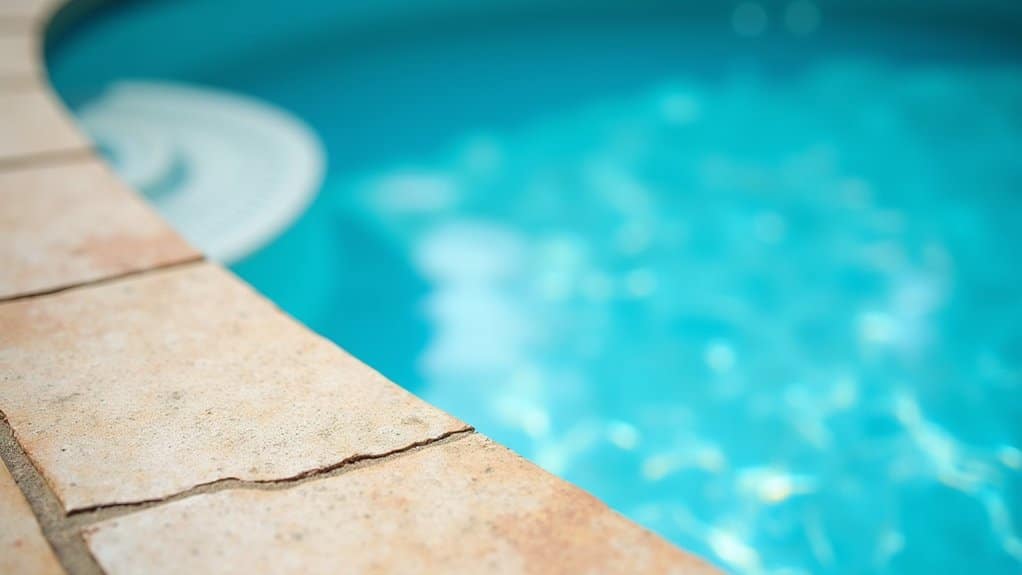
Surface refinishing delivers the most dramatic visual transformation during any pool remodel, instantly erasing decades of staining, etching, and discoloration. Your finish selection directly impacts longevity, plaster lasts 5-10 years, quartz extends to 12-18 years, and pebble finishes deliver 15-25 years of service.
In hard water regions like Phoenix, plaster deteriorates rapidly from high calcium and mineral content. Pebble and quartz finishes resist scaling, chemical damage, and UV fading far better than traditional plaster surfaces. Traditional plaster also requires more frequent maintenance including regular brushing, acid washing, and periodic resurfacing to address staining and etching issues.
Consider how your new finish interacts with pool lighting upgrades. Quartz particles reflect light beautifully, while pebble textures create natural depth variations. Quartz finishes achieve their distinctive appearance through colored ceramic pigments embedded in the silica and quartz aggregate. Glass tile finishes offer the longest lifespan at 25+ years and pair exceptionally well with LED systems. Beyond aesthetics, pebble finishes provide better slip resistance than smoother options, enhancing poolside safety for swimmers.
Coordinate your finish selection with other renovation work to maximize installation efficiency and cost savings.
Smart Pool Controls for Hands-Off Management
Smart pool controls represent the logical next step after upgrading your surface finish, you’ve invested in how your pool looks, so now it’s time to optimize how it operates. These pool upgrades integrate variable-speed pumps, automated chemical dosing, and heating systems into a single management platform. For those looking to enhance their outdoor space further, inground pool conversion ideas can transform a standard pool into a luxurious oasis. By considering eco-friendly options such as natural filtration systems and solar heating, you not only elevate the aesthetics but also improve efficiency. These thoughtful updates can create a more enjoyable swimming experience while potentially increasing the value of your property.
You’ll control everything via smartphone, voice commands through Alexa or Google Assistant, or custom one-touch scenes. Real-time monitoring tracks pH levels, water temperature, and equipment status while predictive maintenance alerts catch problems before they escalate. The system also learns your pool usage patterns to detect anomalies proactively and enable data-driven decisions about maintenance scheduling. You can even program personalized scenarios like “Pool party mode” that adjust lighting, water features, and temperature simultaneously for specific activities.
The ROI justifies the investment, variable-speed pumps alone cut energy consumption by up to 80%, while automated chemical management reduces product usage by 35-50%. Expect overall utility bills to drop 30-50%, with most systems paying for themselves within 2-4 years through operational savings and reduced maintenance costs. For full smart home integration that coordinates your pool with platforms like Control4 or Crestron, budget between resistance swimming pool cost depending on complexity. The ROI justifies the investment, variable-speed pumps alone cut energy consumption by up to 80%, while automated chemical management reduces product usage by 35, 50%, making upgrades competitive even when compared to resistance swimming pool cost considerations for performance-focused setups. Expect overall utility bills to drop 30, 50%, with most systems paying for themselves within 2, 4 years through operational savings and reduced maintenance costs, while full smart home integration with platforms like Control4 or Crestron typically requires a budget of $6,000, $10,000 depending on complexity.
Pool Safety Features Buyers Actually Want
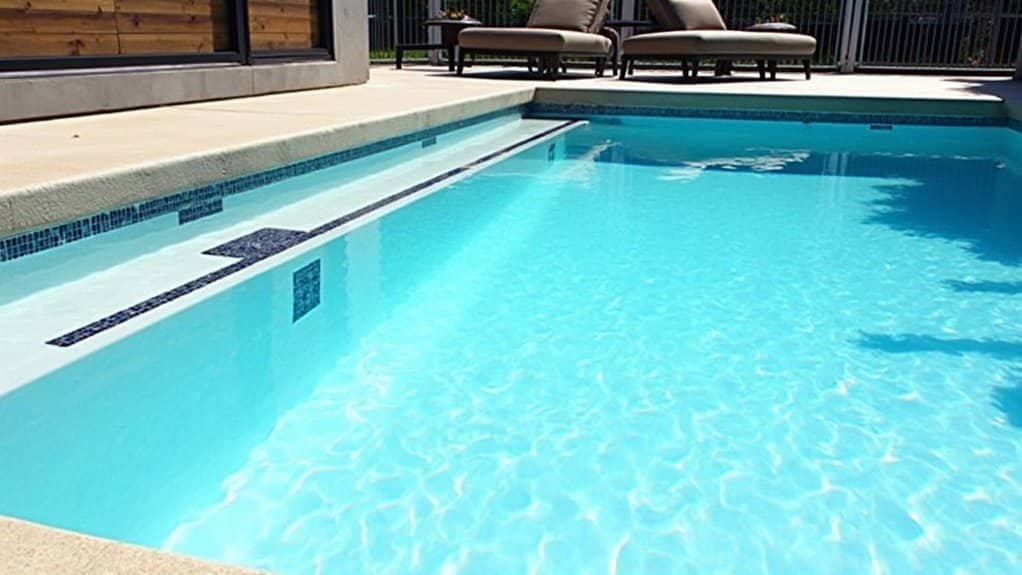
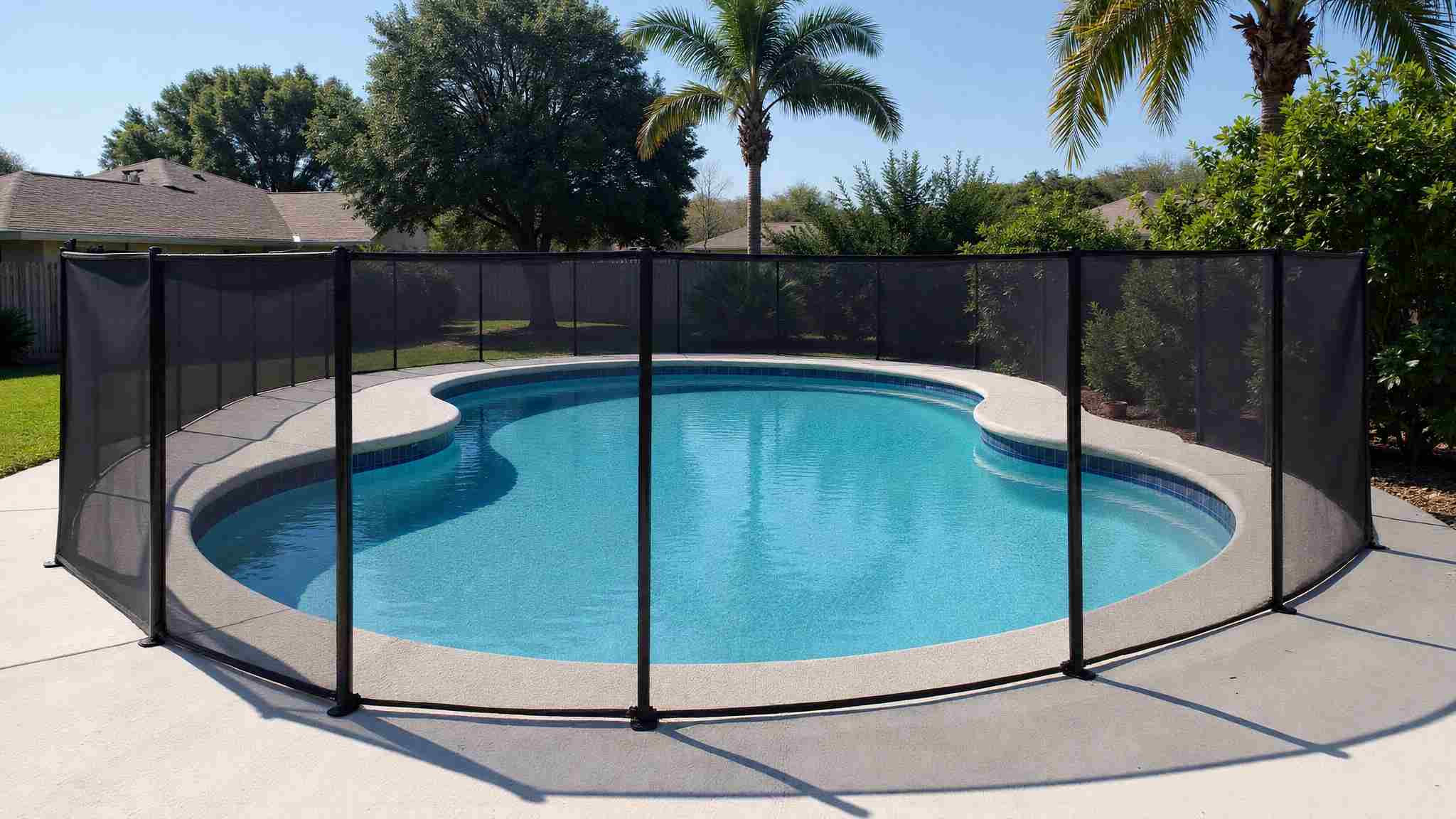
Although smart controls optimize your pool’s operation, safety features directly protect lives, and they’ve become non-negotiable for today’s buyers. Four-sided fencing with self-closing, self-latching gates remains the foundational layer, physically blocking access before water contact. Mesh fencing options offer durability with removability for families with young children.
Modern swimming pool upgrades now integrate multiple detection systems. Subsurface pressure alarms meet ASTM F2208 standards with the lowest false alarm rates, while AI-powered cameras like SwimCam detect humans approaching before entry occurs. Wearable devices such as Safety Turtle activate instantly upon submersion, sending smartphone alerts to guardians.
Automatic covers serve dual purposes, preventing accidental falls while reducing evaporation by up to 95%. With over 10.7 million pools across the country, the demand for comprehensive safety systems continues to grow among homeowners and buyers alike. For pools serving elderly family members or those with mobility challenges, beach-style or wide, tiered entries with tactile finishes aid safe movement and provide confidence when entering the water. You’ll maximize protection by layering these systems throughout your remodel.
Ready to Transform Your Backyard?
Your dream pool is closer than you think. At Schiller Pools, our experienced team brings over 40 years of expertise to every project, delivering stunning fiberglass pool installations and custom pool construction that turn ordinary backyards into extraordinary outdoor retreats. With flexible financing options and lifetime warranty backing, there has never been a better time to get started. Call (561) 475-5997 today for your free estimate.
Frequently Asked Questions
Can I Add a Spa or Hot Tub During My Pool Remodel?
Yes, you can add a spa or hot tub during your pool remodel. Concrete in-ground pools offer the most flexibility, while fiberglass or liner pools present challenges. You’ll choose between an attached spa sharing your pool’s circulation system or a standalone unit with independent plumbing. Expect plumbing, electrical, and heating upgrades. Built-in spas typically cost $30,000, $55,000+. A site evaluation determines structural reinforcement needs and verifies code compliance.
How Long Does a Typical Pool Remodel With Upgrades Take to Complete?
A typical pool remodel with upgrades takes 4-8 weeks to complete. You’ll spend 2-3 weeks in the planning and design phase, followed by 1-2 weeks for demolition and prep work. The construction and finishing phases run 2-4 weeks, depending on your scope. If you’re adding features like spas or waterfalls, expect the timeline to extend to 10-12 weeks. Curing time and final inspections add another 1-2 weeks.
Do Pool Upgrades Require Additional Permits Beyond the Main Remodel Permit?
Yes, certain upgrades often require separate permits beyond your main remodel permit. Electrical work for lighting systems, plumbing modifications for water features, and gas lines for heaters typically need trade-specific permits. Your contractor should pull these individually based on project scope. In Maryland, even energy-efficient lighting upgrades mandate permits, while structural additions like spas require additional inspections. Always verify with your local building department, permit requirements vary drastically by jurisdiction and upgrade type.
What Lighting Options Work Best for Nighttime Swimming and Entertaining?
LED pool lights deliver the best combination of brightness, energy efficiency, and customization for nighttime swimming and entertaining. You’ll get multi-color options, programmable light shows, and dimming capability while consuming 80% less power than halogen alternatives. Models like Pentair IntelliBrite and Hayward ColorLogic dominate the market for good reason. If you’re prioritizing ambiance over intensity, fiber optic systems offer unique mood-enhancing effects with superior electrical safety since the power source stays outside the water.
Should I Upgrade My Pool Deck Material When Remodeling the Pool Itself?
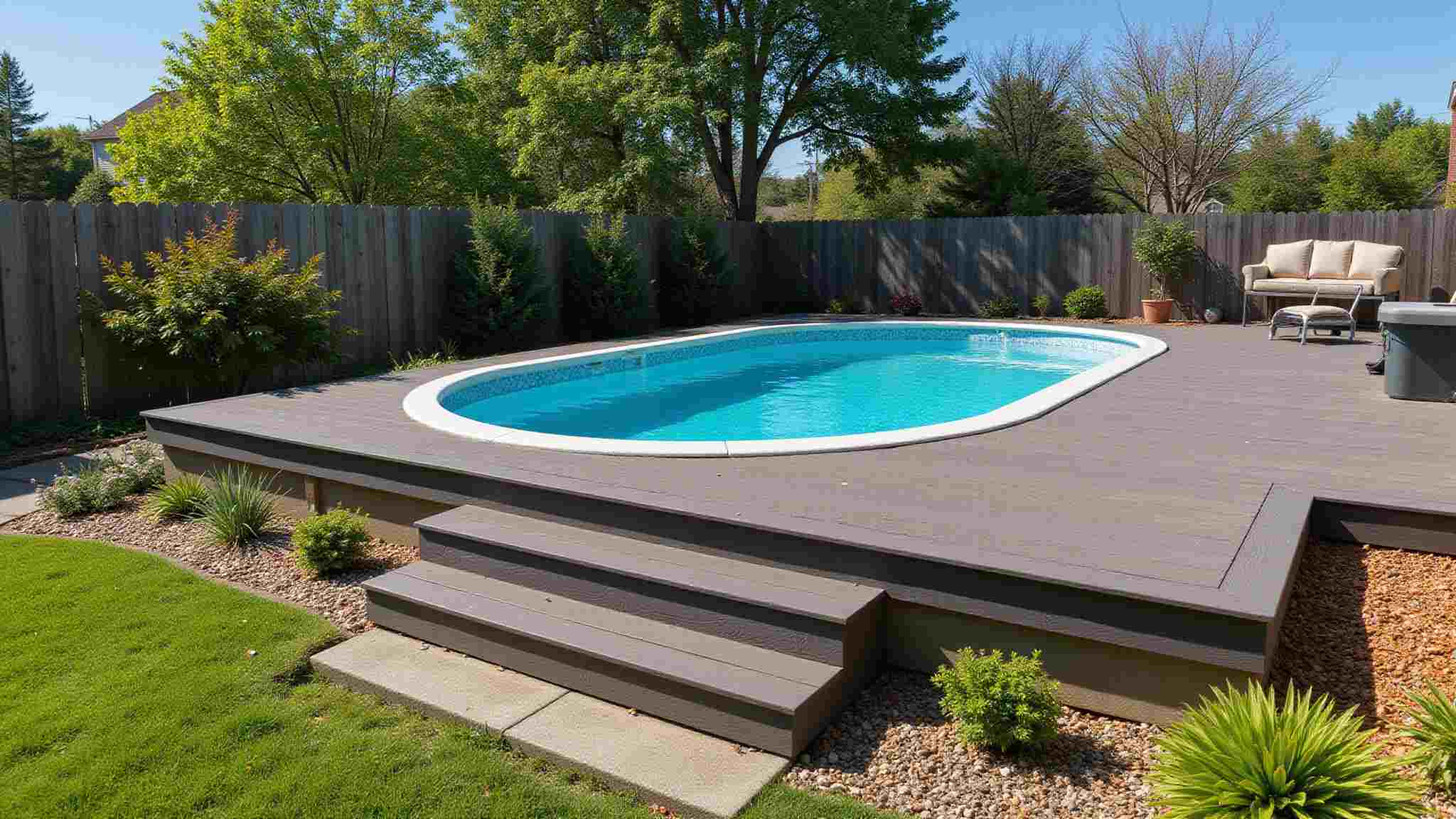
Yes, you should upgrade your deck material during a pool remodel, it’s the most cost-effective timing. Old decking presents slip hazards and structural concerns that worsen over time. Modern options like Carvestone (6,000+ PSI resistance), stamped concrete, or travertine pavers deliver superior durability against UV damage and moisture intrusion. You’ll gain slip-resistant surfaces, cooler touch temperatures, and reduced long-term maintenance. Coordinating both projects minimizes labor costs and guarantees cohesive aesthetic integration.