
You should shock your pool once a week during peak swimming season, applying the treatment at dusk to prevent UV rays from degrading the chlorine. For pools with minimal use, you can extend this to every one to two weeks. Always shock immediately after pool parties, heavy rainstorms, or when you notice cloudy water, strong odors, or visible algae. Understanding the signs and proper application techniques will help you maintain ideal water chemistry.
How Often Should You Shock Your Pool?
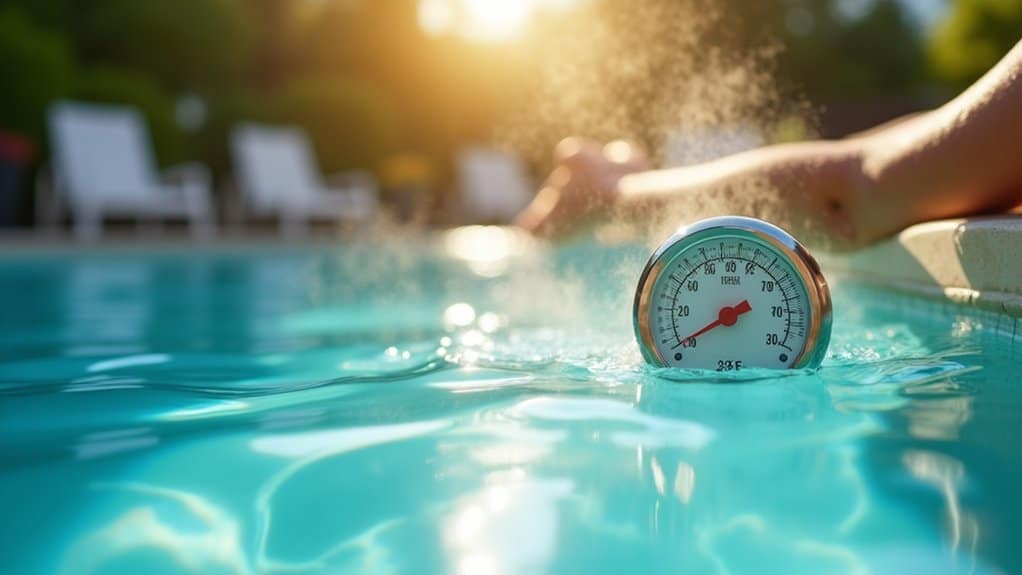
When maintaining a pool, you’ll need to establish a consistent shocking schedule based on your specific usage patterns and environmental conditions. During peak swimming season, shock your pool once weekly to maintain chlorine levels between 1-3 ppm, with 3 ppm being ideal.
Your pool shock schedule should account for actual usage. If you’re wondering when to shock pool water, the answer depends on swimmer load and environmental factors. For pools with minimal use, you can extend treatment to every 1-2 weeks. However, how often to shock pool water increases during heavy usage periods. You should also shock your pool immediately after hosting parties or following significant weather events to restore proper chemical balance. Since chlorine dissipates faster in direct sunlight, always add shock at night to ensure it stays active in the water.
When should I shock my pool beyond regular maintenance? Monitor water clarity and test chlorine levels regularly. Adjust frequency when conditions change or contamination occurs. Additionally, shock your pool when you notice unpleasant odors or cloudy water, as these indicate chloramine and organic buildup that needs to be addressed.
What’s the Best Time of Day to Shock a Pool?
Why does timing matter for pool shock treatments? UV rays degrade chlorine rapidly, reducing your shock’s effectiveness before it can properly oxidize contaminants. You’ll waste chemicals and effort by shocking during peak sunlight hours.
Apply shock treatments at dusk or after sunset. This timing gives chlorine the full night to work without fighting UV-caused degradation. Run your pump and filter system overnight to distribute chemicals evenly throughout the water.
Shock your pool at dusk and run the pump overnight for maximum chlorine effectiveness without UV interference.
Evening application provides approximately eight hours of uninterrupted oxidation for chlorine-based shocks. By morning, your pool’s typically ready for swimming once you’ve verified free chlorine levels fall within safe ranges. Non-chlorinated shock treatments may allow you to swim sooner since they don’t require the same extended waiting period.
If you can’t avoid daytime shocking, add chlorine stabilizer to extend your treatment’s lifespan. However, evening application remains the professional standard for maximum efficiency. Check chlorine levels the following morning before allowing anyone to enter the water. When considering the best time to shock pool water, the overall goal is to optimize the chlorine effectiveness and minimize disruption. Keeping your pool’s pH balanced before shocking can also enhance the treatment’s impact. Regularly monitoring water chemistry will help ensure a safe and inviting swimming environment.
Signs Your Pool Needs a Shock Right Now
Five warning signs indicate your pool requires immediate shock treatment.
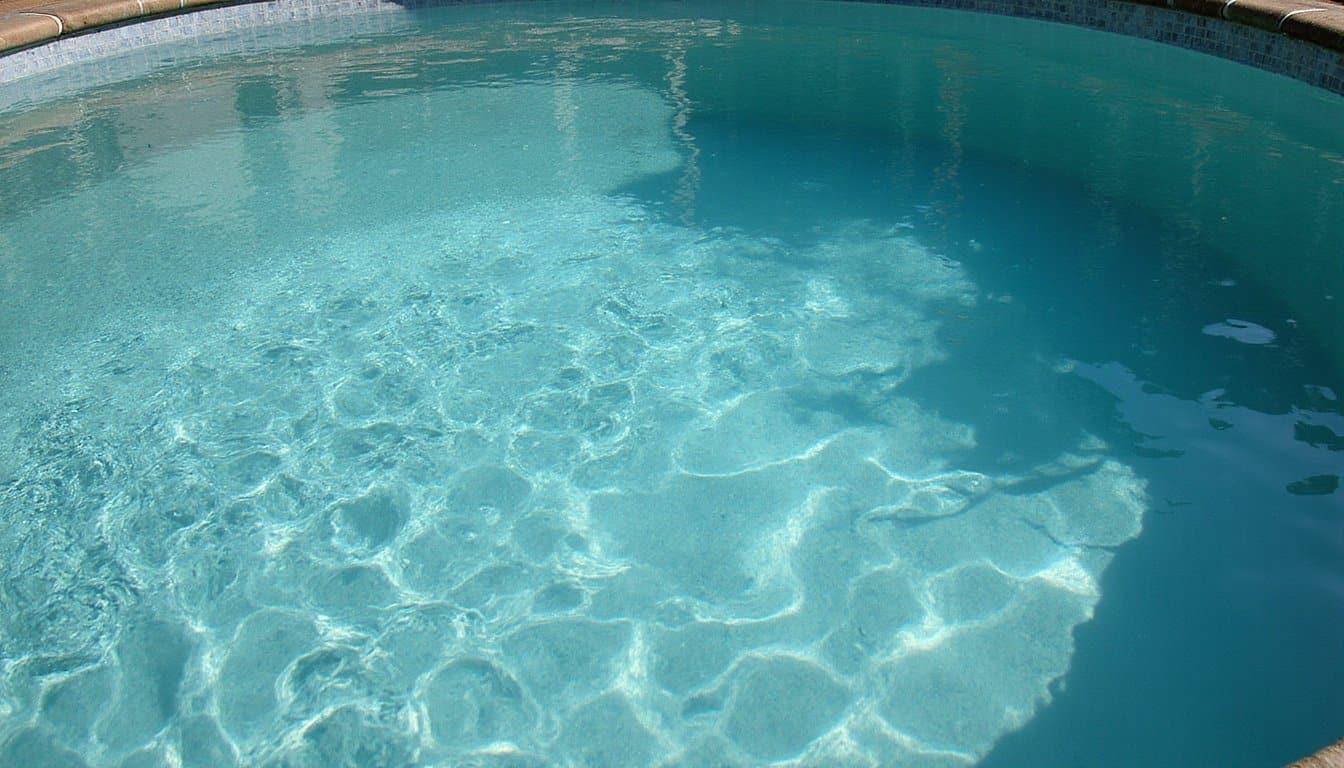
Cloudy Water, When your water turns murky or hazy, contaminants have overwhelmed your free chlorine. This chemistry imbalance allows bacteria and algae to multiply rapidly. Regular testing with a digital water testing kit can help you identify when free chlorine levels have dropped too low.
Strong Chlorine Smell, Counterintuitively, that chemical odor signals insufficient sanitization. Chloramines form when chlorine binds with contaminants, and levels exceeding 0.5 ppm require oxidation through shocking.
Visible Algae, Green, yellow, or black growth demands immediate action regardless of your cleaning efforts. Since warmer water temperatures accelerate chemical reactions, shocking during peak summer months can help eliminate algae growth more quickly.
Eye and Skin Irritation, Red, itchy eyes or irritated skin indicate heightened combined chlorine levels disrupting proper sanitization. These symptoms often appear after heavy use such as pool parties or entertaining multiple guests.
Unusual Odors or Discoloration, Musty smells, foamy surfaces, or water tinted green, yellow, or brown signal organic waste accumulation requiring swift shock treatment to neutralize contaminants.
When to Shock More Often: Weather, Parties, and Heavy Use
Certain conditions demand you shock your pool more frequently than your standard maintenance schedule allows. High temperatures and intense UV exposure accelerate chlorine breakdown, requiring you to shock at night when degradation slows. Prolonged heat waves promote bacterial proliferation, shortening intervals between treatments to weekly or more in peak summer months.
After pool parties or heavy gatherings, shock within 24-48 hours. Multiple swimmers introduce sweat, sunscreen, oils, and cosmetics that overwhelm standard chlorination. Heavy bather loads correlate directly with heightened chloramine buildup. This shocking process helps neutralize pollutants and stabilize chlorine levels before your next swim.
Storms present another trigger. Rain introduces contaminants and raises pH levels, while wind carries debris and pollutants into your water. Post-storm shocking resets water chemistry and eliminates flushed bacteria. In storm-prone regions, maintain shock supplies for immediate post-event treatment. Before adding shock after any of these events, test your water chemistry to prevent over-treatment and ensure safe swimming conditions.
How Long Should You Run Your Pump After Shocking?

How long you run your pump after shocking directly determines whether the treatment succeeds or fails. For routine maintenance shocking, operate your pump for a minimum of 6 hours to disperse chemicals evenly throughout the water. However, 8-10 hours provides better integration and stabilizes chlorine levels within the safe 1-4 ppm range.
Run your pump 8-10 hours after shocking for optimal chemical distribution and stable chlorine levels.
When treating algae-affected pools, extend pump operation to 24 hours for thorough elimination. Heavy contamination scenarios also require this extended duration to achieve complete disinfection. In cases of fecal contamination, you may need to run the pump for up to 72 hours to ensure proper sanitation.
Your shock type matters too. Chlorine-based products need 10+ hours of circulation, while non-chlorine oxidizing shocks require minimal run time. Non-chlorine shock also balances water chemistry effectively when used alongside other disinfectants in your pool system. Always check manufacturer recommendations for product-specific requirements.
Continuous filtration during this period removes dead algae particles, clears chloramines, and captures debris released during treatment. Test your chlorine levels daily for a few days after shocking to ensure the treatment was effective and make adjustments as needed to maintain proper sanitizer levels.
How Soon Can You Swim After Shocking Your Pool?
Knowing the correct wait time after shocking prevents skin irritation, eye damage, and respiratory issues from heightened chlorine exposure.
Chlorine-Based Shock Wait Times
You’ll need to wait 8 to 24 hours after applying chlorine-based shocks. Calcium hypochlorite requires 24 to 48 hours, while sodium dichlor needs 12 to 24 hours. Don’t rely solely on time, test your water to confirm chlorine levels have dropped below 5 ppm, ideally between 1 and 4 ppm.
Non-Chlorine Shock Entry
Potassium monopersulfate shocks dissolve quickly, allowing safe swimming within 15 to 30 minutes post-application.
Critical Testing Protocol
Always verify chlorine levels with a test kit before entering. Amplified readings above 10 ppm cause significant irritation. Run your filter continuously after shocking to accelerate chemical dispersal. Higher dosages for algae treatment extend wait times up to 48 hours. For personalized guidance based on your specific pool conditions, consult a pool professional to determine the safest swimming timeline.
How to Apply Pool Shock for Maximum Effectiveness
Applying pool shock correctly comes down to preparation, timing, and proper circulation. Before you begin, test your water and guarantee pH sits between 7.2 and 7.6 ppm. Wear gloves and goggles when handling shock products.
For granular shock, dissolve it in a bucket of pool water before application. Pour the pre-mixed solution slowly around the pool’s perimeter while walking the edges for even distribution. after knowing how to shock a pool correctly, ensure you test the water chemistry afterwards to confirm that the chlorine levels have returned to a safe range. It’s also beneficial to give the pool a good brushing to help circulate the treatment throughout the water. Regular maintenance will keep your pool healthy and inviting for swimmers.
To maximize effectiveness, follow these critical steps:
- Apply shock at dusk to prevent UV degradation of chlorine
- Run your pump continuously for at least 8 hours post-treatment
- Brush pool surfaces to dislodge algae spores during circulation
- Maintain cyanuric acid levels for daytime applications
- Achieve free chlorine at 10x combined chlorine for ideal sanitation
Allow 12 to 24 hours for complete contaminant elimination.
Frequently Asked Questions
Can You Shock Your Pool Too Often and Damage the Liner?
Yes, you can damage your vinyl liner by shocking too often. Excessive chlorine exposure causes fading, reduces liner softness, and leads to potential bleaching. You should shock only every 4-6 weeks unless water quality issues arise. When you do shock, pre-dissolve the granules in a bucket first, pour the solution around pool edges, and consider using non-chlorine shock for gentler treatment that protects your liner’s integrity.
Does Pool Shock Expire or Lose Effectiveness Over Time?
Yes, pool shock expires and loses effectiveness over time. Liquid shock degrades fastest, losing 50% potency within six months and becoming nearly useless after one year. You’ll get better longevity from granular calcium hypochlorite, which lasts up to five years in airtight containers. Store all shock products in cool, dark locations away from moisture. If you notice clumping, caking, or no chemical response after dosing, replace your stock immediately.
Can You Use Pool Shock in Hot Tubs or Spas?
You shouldn’t use pool shock in hot tubs or spas. Pool shock contains high calcium levels that cause scale buildup and clog pipes in smaller systems. Its undissolved granules damage acrylic surfaces and equipment. Instead, use spa-specific products like SpaGuard Spa Shock or non-chlorine oxidizers designed for hot tub volumes. These dissolve quickly, won’t harm surfaces, and work safely with your existing chlorine or bromine sanitizer system.
Will Shocking My Pool Affect the Water’s Calcium Hardness Levels?
Yes, shocking your pool can affect calcium hardness levels if you’re using calcium hypochlorite (cal-hypo) shock. This product contains calcium in its formulation and has a high pH of 10.8, 11.8, which contributes to increased hardness over time. You’ll want to monitor your levels regularly, maintaining 200, 400 ppm for most pools. If calcium hardness climbs too high, you’ll risk cloudy water, scale buildup, and clogged filters.
Should You Brush the Pool Walls Before or After Adding Shock?
You should brush the pool walls before adding shock treatment. Brushing first dislodges algae, biofilm, and debris from surfaces, making these contaminants accessible to the oxidizing agents in the shock. If you brush afterward, you’ll disturb settled particles that haven’t been fully treated. Complete your brushing, then vacuum or allow debris to settle near the drain before applying shock during evening hours for maximum chlorine effectiveness.