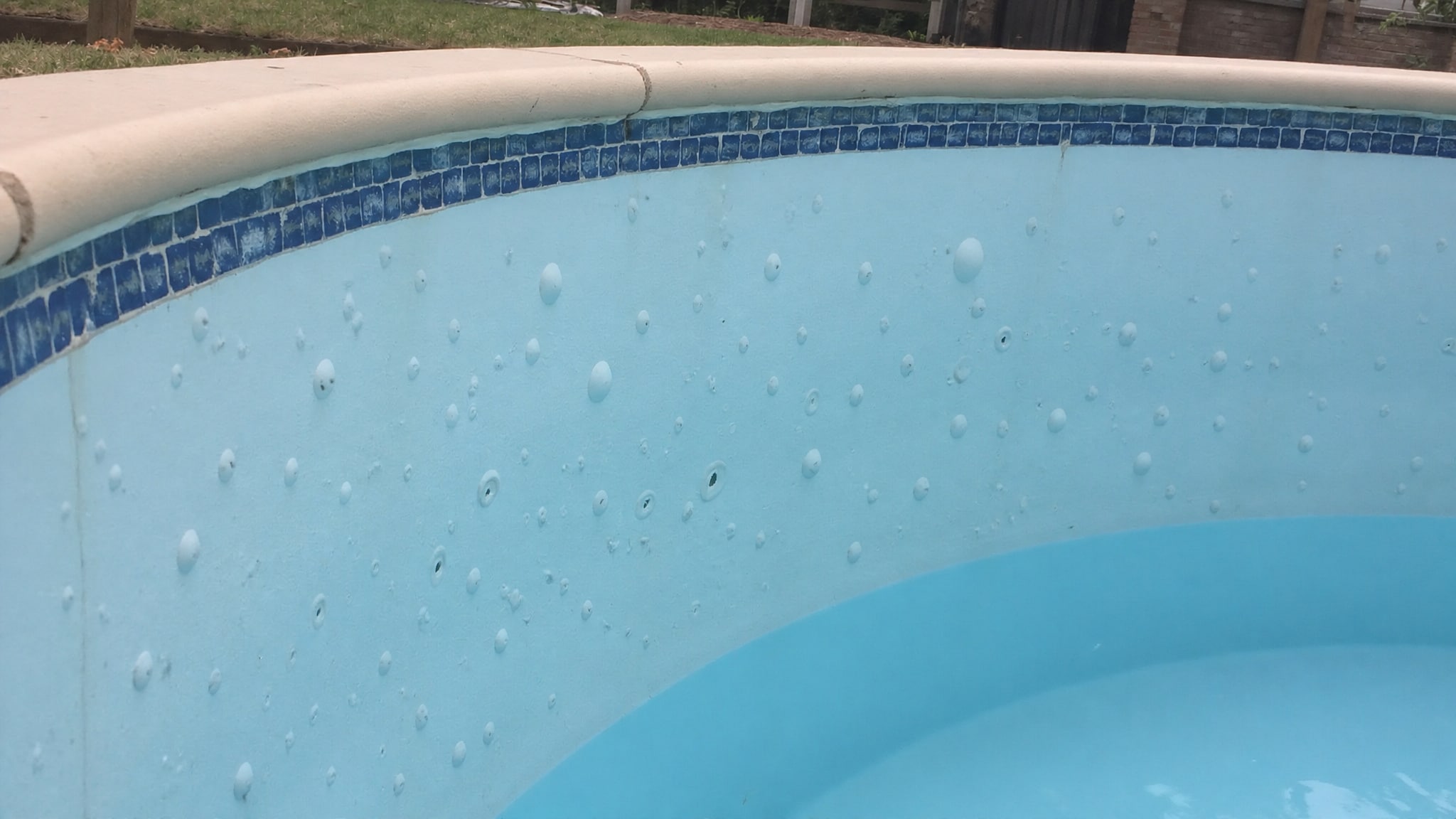
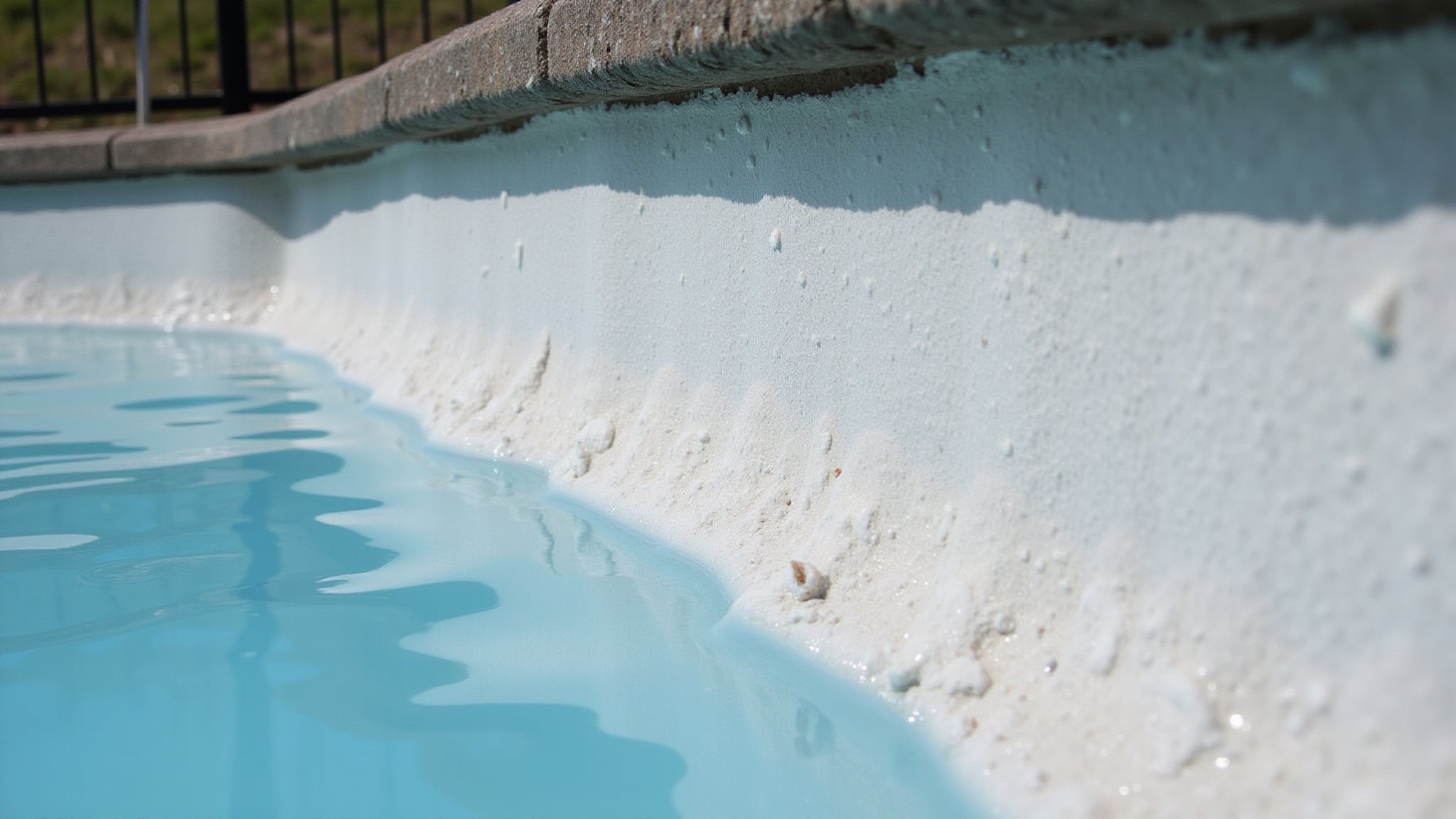
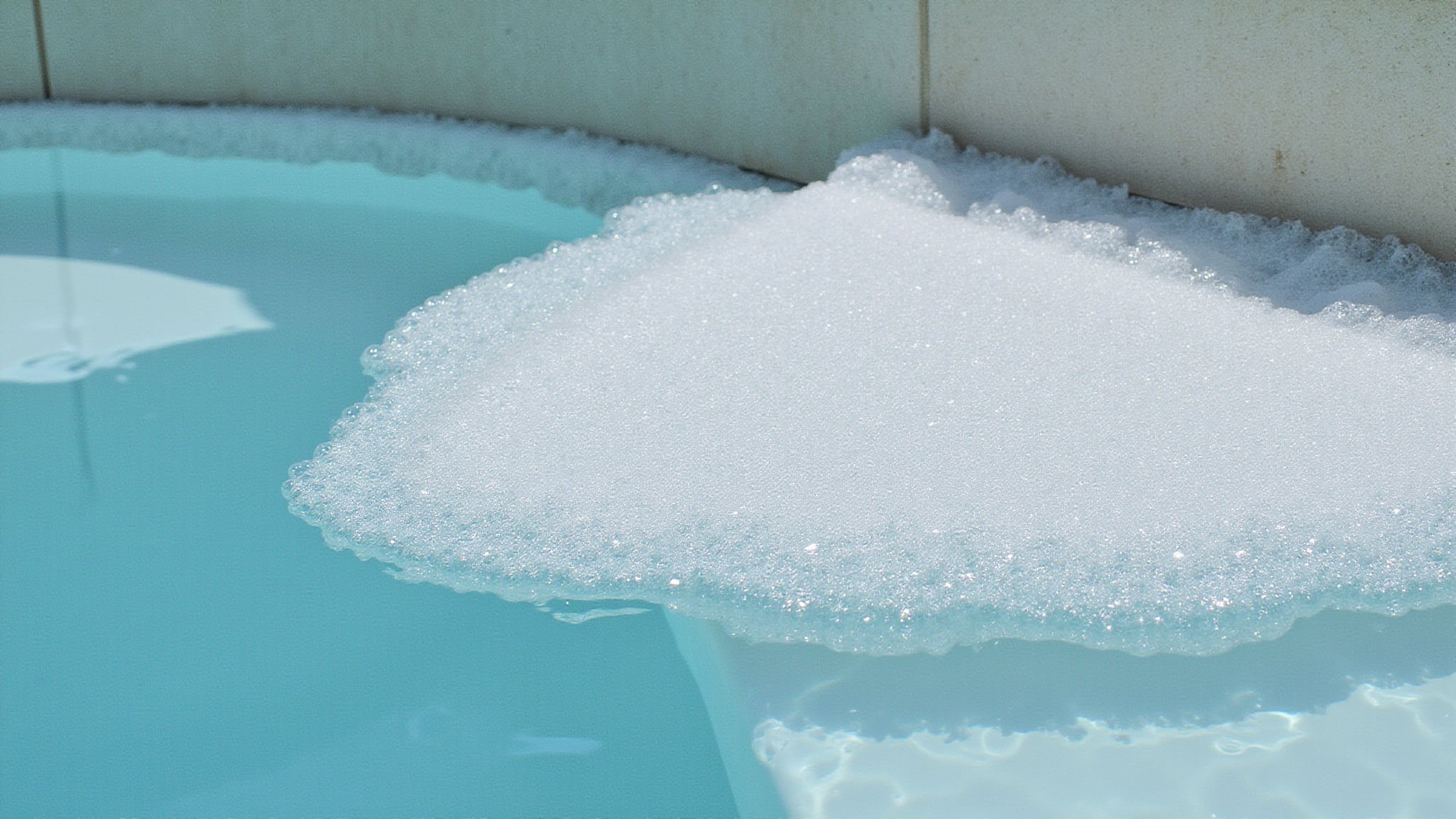
To protect your fiberglass gel coat, you’ll want a robot with PVA foam or soft rubber brushes and rubber treads that grip smooth walls without slipping. Skip stiff nylon or wire brushes, they’ll scratch or destroy the finish. Choose corded models like the Dolphin Nautilus CC Plus for larger pools, or cordless picks like the AIPER Seagull SE. Match capacity to your pool size and prioritize advanced filtration. There’s more worth knowing below.
Key Takeaways
- Choose non-abrasive brushes like PVA foam or soft rubber to protect the delicate gel coat from scratches.
- Ensure the robot has rubber treads for reliable grip and waterline climbing on smooth fiberglass walls.
- Match the robot’s capacity and range to your pool size, such as Nautilus CC Plus for pools up to 50 feet.
- Decide between cordless models like AIPER Seagull SE for flexibility or corded Dolphins for consistent, extended suction.
- Prioritize advanced filtration like NanoFilters™ to capture sand, algae, and microscopic particles effectively.
Why Fiberglass Pools Need a Special Robot
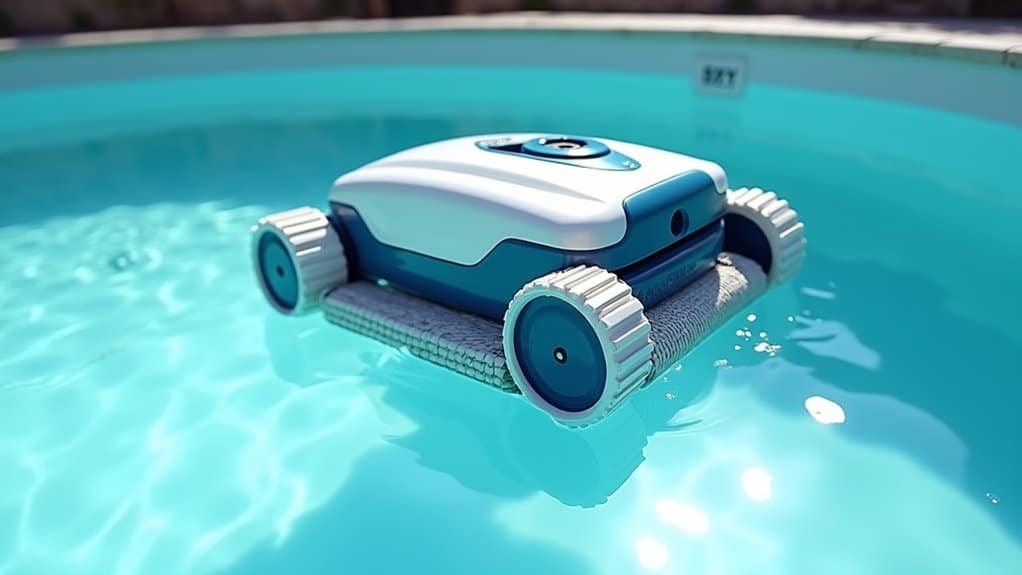
Fiberglass pools need a special robot because their delicate gel coat finish requires a cleaner that won’t scratch or damage that surface. A robotic pool cleaner for fiberglass must use non-abrasive brushes like PVA foam or soft rubber, never stiff nylon or wire brushes that scratch or destroy the gelcoat. You’ll also need rubber treads that grip smooth walls without slipping, since standard traction systems can lose their hold. The best pool cleaner fiberglass owners choose combines pump-driven suction for gentle, consistent power with waterline cleaning capability, addressing the specific attention fiberglass requires. Advanced filtration matters too, capturing sand, algae, and microscopic particles that basic mesh misses. Picking the right fiberglass pool cleaner keeps your surface intact and looking incredible for years.
Safe Brushes and Treads That Won’t Scratch Gel Coat
Safe brushes and treads that won’t scratch gel coat are non-abrasive brushes, either PVA foam or soft rubber, paired with rubber treads. Your robotic pool cleaner must use these non-abrasive brushes to lift algae, dirt, and debris without scratching the surface. Avoid stiff nylon brushes, which scratch the gel coat, and never use wire brushes, which cause outright destruction. For traction, you’ll want rubber treads. They grip smooth fiberglass walls without slipping, letting your pool cleaning robot climb reliably to the waterline. When you’re evaluating any model, confirm it has zero metal contact points. Match soft foam brushes with rubber treads, and you’ll clean thoroughly while keeping your gel coat intact for years.
Cordless vs Corded for Fiberglass Pools
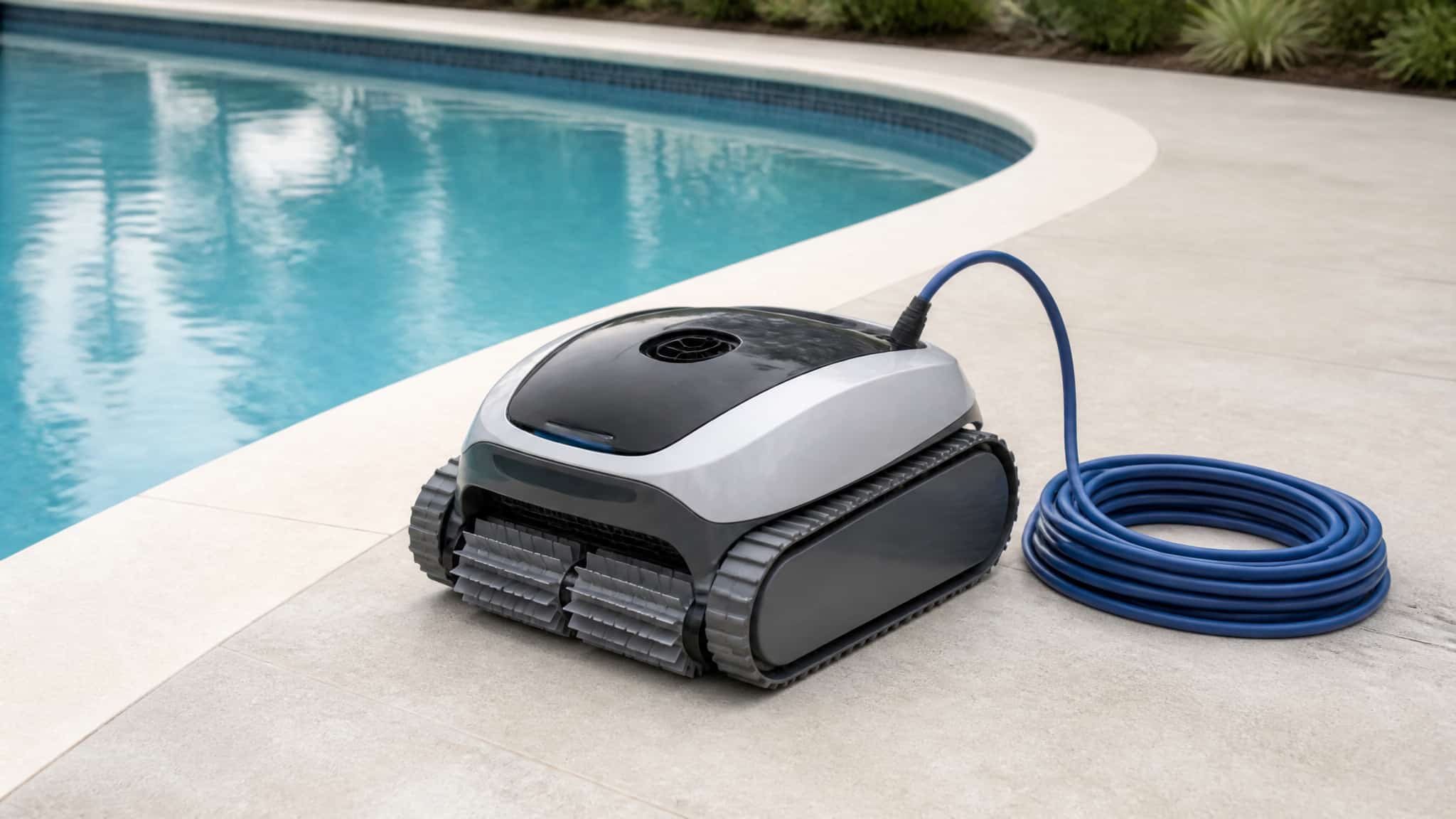
When you’re outfitting a fiberglass pool, you’ll weigh cordless freedom and flexibility against corded power and reliability. Cordless units like the AIPER Seagull SE deliver efficient zone coverage without cable drag near the gel coat, while corded models offer consistent pump-driven suction for extended cleaning cycles. Choosing your best fit comes down to matching runtime, traction, and filtration needs to your pool’s size and surface demands. When considering automation, the best fiberglass pool automation systems can greatly enhance your experience. These systems streamline maintenance processes, allowing you more time to enjoy your pool.
Cordless Freedom and Flexibility
Cordless pool robots give you the freedom to clean without cable tangles or power outlet constraints. Cordless units like the AIPER Seagull SE and WYBOT C1 free you from tangled cables and power outlet constraints, letting you drop the robot in and target specific zones without repositioning cords. The AIPER Scuba V3 AI handles varied pool sizes thanks to strong cleaning power, adapting to your fiberglass layout with efficient zone coverage. You’ll appreciate the maneuverability around waterlines and curved gelcoat surfaces, where snag-free operation reduces the risk of dragging cords across your smooth walls. Just verify your chosen cordless model uses PVA foam or soft rubber brushes and rubber treads to protect the gel coat while maintaining traction.
Corded Power and Reliability
Corded robots deliver consistent, uninterrupted cleaning power that suits fiberglass surfaces well. Pump-driven suction delivers steady, gentle force that lifts algae, dirt, and debris without stressing the gel coat. You’ll get sustained performance across longer cycles, critical for larger pools up to 50 feet, where the Dolphin Nautilus CC Plus excels.
Corded units like the Dolphin Sigma and Dolphin Premier pair reliable power with traction systems built for smooth fiberglass walls, so they grip and scrub waterlines without slipping. Advanced filtration, including NanoFilters™, captures microscopic particles that basic mesh misses.
You won’t worry about battery limits mid-cycle. For thorough, surface-conscious cleaning that protects your gelcoat run after run, corded reliability keeps your fiberglass pool immaculate.
Choosing Your Best Fit
Choose based on your pool size. For larger fiberglass pools up to 50 feet, corded models like the Dolphin Nautilus CC Plus deliver consistent, pump-driven suction and uninterrupted runtime. Their reliability suits extended cleaning cycles, especially when waterline attention and advanced filtration matter most. Fiberglass pools for saltwater systems offer a unique blend of durability and low maintenance. These pools are specifically designed to withstand the corrosive effects of saltwater, ensuring longevity and performance.
Cordless units like the AIPER Seagull SE and WYBOT C1 handle fiberglass surfaces well, offering efficient zone coverage without tethering. The AIPER Scuba V3 AI manages various sizes with strong cleaning power.
Whichever you choose, verify the essentials: PVA foam or soft rubber brushes, rubber treads for traction on smooth walls, and gelcoat-safe navigation. Match runtime to pool length, prioritize filtration for debris, and you’ll protect your surface for years.
Best Robotic Pool Cleaners for Fiberglass in 2026
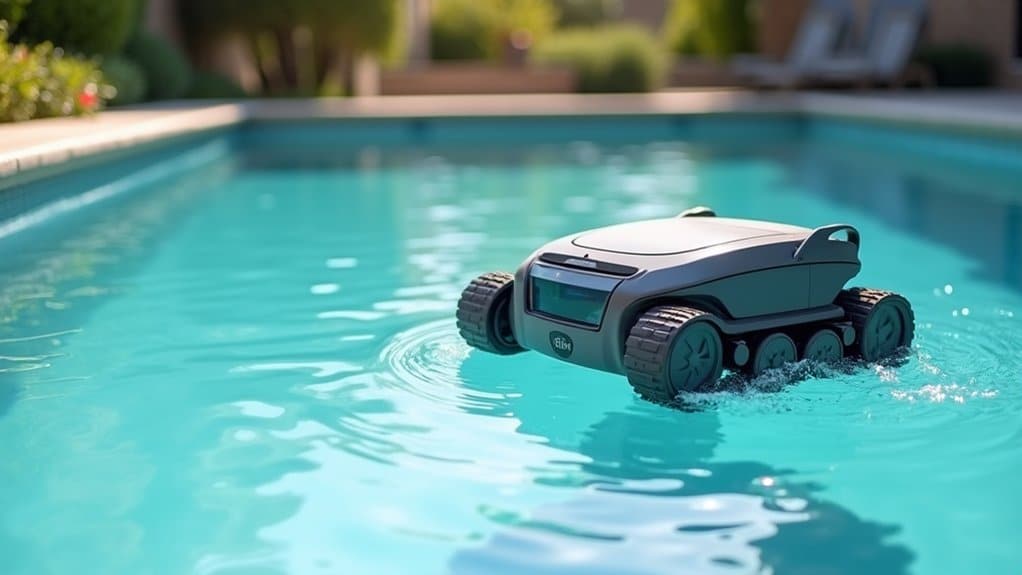
When you’re selecting a fiberglass-compatible cleaner for 2026, you’ll want to prioritize models with PVA foam brushes and metal-free contact points, which is why top Dolphin picks like the Nautilus CC Plus, Sigma, and Premier lead the field. If you’re avoiding cords, cordless options such as the AIPER Seagull SE and WYBOT C1 deliver efficient zone coverage without sacrificing gelcoat safety. And if you’re weighing cost against performance, the Dolphin Cayman stands out as the best value among this year’s picks.
Top Dolphin Models
Dolphin’s lineup consistently leads the field for 2026 because fiberglass demands non-abrasive contact and reliable traction. Start with the Nautilus CC Plus, your top pick thanks to PVA foam brushes and zero metal contact points, ideal for pools up to 50 feet. For smaller pools up to 33 feet, the standard Nautilus CC delivers the same gel coat-safe performance. The Sigma stands out as the ultimate fiberglass cleaner, engineering its traction system specifically for smooth surfaces. If wall climbing matters most, the Premier excels at gripping vertical fiberglass in in-ground pools. Rounding out 2026, the Quantum offers the largest filter capacity for capturing fine debris, while the Cayman delivers the best overall value. Each model protects your gelcoat while scrubbing floors, walls, and waterlines thoroughly.
Cordless Cleaning Options
Cordless robots deliver the same gel coat-safe cleaning without tethering you to a power source, letting you skip the hassle of cord management. The AIPER Seagull SE and WYBOT C1 both handle fiberglass surfaces well, using efficient zone coverage to systematically map your pool. You won’t sacrifice traction or surface protection. These units maintain the soft-contact standards fiberglass demands. For larger or varied pool sizes, the AIPER Scuba V3 AI brings strong cleaning power that adapts to different dimensions with ease.
When you choose cordless, verify the brush material stays within the PVA foam or soft rubber rule to protect your gelcoat. You’ll get freedom of movement, straightforward setup, and consistent debris removal across floors and walls, all without a trailing cable snagging your work.
Value 2026 Picks
The Dolphin Cayman is the best value pick among 2026 options, delivering gel coat-safe cleaning without the premium price tag. Alongside it, the Dolphin Quantum earns a top spot for its largest filter capacity among 2026 models, capturing fine debris that threatens fiberglass surfaces. Both leverage advanced filtration beyond basic mesh, so you’re pulling sand, algae, and microscopic particles from the water without abrasive contact.
You’ll find most quality robots priced between $800 and $2,000, with features like Wi-Fi connectivity, programmable timers, and quick-clean modes driving the cost. The Cayman balances that range, prioritizing performance over extras. When you invest in the right unit, you’re protecting the gelcoat for years while your robot works as a reliable secondary filter.
Matching a Fiberglass Robot to Your Pool Size
Match your robot’s capacity to your pool’s dimensions so you don’t waste money on coverage you don’t need, or worse, fall short on a large surface. If you’re working with a small fiberglass pool up to 33 feet, the Dolphin Nautilus CC handles it efficiently. For larger pools stretching up to 50 feet, step up to the Nautilus CC Plus, the top seller for extended runs. Expect a standard 20′ x 40′ fiberglass pool to take two to three hours per cycle, though models with quick-clean settings finish in as little as 90 minutes. Cordless units like the AIPER Scuba V3 AI adapt to varying sizes thanks to strong cleaning power, giving you flexibility without sacrificing the gentle traction fiberglass demands.
Fiberglass Filtration That Catches Sand and Algae
Fiberglass pools accumulate fine particles like sand and algae that only advanced filtration can capture. Basic mesh filters won’t cut it here. Fiberglass surfaces demand advanced filtration that captures the fine particles these pools collect. You need highly pleated filters like NanoFilters™, which trap small debris including sand, algae, and microscopic particles that slip through standard screens.
Consider filter capacity too. The Dolphin Quantum offers the largest filter capacity among top 2026 models, so you’ll empty it less often during long cleaning cycles. If you want detailed debris removal, the Clear S delivers superior ultra-bin filtration.
Think of your robot as a secondary filter, complementing your main system. Its gentle suction lifts algae, dirt, and debris while protecting your gelcoat from abrasive contact.
What a Fiberglass Pool Robot Costs and Where the Value Is
A fiberglass pool robot costs between $800 and $2,000, and where you land in that range depends on the features you’re paying for. Wi-Fi connectivity, programmable timers, and quick-clean modes push prices toward the upper end, while stripped-down models sit lower. Don’t treat price as the only metric, though. For fiberglass, you’re investing in surface protection, PVA foam brushes, non-metal contact points, and gentle suction that won’t scratch your gel coat.
The Dolphin Cayman stands out as the best value among 2026 picks, delivering solid performance without premium pricing. The right robot keeps your fiberglass pool looking incredible for years by preventing surface damage. It also acts as a secondary filter, complementing your main system and reducing the debris load overall.
How to Protect Your Gel Coat During Every Clean
Protect your gel coat by using PVA foam or soft rubber brushes only. Stiff nylon brushes scratch the surface, and wire brushes destroy it, so never compromise on brush material. Pair those brushes with pump-driven suction, which delivers gentle, consistent cleaning power that won’t stress the finish.
When you run a robot on a new fiberglass pool, or introduce a new device, monitor it closely for the first 10 minutes across the initial two or three cycles. Listen carefully. You shouldn’t hear any unusual dragging or scraping; operation should sound identical to a plaster pool. Any grinding signals trouble.
Confirm there are no metal contact points touching the walls. Rubber treads grip smooth surfaces without slipping, keeping traction high and gelcoat contact damage-free every clean.
Conclusion: Picking the Right Robotic Cleaner
A robotic cleaner takes much of the work out of keeping a fiberglass pool clean, scrubbing the smooth surface without harsh brushing that could harm the finish. The best choice depends on your pool’s size and shape and the features you want, like scheduling, smart controls, and fine filtration. Running it regularly, cleaning the filter, and storing it properly keep it working for years. For most fiberglass pool owners, a good robot is a worthwhile, time-saving investment.
Call Today and Design a Pool Made for You
Whether you’re planning saltwater conversion, solar heating, or robotic cleaner integration, the right team makes it all seamless. At Schiller Pools in Port St. Lucie, FL, our skilled team delivers dependable Fiberglass Pool Installation built for Florida’s climate and your lifestyle. Call +1 (561) 475-5997 today and turn your backyard into a private retreat.
Frequently Asked Questions
How Often Should I Run My Robot in a Fiberglass Pool?
For most pools, running the robot two to three times a week keeps the water clean, though heavy use or lots of surrounding trees may call for more. During peak swim season you might run it more often, and less in the off-season. Regular short cycles keep debris from building up and make each cleaning easier.
Can I Leave the Robotic Cleaner in the Pool Permanently?
It is better to remove it after each cleaning cycle. Leaving a robot in the water constantly exposes it to chemicals and sun that shorten its life, and it can get in the way of swimmers. Taking it out, rinsing it, and storing it in the shade between uses keeps it working well for longer.
How Do I Clean and Store My Robotic Pool Cleaner?
Rinse the filter or canister after each use to clear debris, and hose off the unit with fresh water, especially in a saltwater pool. Store it out of direct sun in a cool, dry spot, ideally on a caddy so the cords do not tangle. This simple routine protects the motor, filter, and seals and extends the cleaner’s life.
Are Robotic Cleaners Safe to Use With Saltwater Fiberglass Pools?
Yes, most modern robotic cleaners are built to handle saltwater pools. Salt is mildly corrosive over time, so rinsing the unit with fresh water after each use and storing it dry helps it last. Check that the model you choose is rated for saltwater, and follow the maintenance guidance to protect the components.
What Warranty Coverage Should I Expect on a Fiberglass Pool Robot?
Coverage varies by brand and model, but many robotic cleaners come with a one to three year warranty on the motor and parts. Higher-end units often carry longer terms. Read what is covered, whether it is full or prorated, and any conditions like registration, and keep your receipt in case you need to make a claim.