
The average pool temperature you’ll want to preserve falls between 78°F and 82°F for general recreational swimming, which the American Red Cross regards safe and comfortable. However, “normal” varies by user, you’ll need warmer water around 86°F-90°F for young children and seniors, while competitive swimmers perform best at cooler 77°F-82°F. Keep in mind that higher temperatures increase chlorine demand and maintenance requirements, factors you’ll need to evaluate when setting your ideal range. The average pool temperature you’ll want to preserve falls between 78°F and 82°F for general recreational swimming, which the American Red Cross regards as safe and comfortable, though many pool owners also consider what temperature to heat pool in winter when adjusting for colder conditions. However, “normal” varies by user, you’ll need warmer water around 86°F, 90°F for young children and seniors, while competitive swimmers perform best at cooler 77°F, 82°F, and keep in mind that higher temperatures increase chlorine demand and maintenance requirements.
What’s the Ideal Pool Temperature for Most Swimmers?
When you’re setting your pool heater, aim for the sweet spot between 78°F and 82°F (26°C to 28°C), this range works best for most recreational swimmers. The American Red Cross recommends 78°F to 85°F for comfortable, safe swimming, while the World Health Organization confirms 78°F to 86°F as appropriate for moderate activity. If the water is too cold, you might find yourself regretting that you accidentally swam in shocked pool. This can lead to a negative experience, especially if you’re not prepared for the temperature change.
Your average pool temperature should balance comfort with practical maintenance concerns. The normal pool temperature range prevents excessive bacteria growth while keeping energy costs manageable. A typical pool temperature below 78°F may cause shivering when you exit, while temperatures exceeding 85°F can promote unwanted microbial activity. Cold water is particularly dangerous as it increases injury risk by causing muscle contraction and impairing performance. For young children and seniors, warmer temperatures between 84°F and 88°F are often recommended for comfort and therapeutic benefits. Water exercises in this temperature range also help those with arthritis by reducing impact on joints while providing cardiovascular and mood benefits.
The standard pool temperature of 78°F to 82°F represents the “Goldilocks Zone”, warm enough for relaxation yet cool enough for invigorating exercise. As temperatures drop, many pool owners contemplate the ideal pool temperature in winter. Finding the right balance is essential for maintaining comfort and ensuring the longevity of the pool.
Pool Temperature Guide for Kids, Seniors, and Beginners
Because children, seniors, and beginners regulate body temperature differently than typical adult swimmers, you’ll need to adjust your pool heater settings based on who’s using the water.
Adjusting your pool temperature for different swimmers isn’t optional, it’s essential for safety and comfort.
The average pool water temperature requirements shift dramatically across age groups. Infants and babies need water between 86°F-92°F for sessions lasting 15-30 minutes. Seniors benefit from 86°F-90°F for leisure swimming, while aquatic therapy patients require 91°F-95°F. These warmer therapeutic temperatures relax muscles and increase blood flow, making movement easier for those recovering from surgery or managing chronic pain.
Recommended Temperature Settings by User Group:
- Babies (6 months-1 year): 86°F-92°F, monitor for shivering or blue lips
- Children (3-13 years): 84°F-90°F depending on age and activity level
- Seniors (60+): 86°F-90°F for comfortable movement and arthritis relief
- Beginners/lessons: 84°F-86°F minimum to reduce cold shock risk
Dry and warm swimmers immediately after exiting to prevent rapid heat loss. Keep in mind that raising your pool temperature can boost energy costs up to 30% per degree, so consider using a solar cover to maintain your desired setting efficiently. Water that’s too cold can cause muscle cramps and hypothermia, making proper temperature monitoring essential for family safety.
Why Competitive Swimmers Prefer Cooler Water
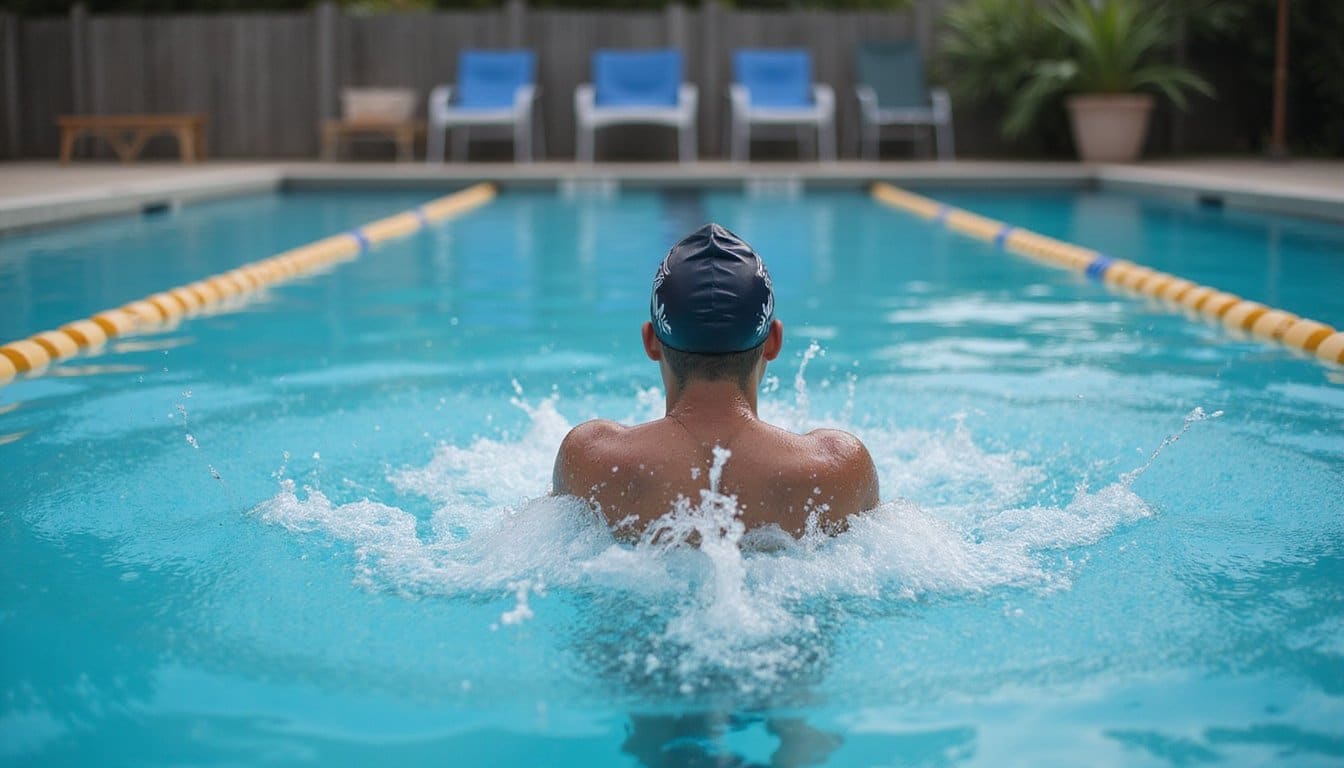
While recreational swimmers and therapy patients benefit from warmer water, competitive athletes require substantially cooler temperatures to perform at their best. The normal swimming pool temperature for competitive swimming falls between 77-82°F (25-28°C), which World Aquatics mandates for Olympic events.
At these cooler temperatures, your muscles function efficiently without accelerated fatigue. Research shows the fastest 5km time trials occur at 27°C because swimmers can dissipate heat effectively during high-intensity exertion. When water exceeds 84°F, you’ll expend additional energy regulating body heat, leading to faster exhaustion and potential dehydration. Athletes may also experience increased sweating in warm water, further contributing to fluid loss during competition.
Conversely, water below 70°F causes muscle constriction and impairs breathing, making full-effort swimming difficult. As temperatures drop into the 50-60°F range, swimmers face total loss of breathing control and maximum intensity cold shock, which can be immediately life-threatening. The 77-82°F range represents the ideal balance, cool enough for thermoregulation yet warm enough to maintain proper blood flow to working muscles. This optimal temperature range also promotes improved mental concentration, allowing athletes to maintain focus throughout their races.
Best Pool Temperatures for Therapy and Water Exercise
How dramatically pool temperature requirements shift when the focus moves from competitive performance to therapeutic benefit becomes clear in rehabilitation settings. You’ll find the thermoneutral range of 90°F, 94°F optimizes therapy sessions by loosening tight muscles, decreasing joint pain, and boosting blood circulation for faster healing.
For high-intensity aquatic exercises, you’ll want cooler temperatures between 80°F, 86°F to prevent overheating while maintaining cardiovascular endurance. The buoyancy of water also makes these exercises gentler on joints while still providing effective resistance for building strength. For high-intensity aquatic exercises, you’ll want cooler temperatures between 80°F, 86°F to prevent overheating while maintaining cardiovascular endurance, and using a reliable swimming pool temperature gauge helps you keep conditions within this optimal range. The buoyancy of water also makes these exercises gentler on joints while still providing effective resistance for building strength.
Optimal therapeutic temperature applications:
- Set your pool to 93°F for low-impact rehabilitation exercises targeting stiff joints and weak muscles
- Maintain 90°F, 94°F for arthritis and fibromyalgia pain reduction
- Use 80°F, 86°F for patients with heat intolerance, including those with multiple sclerosis
- Keep water warm for post-surgery range-of-motion exercises and chronic pain management
Recreational swimmers seeking both mental and physical wellness benefits should aim for the ideal range of 77°F, 84°F, which provides natural resistance while remaining comfortable for extended sessions. Athletes particularly benefit from warmer therapeutic temperatures, as heated hydrotherapy reduces delayed onset muscle soreness and supports faster recovery after intense training.
How Warm Water Affects Pool Maintenance and Safety
Maintaining therapeutic water temperatures between 90°F and 94°F delivers excellent rehabilitation benefits, but these warmer conditions create significant maintenance challenges you’ll need to address.
For every 10 degrees Fahrenheit above 80°F, you’ll need approximately twice as much chlorine to maintain adequate free-chlorine levels. Higher temperatures accelerate chemical reactions and create ideal breeding grounds for bacteria and algae. Daily water chemistry testing becomes essential during these conditions. The challenge intensifies during summer months when UV rays can reduce chlorine by up to 90% in just two hours of exposure.
You should run your pool pump for a minimum of 12 hours per day to prevent stagnant water and promote better filtration. Expect increased evaporation rates, pools can lose up to 1/4 inch of water daily during peak heat. Wind and dry air accelerate this evaporation process, making water loss even more pronounced on breezy days. Monitor water levels regularly, as low levels reduce pump efficiency and can cause premature equipment wear. Increased skimming and brushing frequency helps prevent algae establishment.
Ready to Transform Your Backyard?
Your dream pool is closer than you think. At Schiller Pools, our experienced team brings over 40 years of expertise to every project, delivering stunning fiberglass pool installations and custom pool construction that turn ordinary backyards into extraordinary outdoor retreats. With flexible financing options and lifetime warranty backing, there has never been a better time to get started. Call (561) 475-5997 today for your free estimate.
Frequently Asked Questions
What Is the Average Unheated Pool Temperature During Summer Months?
During summer months, your unheated pool typically maintains temperatures in the high 70s to low 80s°F. You’ll find this range occurs naturally through direct sunlight and warm ambient air temperatures. Factors like sun exposure, shade coverage, and humidity levels directly affect your pool’s heat retention. If you’re in Florida or similar warm climates, you may actually need a pool chiller during mid-summer when temperatures climb higher than comfortable swimming conditions allow.
How Much Does Outdoor Temperature Affect Pool Water Temperature Daily?
Outdoor temperature directly impacts your pool water by several degrees daily, though larger pools adjust more slowly due to their volume. In hot weather, direct sunlight can raise water temperature considerably, while wind-driven evaporation causes notable heat loss. You’ll find that high humidity reduces evaporation, helping retain warmth. To manage these fluctuations, run your pump 8-12 hours during summer and use pool covers to stabilize temperatures overnight.
How Quickly Does Pool Water Temperature Drop Overnight Without Heating?
Without heating, your pool typically loses 2-5°F overnight, depending on environmental conditions. Evaporation drives most heat loss, especially when there’s a significant temperature gap between your water and the cooler night air. Wind exposure, low humidity, and clear skies accelerate this cooling process. Running your pump without the heater actually increases heat loss compared to keeping water still. You’ll minimize overnight drops by using a pool cover to reduce evaporation and radiant cooling.
What Pool Temperature Is Too Cold for Swimming Safely?
Water below 70°F (21°C) becomes dangerous for swimming, as you’ll experience difficulty controlling your breathing and notice increased heart rate and blood pressure. At 60-70°F (15-21°C), you’re entering hazardous territory where breathing control becomes genuinely difficult. Below 60°F (15°C), conditions turn life-threatening. For safe recreational swimming, you shouldn’t let your pool drop below 77°F (25°C), where breathing can become adversely affected during extended activity.
How Long Does It Take to Heat a Pool by One Degree?
You’ll heat your pool by one degree at different rates depending on your heater type. Gas heaters work fastest, raising temperature 1-2.5°F per hour. Electric heat pumps operate slower, requiring 12-24 hours to increase water temperature by 1-2°F. Solar heaters add 2-4°F per sunny day. Your pool’s volume, heater BTU capacity, and ambient temperature all affect these timeframes, so you’ll want to factor these variables into your maintenance planning.