
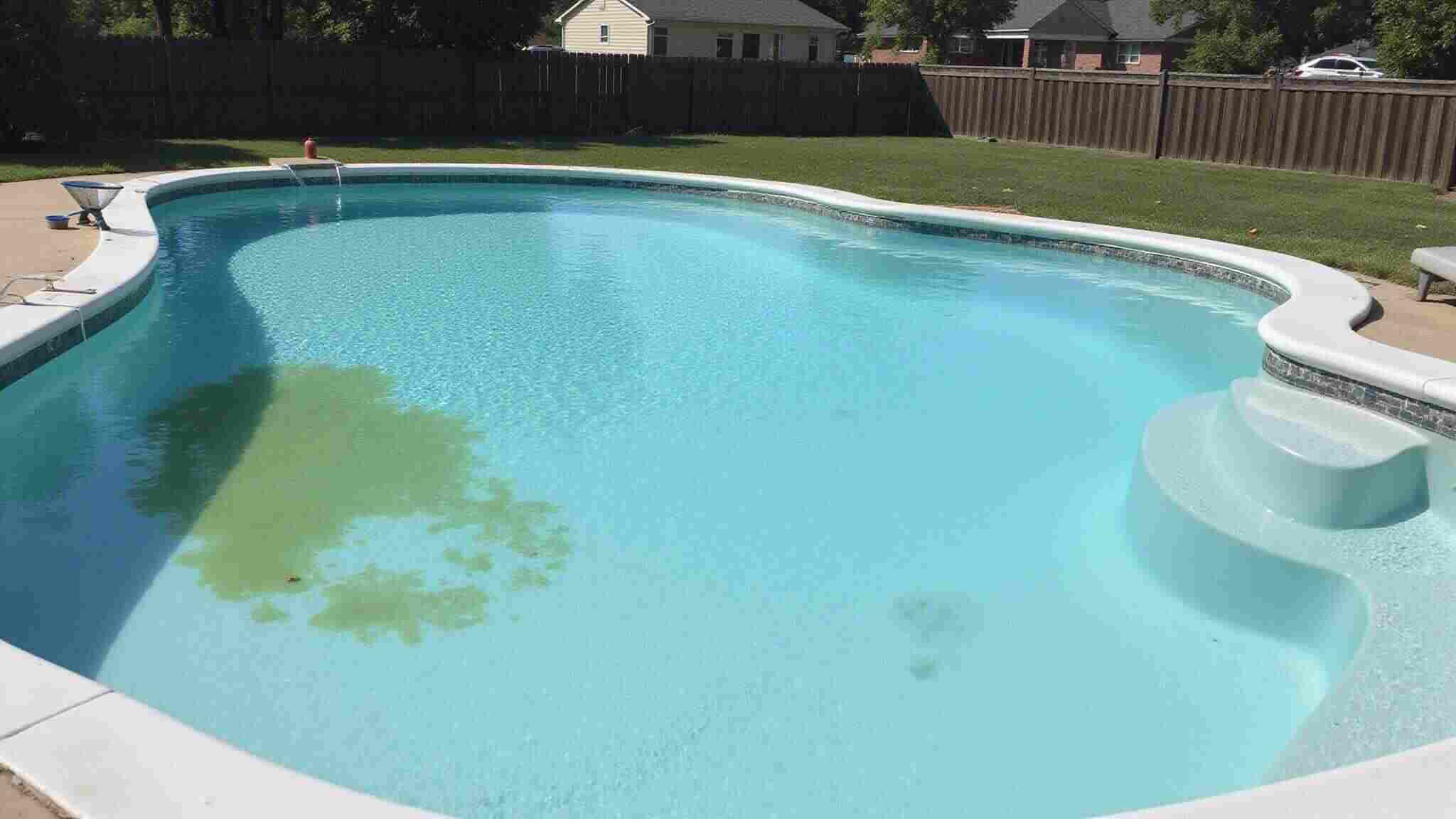
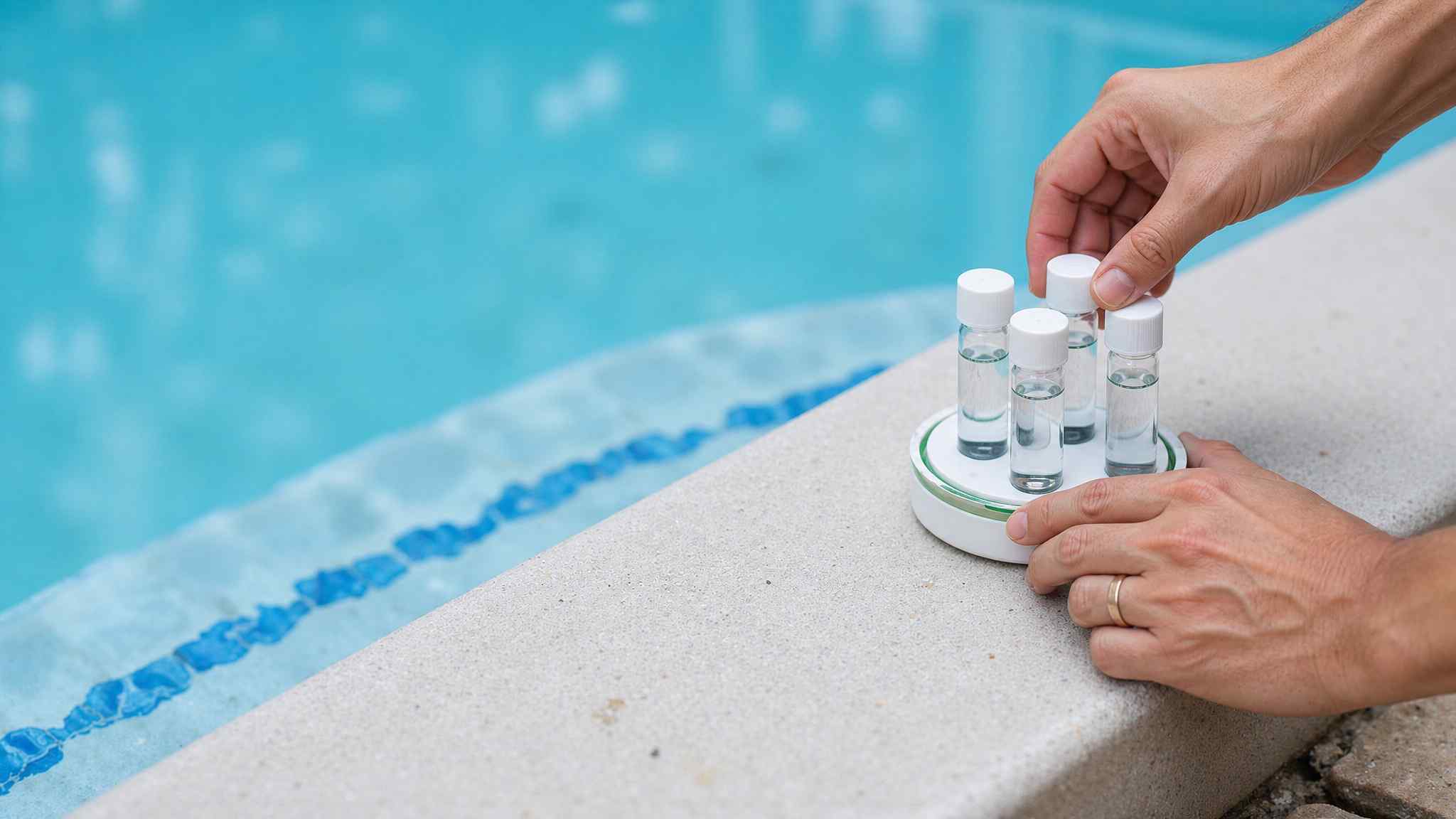
Yes, you can swim in a pool with high alkalinity as long as your pH stays between 7.2 and 7.8 and free chlorine holds near 3 ppm. But high alkalinity often pushes pH above 8, which weakens chlorine’s disinfecting power and triggers eye irritation and dry skin. Once total alkalinity climbs past 180 ppm, the water becomes unsafe. Understanding the warning signs and correction steps helps you keep swimmers protected.
Key Takeaways
- Swimming is safe only when pH stays 7.2, 7.8 and free chlorine holds near 3 ppm.
- High alkalinity often pushes pH above 8, causing eye irritation and dry skin.
- Total alkalinity above 180 ppm makes water unsafe and requires professional correction.
- High alkalinity weakens chlorine disinfection and can cause cloudy water and calcium scaling.
- Correct high alkalinity with a pH decreaser, then retest to confirm 80, 120 ppm before swimming.
Can You Swim in a Pool With High Alkalinity
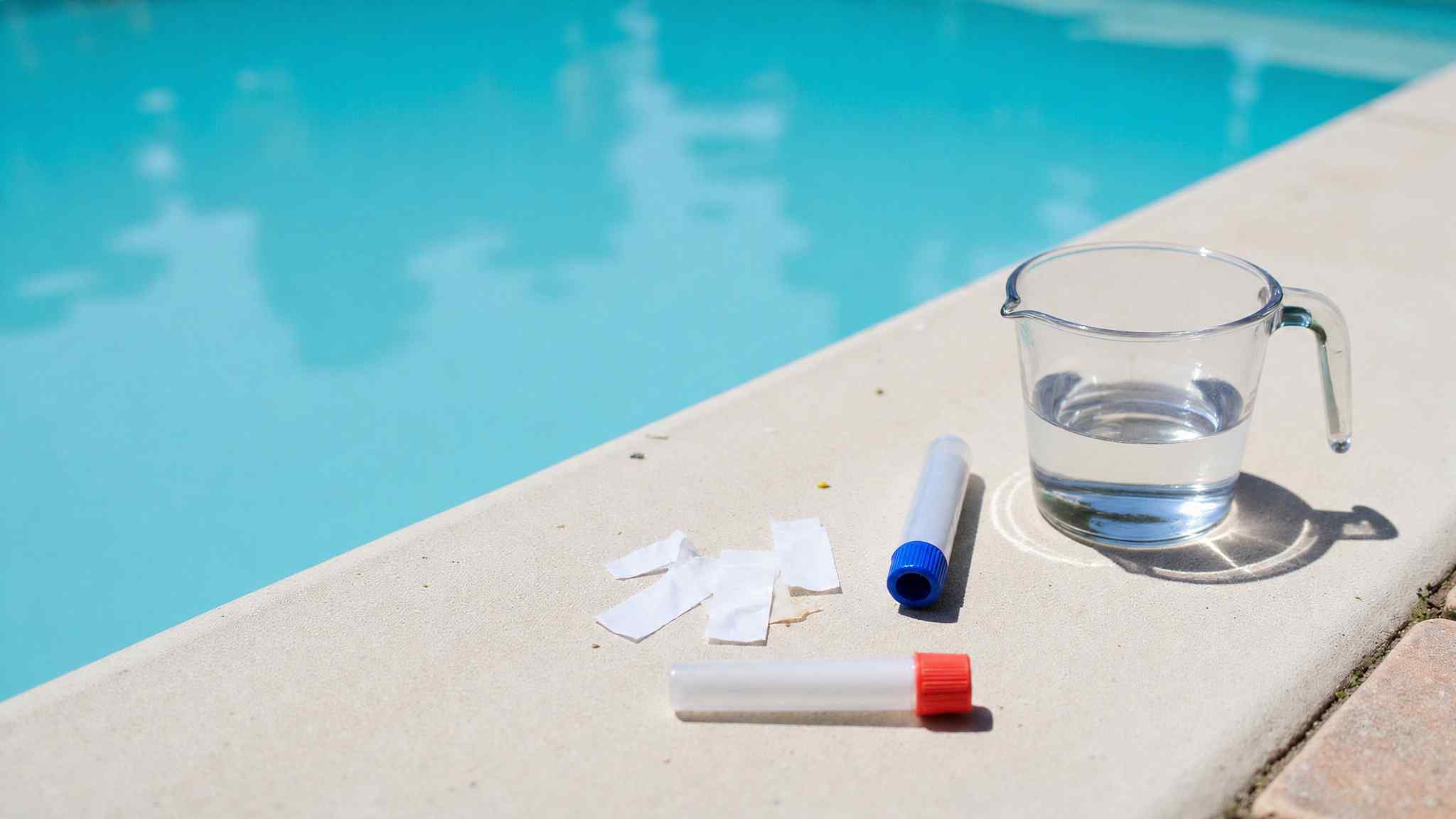
You can swim in a pool with high alkalinity only if your pH and free chlorine stay in range. You can swim when your free chlorine holds around 3 ppm and your pH stays within 7.2, 7.8, but you shouldn’t treat high alkalinity as harmless. Elevated alkalinity often drives pH above 8, which raises your risk of eye irritation, dry skin, and rashes, compromising swimmer safety. It also reduces chlorine effectiveness, weakening disinfection and inviting cloudy water.
Is High Alkalinity Harmful to Swimmers
Yes, high alkalinity can harm swimmers, but the risk usually comes from the chemical imbalance it drives rather than the alkalinity itself. When alkalinity climbs, it often pushes pH above 8, and that shift toward poor water balance is where discomfort begins. You’ll typically notice eye irritation first, followed by dry skin and skin irritation as the chemistry drifts out of range. If you have a respiratory condition such as asthma, imbalanced water may aggravate your symptoms. High alkalinity also weakens chlorine, so disinfection drops and sanitation concerns rise. On its own, alkalinity rarely creates severe danger, but the corrosive, uncomfortable conditions it produces over time make correction essential. Keep pH balanced and chlorine near 3 ppm to protect swimmers while you address it. Maintaining low pool alkalinity safety is crucial for ensuring a pleasant swimming experience. Regular testing and adjustments can help prevent issues that can arise from imbalanced water chemistry.
How Does It Affect the Water and Your Body
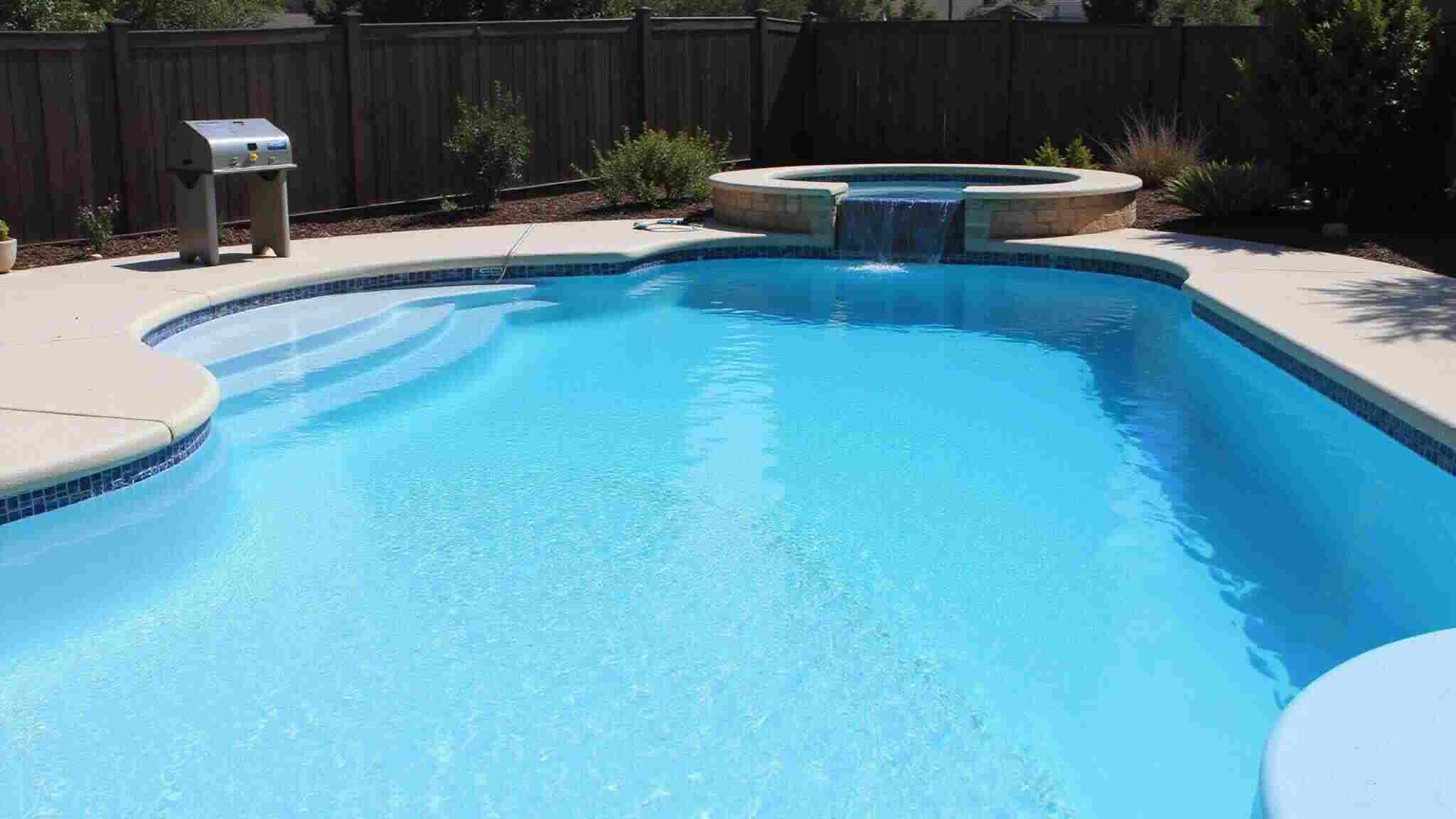
High alkalinity affects your water by raising pH, weakening chlorine, causing cloudiness, and creating calcium scaling, while it affects your body by increasing the risk of skin rashes, dry skin, eye irritation, and respiratory discomfort. As alkalinity rises, it drags pH upward, and once pH passes 8, you’re facing greater risk of skin rashes, dry skin, and eye irritation. High alkalinity also weakens chlorine’s disinfecting power, so sanitation drops and water turns cloudy. That cloudiness signals reduced filtration performance and poorer water quality. Over time, you’ll see calcium scaling build up on surfaces and equipment. For your body, expect eye irritation first, since it’s the most common complaint, followed by skin discomfort. If you have asthma or another respiratory condition, imbalanced chemistry can worsen your symptoms. Keep total alkalinity at 80, 120 ppm and pH at 7.2, 7.8 to protect both.
What Are the Signs the Level Is Too High
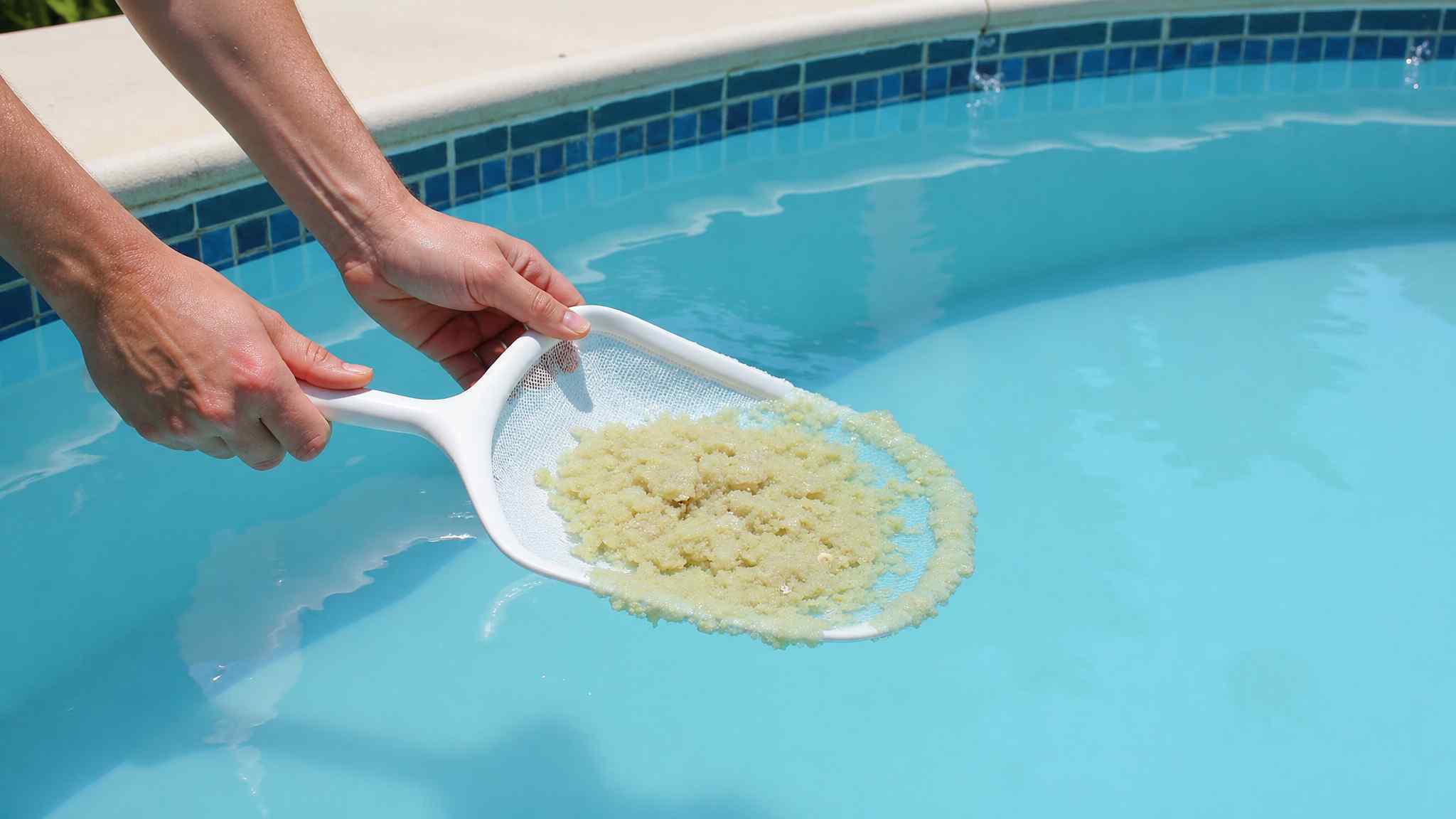
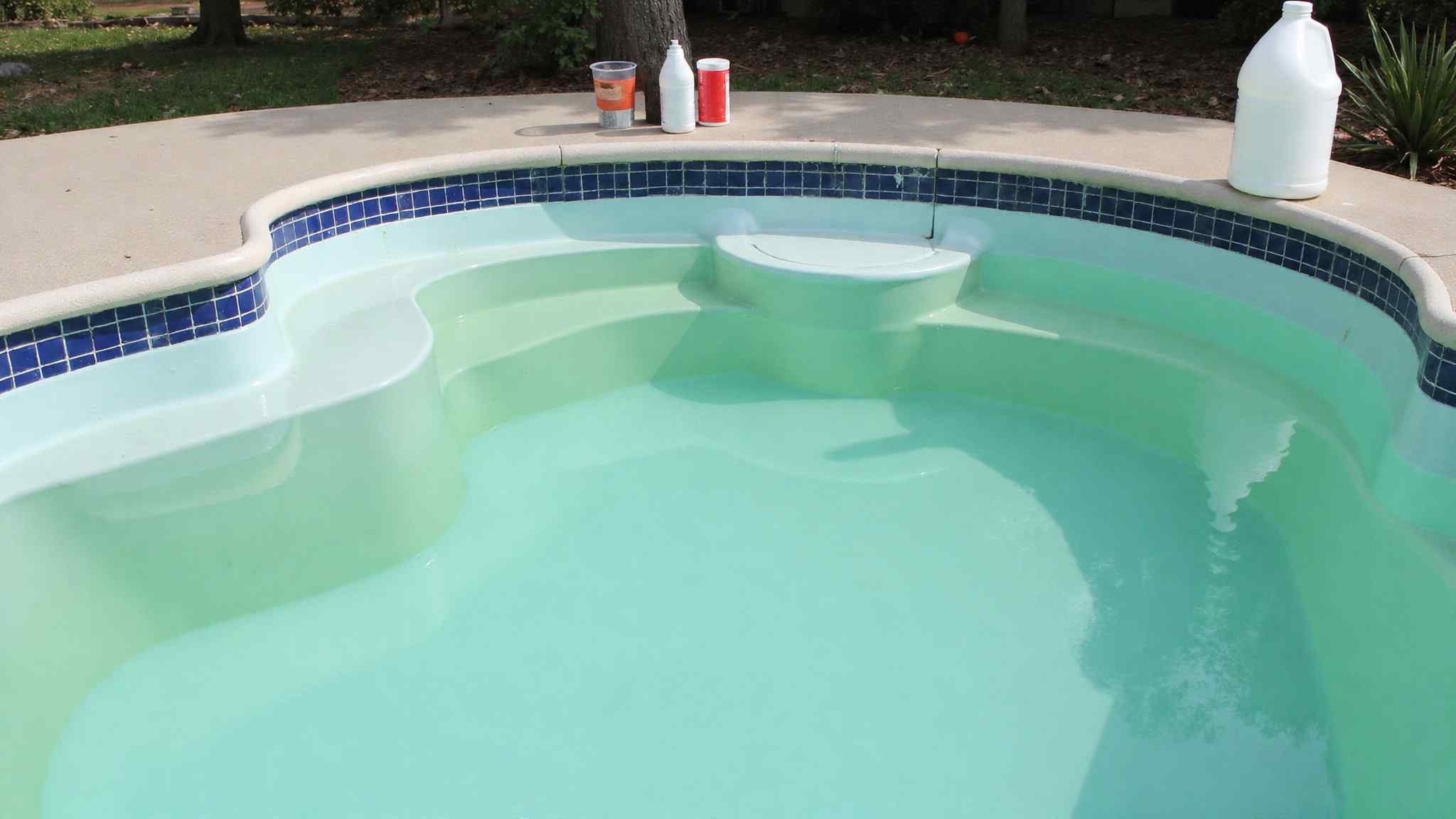
The signs the level is too high include readings above 150, 180 ppm, cloudy water, calcium scaling, mineral buildup, swimmer discomfort, and unstable chlorine or pH. Start by testing regularly: readings above 150, 180 ppm signal that your total alkalinity has climbed too high and needs corrective action. Watch for cloudy water, since it often points to reduced chlorine effectiveness and weakened disinfection. You’ll also notice calcium scaling or mineral buildup on surfaces and equipment, another reliable indicator. Pay attention to swimmer complaints too, eye irritation, dry skin, and discomfort frequently accompany imbalanced chemistry, especially when pH climbs above 8. If your chlorine won’t hold around 3 ppm or pH stays out of the 7.2, 7.8 range, treat those as strong signals that your alkalinity demands immediate attention.
When Does the Water Become Unsafe to Use
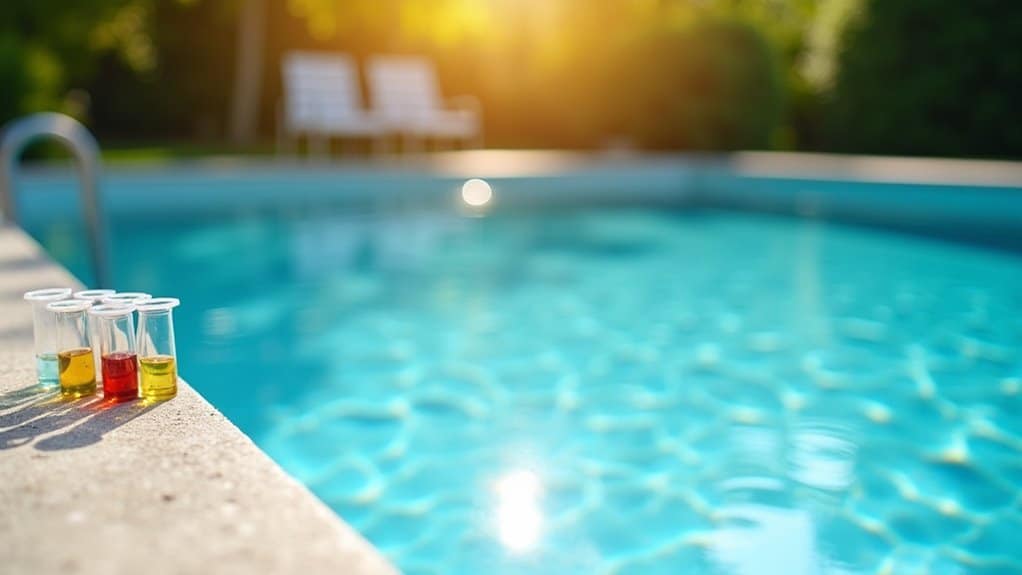
Water becomes unsafe to use when total alkalinity rises above 180 ppm or pH rises above 8.
| Parameter | Unsafe Threshold |
|---|---|
| Total Alkalinity | Above 180 ppm |
| pH | Above 8 |
When alkalinity exceeds 180 ppm, you’ll typically need professional correction, not continued swimming. Cloudy water warns you that filtration and sanitation are failing. If readings stay high after treatment, don’t keep using the pool, apply more aggressive correction first. High alkalinity paired with unstable pH or chlorine is your clearest signal to delay swimming. Regular pool alkalinity testing is essential for maintaining balanced water. Understanding the ideal alkalinity range can help prevent issues such as skin irritation and equipment damage.
How Do You Fix High Alkalinity Before Swimming
Fix high alkalinity before swimming by adding a pH decreaser such as muriatic acid or sodium bisulfate. These chemicals lower alkalinity toward the target range of 80, 120 ppm while stabilizing pH. Follow these steps for safe, standards-based correction: If you’re wondering how much baking soda for a pool, the general recommendation is to add 1.5 pounds of baking soda for every 10,000 gallons of water to raise alkalinity by about 10 ppm. Be sure to test the water after adding baking soda to ensure it reaches the desired levels.
- Add the pH decreaser according to label dosing, distributing it evenly and allowing circulation to disperse it fully.
- Retest pH and alkalinity after treatment, confirming alkalinity returns to 80, 120 ppm and pH holds at 7.2, 7.8.
- Maintain chlorine near 3 ppm to support disinfection while you rebalance the water.
If levels stay high after treatment, repeat dosing or partially drain and refill. Don’t resume swimming until your readings confirm balanced, properly sanitized water.
How Do You Keep the Level in a Safe Range
Keep alkalinity in a safe range by testing regularly and correcting early when it moves outside the 80, 120 ppm range. Test both pH and total alkalinity on a consistent schedule so you catch imbalances before they push pH above 7.8 and trigger irritation or scaling. When readings climb toward 150, 180 ppm, apply a pH decreaser like muriatic acid or sodium bisulfate, then retest and confirm you’re back within target. Hold free chlorine around 3 ppm to maintain disinfection while you stabilize the water. Watch for cloudy water, which signals weakened sanitation. If levels stay high after treatment, escalate with more aggressive correction or partial draining and refilling. Regular monitoring protects swimmers, preserves chlorine effectiveness, and prevents mineral buildup on equipment and surfaces.
Conclusion
So, can you swim in a pool with high alkalinity? Yes, as long as your pH is holding between 7.2 and 7.8 and your free chlorine is near 3 ppm, the water is comfortable and safe. The catch is that high alkalinity tends to push pH above 8, where chlorine weakens and swimmers start to feel stinging eyes, dry skin, and cloudy water, and once total alkalinity climbs past 180 ppm it’s time to stay out and correct it. The fix is simple and reliable: add a pH decreaser like muriatic acid or sodium bisulfate, circulate, and retest until you’re back in the 80 to 120 ppm range with balanced pH and steady chlorine. Test regularly and correct early, and you’ll keep your water clear, your equipment protected, and every swim safe and enjoyable.
Call Today and Build a Pool Made for Easy Care
From alkalinity balancing to overall water chemistry, quality pool construction makes maintenance simple. At Schiller Pools in Stuart, FL, our skilled team delivers dependable Pool Construction designed for long-term enjoyment and easy upkeep. Call +1 (561) 475-5997 today and start planning your dream pool.
Frequently Asked Questions
Does High Alkalinity Affect Saltwater Pools Differently Than Chlorine Pools?
In any pool, you’ll want to keep total alkalinity within 80, 120 ppm, maintain pH between 7.2, 7.8, and hold chlorine around 3 ppm. Correct high alkalinity quickly with a pH decreaser, then retest to verify balance.
How Long Should You Wait to Swim After Adding Acid?
You should wait until your pH and alkalinity retest within safe ranges (typically pH 7.2, 7.8 and total alkalinity 80, 120 ppm) before swimming again. After adding muriatic acid or sodium bisulfate, let the water circulate, then retest to confirm balance. Don’t swim while chlorine’s unstable or readings are off. If levels are still high, correct again rather than continuing use. Confirming balanced chemistry’s the safest indicator you’re clear to swim.
Can High Alkalinity Damage Swimsuits or Swimming Gear?
High alkalinity itself won’t directly damage your swimsuits or gear, but the chemical imbalance it drives often will. When alkalinity climbs, it pushes pH high, promoting calcium scaling and mineral buildup that can stiffen fabric, clog equipment, and wear down surfaces over time. To protect your gear, you’ll want to correct alkalinity quickly, keep pH balanced at 7.2, 7.8, and maintain chlorine around 3 ppm through regular testing.
Is High Alkalinity Dangerous for Pets That Enter the Pool?
High alkalinity alone isn’t usually dangerous for your pets, but the resulting chemical imbalance can cause problems. When alkalinity drives pH above 8, your pet may experience eye and skin irritation, just like swimmers do. You’ll also want to watch chlorine levels, since reduced disinfection can affect water quality. Keep alkalinity at 80, 120 ppm, pH at 7.2, 7.8, and correct imbalances quickly to keep your pets comfortable and safe.
Does Rainwater or Weather Cause Alkalinity Levels to Rise?
You should test your total alkalinity regularly to catch any imbalances early, aiming for the standard 80, 120 ppm range. If your readings climb above 150, 180 ppm, you’ll want to correct them quickly using a pH decreaser like muriatic acid.