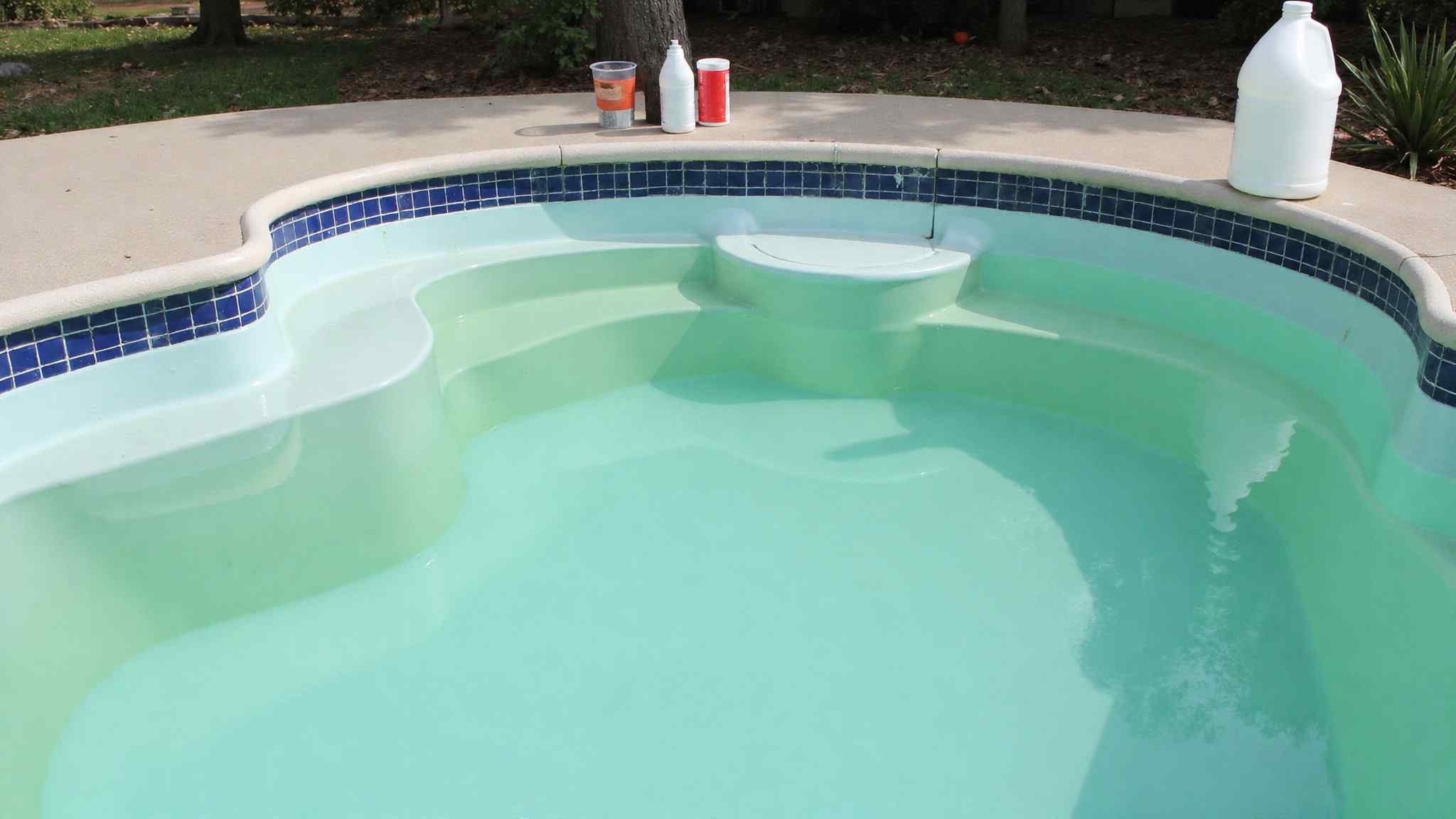
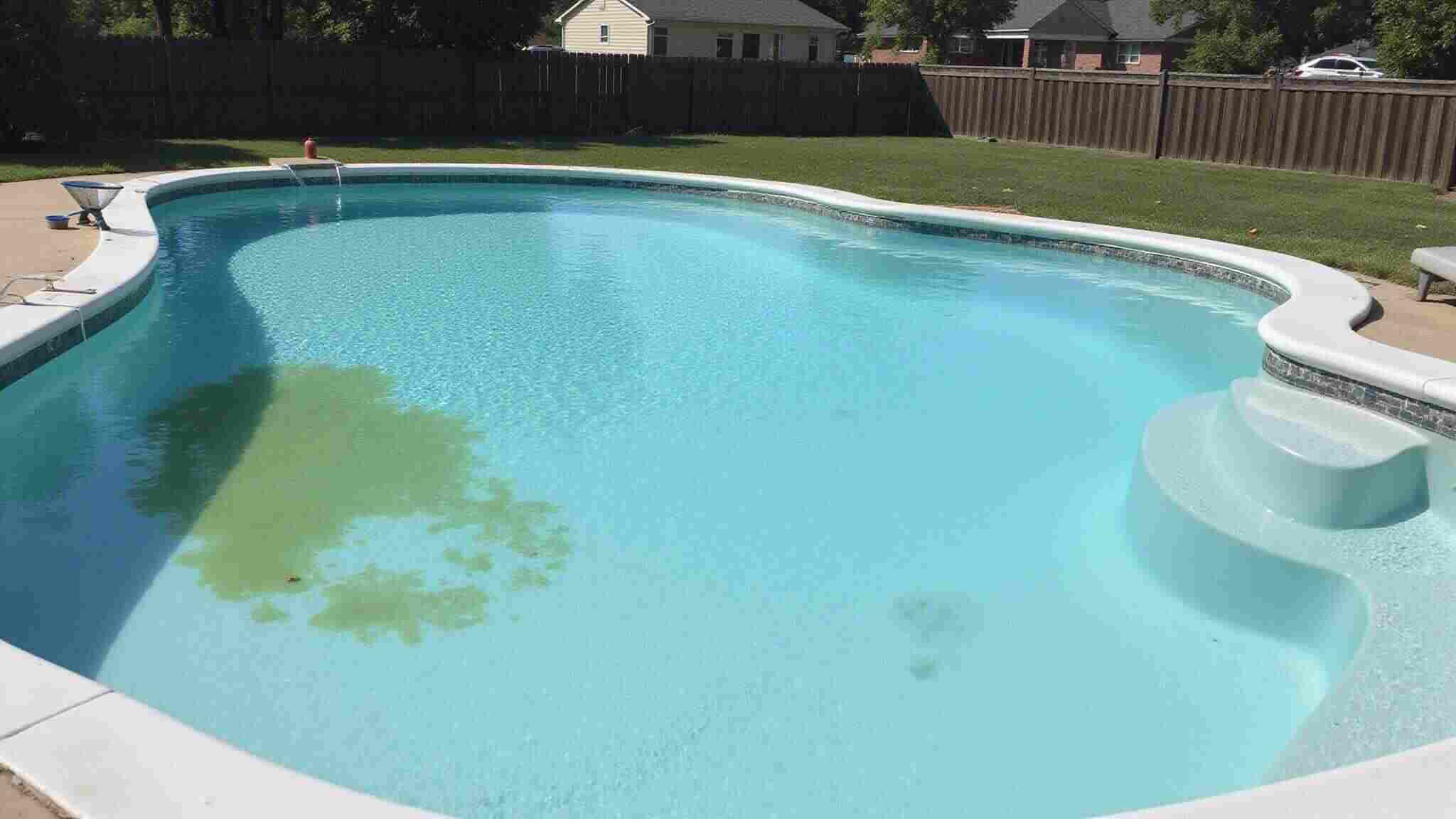
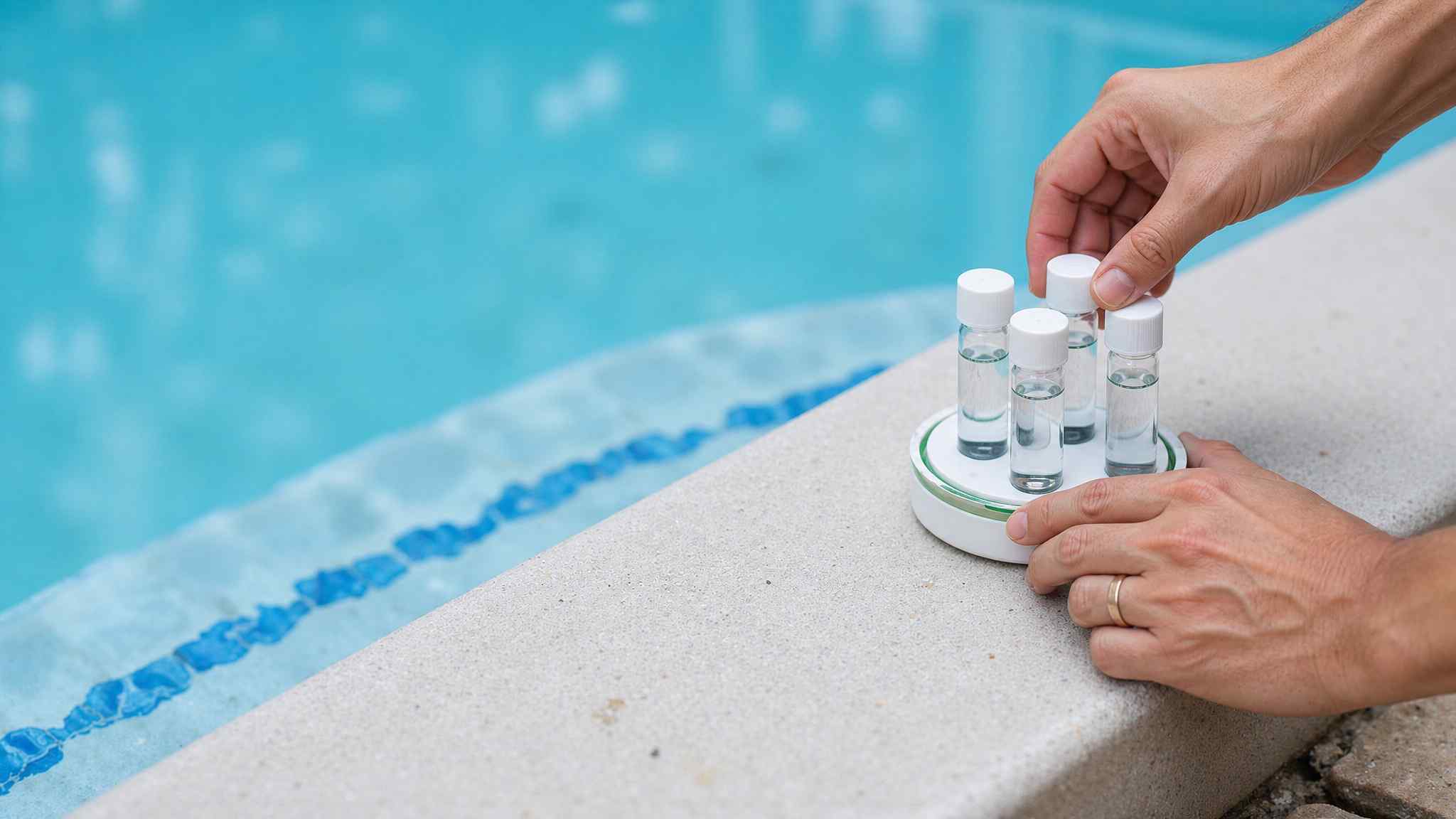
Low alkalinity won’t poison you the instant you jump in, but it’s not something you should ignore. Below the recommended 80, 120 ppm, your water loses its pH buffer, so small additions trigger rapid pH swings. When pH drops below 7.0, 7.2, you’ll likely face stinging eyes, itchy skin, and irritated nasal passages. Always test both alkalinity and pH before swimming. Understanding how these levels interact is key to keeping your pool genuinely safe.
Key Takeaways
- Low alkalinity is not immediately toxic or dangerous to swimmers, but it destabilizes water chemistry over time.
- Without buffering, small additions cause rapid pH swings (“pH bounce”), pushing water into acidic territory.
- Eye and skin irritation becomes likely when pH falls below roughly 7.0, 7.2.
- Slightly low alkalinity is acceptable for swimming if pH remains stable within range.
- Always test both alkalinity and pH before swimming, since low pH poses the real irritation risk.
Is Low Alkalinity in a Pool Dangerous
Low alkalinity in a pool isn’t usually an immediate toxic danger to swimmers, but it is a genuine concern because of what it does to your water chemistry. Total alkalinity acts as your pH buffer, so when it drops below the recommended 80, 120 ppm range, you lose stability. Small acid or base additions can trigger a rapid pH swing, often called “pH bounce,” pushing your water into acidic territory. One effective way to increase alkalinity is by using baking soda for pool alkalinity. This compound raises the total alkalinity level while also working to stabilize your pH.
That instability creates the real risks. Once pH falls below about 7.0, 7.2, you’ll notice eye and skin irritation. Prolonged acidic conditions also drive corrosion, damaging metal parts, liners, and plaster while reducing chlorine effectiveness. So the danger’s mostly indirect, a chemistry and maintenance hazard that becomes a swimmer safety issue when pH goes uncorrected.
What Does It Do to Your Pool Water
Low alkalinity makes your pool water unstable, corrosive, and harder to sanitize. When alkalinity drops below 80, 120 ppm, your water loses its pH buffer. Without that buffer, even small additions of acid or base trigger large pH swings, a problem often called “pH bounce.” This instability wrecks your water balance, letting pH drift into acidic territory where the water becomes corrosive. You’ll see the effects across your pool: metal parts, seals, gaskets, pumps, and liners wear faster, while plaster, concrete, fiberglass, and vinyl surfaces can etch, stain, blister, or delaminate. Acidic conditions also reduce chlorine effectiveness, depleting your sanitizer faster and leaving the water harder to keep clean. So low alkalinity doesn’t just shift a number, it destabilizes the entire chemistry, threatening both your equipment’s lifespan and your pool’s overall sanitation.
Is It Safe to Swim When the Level Is Too Low
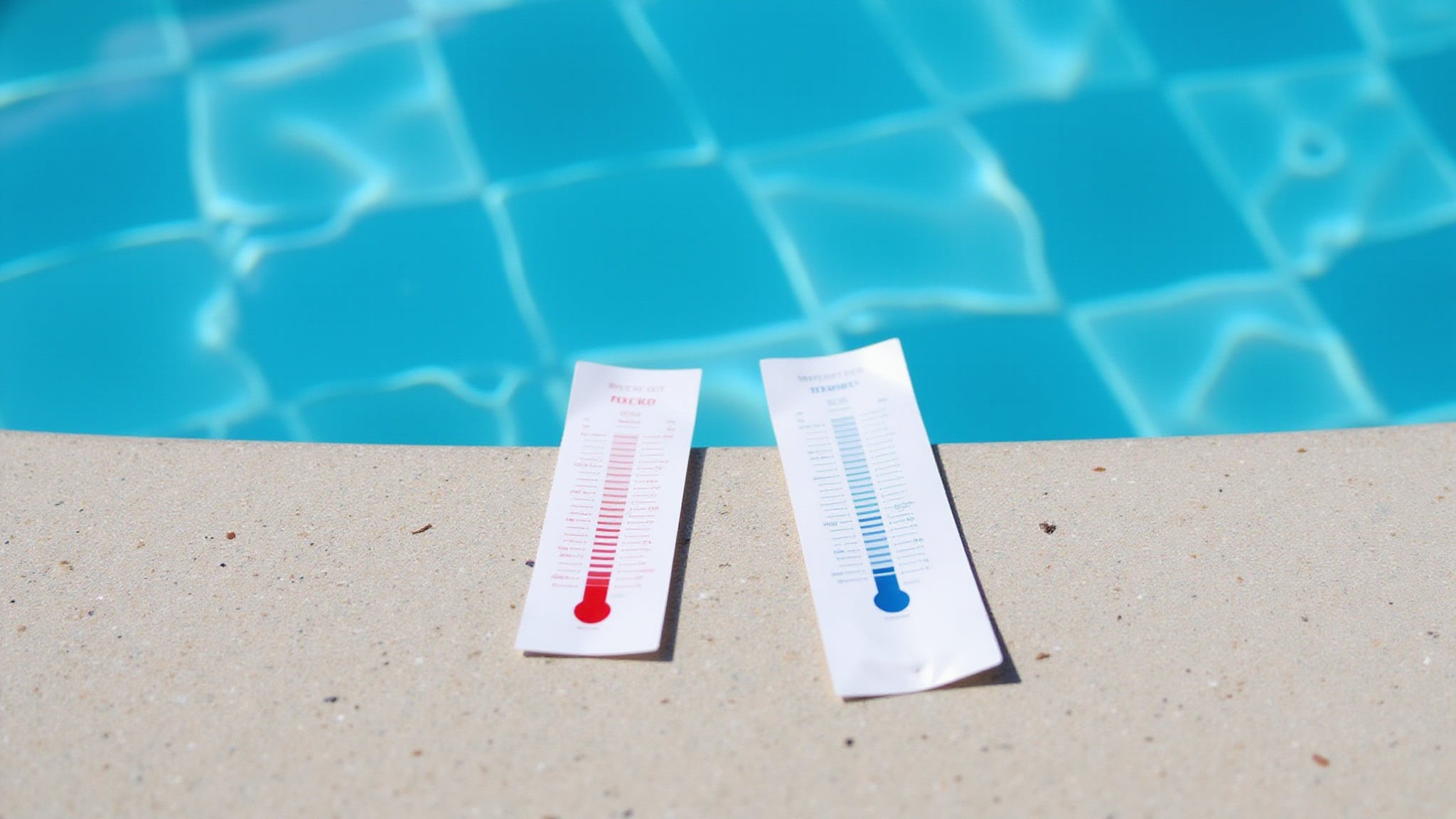
It’s usually safe to swim when alkalinity is slightly low if your pH stays stable within range. But when both alkalinity and pH drop low, you shouldn’t swim until you’ve corrected the water. Swimming with high pool alkalinity can lead to skin irritation and discomfort. It’s essential to monitor water chemistry to ensure a pleasant swimming experience.
Low alkalinity strips your water’s buffering capacity, letting pH swing rapidly. Once pH falls below roughly 7.0, 7.2, you’re looking at stinging eyes, itchy skin, and irritated nasal passages, especially for children or sensitive swimmers.
The danger isn’t acute poisoning. It’s continued exposure to acidic, unstable water. So test both levels first. If your readings sit outside 80, 120 ppm alkalinity with low pH, correct the chemistry before anyone gets in.
How Does It Damage Your Pool and Equipment
Low alkalinity damages your pool and equipment by making the water corrosive, which allows acidity to etch, stain, and degrade surfaces and components. Without adequate buffering, pH swings toward acidity and begins attacking everything it touches. Metal components corrode fastest, while plaster, vinyl, and fiberglass deteriorate over time.
| Affected Area | Damage Type | Consequence |
|---|---|---|
| Metal parts, pumps | Corrosion | Shortened lifespan |
| Plaster, concrete | Etching | Rough, pitted surfaces |
| Vinyl liners | Blistering | Delamination, leaks |
| Seals, gaskets | Breakdown | Equipment failure |
| Chlorine sanitizer | Depletion | Reduced sanitation |
You’ll also notice chlorine burns off faster in acidic water, undermining sanitation and raising chemical costs. Keeping alkalinity within the recommended 80, 120 ppm range protects your investment and prevents expensive repairs. Correct low alkalinity promptly to avoid chronic, cumulative damage.
What Causes Alkalinity to Drop Too Low
Pool alkalinity drops too low when acidic inputs, dilution, and contaminants consume the water’s buffering capacity. Overusing pH decreasers or muriatic acid drives alkalinity down fast. Chlorine tablets, especially trichlor, are acidic and steadily erode your buffer over time. To maintain proper water balance, it’s essential to regularly check and adjust levels. Understanding how to test pool alkalinity can help prevent corrosive conditions that harm both your pool and its equipment.
Rainfall matters too. Acid rain and heavy storms dilute and lower total alkalinity, particularly in uncovered pools. High bather loads add sweat, urine, and other acidic contaminants that consume your buffering capacity.
Even routine dilution plays a role. Frequent backwashing, splash-out, and topping off with low-alkalinity fill water can gradually shift your chemistry. Test regularly, because catching these downward trends early keeps your pH stable and your water safe.
How Do You Raise Low Alkalinity
Raise low alkalinity by adding sodium bicarbonate, baking soda, the standard buffer-boosting chemical for pool water. Start by testing your water to confirm the current alkalinity reading. As a general guideline, roughly 1.5 pounds of sodium bicarbonate per 10,000 gallons raises alkalinity about 10 ppm. Add the product gradually, broadcasting it across the pool’s surface with the pump running to ensure even distribution. Wait six hours, then retest before adding more. Avoid overcorrecting, since excess alkalinity triggers cloudy water and scaling. Because raising alkalinity can nudge pH upward too, recheck both values together and adjust as needed. Keep swimmers out until your readings stabilize within the recommended 80 to 120 ppm range and the water’s fully circulated.
How Do You Prevent the Level From Falling Again
Prevent alkalinity from falling again by testing consistently, managing pH, and avoiding overcorrection with chemicals. Check total alkalinity and pH at least twice weekly, keeping alkalinity within the 80, 120 ppm range. Since low alkalinity often ties to acidic conditions, monitor anything that drives pH down: heavy rain, acidic fill water, or overuse of pH-lowering chemicals. Add acid carefully and only when needed, avoiding overcorrection that strips buffering capacity. Balance your source water before adding it, especially if it tests acidic. Maintain proper chlorine levels so you’re not compensating with chemistry swings that destabilize alkalinity. Address heavy bather loads and organic contamination promptly, since these shift water chemistry. By stabilizing pH first, you’ll protect your alkalinity buffer and prevent the pH bounce that makes swimming unsafe.
Conclusion
Low alkalinity isn’t a poison that makes your pool instantly unsafe, but it is the quiet troublemaker behind unstable water, so it’s well worth staying on top of. Because alkalinity is your pH buffer, letting it slip below 80, 120 ppm opens the door to pH bounce, acidic water that irritates eyes and skin, corrodes equipment and surfaces, and burns through your chlorine. The reassuring part is how manageable it all is: test both alkalinity and pH before swimming, keep swimming to times when pH is stable, and raise a low buffer with simple baking soda added gradually and retested. Stay ahead of the acidic inputs, manage pH first, and avoid overcorrecting, and you’ll hold your water in that safe, comfortable 80 to 120 ppm range, protecting your pool and giving everyone clear, gentle water to enjoy.
Call Today and Build a Pool Made for Easy Care
From alkalinity balancing to overall water chemistry, quality pool construction makes maintenance simple. At Schiller Pools in Stuart, FL, our skilled team delivers dependable Pool Construction designed for long-term enjoyment and easy upkeep. Call +1 (561) 475-5997 today and start planning your dream pool.
Frequently Asked Questions
How Often Should I Test My Pool’s Alkalinity Levels?
You should test your pool’s alkalinity at least once or twice a week, keeping it within the recommended 80, 120 ppm range. If you’re battling pH bounce or unstable water, test more frequently (daily if needed) until you’ve stabilized things. After heavy rain, chemical additions, or high bather loads, retest promptly. Consistent monitoring helps you maintain reliable pH buffering, protect your equipment, and keep the water safe and comfortable for everyone.
Can Low Alkalinity Affect My Saltwater Pool Differently?
Yes, low alkalinity affects your saltwater pool more aggressively. Since your salt chlorine generator naturally raises pH, low alkalinity leaves you without buffering to control that swing, so you’ll see faster “pH bounce.” That instability accelerates corrosion of your cell’s metal plates and other equipment. Keep total alkalinity at 80, 120 ppm to protect your generator, stabilize pH, and maintain effective sanitation. Don’t let acidic, unstable water shorten your cell’s lifespan.
Does Rain or Heavy Rainfall Lower Pool Alkalinity?
Yes, heavy rainfall can lower your pool’s alkalinity. Rain is naturally slightly acidic, so it dilutes your water and can drag total alkalinity below the recommended 80, 120 ppm range. Once you lose that buffering capacity, you’ll see faster pH swings and potential “pH bounce.” After a storm, test your alkalinity and pH promptly, then correct both before anyone swims to avoid corrosive, irritating, and unstable water conditions.
What Is the Difference Between Alkalinity and pH?
Think of pH as the measure of how acidic or basic your water is, while alkalinity is the buffer that keeps that pH stable. Your pH tells you the current acidity level, ideally 7.4, 7.6. Alkalinity, recommended at 80, 120 ppm, resists sudden pH swings. When alkalinity’s too low, small chemical additions cause large pH bounce. So you’re managing two linked values: pH sets the level, alkalinity holds it steady.
Can I Use Baking Soda Instead of Commercial Products?
Yes, you can use baking soda (sodium bicarbonate) to raise total alkalinity; it’s chemically the same active ingredient in many commercial alkalinity increasers. Add it gradually, test your water, and aim for the recommended 80, 120 ppm range. Since baking soda mainly buffers alkalinity with minimal pH impact, you’ll get stable results. Just don’t overdose it, retest before swimming, and correct any low pH separately to keep your water safe and balanced.