
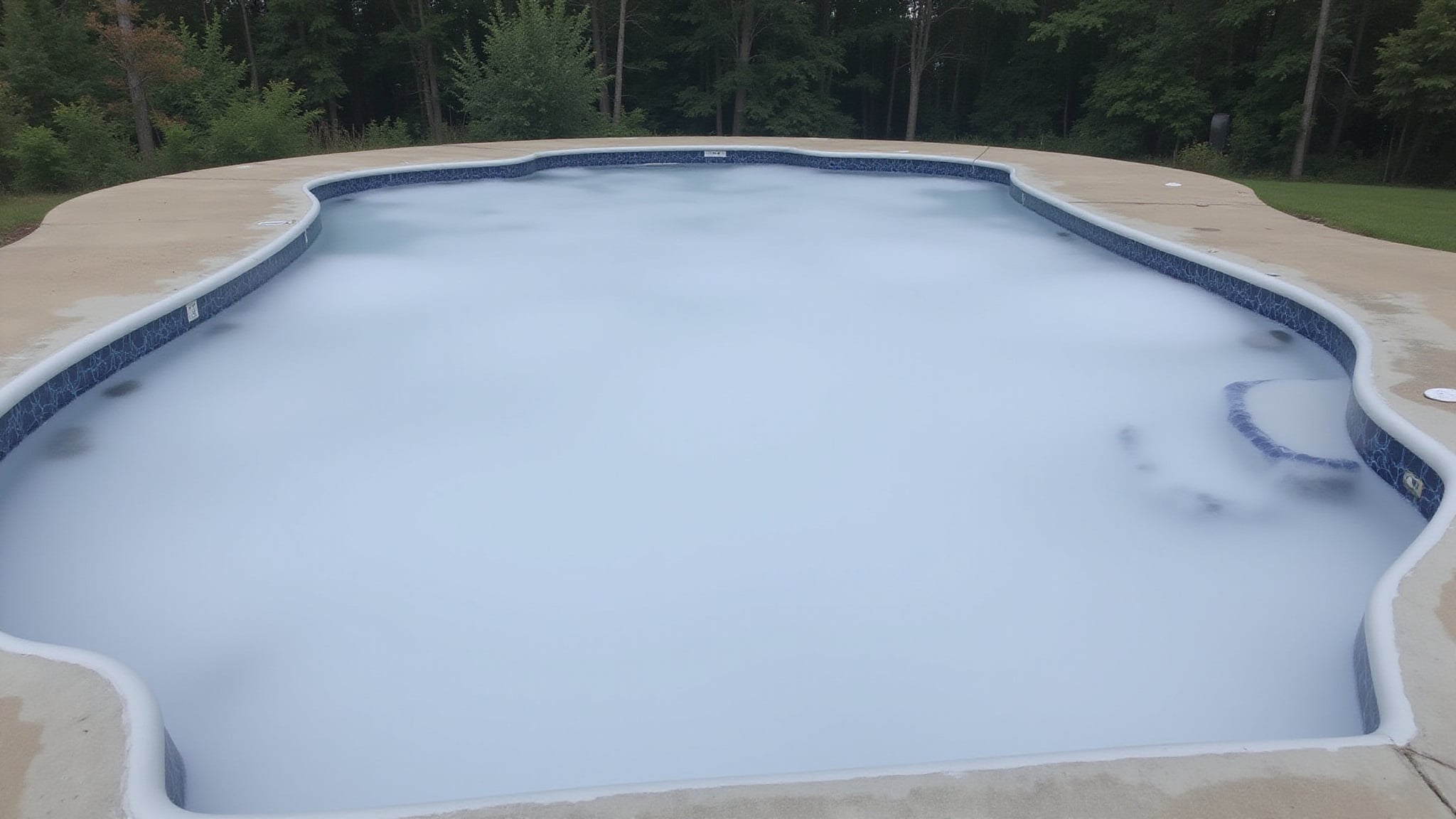
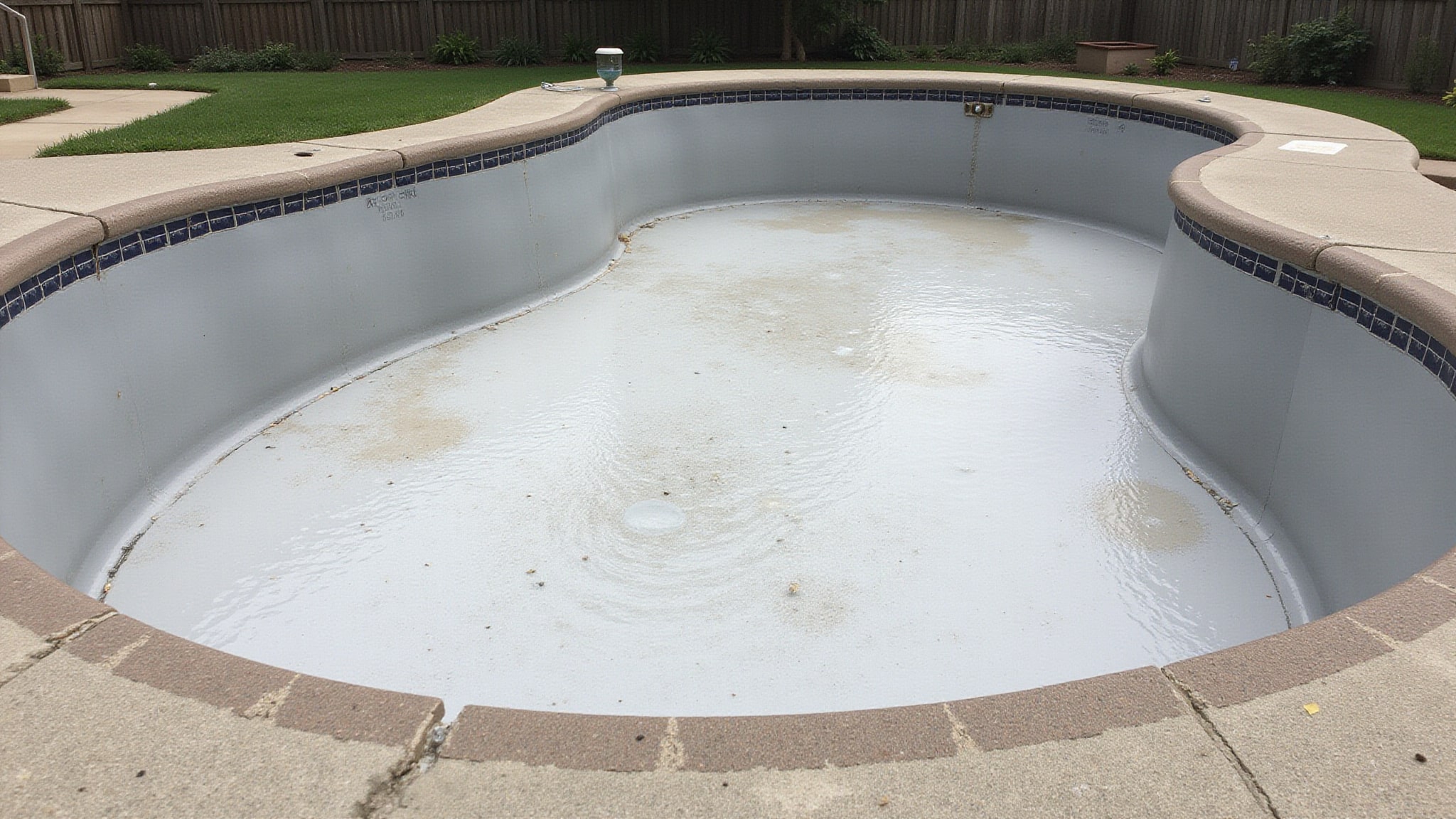
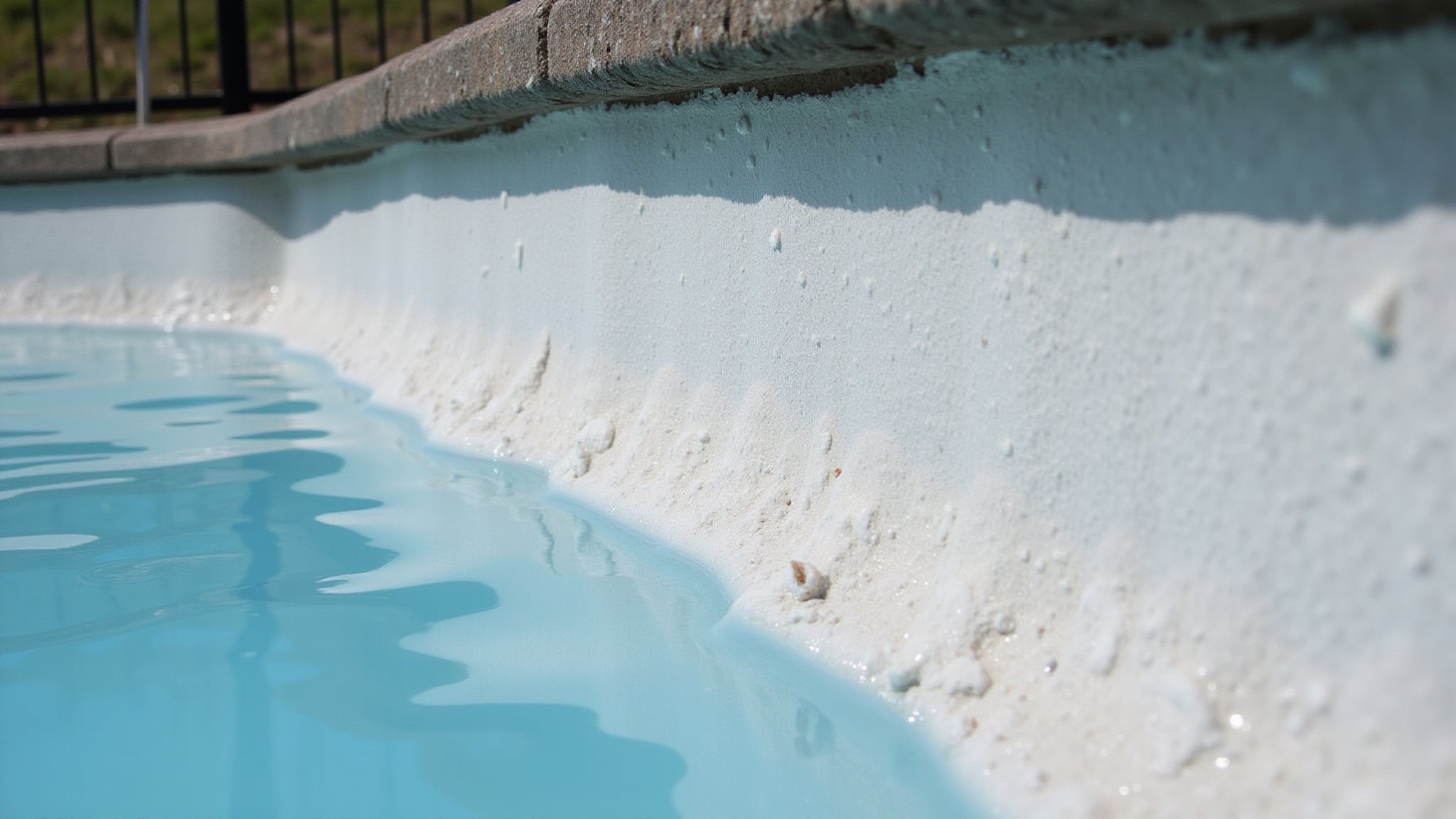
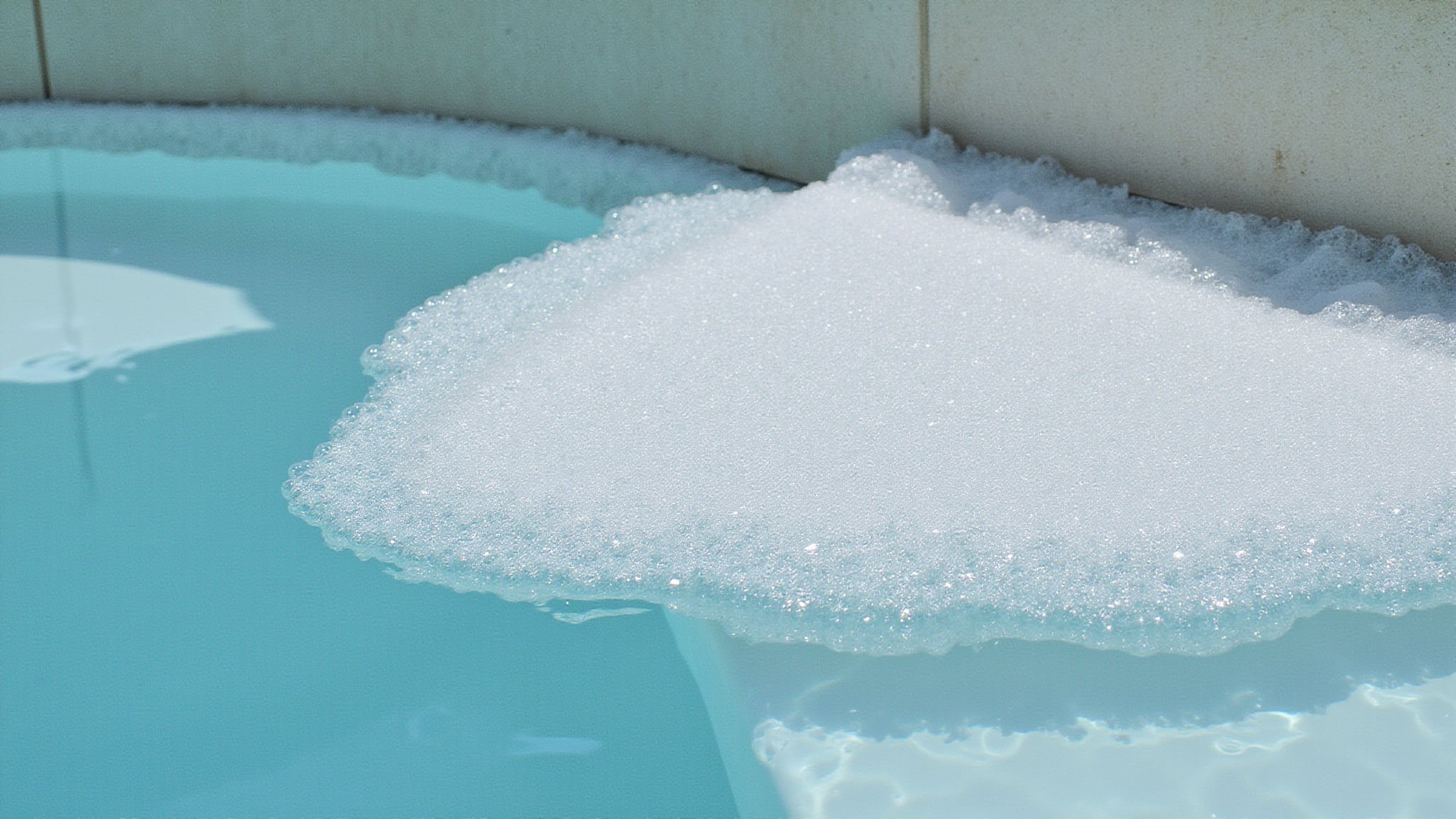
You’ll need to wait 8 to 24 hours after shocking your pool before swimming, depending on the shock type you’ve used. Non-chlorine shock lets you swim in just 15 to 30 minutes, while calcium hypochlorite requires a full 24 to 48 hours. The safest approach is testing your water, don’t enter until free chlorine levels drop to 1-4 ppm. Understanding which shock treatment you’re using makes all the difference in your wait time.
Wait 24 Hours After Shocking Your Pool
After shocking your pool, you’ll need to wait at least 24 hours before swimming to allow chlorine levels to return to a safe range of 1-4 ppm. This pool shock wait time guarantees the treatment effectively sanitizes your water without posing health risks.
When determining how long after shocking pool can you swim, always test your water before entry. Safe chlorine levels measure below 5 ppm, with 1-3 ppm being ideal. Swimming after shock treatment too early can cause skin irritation, eye discomfort, and potential health issues if water is swallowed.
Run your pump continuously for 8-10 hours post-treatment to circulate chemicals evenly. Test free chlorine and verify pH sits at or below 7.6 before anyone enters the water. For faster turnaround, non-chlorine shock allows swimming after just 30 minutes, making it ideal for quick pool preparation. Regular shock treatments are essential because they eliminate harmful microorganisms that can cause skin infections and gastrointestinal diseases.
Different Shock Types Mean Different Wait Times
While the 24-hour guideline serves as a reliable baseline, your actual wait time depends heavily on which shock product you’ve used.
The 24-hour rule is just a starting point, your specific shock product determines the real wait time.
Calcium hypochlorite shock requires the longest wait, typically 24 to 48 hours, due to its granular form and slower dissipation rate. Sodium dichlor falls in the mid-range at 12 to 24 hours. Non-chlorine options like potassium monopersulfate (MPS) allow swimming after just 15 to 20 minutes, while lithium shock permits immediate or near-immediate entry. Unlike chlorine-based products, chlorine-free shock oxidizes contaminants without sanitizing the water, which explains the shorter wait times.
Dosage directly impacts your timeline. Calculate approximately one hour of wait time per pound of shock added. Heavy treatments for algae elimination demand the full 24 to 48 hours regardless of product type.
Before entering, always test your water. You’re safe to swim when free chlorine reads below 5 ppm. Using a test kit or strips will help you accurately measure chlorine levels after shocking. To play it safe, consider adding 1-2 hours to whatever waiting time the product label recommends.
Chlorine vs. Non-Chlorine Shock: Which Lets You Swim Sooner?
Choosing between chlorine and non-chlorine shock directly determines how quickly you’ll get back in the water. Non-chlorine shock, typically potassium monopersulfate, lets you swim within 15-30 minutes. Chlorine-based shock requires 8-48 hours depending on the formulation and dosage.
| Shock Type | Wait Time | Best Use |
|---|---|---|
| Potassium Monopersulfate | 15-30 minutes | Light maintenance |
| Sodium Dichlor | 12-24 hours | Moderate sanitation |
| Calcium Hypochlorite | 24-48 hours | Heavy contamination |
Chlorine shock elevates levels above 10 ppm, requiring extended dissipation before safe swimming at 1-5 ppm. Non-chlorine alternatives oxidize contaminants without spiking chlorine concentrations. Non-chlorine shocks are also gentler on skin and pool surfaces, making them ideal for frequent swimmers. You won’t need to retest after non-chlorine applications, but always verify chlorine levels post-chlorine shock. Run your pump to accelerate circulation and reduce wait times for either type.
Chlorine shock elevates sanitizer levels above 10 ppm, requiring extended dissipation before safe swimming resumes at the recommended 1, 5 ppm range. Understanding pool shock options helps clarify why non-chlorine alternatives oxidize contaminants without spiking chlorine concentrations. Non-chlorine shocks are also gentler on skin and pool surfaces, making them ideal for frequent swimmers. You won’t need to retest after non-chlorine applications, but it’s essential to verify chlorine levels after a chlorine shock. Running your pump continuously accelerates circulation and helps reduce wait times for either treatment method.
What Chlorine Level Is Safe for Swimming?
You should wait until your pool’s free chlorine level drops to 1-3 ppm before swimming, as this range provides effective disinfection without causing skin or eye irritation. The CDC recommends maintaining at least 1 ppm free chlorine for safe swimming conditions, while levels above 4 ppm increase your risk of discomfort and should be avoided. Keep in mind that your pool’s pH level affects chlorine effectiveness, so maintaining a pH between 7.2 and 7.6 ensures your sanitizer works properly at safe swimming levels. Be aware that cyanuric acid and sunlight can reduce chlorine levels, which may affect how quickly your pool returns to safe swimming conditions after shocking. Test your water with a reliable kit or strips after shocking to confirm you’ve reached this safe range before entering.
Ideal Free Chlorine Range
The safe swimming range for free chlorine in residential pools falls between 1-3 ppm, with 3 ppm representing the ideal target for excellent sanitation. You’ll want to test your water after shocking to affirm levels have dropped into this range before entering. Maintaining the avg pool temp is crucial for both comfort and safety. Water temperatures that are too cold can discourage swimming, while excessively warm water may lead to bacterial growth.
For stabilized pools containing cyanuric acid, maintain these parameters:
- Optimal range: 2-3 ppm for balanced protection
- Minimum threshold: 1.0 ppm required for adequate disinfection
- Maximum allowable: 4 ppm permitted temporarily after heavy use or rain
Your free chlorine must always exceed your combined chlorine reading to guarantee proper sanitation. When free chlorine dissolves in your pool water, it creates hypochlorous acid and hypochlorite, which are the active ingredients responsible for killing bacteria and pathogens. Use DPD test kits or test strips to measure both values accurately. Don’t enter the pool until readings confirm free chlorine has returned to 3 ppm or below following shock treatment. For outdoor pools, keep in mind that sunlight can cause chlorine to dissipate more quickly, so you may need to test more frequently to ensure levels remain within the safe range.
CDC Swimming Recommendations
How do federal health authorities define safe chlorine levels for recreational swimming? The CDC establishes clear parameters you must follow before entering shocked water.
| Water Type | Minimum Free Chlorine | pH Range |
|---|---|---|
| Pools | 1 ppm | 7.2, 7.8 |
| Hot Tubs | 3 ppm | 7.2, 7.8 |
You shouldn’t swim until free chlorine drops to 1-4 ppm for pools or 3 ppm minimum for spas. Test twice daily using reliable kits, measuring both free and total chlorine to calculate combined chlorine levels. If you need assistance with pool maintenance, PHTA offers resources for locating qualified pool professionals who can help ensure proper water treatment.
Maintain combined chlorine at 0.4 ppm or less. If readings exceed this threshold, you’ll need superchlorination before safe entry. Proper levels inactivate most pathogens within minutes while preventing skin and eye irritation from chemical imbalance. However, be aware that Cryptosporidium can survive in properly treated water for more than 7 days, even when chlorine levels are within the recommended range. For splash pads, the CDC recommends maintaining a minimum free available chlorine of 1.0 ppm, or 2.0 ppm if using cyanuric acid as a stabilizer.
Why Your Pool Might Need More Than 24 Hours
Several factors can push your wait time well beyond the standard 24-hour guideline after shocking. Your pool’s volume directly affects how quickly shock disperses, larger pools need more time for chlorine to stabilize throughout the water. Heavy contamination from algae blooms or cloudy conditions demands superchlorination, which keeps levels heightened longer.
Key factors extending your wait time include:
- Shock type: Calcium hypochlorite requires 24-48 hours, while sodium dichlor needs 12-24 hours for safe levels
- Dosage amount: Higher doses per gallon keep chlorine above the safe 1-4 ppm range longer
- Pre-shock conditions: Algae-filled or imbalanced water delays stabilization considerably
You must test before swimming. If chlorine reads above 5 ppm after 24 hours, continue waiting and retest every few hours until levels drop.
Does Shocking at Night Reduce Wait Time?
When you shock your pool after sunset, you’re working with chlorine chemistry rather than against it. UV rays break down chlorine rapidly during daylight hours, but night application allows more stable chlorine levels post-treatment. This doesn’t eliminate wait times, it optimizes them.
Night shocking works with chlorine chemistry, not against it, UV rays can’t destroy what they can’t reach.
Chlorine-based shocks like cal-hypo still require 24-48 hours regardless of application time. Sodium dichlor needs 12-24 hours minimum. However, night shocking lets you run your pump 8-10 hours uninterrupted without bather interference, distributing chemicals evenly and potentially reaching safe levels faster.
Non-chlorine MPS shocks remain swim-ready in 15-20 minutes whether you apply them day or night. In contrast, chlorine shock can raise levels up to 10 times normal concentrations, which is why extended wait times are essential.
Always test before swimming. Your free chlorine must read between 1-4 ppm and pH below 7.6. Night shocking creates favorable conditions, but testing confirms actual safety.
What Happens If You Swim Too Soon?
Swimming in a freshly shocked pool before chlorine levels stabilize exposes you to concentrated chemicals that attack your body’s most vulnerable tissues. Chlorine concentrations above 10 ppm cause immediate reactions that intensify with prolonged contact.
Swimming in a freshly shocked pool before chlorine levels stabilize exposes you to concentrated chemicals that attack your body’s most vulnerable tissues. Understanding how does pool shock work helps explain why chlorine concentrations above 10 ppm can cause immediate reactions that intensify with prolonged contact, making it critical to wait until levels return to the safe swimming range.
Immediate health risks include:
- Skin damage: Redness, rashes, dryness, and chemical burns on sensitive areas
- Eye irritation: Burning sensation, temporary vision blur, and potential corneal damage
- Respiratory distress: Coughing, throat irritation, and chest tightness from inhaled vapors
Accidental ingestion triggers nausea, vomiting, and gastrointestinal illness requiring medical attention in severe cases. Indoor pools amplify respiratory risks due to limited ventilation.
Repeated early exposure creates cumulative effects, including chronic skin sensitivity and chemical allergy development. If you’ve entered shocked water prematurely, rinse immediately and avoid rubbing affected areas.
How to Test If Your Pool Is Safe to Swim In
Testing your pool’s chemical levels before entering the water remains the only reliable method to confirm swimming safety after shocking. Use test strips or an at-home test kit to measure free available chlorine (FAC) levels, making certain they fall between 1-4 ppm before swimming. Collect your water sample from the deep end for accurate readings.
You’ll also need to verify pH balance sits between 7.2 and 7.8, ideally at or below 7.6 post-shock. Run your pump for at least 10 hours to confirm proper chemical circulation before testing.
Watch for visual cues like cloudiness or strong chlorine odor, which indicate heightened levels. If readings exceed safe ranges, wait and retest. Always verify with a test regardless of shock type, don’t rely solely on estimated wait times.
How to Lower Chlorine Levels Faster
If your chlorine levels remain heightened after shocking, you can hasten the reduction process through targeted methods. Remove your pool cover to expose the water to direct sunlight, which breaks down chlorine through UV degradation and can reduce levels by up to 90% within a few hours. For faster results, partially drain and refill your pool with fresh water, replacing approximately 25% at a time to dilute the chlorine concentration without causing chemical imbalances.
Increase Sunlight Exposure
Sunlight serves as a powerful, cost-free tool for reducing heightened chlorine levels in your pool. UV rays naturally break down free chlorine, eliminating up to 90% of unstabilized chlorine within 2-4 hours of direct exposure. Remove your pool cover completely during peak daylight hours to maximize this effect.
To optimize UV-driven chlorine reduction:
- Expose your pool to direct sunlight for several consecutive hours during midday
- Run aeration features simultaneously to accelerate chlorine gas release
- Test stabilizer levels, as cyanuric acid above 30 ppm considerably slows UV breakdown
Without stabilizers present, you’ll see chlorine drop approximately 1 ppm every 2-3 hours under strong sun conditions. Monitor levels using test strips throughout the process, and resume swimming only when readings fall below 5 ppm.
Dilute With Fresh Water
When sunlight exposure alone doesn’t reduce chlorine levels quickly enough, diluting your pool with fresh water offers the most direct solution. Drain 10-30% of your pool’s volume and refill with fresh water to effectively lower heightened chlorine concentrations.
Run your filtration system continuously during and after the process to guarantee proper mixing. Test your chlorine levels 30-60 minutes after refilling to confirm the reduction. If levels remain above 4 ppm, repeat the partial draining process.
Keep in mind that dilution affects other chemical parameters. You’ll need to rebalance your pH to 7.2-7.6 and alkalinity to 80-120 ppm after completing the process. This method also reduces cyanuric acid levels, which benefits pools with high stabilizer concentrations. Always verify your fill water doesn’t contain chloramines before adding it.
Shock Your Pool Right So You Can Swim Sooner
Several factors determine how quickly you’ll return to safe swimming after shocking your pool. Your shock type matters most, non-chlorine potassium monopersulfate allows swimming within 15-30 minutes, while chlorine-based products require 8-48 hours.
Several factors determine how quickly you’ll return to safe swimming after shocking your pool, and understanding is it ok to shock pool during the day plays an important role in setting expectations. Your shock type matters most, non-chlorine potassium monopersulfate allows swimming within 15, 30 minutes, while chlorine-based products typically require 8, 48 hours before levels return to a safe range.
Is this conversation helpful so far?
Follow these best practices to minimize wait time:
- Shock at night with your filter running for 12 hours to maximize circulation and dissolution
- Follow product label instructions precisely to avoid overdosing, which extends chlorine dissipation
- Test water post-shock to confirm chlorine levels fall between 1-3 ppm before entry
Sunlight accelerates chlorine breakdown, so daytime conditions after overnight treatment help speed the process. If you’ve superchlorinated for algae treatment, expect longer wait times beyond routine shocking. Always retest before swimming, don’t estimate based on time alone.
Frequently Asked Questions
Can I Shock My Pool While It’s Raining Outside?
Yes, you can shock your pool while it’s raining outside. However, you’ll need to take extra precautions. Wear protective gloves and goggles to shield yourself from splashing chemicals in wet conditions. Test your water chemistry before adding shock, then distribute it evenly around the perimeter with your pump running. Run the pump 6-12 hours afterward for proper circulation. Always store shock chemicals in a dry, well-ventilated area away from rain exposure.
How Often Should I Shock My Pool During Summer Months?
During summer months, you should shock your pool weekly to maintain proper sanitation. If you’re dealing with heavy swimmer loads, algae growth, or storms, increase frequency as needed. Watch for warning signs like cloudy water, chloramine odors, or free available chlorine below ideal levels, these indicate immediate shocking is required. Avoid shocking more than twice monthly to prevent plaster damage. Always shock at night and run your pump continuously for best results.
Is It Safe to Shock a Pool With the Cover On?
No, you shouldn’t shock your pool with the cover on. You need to keep the cover off during the shocking process to allow proper chemical dispersion and prevent toxic gas buildup underneath. The concentrated fumes can damage your cover material and cause staining. Wait until your pump has circulated the shock for at least 6-12 hours and chemicals have fully dispersed before reactivating your pool cover.
Can Pets Swim in a Recently Shocked Pool Before Humans Can?
No, pets can’t swim in a recently shocked pool before humans can. The same chlorine safety thresholds apply to both, you must wait until free chlorine levels drop to 1-4 ppm before allowing any entry. High chlorine concentrations cause skin and eye irritation in pets just as they do in humans. Always test the water first, and run your pump for at least 10 hours to guarantee proper circulation and chemical distribution.
Does Pool Temperature Affect How Quickly Shock Dissipates?
Yes, pool temperature directly affects shock dissipation rates. Warmer water accelerates chemical reactions, causing chlorine to break down faster and potentially shortening your wait time. However, you’ll also face increased chlorine consumption from UV exposure and bacterial activity. Cooler water slows oxidation, extending dissipation time. Regardless of temperature, you must test your water to confirm chlorine levels reach 1-3 ppm before swimming, don’t rely on time estimates alone.
Accidentally Swam in Shocked Pool Should You Rinse Off Immediately?
Yes. Rinse or shower with fresh water as soon as possible to remove concentrated chlorine from your skin and hair. If chlorine gets in your eyes, flush them with clean water for about 15, 20 minutes.
How Long to Wait to Swim After a Double Shock Treatment?
A double shock may require about 24, 48 hours before swimming. Do not rely on time alone. Test the water and wait until free chlorine returns to roughly 1, 4 ppm and the pH is around 7.2, 7.8.
Chlorine Shock Safe for Fiberglass Pool Surfaces?
Yes, chlorine shock is generally safe for fiberglass when used according to the product directions. Keep pH around 7.2, 7.8 and avoid letting undissolved shock granules sit directly on the fiberglass surface.
Will Shock Kill Mosquito Larvae in Stagnant Pool Water?
Yes, sufficiently high chlorine levels can kill mosquito larvae, but shock treatment should be combined with circulation and debris removal. After treatment, maintain free chlorine around 1, 4 ppm to help prevent mosquitoes from returning.
How Long After Shocking Pool Can You Put Solar Cover On Without Trapping Chlorine?
Wait about 12, 24 hours after shocking and test the water first. Replace the solar cover once free chlorine has dropped to about 1, 4 ppm, since prolonged exposure to high chlorine levels can shorten the cover’s lifespan.