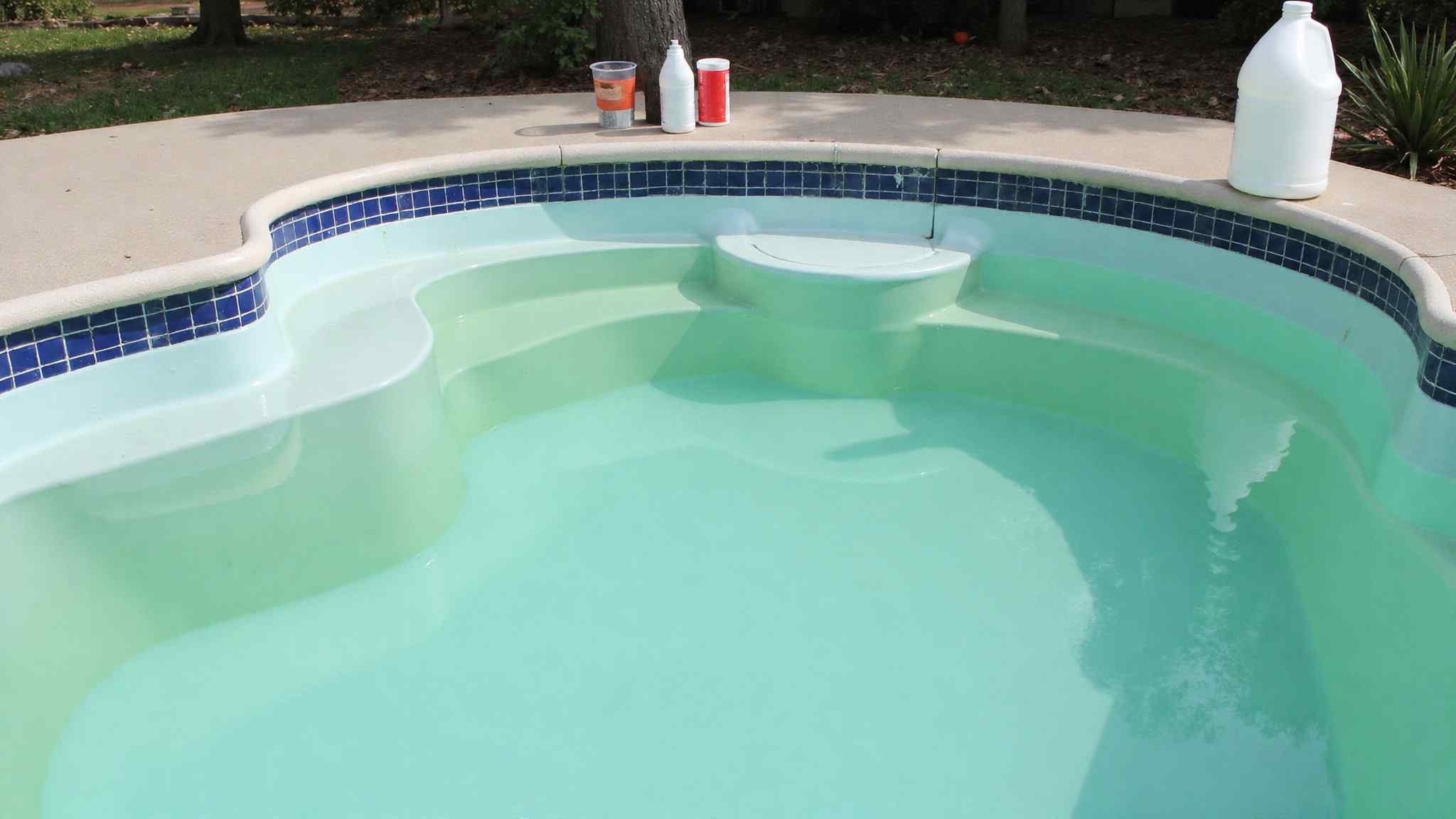
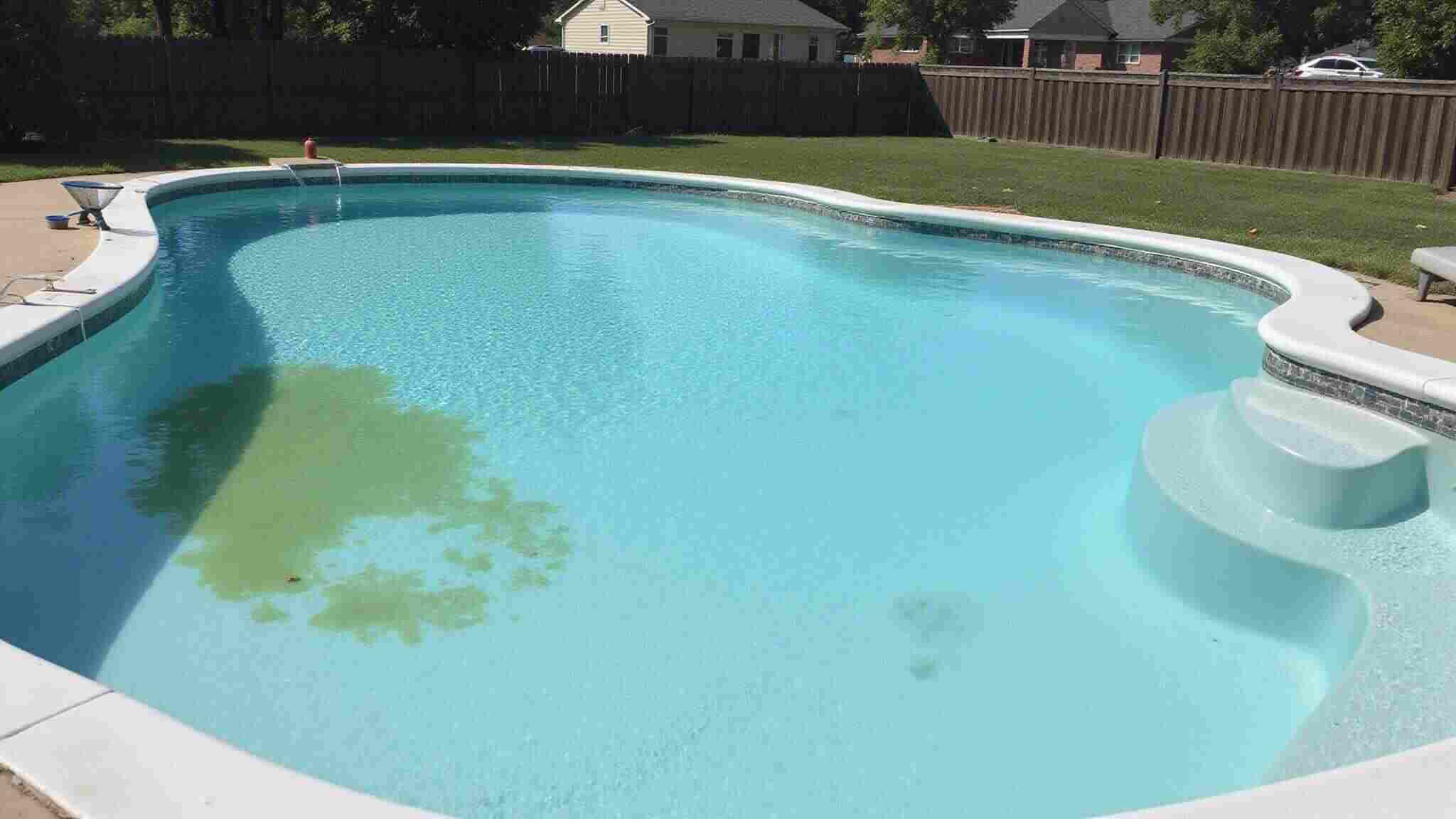
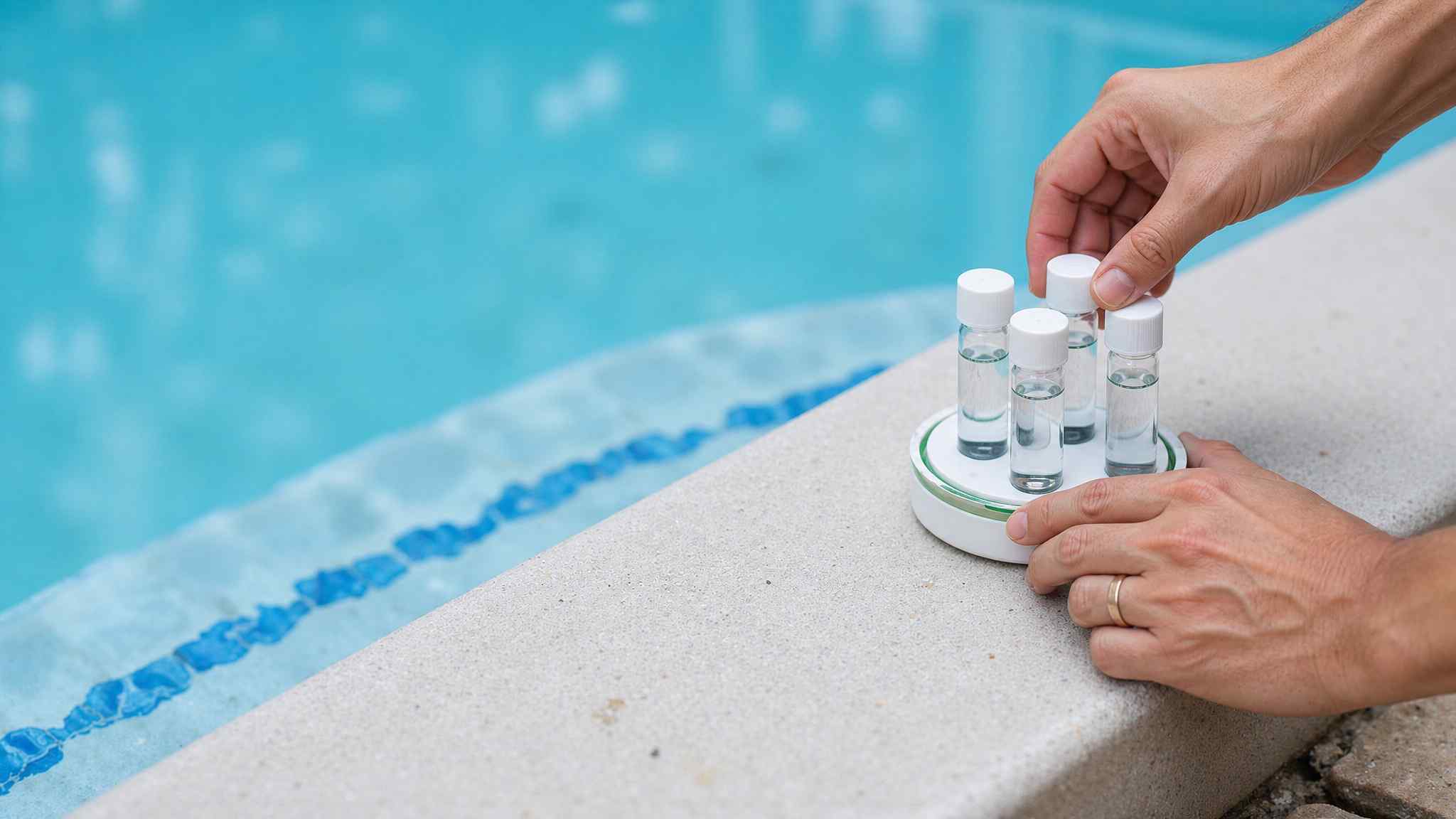
When calcium hardness drops below 150, 200 ppm, your water turns aggressive and develops a negative LSI. It’ll pull calcium straight from your plaster, grout, concrete, and masonry, causing etching, pitting, and eroded joints. You’ll also see corrosion on ladders, handrails, heaters, pumps, and salt cells. Your pH and alkalinity get harder to stabilize, and cold water makes it worse. Understanding the warning signs, causes, and correction steps helps you protect your pool. To maintain optimal water balance, you may need to reduce high pool alkalinity. This process will help stabilize your pH levels and prevent further chemistry-related issues.
Key Takeaways
- Low calcium creates aggressive water that pulls calcium from plaster, grout, concrete, and masonry, causing etching and pitting.
- A negative Langelier Saturation Index (LSI) increases surface attack risk, even when water appears clear.
- Metal fittings like ladders and handrails develop rust and staining, while heaters, pumps, and salt cells deteriorate prematurely.
- pH and alkalinity become harder to stabilize, and cold temperatures worsen imbalance by driving LSI further down.
- Adding calcium chloride raises hardness, so retest regularly after dilution events like rain, backwashing, or fresh fills.
What Happens if Calcium Hardness Is Too Low in a Pool
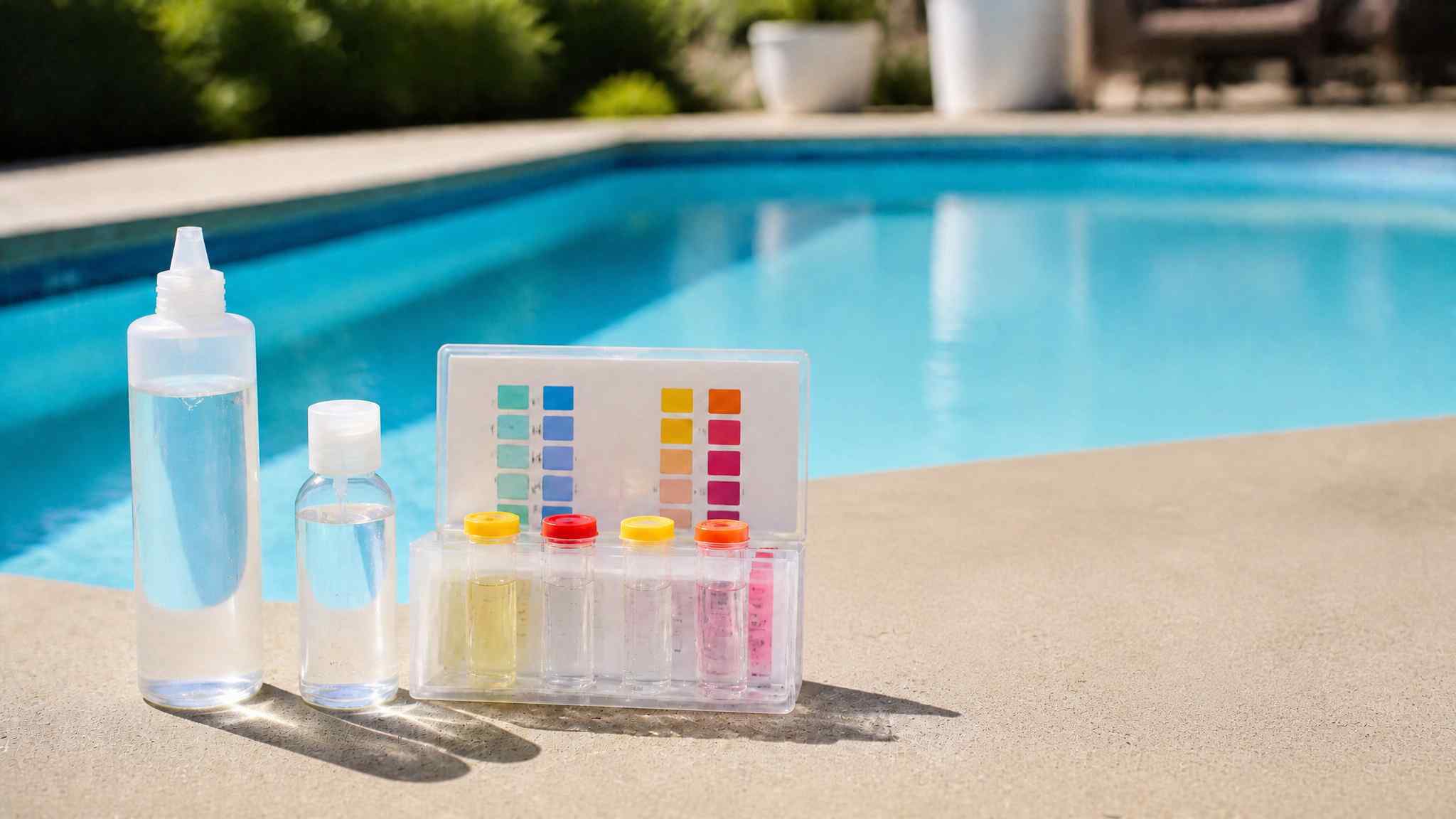
If calcium hardness is too low in a pool, the water becomes aggressive and starts pulling calcium from every surface it touches. This corrosive condition pushes your Langelier Saturation Index (LSI) negative, increasing surface attack risk. Low calcium water dissolves calcium from plaster, concrete, tile grout, and stone coping, causing etching, pitting, and roughened finishes. Metal components, ladders, handrails, heaters, pumps, and salt cells, face accelerated corrosion, showing rust, staining, and early deterioration. After addressing these issues, understanding how to refill a fiberglass pool can be vital for maintaining optimal water chemistry. Regularly adding calcium can help restore balance and prevent further damage to surfaces.
Below about 150, 200 ppm, depending on your pool type, you’re in risk territory. The water may look clear and sparkling while remaining chemically unbalanced. You’ll also find pH and alkalinity harder to stabilize, and cold water worsens the imbalance by driving LSI further downward, compounding surface and equipment damage over time. Understanding how to lower pool alkalinity is essential for maintaining a healthy swimming environment. Regular testing and adjustments can help keep your water balanced and prevent long-term damage.
How Does Low Calcium Hardness Damage Your Pool Surfaces
Low calcium hardness damages your pool surfaces by making the water aggressive enough to pull calcium directly from plaster, grout, concrete, and masonry. When calcium hardness falls below roughly 150, 200 ppm, your water starts pulling calcium from the finish. This chemical attack shows up as etching, pitting, and a roughened texture that dulls and degrades plaster over time. Tile grout dissolves at the joints, leaving rough, damaged seams, while concrete and masonry develop scars, blemishes, and eventual delamination. Because low hardness contributes to a negative LSI, poor water balance accelerates this surface breakdown. Left unchecked, the damage progresses from surface dullness to permanent roughness and crumbling. Maintaining proper calcium levels protects your finishes from irreversible, costly structural deterioration.
How Does It Affect the Water and Equipment
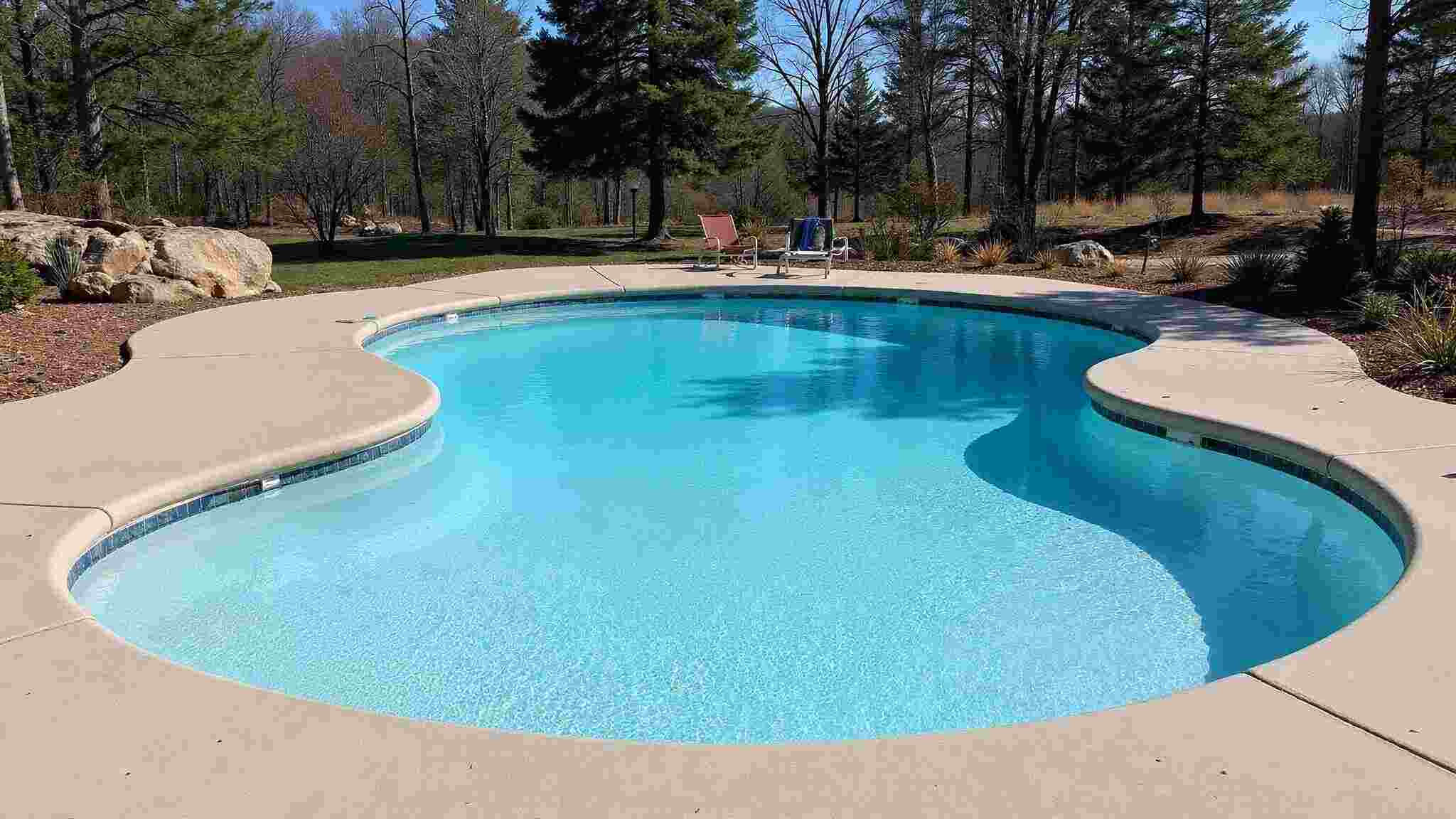
Low calcium hardness makes pool water aggressive and can damage the metal equipment that keeps your system running. When calcium runs low, your water turns aggressive, pushing the LSI negative and corroding metal parts. Ladders, handrails, fittings, heaters, pumps, and salt cells develop rust, staining, and premature deterioration. Corrosion accelerates when low calcium combines with poor pH or alkalinity control, and cold water worsens the imbalance by driving LSI downward in winter.
Your overall chemistry also becomes harder to stabilize. pH and alkalinity drift more easily, and corrections can trigger cloudy water or later scaling problems. You’ll want to keep calcium hardness within recommended ranges, typically above 150, 200 ppm, to protect equipment, maintain stable balance, and avoid costly maintenance and premature replacement.
What Are the Warning Signs of Low Calcium Hardness
Low calcium hardness usually shows up as surface damage, corrosion, soft-feeling water, and unstable water balance. Plaster may turn dull, then rough or pitted as water pulls calcium from finishes. Tile grout can erode, leaving damaged joints. Metal fittings, ladders, and rails may show rust or staining. Water often feels unusually soft or slippery, sometimes with excessive sparkle or clarity. A persistently negative LSI, unstable pH, and hard-to-hold alkalinity signal trouble.
| Warning Sign | What It Indicates |
|---|---|
| Dull or pitted plaster | Calcium leaching from surfaces |
| Eroded grout | Aggressive water attack |
| Rust or staining | Metal corrosion risk |
| Slippery, soft water | Hardness below 150, 200 ppm |
| Unstable pH/alkalinity | Negative LSI condition |
Confirm suspicions with testing.
What Causes Calcium Hardness to Drop
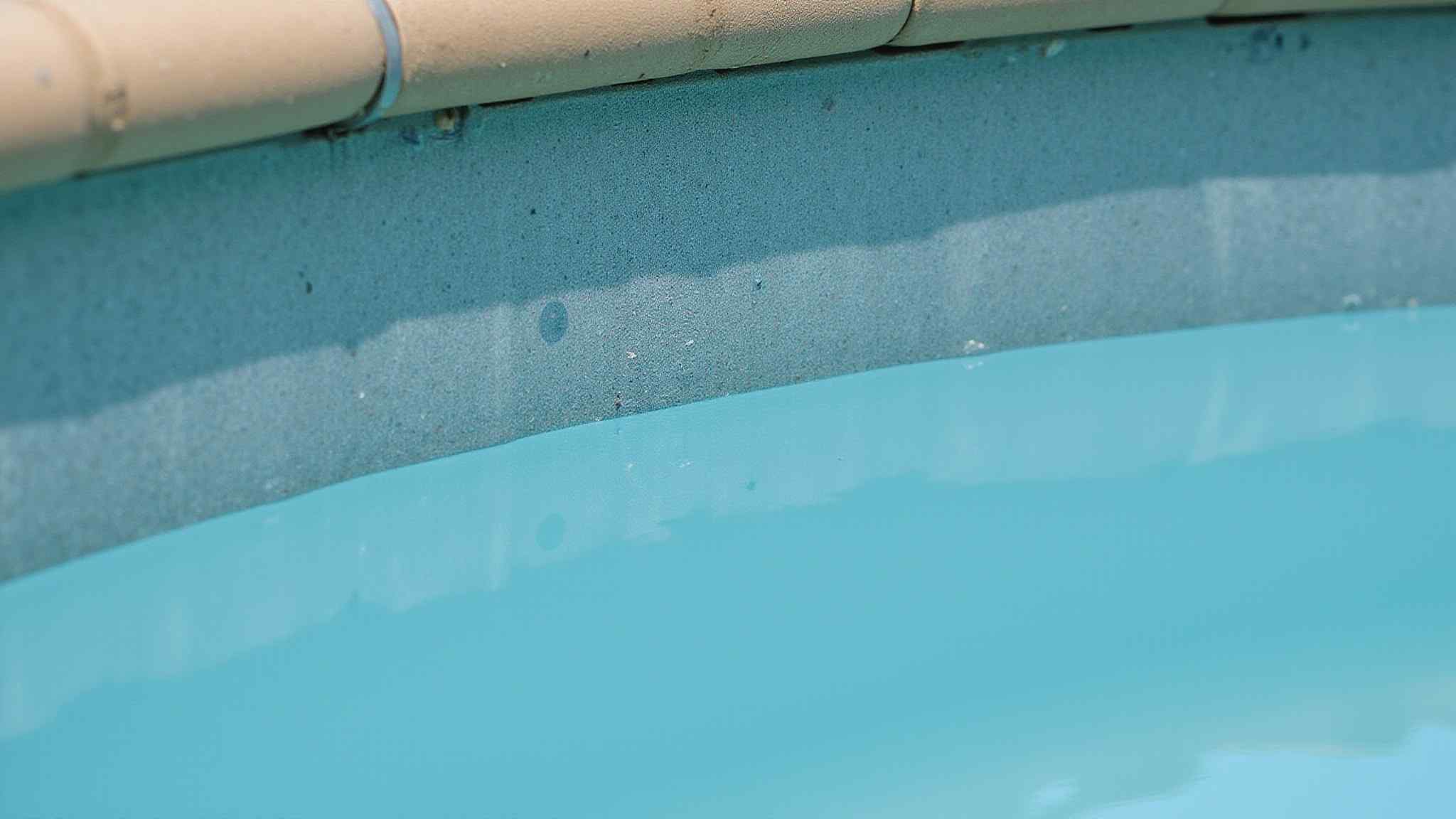
Calcium hardness falls over time because dilution, soft source water, and cold temperatures lower dissolved calcium levels and can push water outside the recommended 150, 250 ppm range. If your water runs aggressive with a negative LSI, it actively dissolves calcium from plaster, grout, and coping while simultaneously depleting dissolved calcium in the water itself. Environmental factors and dilution also play measurable roles.
Aggressive water with negative LSI doesn’t just dissolve calcium from plaster; it actively depletes the dissolved calcium already in your pool.
- Dilution: Rainwater, backwashing, splash-out, and fresh fill water introduce low-calcium or calcium-free water that reduces your overall concentration.
- Soft source water: If your fill water starts low in calcium, you’re already beginning below target thresholds.
- Cold temperatures: Winter conditions push LSI downward, accelerating calcium loss and making your water hungrier for minerals.
Monitor these factors closely to maintain stable, balanced chemistry.
How Do You Raise Calcium Hardness Back to Normal
Raise calcium hardness by adding calcium chloride, the standard product for correcting low levels below the 150, 250 ppm range. Test your water to establish the current reading, then calculate the dose needed to reach your target based on pool volume. Dissolve calcium chloride in a bucket of water before adding it, since it releases heat and can damage surfaces if applied dry. Pour the solution slowly around the perimeter with the pump running to distribute it evenly. Retest after several hours of circulation and adjust as needed, raising levels gradually rather than all at once. After correcting hardness, verify your pH and alkalinity, then confirm a balanced LSI to protect surfaces and equipment from further attack.
How Do You Prevent It From Getting Too Low Again
Prevent calcium hardness from getting too low again by testing regularly and keeping water balanced. You’ll want to verify calcium levels routinely and correlate them with pH, alkalinity, temperature, and stabilizer to maintain a positive LSI. Consistent monitoring catches downward trends before surfaces or metal components suffer damage.
Balanced water isn’t a one-time fix; regular calcium testing keeps your pool’s surfaces and equipment protected for the long haul.
- Test calcium hardness every two weeks, keeping levels within 200, 400 ppm depending on your pool type and finish.
- Track your LSI, adjusting calcium, pH, and alkalinity together rather than in isolation to prevent aggressive water.
- Account for dilution events, retesting after heavy rain, backwashing, splash-out, or fresh fill water that lowers calcium concentration.
Conclusion
Low calcium hardness is one of those quiet problems that can look harmless while steadily working against your pool, turning the water aggressive, driving the LSI negative, and pulling calcium out of your plaster, grout, masonry, and metal equipment. The good news is that it’s straightforward to catch and correct. Watch for the warning signs, dull or pitted surfaces, eroded grout, rust on fittings, and unusually soft water, then confirm with a test. When levels run low, dissolve calcium chloride and add it slowly with the pump running, retest, and rebalance your pH, alkalinity, and LSI together. Stay ahead of it by testing regularly and rechecking after rain, backwashing, or fresh fills, and you’ll protect your surfaces and equipment, avoid costly repairs, and keep your water balanced and your pool in great shape for years.
Get Expert Care for Fiberglass Pool Chemistry
Fiberglass pool chemistry stays balanced far more easily with the right pool from an authorized installer. At Schiller Pools in Palm City, FL, our experienced team provides trusted Fiberglass Pool Installation with expert guidance on water chemistry and long-term care. Call +1 (561) 475-5997 today and get your free estimate.
Frequently Asked Questions
Can I Swim in a Pool With Low Calcium Hardness?
Yes, you can swim in a pool with low calcium hardness, but you shouldn’t ignore it. The water won’t harm you directly, though you might notice it feels unusually soft or slippery, and unstable chemistry can trigger skin or eye irritation. Meanwhile, aggressive water attacks your plaster, grout, and metal fixtures. You’ll want to raise calcium hardness above 150, 200 ppm to protect your surfaces and maintain a balanced LSI.
Does Low Calcium Hardness Affect Saltwater Pools Differently Than Chlorine Pools?
Yes, low calcium hardness hits saltwater pools harder because your salt cell and its metal components face added corrosion risk in aggressive water. Both pool types suffer etching, pitting, and metal corrosion when calcium drops too low, but you’ll want to watch salt cells especially closely. In both systems, you’re fighting a negative LSI condition, so you’ll need to maintain calcium above roughly 150, 200 ppm to protect surfaces and equipment.
How Often Should I Test My Pool’s Calcium Hardness Levels?
You should test calcium hardness at least once a month under normal conditions. If you’re running a saltwater pool, managing a plaster surface, or dealing with unstable pH and alkalinity, you’ll want to test every two weeks. Also retest after heavy rain, significant water dilution, or major refills. Keeping levels above 150, 200 ppm helps you maintain a positive LSI and protects your surfaces and metal components from corrosive, aggressive water.
Is Low Calcium Hardness Worse Than High Calcium Hardness?
Neither’s inherently worse; both push your water out of LSI balance, but they fail differently. Low calcium makes your water aggressive, so it’ll etch plaster, dissolve grout, and corrode metal fittings. High calcium drives scaling, cloudy water, and clogged equipment. Low-calcium damage often becomes permanent and structural, while scaling’s typically reversible with treatment. You’ll want to keep hardness within your pool’s target range, since both extremes threaten surfaces and equipment.
Can Rainwater or Fresh Fill Water Lower Calcium Hardness Quickly?
Yes, both can lower your calcium hardness quickly. Rainwater and most fresh fill water contain little to no calcium, so they dilute your existing hardness with every addition. Heavy rain or a large top-off after backwashing or draining can drop your levels noticeably, especially in pools already near the low end. You’ll want to test after significant water additions and adjust with calcium chloride to maintain a balanced LSI.