

Refill your fiberglass pool right after draining to restore the internal water pressure that keeps the shell from lifting, shifting, or cracking. First, inspect the shell for damage, clear debris, and confirm relief valves or plugs are back in place. Then add water evenly and gently, monitoring the level continuously until it reaches mid-skimmer. Finally, balance your chemistry, adjusting alkalinity first and chlorine last. Keep going to master each step and avoid costly mistakes. Low calcium hardness in pool water can lead to corrosion of metal components and damage to the pool surfaces. It’s important to regularly test the water chemistry to ensure the calcium levels are within the ideal range.
Key Takeaways
- Inspect the empty shell for cracks or bulges and clear debris without harsh scrubbing that could damage the gel coat.
- Confirm all relief valves or plugs are back in place before you begin adding water.
- Add water evenly and gently, avoiding concentrated flow at the shallow end or floor to maintain balanced pressure.
- Monitor the fill continuously to prevent shell shifting, and stop when water reaches the middle of the skimmer.
- Restore chemistry in order: adjust alkalinity first, then pH, rebuild stabilizer, and add chlorine last.
How Do You Refill a Fiberglass Pool After Draining
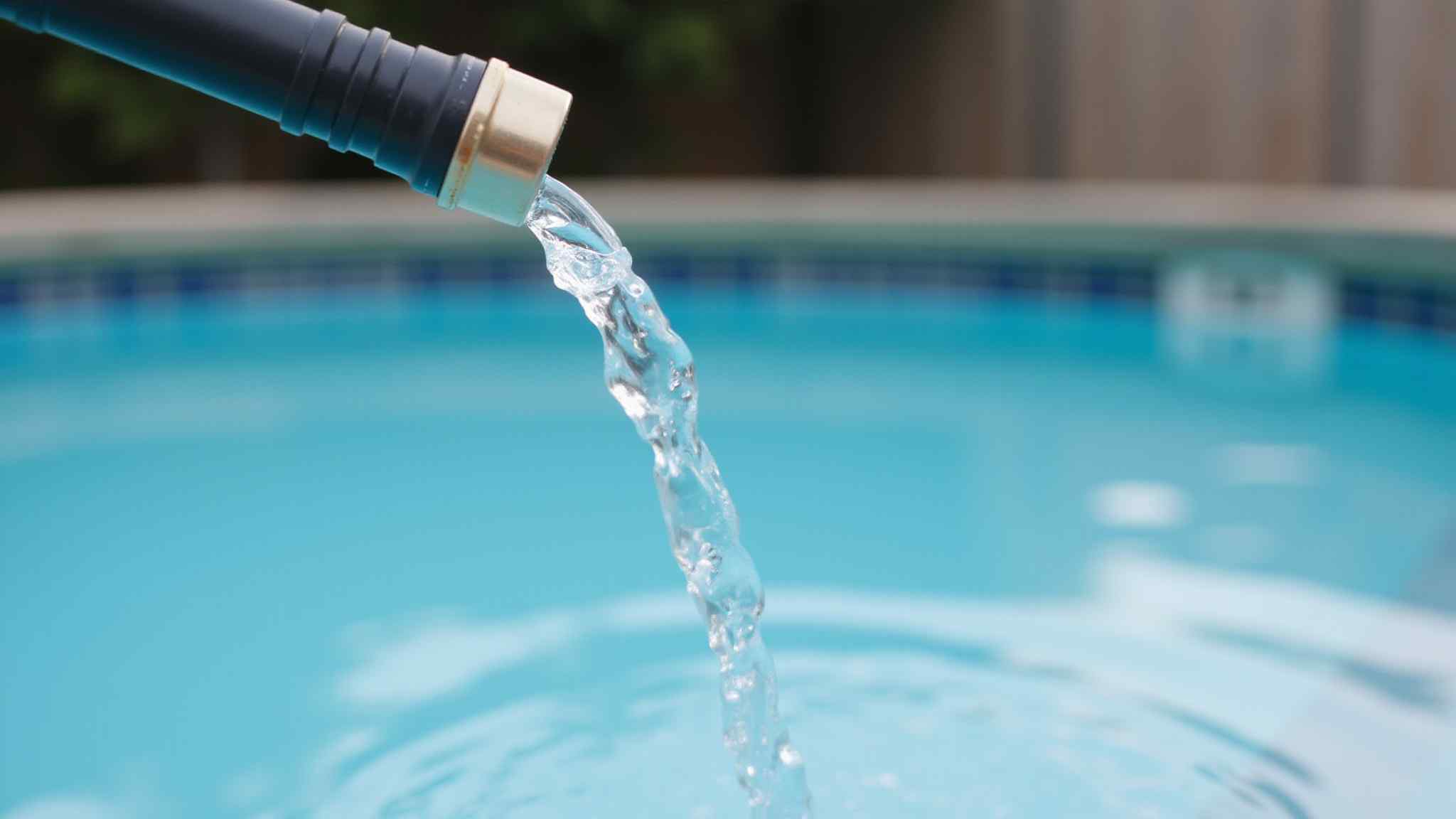
Refill a fiberglass pool immediately after draining by adding water evenly and gently to restore internal pressure in the shell. Inspect the shell for cracks, bulges, or discoloration, and clear any debris or sediment. Use a standard garden hose, or speed things up with multiple hoses or a water-delivery service. Direct the flow gently rather than blasting one spot, and add water evenly to maintain balanced hydrostatic pressure between the inside and outside of the shell. Monitor the fill continuously so the shell doesn’t shift or distort. Fill to the middle of the skimmer, then test and correct water balance for pH, alkalinity, and chlorine before restarting your circulation system.
Why Is Refilling a Fiberglass Pool Promptly So Important
Refilling a fiberglass pool promptly is important because an empty fiberglass shell loses the internal water pressure that normally balances the forces pushing on it from the surrounding soil and groundwater. Without that counterpressure, the shell can lift, shift, bulge, or crack, especially where groundwater is high. The longer you leave it empty, the greater the risk of movement, so you should begin refilling as soon as your inspection and any repairs are complete.
Restoring water quickly reestablishes balanced pressure across the fiberglass and reduces the window for weather or groundwater to cause damage. Once you’ve begun filling, monitor the shell continuously and keep the flow controlled. After the pool reaches the proper level, you’ll rebalance chemistry, but protecting the shell’s structure always comes first.
How Do You Prepare the Pool Before Refilling
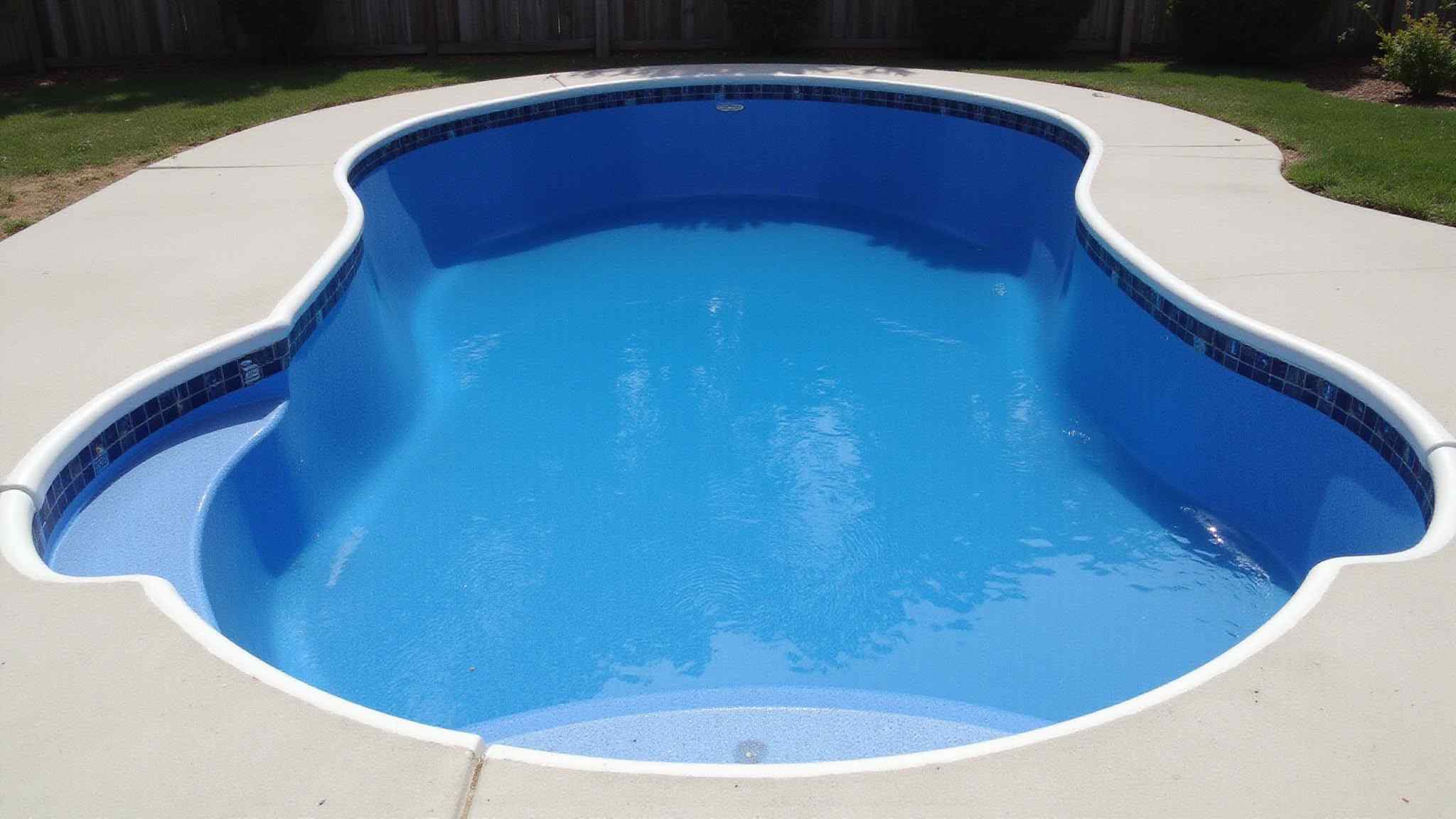
Prepare the pool before refilling by inspecting the empty shell for cracks, bulges, discoloration, or any other signs of pressure damage, since catching structural problems now is far easier than after the pool’s full. Next, examine your plumbing and equipment for airlocks, flow issues, or other startup problems the drain may have caused. Clean the surfaces gently, skip harsh scrubbing and pressure washing, which can damage the gel coat. Remove any debris, loose material, or sediment left in the vessel so your new water stays cleaner. Restore relief valves or plugs according to your system’s design to prevent pressure problems during refill. If you spot structural issues or groundwater concerns, call a professional before proceeding, don’t refill over a problem you can’t verify is resolved.
What Are the Steps to Refill a Fiberglass Pool
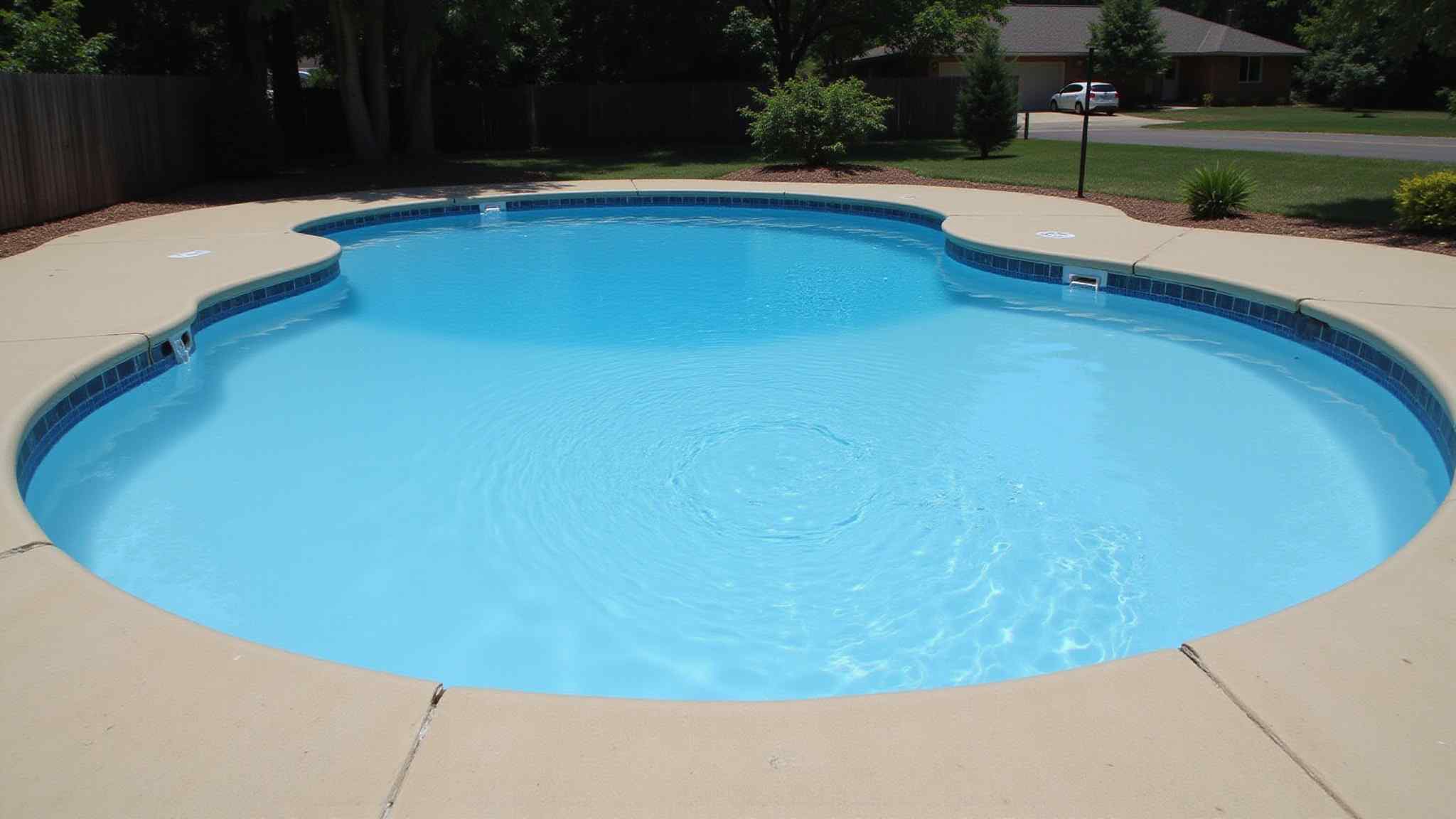
Refill a fiberglass pool by confirming any relief valves or plugs are back in place to prevent pressure problems, then adding water evenly. Use a standard garden hose, or speed things up with multiple hoses or a water-delivery service. Add water evenly to keep the pressure balanced between the inside and outside of the shell. Direct the flow gently instead of blasting one spot, especially near the shallow end or floor. Monitor the fill continuously so the shell doesn’t shift or distort, and check the level repeatedly rather than walking away for long stretches. An automated fill system or hose timer helps maintain consistency during long fills. Stop when the water reaches the middle of the skimmer.
How Do You Balance the Water Chemistry After Refilling
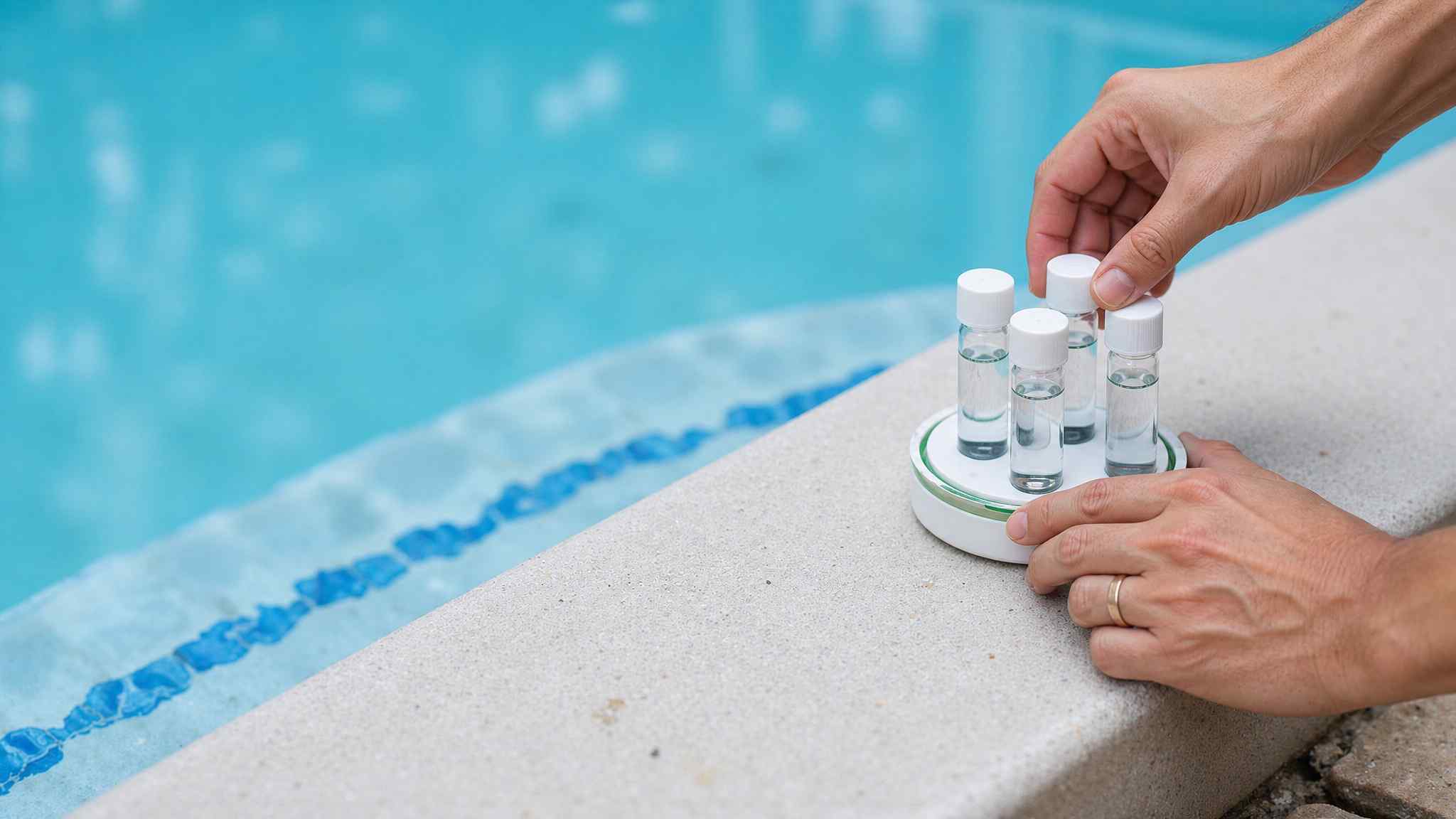
Balance the water chemistry after refilling by testing the water first, then correcting each parameter in a logical order to avoid chasing readings:
- Alkalinity: Adjust total alkalinity first, since it buffers and stabilizes pH.
- pH: Bring pH into the normal operating range once alkalinity holds steady.
- Cyanuric acid: Rebuild stabilizer, which often reads near zero after a full refill.
- Chlorine: Add sanitizer last, and use a sequestrant before chlorinating if your fill water contains metals.
Run the filtration system throughout to circulate chemicals evenly and confirm the equipment’s operating correctly. Retest after several hours, then fine-tune before returning the pool to regular use. It is essential to bring pool alkalinity to a safe range to ensure the water remains comfortable for swimmers. Regular monitoring and adjustments will help maintain optimal water balance.
How Long Does Refilling and Balancing Take
Refilling typically takes several hours to a full day or longer, depending on your water source and how many hoses you run. Adding multiple hoses or a water-delivery service shortens this window, but you’ll still need to monitor the shell continuously to catch shifting or distortion early.
| Task | Typical Time |
|---|---|
| Refilling to skimmer | Several hours to a full day |
| Balancing and startup | A few hours after fill |
After you reach the middle of the skimmer, testing and rebalancing pH, alkalinity, chlorine, and stabilizer takes additional hours. Run filtration to circulate chemicals and verify equipment. Don’t leave the pool unattended during long fills, periodic checks keep the process safe and controlled. To maintain proper water chemistry, it’s essential to reduce pool alkalinity safely when levels are too high. This process ensures that other chemical balances remain effective, which is vital for swimmer comfort.
How Do You Avoid Damage When Refilling
Avoid damage when refilling by adding water gently, evenly, and under constant observation. A fiberglass shell relies on balanced internal and external pressure, so uneven or forceful filling can shift or distort it. Direct the water gently rather than blasting a single spot, especially near the shallow end or floor.
Follow these controls to prevent damage:
- Add water evenly to keep inside-and-outside pressure balanced.
- Aim the hose gently, never concentrating flow on the floor or shallow end.
- Watch continuously so the shell doesn’t shift or bulge during the fill.
- Refill promptly after work ends to restore internal support.
Keep the level rising steadily, and don’t leave the pool unattended through long fill periods.
Conclusion
Refilling a fiberglass pool is straightforward when you make protecting the shell your first priority. Start by inspecting the empty shell and plumbing, confirm your relief valves or plugs are back in place, then refill promptly to restore the internal pressure that keeps the shell stable. Add water evenly and gently, keep an eye on the fill the whole way, and stop at mid-skimmer. From there, rebalance in the right order, alkalinity, pH, stabilizer, then chlorine last, run the filtration to circulate everything, and retest before anyone swims. Follow these steps and you’ll protect your investment, avoid costly shell damage, and get back to enjoying clear, perfectly balanced water with confidence.
Call Today and Enjoy Perfectly Balanced Water
Whether you’re refilling after draining or fixing calcium hardness, expert fiberglass pool care makes every task easier. At Schiller Pools in West Palm Beach, FL, our skilled team delivers dependable Fiberglass Pool Installation designed for easy water care and lasting enjoyment. Call +1 (561) 475-5997 today and enjoy your pool worry-free.
Frequently Asked Questions
How Much Does It Cost to Refill a Fiberglass Pool?
Refill cost varies with your local water rates, pool volume, and whether you’re using a garden hose or a water-delivery service. To estimate, check your utility’s per-gallon rate and multiply by your pool’s gallons. Delivery services typically charge more but fill faster. Whatever method you choose, add water evenly and monitor continuously to maintain balanced pressure and prevent shell movement during the fill.
Can I Use Well Water or Rainwater to Refill My Pool?
Yes, you can use well water or rainwater, but test it first for metals. Well water often contains iron or copper, which can stain your fiberglass shell once you chlorinate. If metals are present, add a sequestrant before chlorination to reduce staining risk. After filling, test and rebalance pH, alkalinity, and chlorine, and rebuild your stabilizer. Then run your filtration system to circulate everything and confirm your equipment’s working properly.
How Often Should a Fiberglass Pool Be Drained and Refilled?
You shouldn’t drain a fiberglass pool on a routine schedule. Unlike other pool types, you only drain it when a repair, resurfacing, or serious water-chemistry problem requires it. Full draining creates lift and cracking risk, especially with high groundwater, so avoid it whenever possible. When you must drain, keep it limited and controlled, then refill as soon as work’s done to restore the shell’s internal pressure and support.
Does Refilling a Pool Affect My Water Bill Significantly?
Yes, refilling a fiberglass pool can noticeably increase your water bill, since you’re adding thousands of gallons at once. Because a full refill takes many hours to a day or longer, the volume adds up fast. You can manage costs by draining only as much as necessary rather than emptying the shell completely. Using a water-delivery service instead of your municipal supply may sometimes reduce the impact on your bill.
Is It Safe to Swim Immediately After Refilling and Balancing?
Not quite yet. After refilling, you’ll need to test and rebalance your water for pH, alkalinity, and chlorine before anyone gets in. Since fresh fill water behaves like a new pool startup, you’ll likely rebuild stabilizer (cyanuric acid) and may add a sequestrant if your water contains metals. Run your filtration system to circulate everything, then confirm your chemistry sits in safe ranges. Once it’s balanced and stable, you’re clear to swim.