
You can’t lower alkalinity without temporarily affecting pH; they’re chemically coupled through the carbonate buffer. Instead, use a two-step method. First, add diluted muriatic or dry acid to drop both TA and pH together, limiting each pass to 10, 20 ppm. Second, aerate the water to off-gas CO₂, which raises pH back up while TA stays reduced. Retest after 4, 6 hours. Understanding the chemistry behind this coupling makes the process far easier to master. Knowing how to lower pool alkalinity can save you time and resources. It’s crucial to monitor both alkalinity and pH levels regularly to maintain optimal water chemistry.
Key Takeaways
- Add muriatic or dry acid to lower total alkalinity, which also temporarily drops pH at the same time.
- Use aeration to off-gas CO₂, restoring pH upward while alkalinity stays reduced.
- Dose acid in small, repeated amounts, limiting single-pass TA reduction to about 10, 20 ppm.
- Dilute acid at least 10:1, pour slowly near a return jet, and brush to disperse.
- Retest after 4, 6 hours or overnight to avoid overcorrecting before circulation stabilizes.
How Do You Lower Alkalinity in a Pool Without Affecting pH
You can’t lower alkalinity without affecting pH at all because the two values are chemically linked. Reducing total alkalinity (TA) always drops pH at least temporarily. What you can do is restore pH afterward. The accepted method is a two-step cycle: first, add muriatic acid to lower both TA and pH together; then, use aeration to raise pH back up while TA stays reduced.
Aeration works by driving off carbon dioxide (CO₂), which raises pH without materially increasing alkalinity. That’s why this process is often described as lowering TA without permanently affecting pH.
Work in small, repeated doses rather than one aggressive treatment, and retest after each cycle since pool conditions vary. When you refill a fiberglass pool after draining, ensure that the water chemistry is balanced before swimming. This will help prevent any damage to the pool surface and improve water clarity.
Why Do Alkalinity and pH Usually Move Together
Alkalinity and pH usually move together because they both depend on the same carbonate chemistry in your water. When you add muriatic or dry acid, you neutralize carbonate and bicarbonate ions simultaneously, so both readings drop together. That’s why you can’t lower one cleanly without disturbing the other.
Add acid and both alkalinity and pH drop together; you can’t touch one without moving the other.
Here’s how the chemistry links these two values:
- Shared buffer system: Bicarbonate ions define your alkalinity and resist pH swings, so acid affects both at once.
- Carbon dioxide balance: Acid drives dissolved CO₂ up, pushing pH down until aeration releases it.
- Proportional response: Larger acid doses reduce more alkalinity, but they push pH lower too.
Understanding this relationship lets you plan corrections methodically.
How Does the Acid-and-Aeration Method Work
The acid-and-aeration method works by lowering total alkalinity and pH with acid, then raising pH back up through aeration without meaningfully increasing alkalinity. First, you add acid, muriatic or dry, which lowers both total alkalinity and pH simultaneously. This handles the alkalinity reduction you’re after, but it leaves your pH sitting too low to be usable.
The second step corrects that. You aerate the water by pointing return jets upward, running a waterfall, or firing up a fountain. Aeration drives off dissolved carbon dioxide, which raises pH back toward your target without meaningfully increasing alkalinity. That’s the key: CO₂ off-gassing lifts pH while TA stays down.
What Are the Step-by-Step Instructions
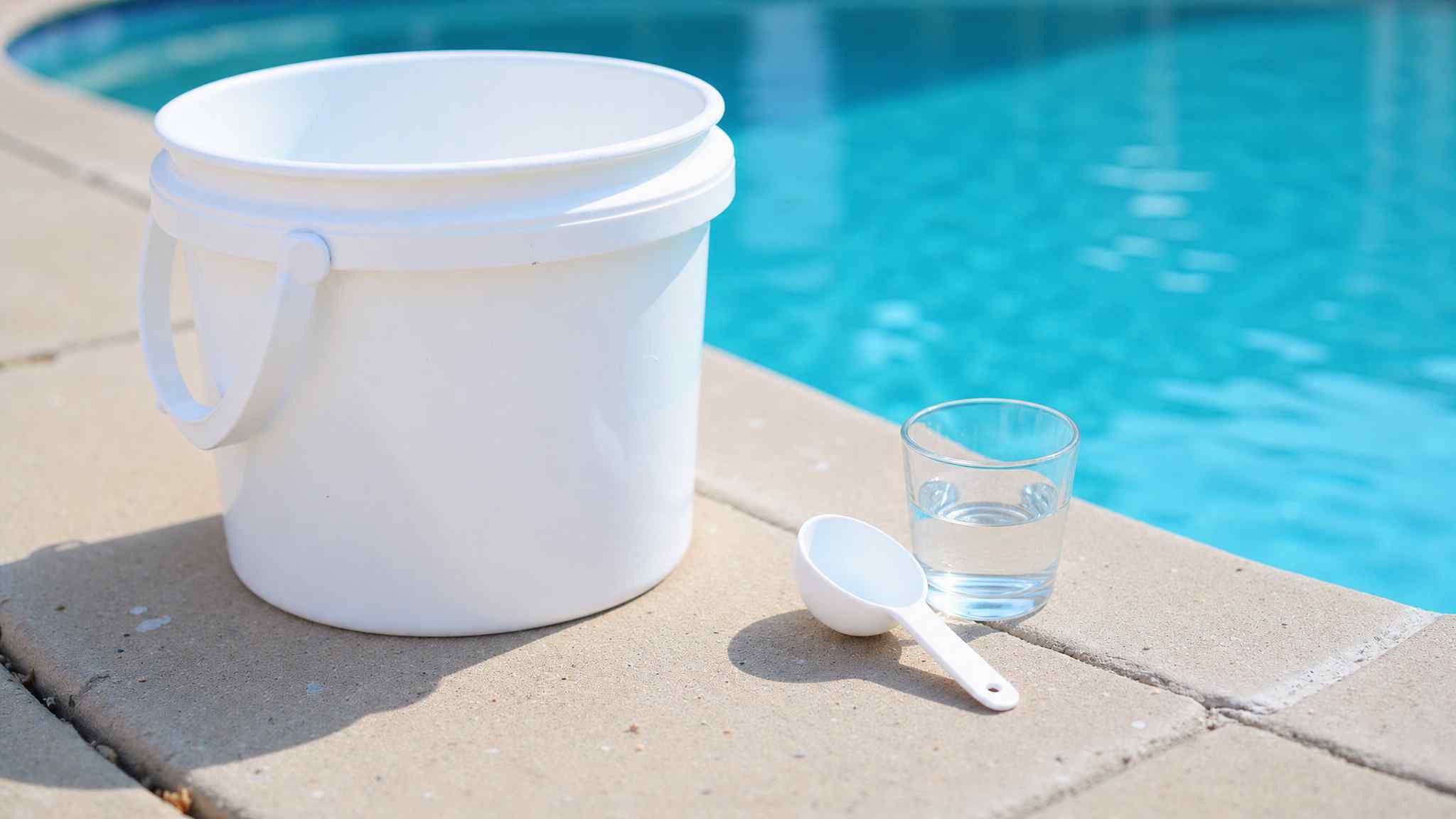
Test your water and calculate how much acid you’ll need to reduce TA by no more than 10, 20 ppm in a single pass. Keep the pump running so the water stays in motion, then measure your acid into a plastic cup and dilute it in a bucket of pool water at a minimum 10:1 ratio, 50:1 if you can manage it. What low calcium hardness does to a pool can lead to various issues, including potential damage to the pool’s surface and the equipment.
- Pour the diluted acid slowly near a return jet or around the pool perimeter, then brush to disperse it evenly.
- Aerate by angling return jets upward, running a waterfall, or starting a fountain until pH climbs back toward 7.6.
- Retest after 4, 6 hours or overnight, then repeat the cycle as needed.
How Long Does the Aeration Process Take
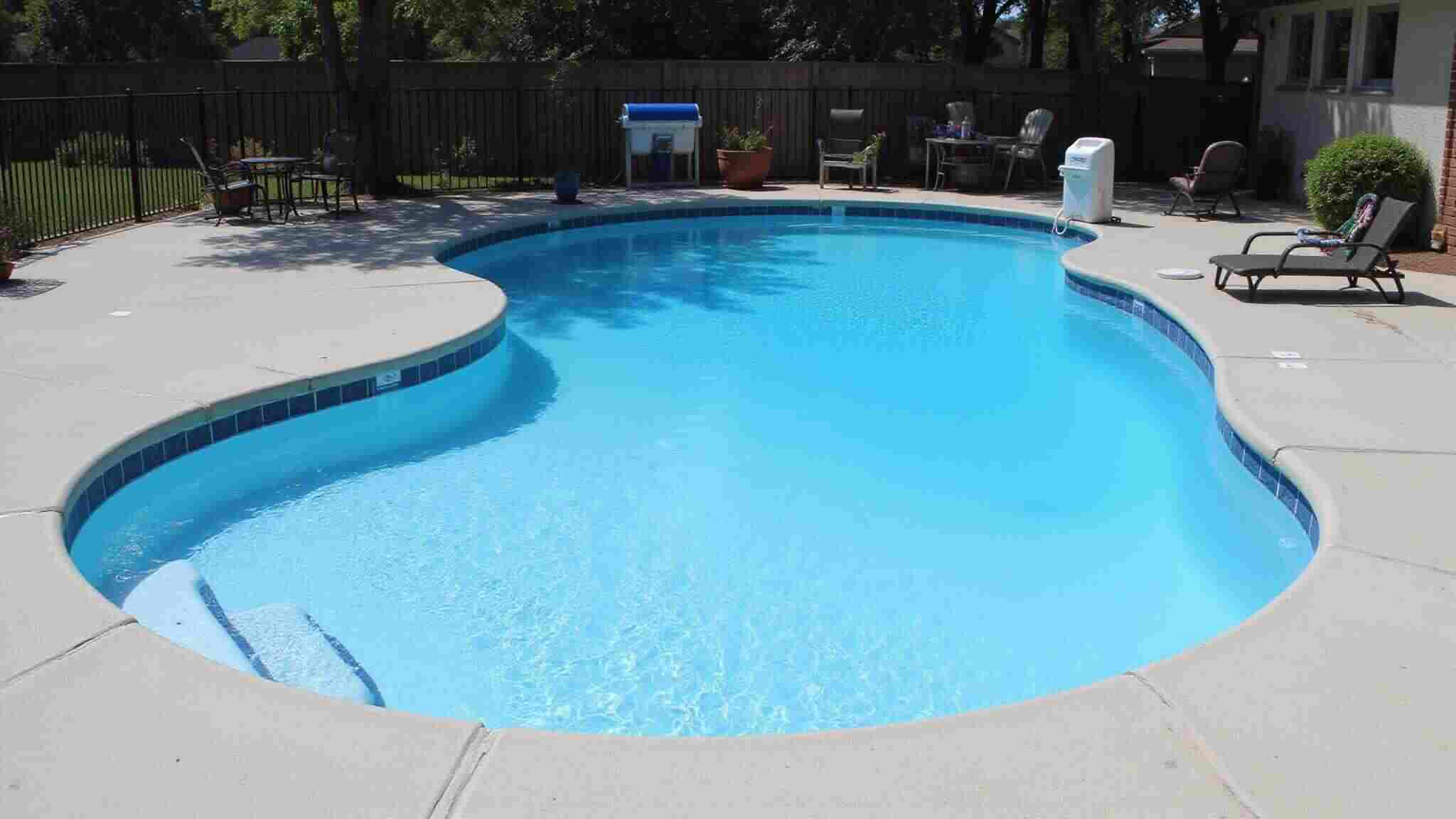
Aeration usually takes hours, not minutes, to bring pH back up, but it doesn’t run on a fixed clock. The rate depends on how aggressively you’re driving off CO₂ and how far the pH dropped after dosing. Pointing return jets upward, running a waterfall, or adding a fountain accelerates the process.
| Aeration Factor | Effect on Timing |
|---|---|
| Aggressive CO₂ off-gassing | Faster pH recovery |
| Larger initial pH drop | Longer recovery period |
| Weak or minimal aeration | Slow, incremental gains |
Retest after 4, 6 hours, overnight, or the next day, and keep aerating until pH returns to target, commonly around 7.6. Once you hit that range, you’re done.
What Mistakes Throw Off Your pH
Most pH problems start with dosing errors, not chemistry itself. When you push too much acid at once, you drive pH below target and trigger a temporary LSI violation. Skipping dilution or pouring acid too fast concentrates the correction in one spot, creating uneven readings. Rushing the retest before circulation finishes gives you false numbers that lead to overcorrection.
Dose too fast, skip dilution, or test too early, and you’re not fixing pH; you’re chasing it.
- Overdosing acid: Reducing TA by more than 20 ppm per treatment drops pH substantially, forcing extra aeration cycles.
- Poor dilution or placement: Failing to dilute 10:1 minimum, or pouring away from a return jet, prevents even dispersion.
- Testing too early: Retest after 4, 6 hours or overnight, once the water fully stabilizes.
How Do You Keep Both Alkalinity and pH Balanced
Keep both alkalinity and pH balanced by lowering them with acid, then raising pH back with aeration while alkalinity stays lower. Start by adding a measured dose of muriatic or dry acid to lower both values at once. Keep each dose small, reducing TA by only 10, 20 ppm at a time to prevent an excessive pH drop. Then aerate, point your return jets upward, run a waterfall, or add a fountain, to drive off CO₂ and raise pH back toward 7.6 while TA stays low.
Retest after circulation stabilizes, typically 4, 6 hours later or the next day. If TA remains high, repeat the acid-and-aeration cycle. Limit acid to one pint per 10,000 gallons daily. Work methodically, and you’ll hold both values in range without overshooting.
Conclusion
Lowering alkalinity without permanently moving your pH is less about a secret trick and more about understanding how the two are linked and working with that chemistry. Acid lowers total alkalinity and pH together, then aeration off-gasses CO₂ to lift pH back toward target while your alkalinity stays down, giving you the clean result you wanted. The winning approach is patient and methodical: dilute your acid well, dose in small passes that drop TA only 10, 20 ppm at a time, pour near a return jet and brush, then aerate and retest after 4, 6 hours before going again. Avoid the usual pitfalls of overdosing and testing too early, keep your total alkalinity in the 80 to 120 ppm sweet spot, and you’ll hold both values steady for stable, comfortable, scale-free water all season long.
Get a Pool Built for Balanced Water
Alkalinity issues become far easier to manage with a properly constructed pool from an experienced builder. At Schiller Pools in Palm City, FL, our experienced team provides trusted Pool Construction with expert water balance guidance and premium equipment. Call +1 (561) 475-5997 today and get your free estimate.
Frequently Asked Questions
Can I Use Baking Soda to Fix Over-Corrected Alkalinity?
Baking soda isn’t the right fix here; it raises alkalinity, so you’d only push TA higher, not correct an over-reduction. If you’ve overshot and dropped TA too far, you can add baking soda (sodium bicarbonate) in measured doses to bring it back up. But don’t overcorrect again. Add small amounts, circulate the water, and retest after 4, 6 hours. Remember, baking soda raises TA with minimal effect on your pH reading.
Does High Alkalinity Cause Cloudy Water or Scaling?
High alkalinity itself doesn’t directly cause cloudy water or scaling; it’s the pH consequences you should watch. When your TA runs high, it buffers pH upward, and elevated pH is what actually drives calcium carbonate to precipitate. That precipitation clouds your water and forms scale on surfaces. So you’re really tracking an LSI problem: high TA pushes pH up, and high pH tips the balance toward scaling. Test both together.
What Is the Ideal Total Alkalinity Range for Pools?
You’ll want to keep your total alkalinity between 80 and 120 ppm. That’s the range where your water stays chemically stable and your pH resists sudden swings. If you’re running above 120 ppm, you’ll likely notice scaling risk and cloudiness creeping in. Below 80 ppm, your pH becomes unstable and harder to control. Aim for the middle of that range, then retest regularly to confirm you’re holding steady.
Is Muriatic Acid or Dry Acid Better for Lowering Alkalinity?
Both work equally well; neither’s chemically superior for lowering alkalinity. You’ll get the same result since each lowers TA and pH together. Choose muriatic acid if you want a liquid that’s easy to dilute and dose near a return jet. Pick dry acid if you’d rather handle a safer, granular product. Dilute either one first, apply small doses, then aerate to restore pH. Your technique matters more than which acid you select.
Does Rain or Heavy Pool Use Change Alkalinity Levels?
Yes, both can shift your alkalinity readings. Rain, especially heavy or acidic rainfall, dilutes your water and can lower TA over time. Heavy pool use introduces contaminants, adds fresh fill water, and disrupts your chemical balance, nudging TA in either direction. Since these factors vary with pool conditions, you’ll want to retest after significant rain or heavy bather loads. Then adjust in small increments and stabilize before making another correction.