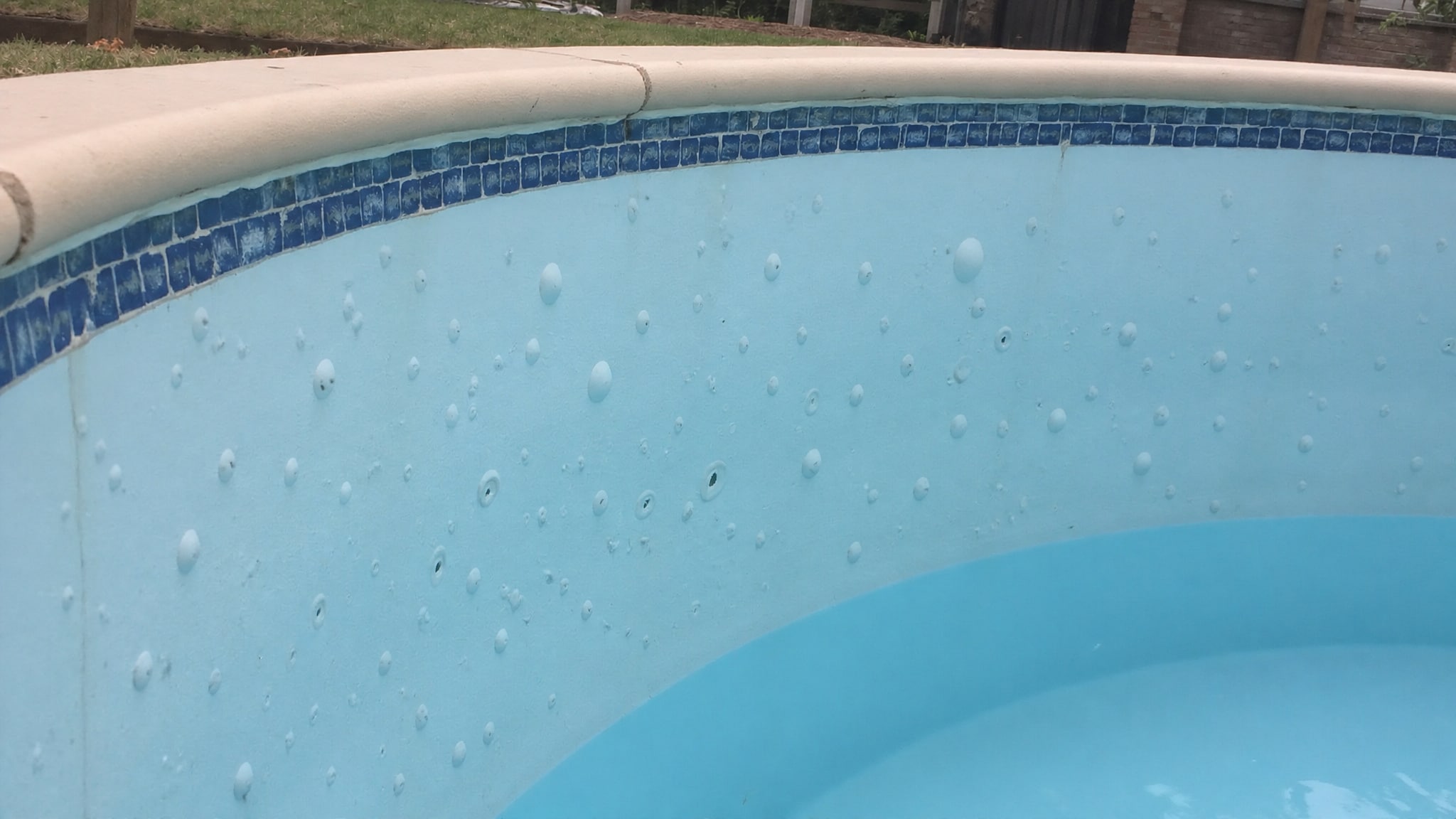
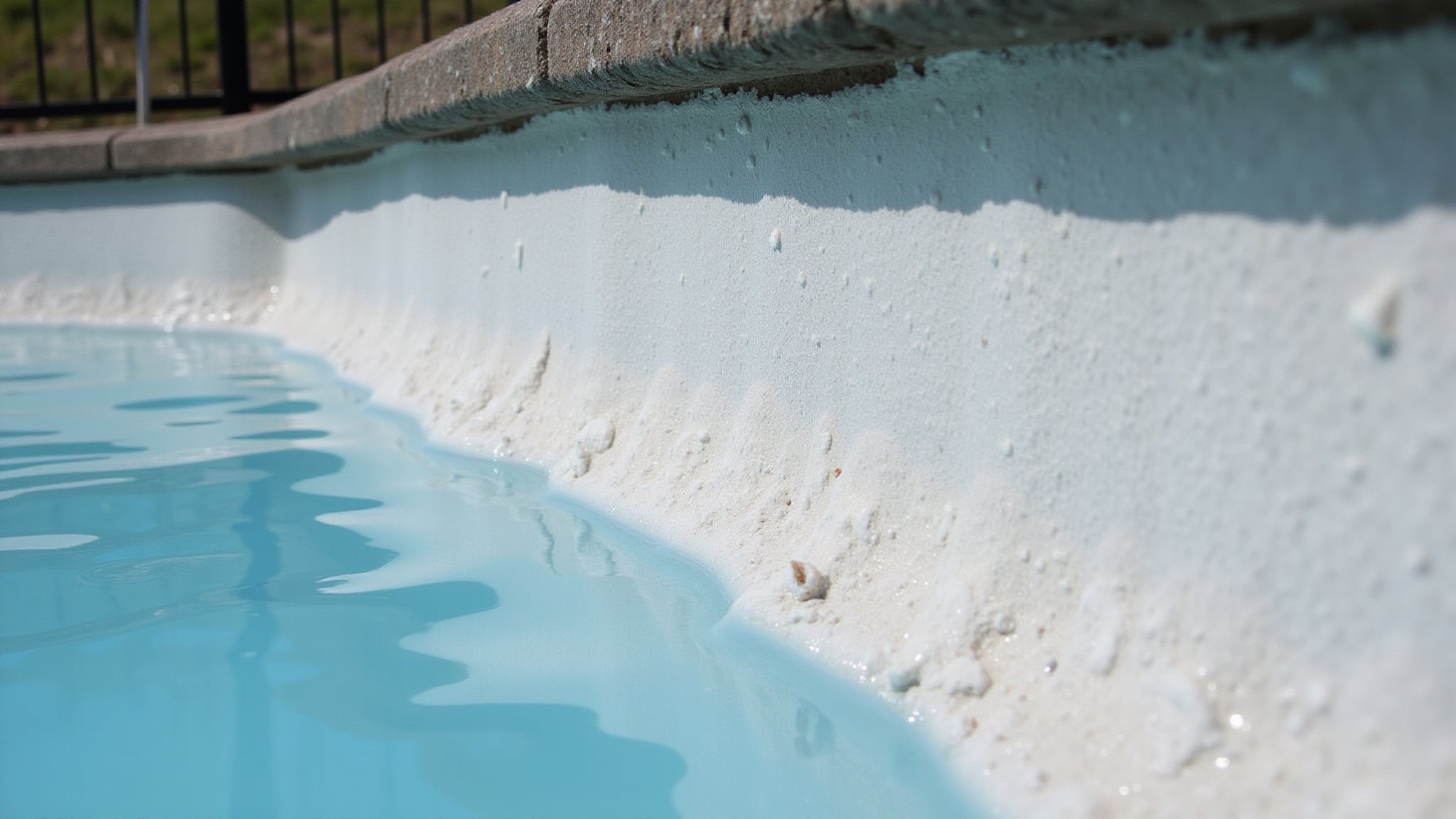
The most effective pool crack repair sealants include polyurethane injection systems for deep structural repairs, Deck-O-Seal HS-1 self-leveling sealant for horizontal joints, TL Crack Fix Epoxy for durability, Boss 802 Pool Silicone for flexible coping, and professional-grade kits from AquaBond and SealBoss for extensive solutions. You’ll need to match your sealant choice to your specific crack type, surface material, and water exposure conditions. Understanding the distinctions between these options will greatly impact your repair’s success.
Understanding Pool Crack Types and Assessment

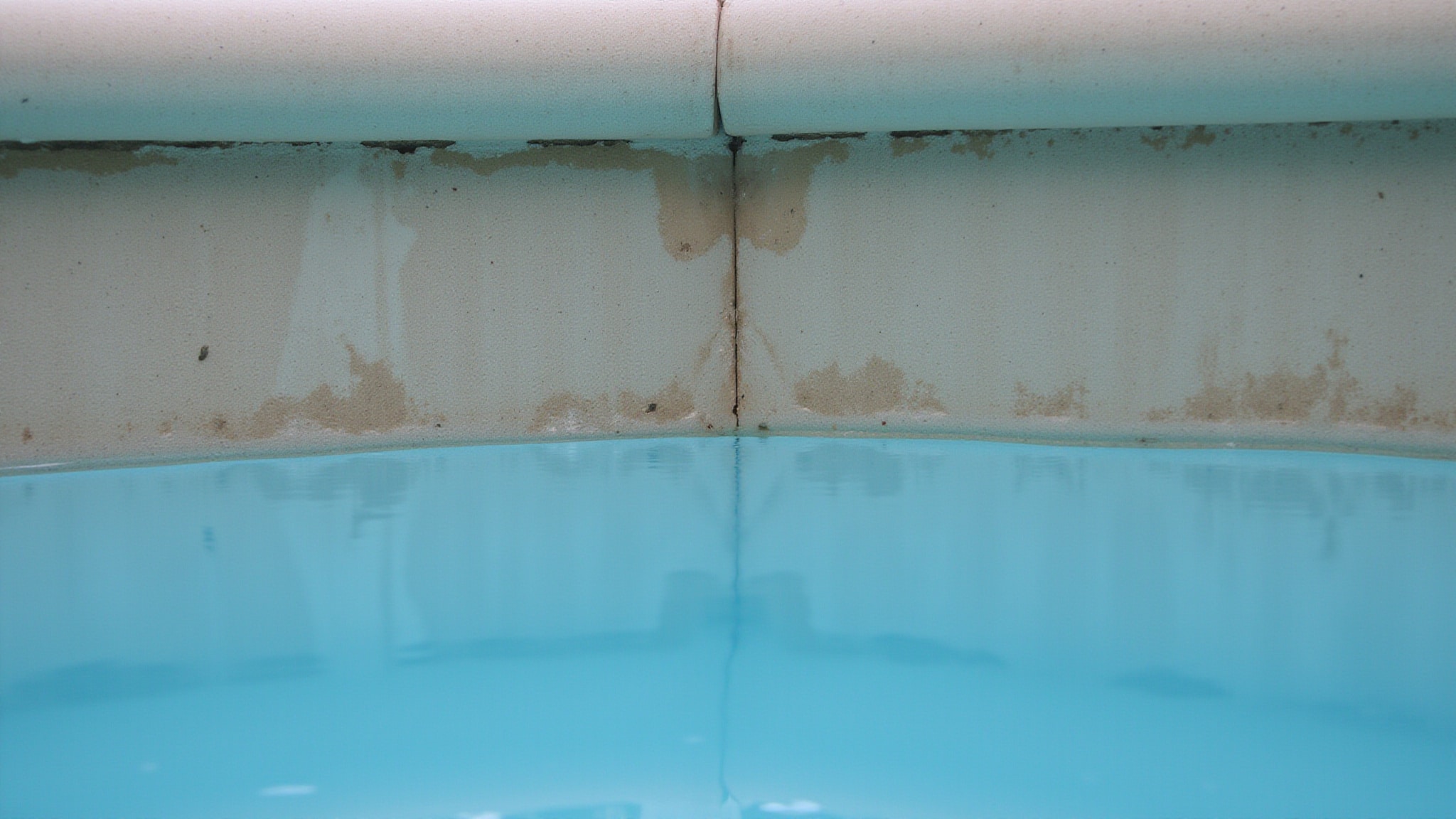
How well you understand pool crack types can make the difference between a simple repair and a costly structural overhaul. You’ll need to distinguish between surface-level issues, like spider cracks and shallow plaster fractures, versus serious structural damage that penetrates the concrete foundation. While some cracks appear minor, water seepage through them can lead to more extensive damage if left unaddressed.
Your pool crack mitigation measures should begin with a thorough assessment. Look for warning signs like water seepage, rust emergence, or cracks that mirror through multiple layers. Surface cracks commonly develop during initial installation as concrete cures and settles. For optimal website functionality and maintenance tracking, we use necessary cookies to store your crack assessment data. You can track crack progression by marking edges with waterproof markers and implementing seasonal monitoring considerations to detect any changes in width, length, or depth.
When evaluating cracks, pay special attention to those that run through concrete, plaster, and tile areas simultaneously, as these often indicate deeper structural problems requiring professional intervention.
Essential Safety and Preparation Steps
Before initiating any pool crack repair work, proper safety protocols and preparation steps must be implemented to guarantee both worker protection and excellent repair outcomes. You’ll need to focus on thorough surface preparation, appropriate safety gear, and environmental conditions to safeguard ideal results. Consider proper disposal procedures for unused materials and ongoing maintenance requirements before beginning your repair project. Acrylic sealants provide an economical and user-friendly option for basic repairs. Epoxy injection techniques deliver superior strength for addressing deeper structural cracks. Using a pencil marking test helps determine if cracks are actively growing and require professional intervention.
Prioritize safety protocols and thorough preparation when repairing pool cracks to ensure worker protection and optimal repair results.
- Confirm surfaces are completely clean and dry, removing all debris and contaminants that could compromise sealant adhesion
- Wear appropriate PPE including chemical-resistant gloves, safety goggles, and protective clothing while handling repair materials
- Monitor weather conditions and maintain adequate ventilation throughout the repair process, as temperature and humidity drastically impact sealant curing
Use manufacturer-specified mixing ratios and application techniques while working in well-lit, ventilated areas. Keep your workspace organized and materials readily accessible to preserve efficiency throughout the repair process.
Top-Rated Sealant Products and Applications
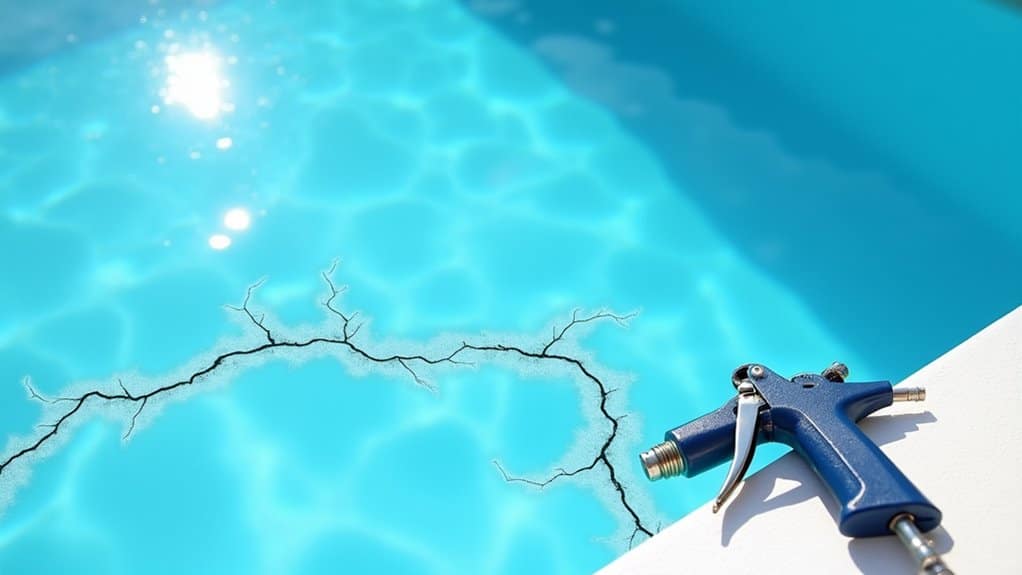
With proper safety measures in place, selecting the right sealant products becomes the next critical factor in successful pool repair. You’ll find several high-performance options with distinct material compatibility profiles. Polyurethane injection systems excel in wet environments, creating watertight seals on concrete, gunite, and pebble tech surfaces. They’re particularly effective for negative side applications from inside pool structures. The high-density polymer foam ensures deep penetration into cracks while maintaining long-term flexibility. This professional-grade solution can be enhanced with staples for maximum structural integrity. Self-leveling sealants like Deck-O-Seal HS-1 provide excellent coverage for horizontal joint repairs.
For commercial pools facing harsh chemical exposure, TL Crack Fix Epoxy delivers superior durability with a quick 50-minute cure time. If you’re working with flexible coping materials, consider Boss 802 Pool Silicone Adhesive, which accommodates movement without cracking. For extensive repairs, professional-grade kits like AquaBond and SealBoss provide complete solutions with specialized application techniques and tools for structural reinforcement.
Professional Tips for Long-Lasting Repairs
Professional pool crack repairs demand painstaking attention to both preparation and execution techniques. For ideal results, you’ll need to follow expert guidance on proper surface preparation, reinforcement methods, and performance verification protocols. Consider using hydraulic cement for deep structural repairs before applying surface sealants. While DIY repairs can work for minor issues, structural damage often requires professional expertise to ensure lasting results. Regular inspection helps identify soil movement issues before they cause extensive cracking.
Clean and bevel the crack thoroughly, removing all debris and loose material with a wire brush and screwdriver before applying any sealants. Install steel reinforcement staples every 12 inches along major cracks, using two-part anchoring epoxy for maximum bond strength. Allow complete curing time per manufacturer specifications and monitor the repair site for any signs of compromise.
When mixing epoxy or pool putty, guarantee precise measurements for optimal consistency. You’ll want to slightly overfill the crack to compensate for shrinkage during the curing process. For structural integrity, recess your reinforcement deep enough while maintaining a smooth, integrated surface appearance.
Common Mistakes and Troubleshooting Guide

Even skilled pool repair technicians encounter common pitfalls that can compromise the effectiveness of crack repairs. A vital mistake is rushing through the optimal cure time, as applying multiple sealant layers within 24 hours prevents proper curing and leads to premature failure. You’ll need to allow each layer to fully cure before additional applications. Attempting to fix the issue with epoxy or silicone will only provide a temporary solution that ultimately fails. Traditional repair methods like Kevlar staples have proven unsuccessful for structural cracking.
Improper application techniques, like underfilling or overfilling cracks, directly impact repair longevity. You must guarantee proper material consistency and use putty knives correctly to press repair compounds into the entire void. Furthermore, failing to distinguish between structural and surface cracks can lead to catastrophic failures. If you notice growing crack length or depth, it’s necessary to seek professional help, as surface repairs won’t address underlying structural issues. Always start with thorough surface preparation, removing all debris and contaminants before applying any repair materials.
Frequently Asked Questions
Can Pool Sealants Be Applied During Winter Months When the Pool Is Closed?
You shouldn’t apply pool sealants during winter months, as seasonal temperature changes drastically impact proper curing and adhesion. Most sealants require temperatures above 40°F to cure effectively. Instead, you’ll want to complete repairs during fall pool closure timing when joints are at their widest and temperatures remain moderate. If you must make emergency repairs, you’ll need to create a controlled, heated environment around the repair area.
How Long Should Swimmers Wait After Repairs Before Using the Pool?
You’ll need to wait different periods based on your repair type. For immediate swimming, E-Z Patch vinyl repairs are safe, though you should avoid direct contact with fresh patches. However, for ideal pool reopening timeline and concrete curing duration, wait 24 hours for standard pool mastic, 3-5 days for vinyl liner sealants, and a full week for swimming pool sealants. During this time, you’ll want to keep pool equipment inactive until full cure strength is achieved.
Will Crack Repairs Affect the Pool’s Warranty or Insurance Coverage?
Yes, DIY crack repairs can notably affect your pool’s warranty coverage. You’ll need to carefully review your warranty terms, as most manufacturers won’t honor claims if you’ve used chemical sealants or performed unauthorized repairs. Professional repairs using polyvinyl injection systems typically preserve warranty status since they address the pool’s structural integrity. For ideal protection, you should document all repairs and consult your warranty provider before attempting any DIY solutions.
Can Multiple Types of Sealants Be Used Together on the Same Crack?
Yes, you can use multiple sealant types together, but you’ll need to carefully consider compatibility issues between different products. Start with hydraulic cement as your base layer, followed by a flexible membrane sealant. When layering, guarantee complete curing between applications and use proper surface preparation techniques. Test material compatibility in a small area initially, and keep in mind that certain sealants, like acetic cure silicones, may react negatively with others.
Does Pool Water Chemistry Need Adjustment Before Applying Underwater Repair Products?
Yes, you’ll need to adjust your pool’s water chemistry before applying underwater repair products. Maintain pH levels between 7.4-7.6 and guarantee chlorine concentration doesn’t exceed 3 ppm, as high levels can interfere with sealant adhesion and curing. Test and balance your water chemistry at least 24 hours before application, focusing on pH balance considerations. You’ll achieve ideal bonding and durability when repair products are applied in properly balanced water conditions.