
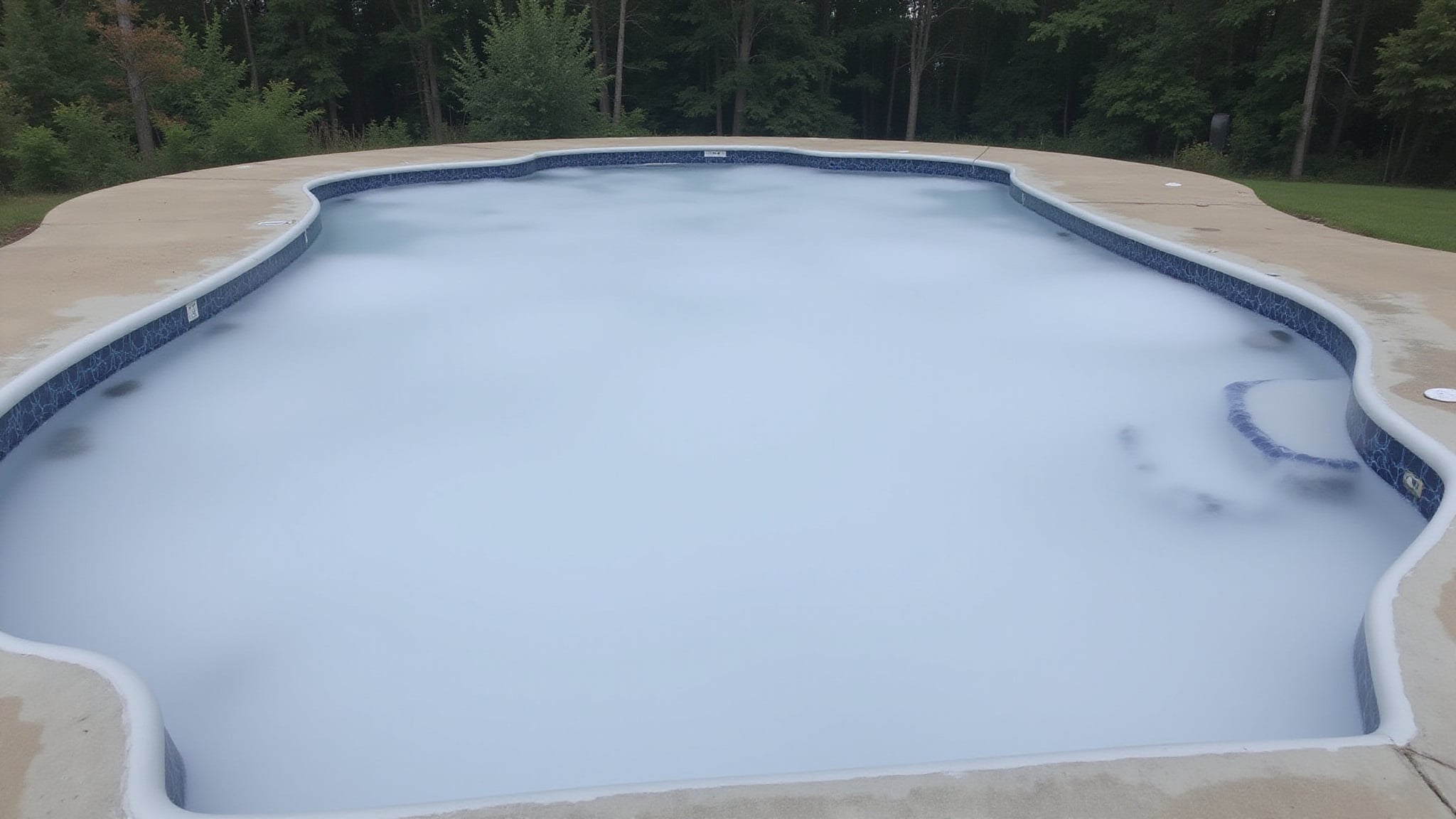
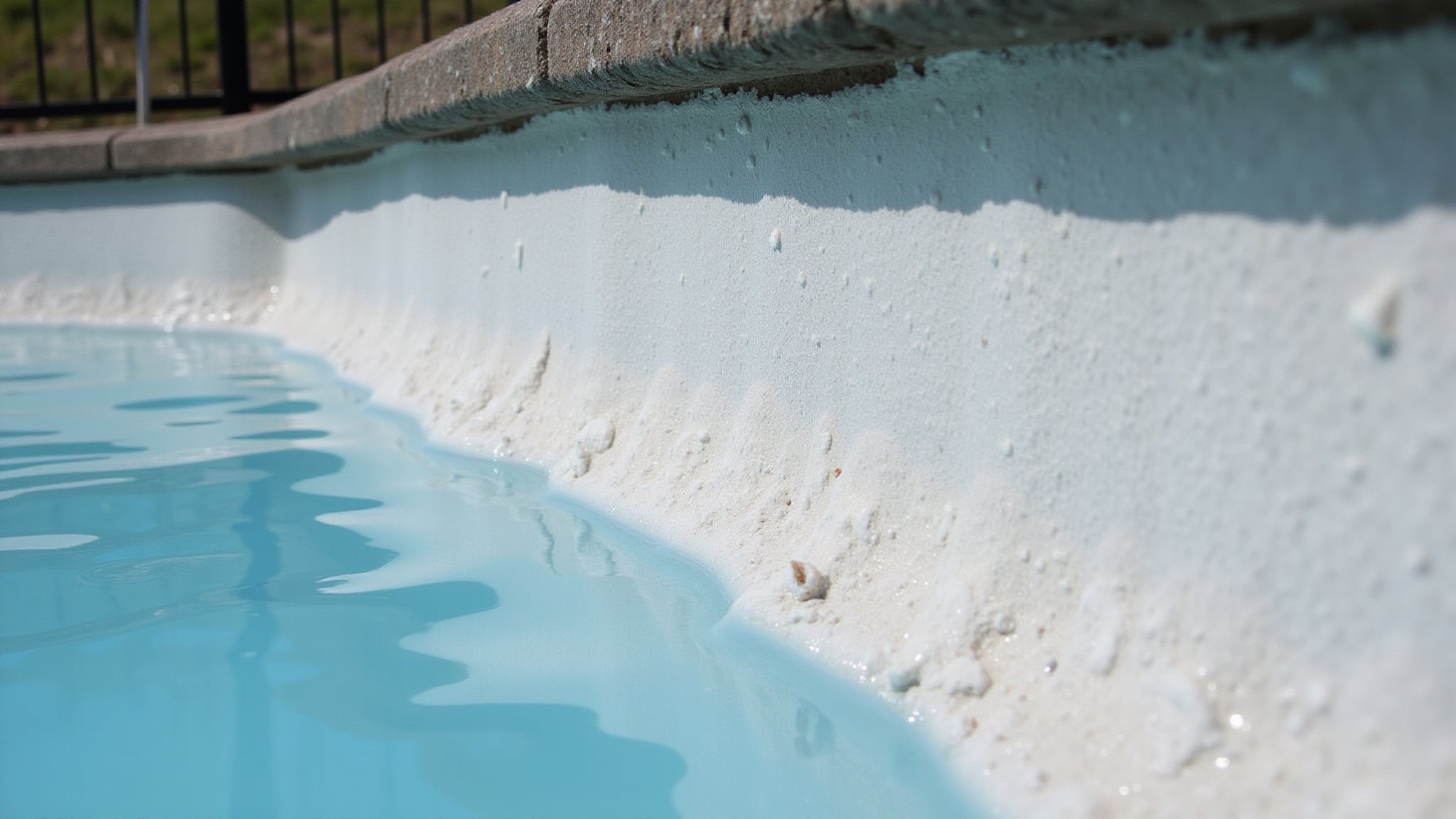
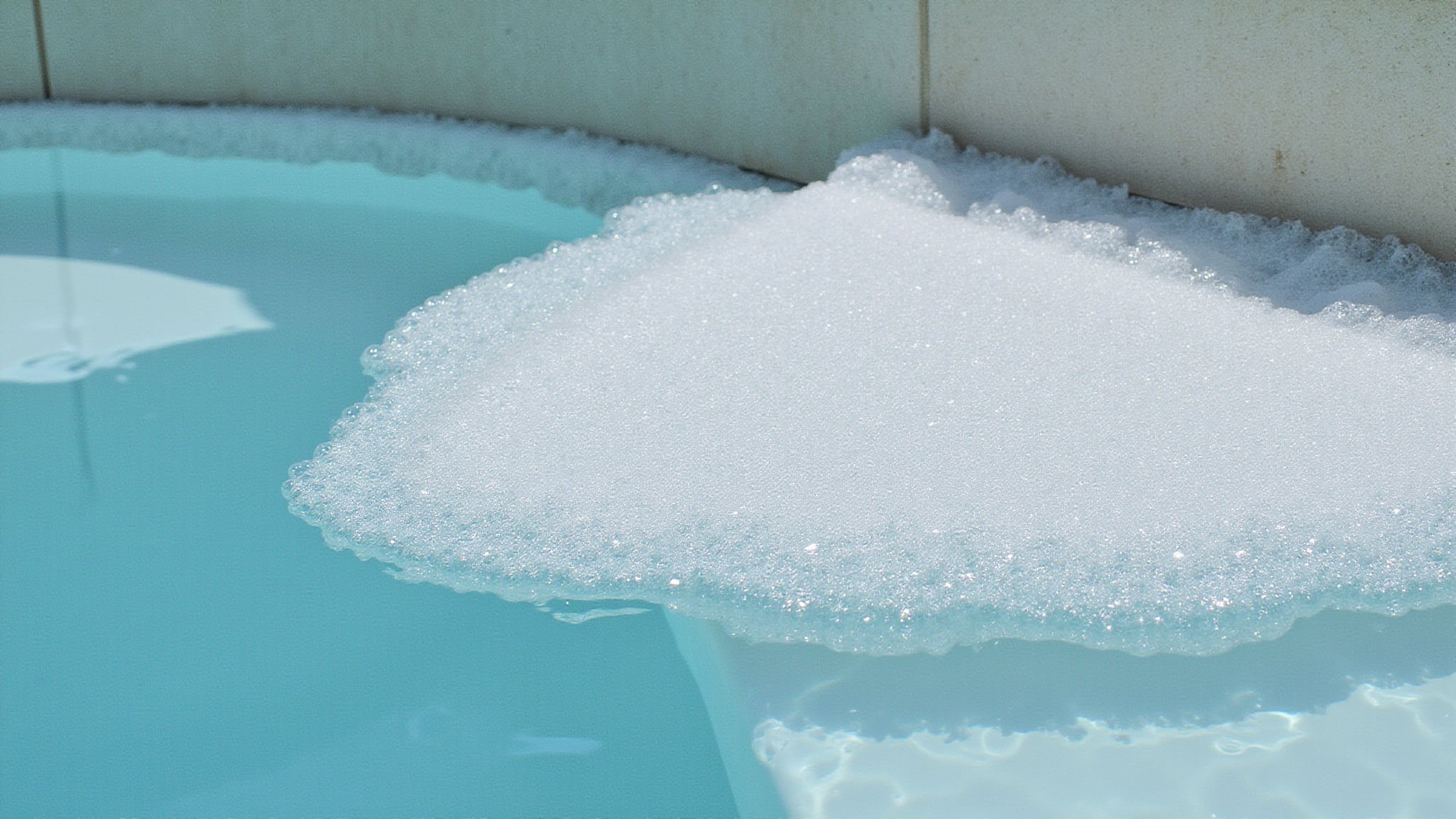
Your pool foams when surfactants from body oils, sunscreen, lotions, and overused quat-based algaecides lower the water’s surface tension, letting air bubbles stack instead of popping. Low calcium hardness, high TDS, and increased cyanuric acid make it worse. To stop it fast, skim the foam, add an anti-foam agent at 1 oz per 5,000 gallons, shock to 10+ ppm, and run your pump 24 hours. Keep going to pinpoint your exact cause.
Key Takeaways
- Foam forms when surfactants from sunscreen, lotions, oils, sweat, and shampoo lower water’s surface tension, preventing bubbles from popping.
- Chemical imbalances like low calcium hardness, high TDS, excess cyanuric acid, and overused quat-based algaecides worsen foam accumulation.
- Agitation from jets, waterfalls, or heavy bather loads whips air into surfactant-laden water, stabilizing persistent foam.
- For quick relief, skim foam manually and apply an anti-foam agent at 1 oz per 5,000 gallons.
- Shock the pool with chlorine at 10+ ppm and run the pump continuously for 24 hours to oxidize contaminants.
What Causes Pool Foam and How It Forms
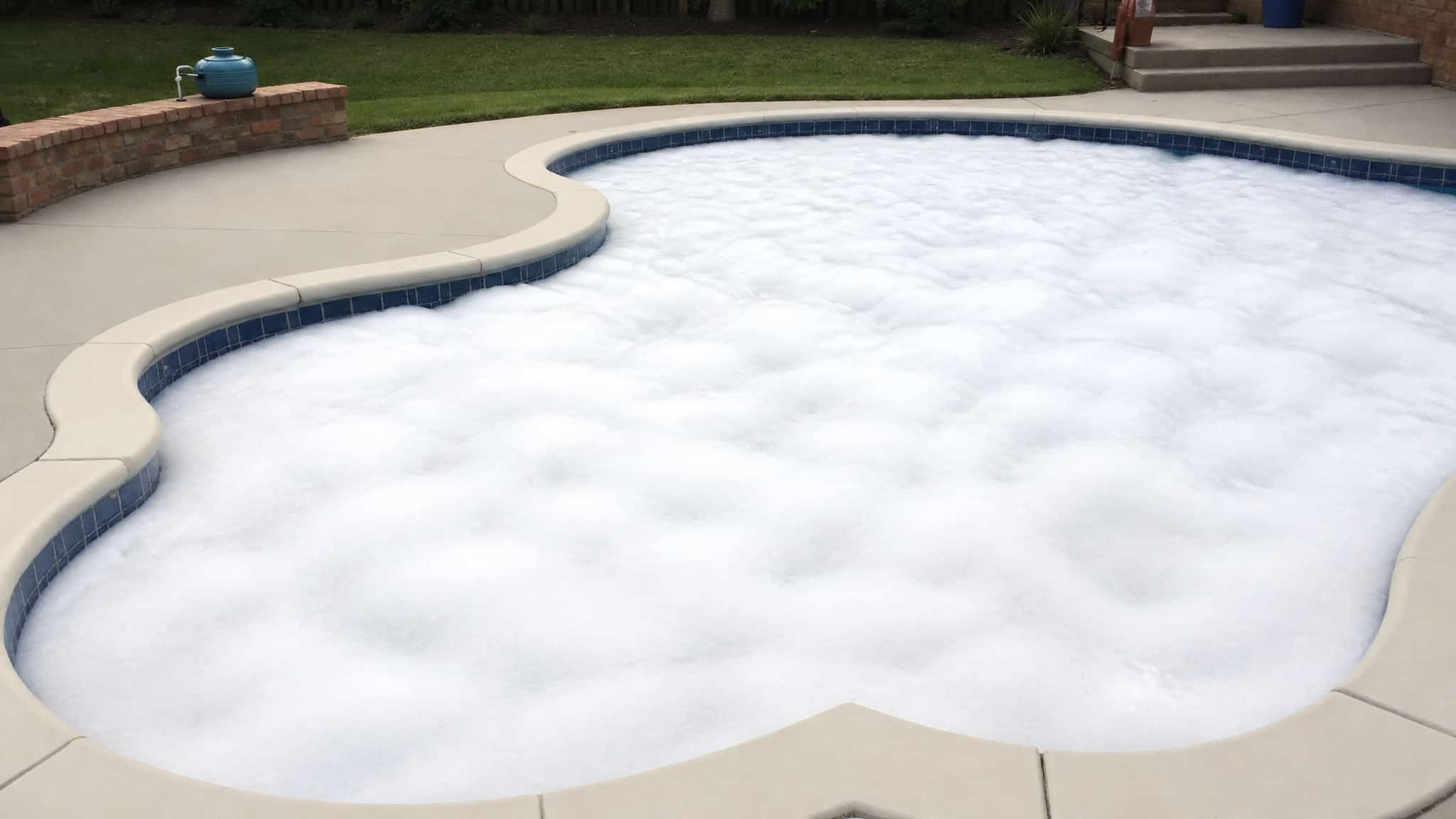
Pool foam forms when reduced surface tension lets air stack into persistent films instead of escaping normally. Organic contaminants, sunscreen, lotion, body oils, sweat, shampoo, and conditioner, create a thin film that lowers this tension, so air can’t escape normally. That’s why pool water foams: instead of bubbles popping, they stack into persistent films.
Surfactants are the primary drivers behind foamy pool water. When agitation from jets, waterfalls, or heavy bather loads whips air into surfactant-laden water, you get pool water foam that won’t dissipate.
Chemical causes compound the problem. Overusing quat-based algaecides, low calcium hardness below 150 ppm, high TDS, and cyanuric acid past 80 ppm all contribute. Phosphates add organic load, while high combined chlorine signals sanitizer inefficiency letting residues persist. Why fiberglass pools get mustard algae can be attributed to several environmental and chemical factors. Maintaining proper water chemistry is crucial to prevent the growth of such algae.
The Real Reasons Your Pool Water Foams Up
Your pool water foams up because of specific contaminants and chemical imbalances. Organic contaminants top the list. Sunscreen, lotions, body oils, sweat, and hair products form thin films that lower surface tension. Overusing quaternary ammonium algaecides ranks as a frequent chemical cause of persistent foam. Low calcium hardness, below 150 ppm, fails to support water structure, letting air bubbles accumulate. High total dissolved solids and cyanuric acid above 80 ppm blunt chlorine and add dissolved-load foam. Phosphates behave as organic material, building up over time. To stop pool foaming, you’ll need to pinpoint which of these pool water problems applies to your situation, since accurate diagnosis determines whether you’re treating chemistry, contamination, or both.
How Body Oils and Sunscreen Trigger Foam
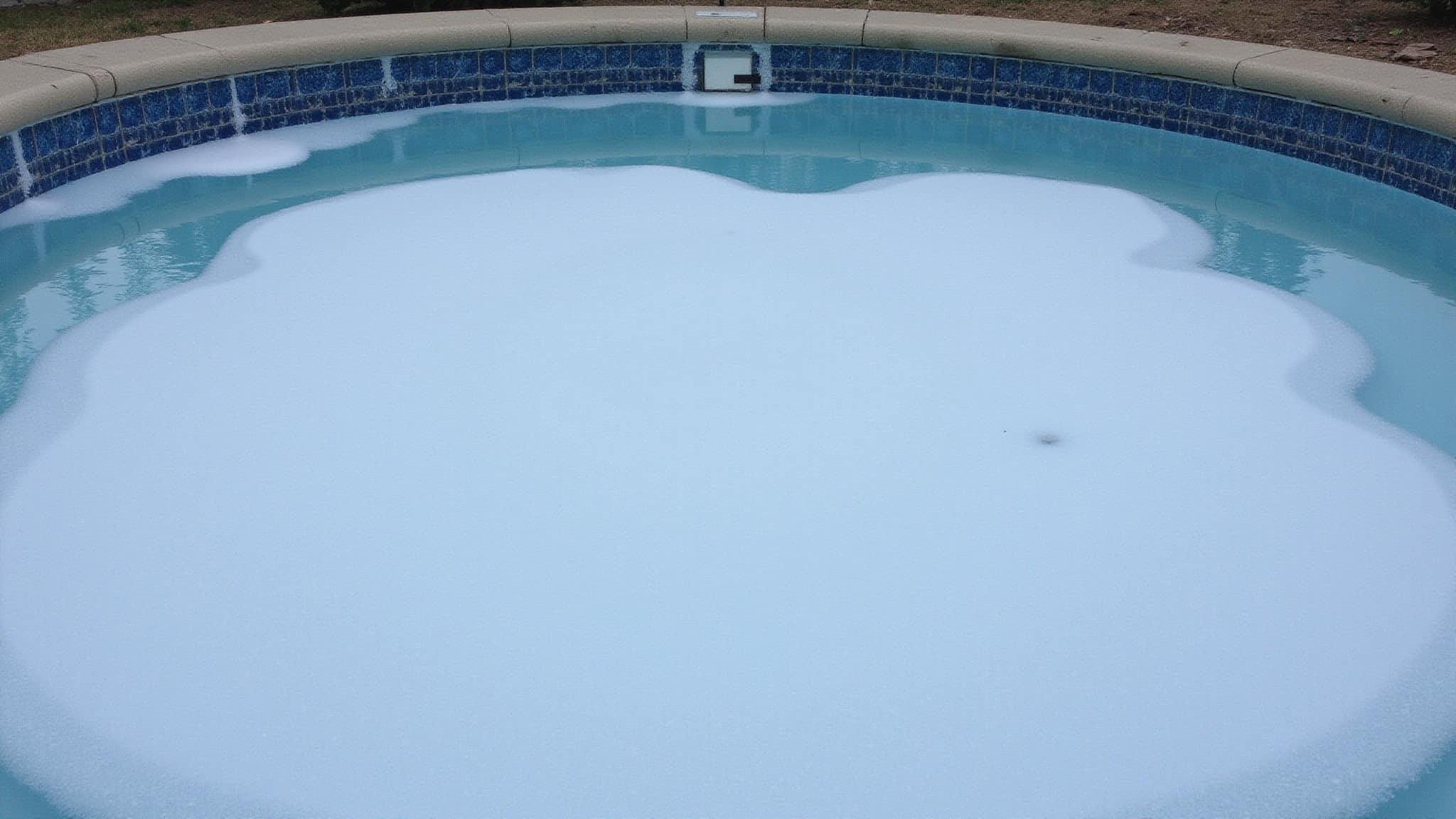
Body oils and sunscreen trigger foam by introducing surfactants that lower the water’s surface tension. Every time swimmers enter your pool, sunscreen, lotion, body oils, sweat, shampoo, and conditioner form a thin film across the water’s surface, and that film lowers surface tension. Once surface tension drops, air from your jets, waterfalls, or bathers can’t escape naturally. Instead of popping, the bubbles stack and stabilize into persistent foam.
The problem compounds over time. As more organic residue accumulates, your organic load climbs, straining sanitizer efficiency and feeding foam formation. Heavy bather loads accelerate this effect, whipping trapped air into film-stabilized bubbles faster than your filtration can clear them.
You’ll notice foam worsens after crowded swim sessions, confirming that body care residue, not equipment, drives the reaction.
When Algaecide Overuse Is the Culprit
Algaecide overuse creates persistent foam because quaternary ammonium compounds, commonly called quats, function as surfactants themselves, lowering surface tension so air from jets and swimmers stacks into bubbles instead of popping. Swimmers introduce most surfactants, but your own chemical treatments can be the source. When you overdose or apply quat-based algaecides too frequently, the residual concentration builds and foam becomes chronic.
To confirm this cause, verify whether you added algaecide within the last 48 hours. Recent application paired with fresh foam points directly to quat overuse. If you find this pattern, stop adding the product and switch to non-foaming polyquat or copper-free formulations. Then run your pump continuously and skim the surface to clear existing foam while the concentration dissipates.
Quick Tests to Pinpoint Your Foam Source
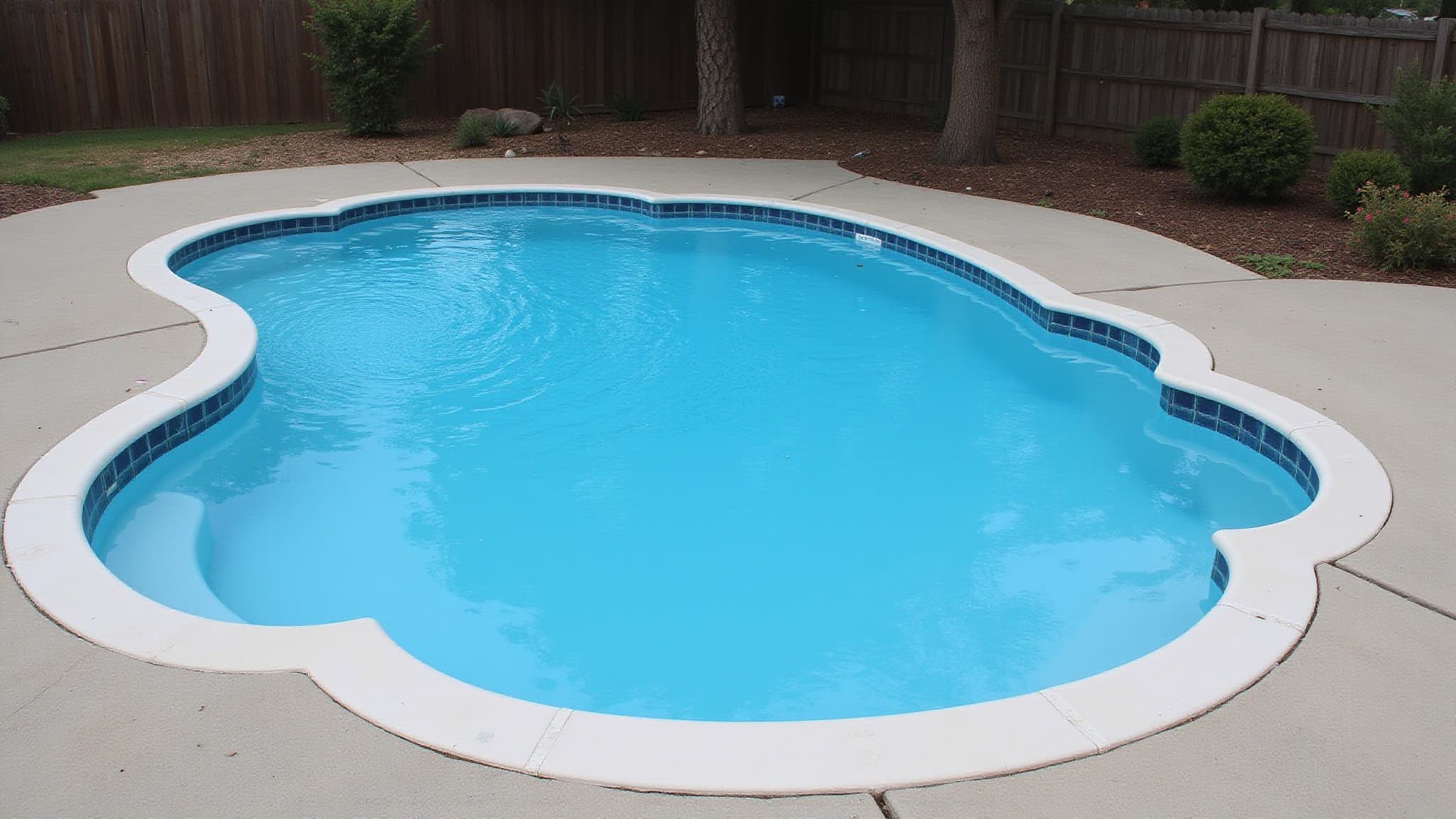
Four quick tests pinpoint your foam source. Each test targets a specific cause, so work through them in order and record your readings against known thresholds.
- Test calcium hardness first. Levels below 150 ppm confirm low hardness as your foam source.
- Check algaecide timing. Verify whether you added any within the last 48 hours to flag quat overuse.
- Measure TDS and cyanuric acid. Compare TDS against your fill-water baseline; cyanuric acid past 80 ppm signals dissolved-load foam.
- Inspect the pump strainer basket. Visible air bubbles indicate a suction-side leak, not a chemical problem.
Match your results to the corresponding remediation before acting.
How to Get Rid of Pool Foam Fast
To get rid of pool foam fast, attack it on two fronts: strip the surface residue and break down the organics feeding it. Start by skimming the foam manually with a net or pool sponge to clear surface residue quickly. For urgent relief, add an anti-foam agent at 1 oz per 5,000 gallons. Next, target the source: shock the pool with chlorine-based shock, cal-hypo or liquid chlorine, at 10+ ppm to oxidize the organic load driving foam. Run your pump continuously for 24 hours to circulate and filter out contaminants. Brush and vacuum the pool to lift settled oils and product residues that anti-foam agents only mask. Remember, anti-foam is a temporary fix. It suppresses symptoms without removing surfactants. Shocking and filtering address the underlying cause, delivering lasting results.
Should You Shock or Drain Your Foamy Pool?
Shock your foamy pool first, then drain only if shocking fails. Shocking attacks organic contaminants, sunscreen, oils, sweat, by breaking them down chemically. Draining removes high dissolved loads that chemistry can’t fix. Choose your approach based on diagnostic results: Why pool water turns green overnight can often be attributed to the rapid growth of algae. Factors such as inadequate sanitization or imbalanced chemicals can trigger this sudden change.
Shock first to break down organic contaminants chemically; drain only when dissolved loads defeat your chemistry.
- Shock first when organics or high combined chlorine drive the foam; dose cal-hypo or liquid chlorine to 10+ ppm.
- Run the pump continuously for 24 hours to filter out broken-down contaminants.
- Test TDS and cyanuric acid if foam persists; readings past 80 ppm signal dissolved-load problems.
- Drain 25, 50% and refill when shock, clarifier, and sustained filtration fail.
Start with shocking, it’s cheaper and faster. Reserve draining for chronic, dissolved-solid conditions that chemistry won’t resolve.
Stopping Foam From Air Leaks and Dirty Filters
Air leaks and dirty filters generate foam that no amount of shocking will fix, so turn your attention to these mechanical sources. Start by inspecting the pump strainer basket while the system runs. If you see bubbles collecting there, you’ve got a suction-side air leak drawing air into the water and pushing it through the return jets. Fix it by tightening loose pump lids and fittings and maintaining proper water levels so the skimmer doesn’t pull air.
Next, address your filter. A dirty filter recirculates trapped particles that stabilize foam. Backwash sand filters, rinse cartridge elements, or replace the DE media. Clean filtration removes the oils and residues that let bubbles persist, restoring clear, foam-free water.
How to Keep Pool Foam From Coming Back
Keep pool foam from coming back by controlling the organic and chemical loads that trigger it in the first place. Prevention targets the surfactants and dissolved contaminants that lower surface tension, so consistent maintenance is critical:
- Switch algaecides: Replace quat-based products with non-foaming polyquat or copper-free formulations to eliminate quat-related recurrence.
- Apply enzymes weekly: Use enzyme treatments to break down organic debris and boost sanitizer efficiency.
- Enforce swimmer hygiene: Require rinsing or showering before entry to minimize sunscreen, lotion, and body-oil buildup.
- Maintain water balance: Routinely test pH, alkalinity, calcium hardness, and sanitizer levels, keeping calcium above 150 ppm.
Additionally, keep soaps, detergents, and household cleaners off the deck to prevent residue introduction.
Conclusion: Stopping Pool Water From Foaming
Foamy pool water is usually caused by a buildup of oils, lotions, and certain chemicals, or low calcium levels, that make the water thick enough to trap air. It is mostly a nuisance rather than a danger, and it clears once you find the cause. Balancing the water, cleaning the filter, and using an anti-foam product for quick relief usually solves it. Good chemistry and rinsing off before swimming keep foam from coming back. Cloudy fiberglass pool water causes visibility issues and makes swimming less enjoyable. Maintaining the proper balance of chemicals is essential to prevent this problem.
Call Today and Get a Pool Built to Last
From cloudy water to algae growth, most pool problems trace back to poor construction, but a quality fiberglass pool changes everything. At Schiller Pools in Port St. Lucie, FL, our skilled team delivers dependable San Juan Fiberglass Pools designed for easy water care and lasting performance. Call +1 (561) 475-5997 today and get started with confidence.
Frequently Asked Questions
Is Pool Foam Harmful to Swimmers’ Health or Skin?
Foam itself is generally not harmful, since it is mostly trapped air from oils and residues in the water. It can, however, signal that the water chemistry is off or that contaminants have built up, which is worth correcting. If foam is persistent, test and rebalance the water so the pool stays clean and comfortable.
Can I Swim While My Pool Is Foaming?
Light foam is usually harmless to swim in, but heavy or persistent foam means something is off with the water balance or buildup, so it is better to address it first. Test the water, clear the cause, and use an anti-foam product if needed. Swimming in well-balanced, foam-free water is always the safer bet.
How Much Does Anti-Foam Agent Typically Cost?
Anti-foam products are inexpensive and widely available, usually a small cost for a bottle that treats the pool. They work fast to knock down foam, but they treat the symptom rather than the cause. Pair them with fixing the underlying water balance so the foam does not simply return after the product wears off.
Does Saltwater Pool Foam Differ From Chlorine Pool Foam?
The causes are similar, oils, residues, and low calcium, but saltwater pools can foam a bit more easily in some conditions. The fixes are the same: balance the water, keep calcium in range, clean the filter, and use an anti-foam product for quick relief. Salt itself is not usually the direct cause of foam.
Will Hot Weather or High Temperatures Increase Pool Foam?
Warmer water and heavy use can contribute, since heat and more swimmers mean more oils, lotions, and activity that agitate the water. Aeration features like fountains can also whip up foam. Keeping the water balanced and clean, and rinsing off before swimming, helps prevent foam even during hot, busy stretches.