
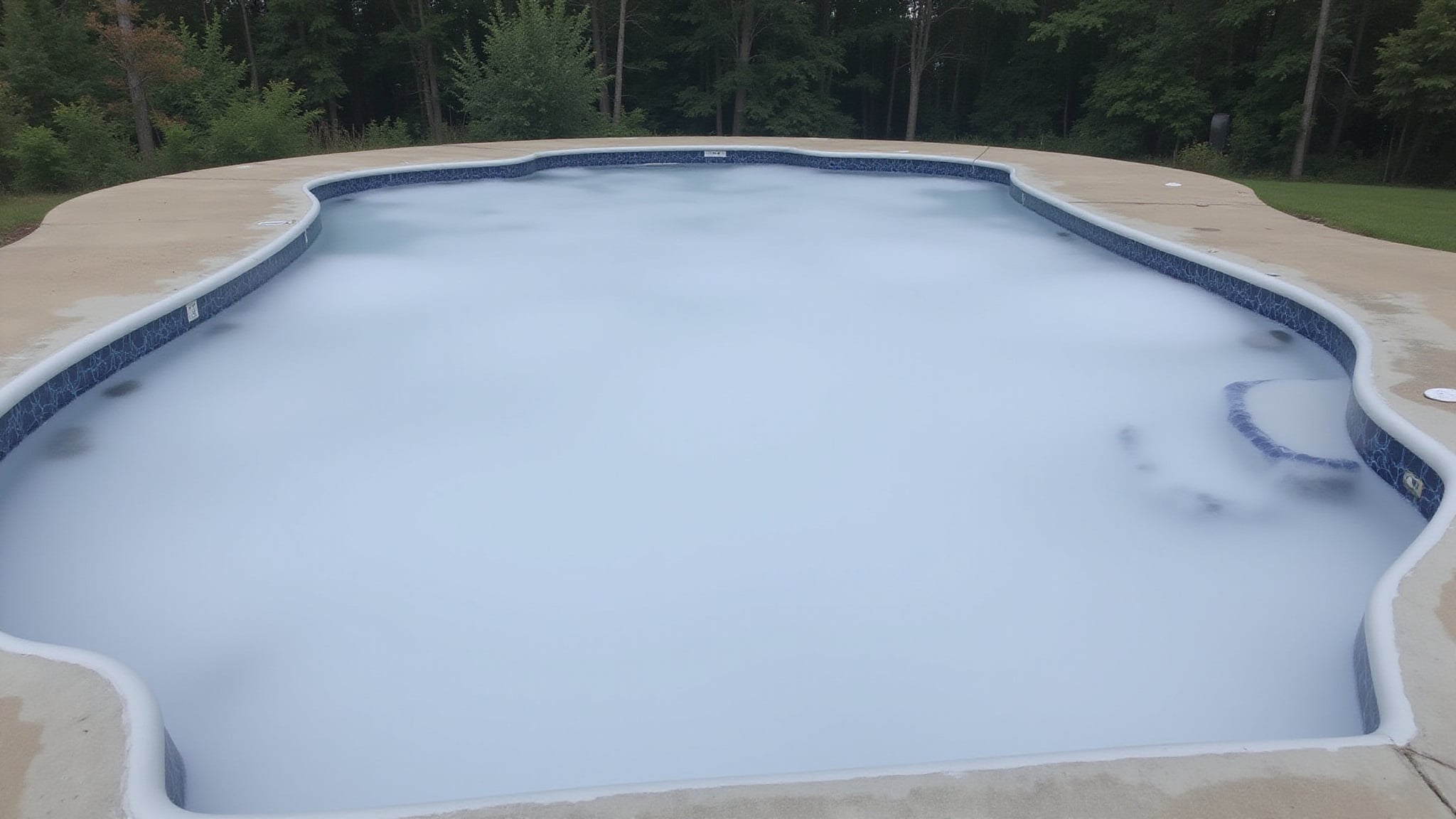
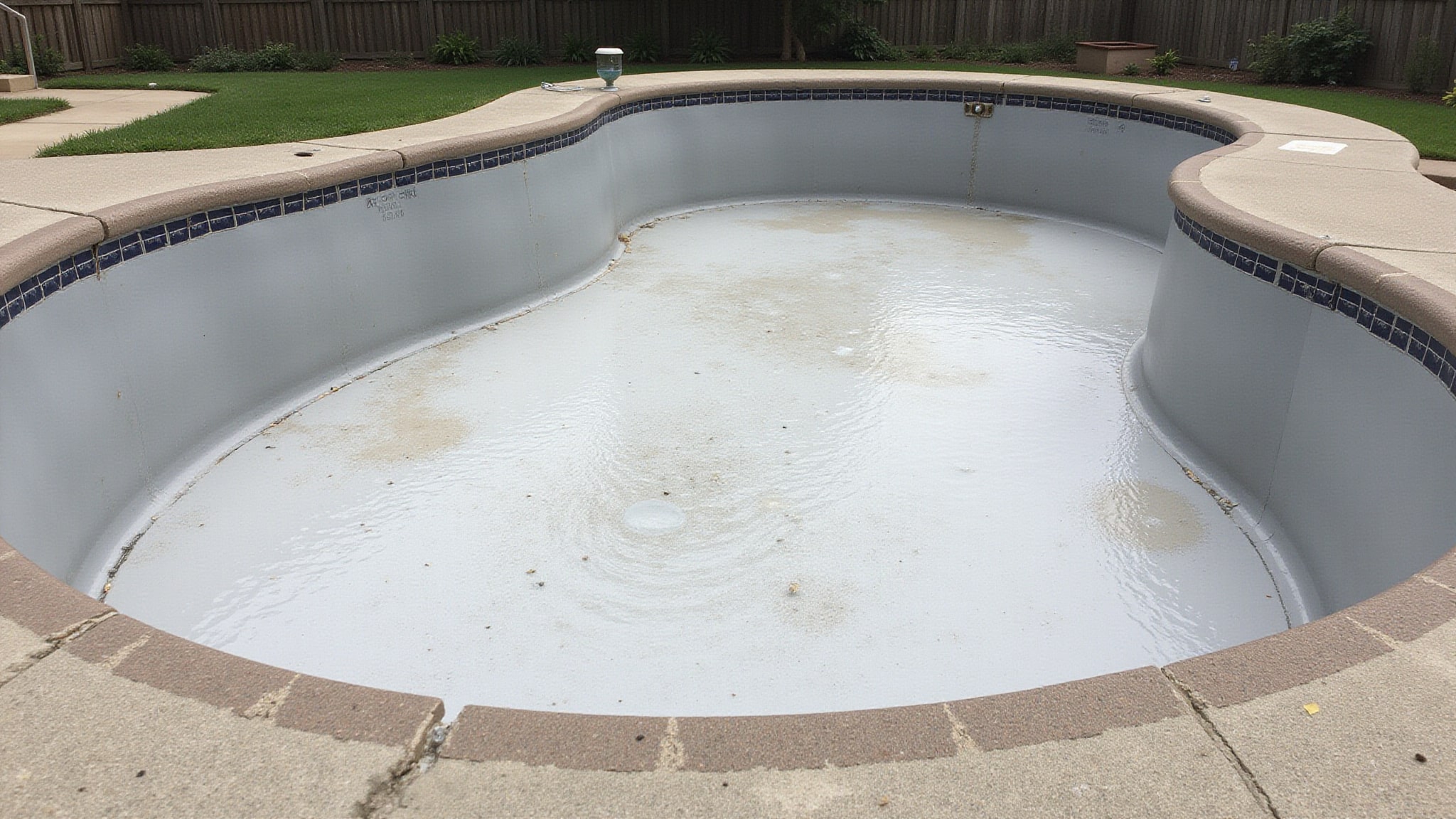
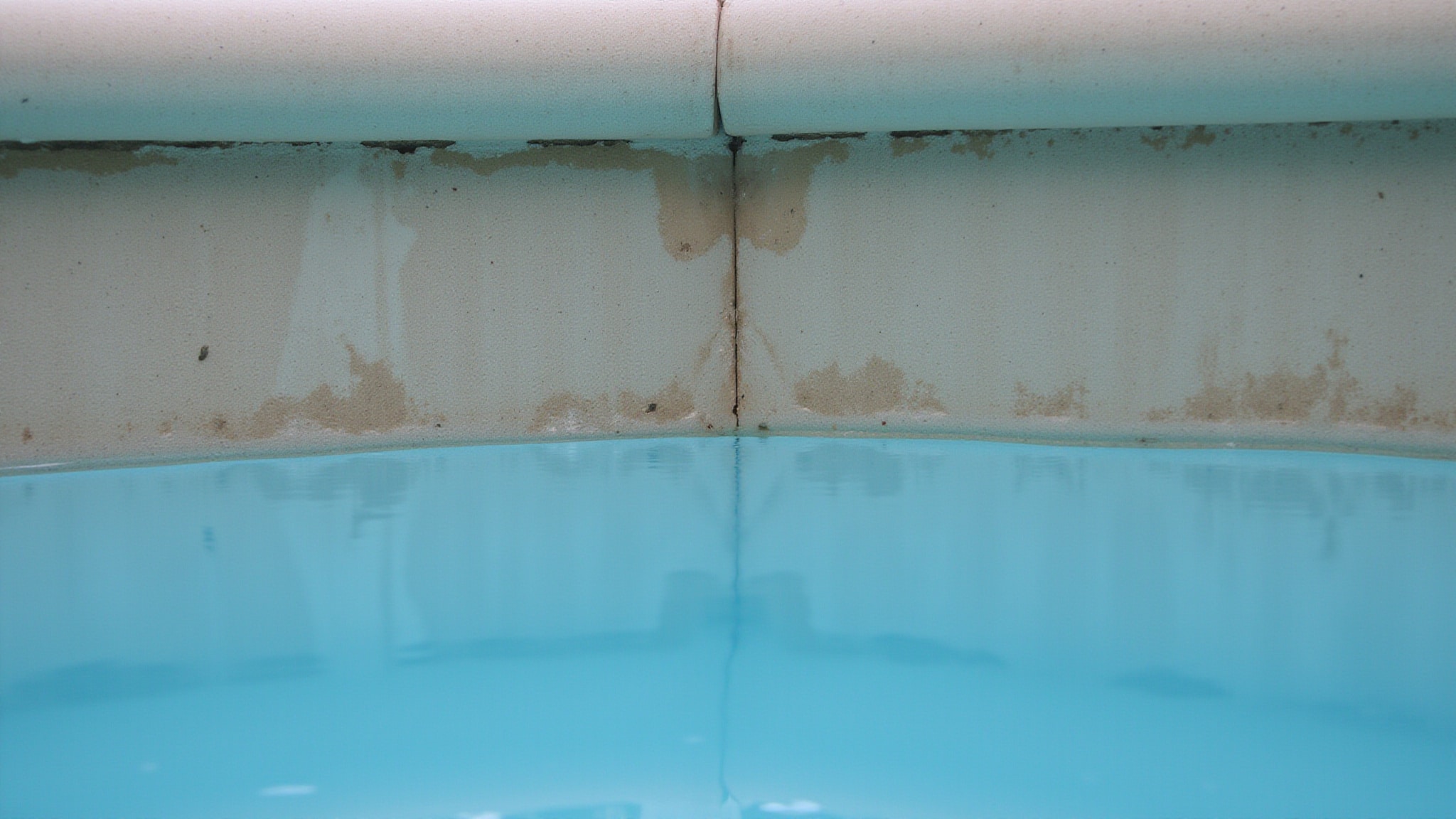
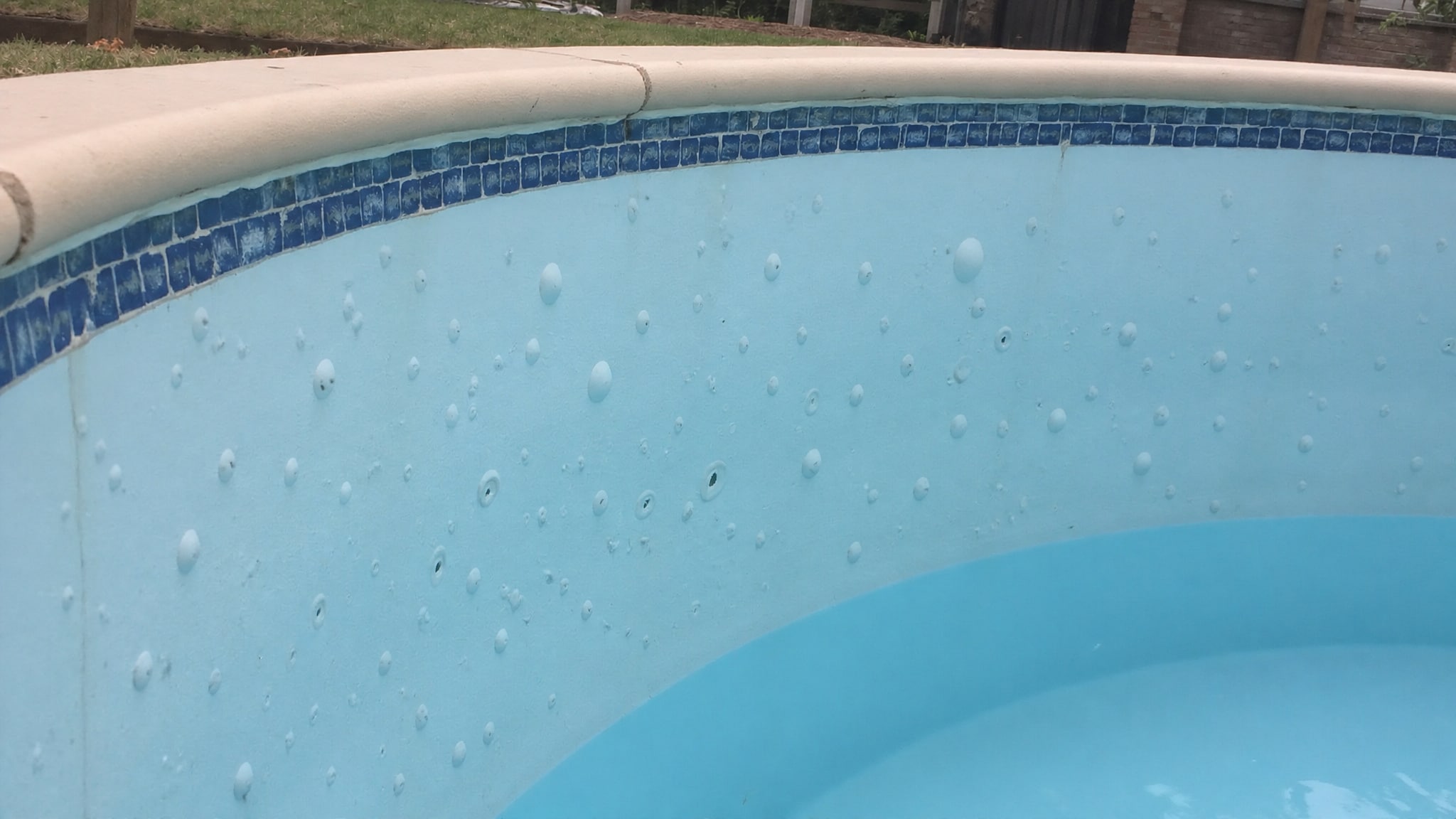
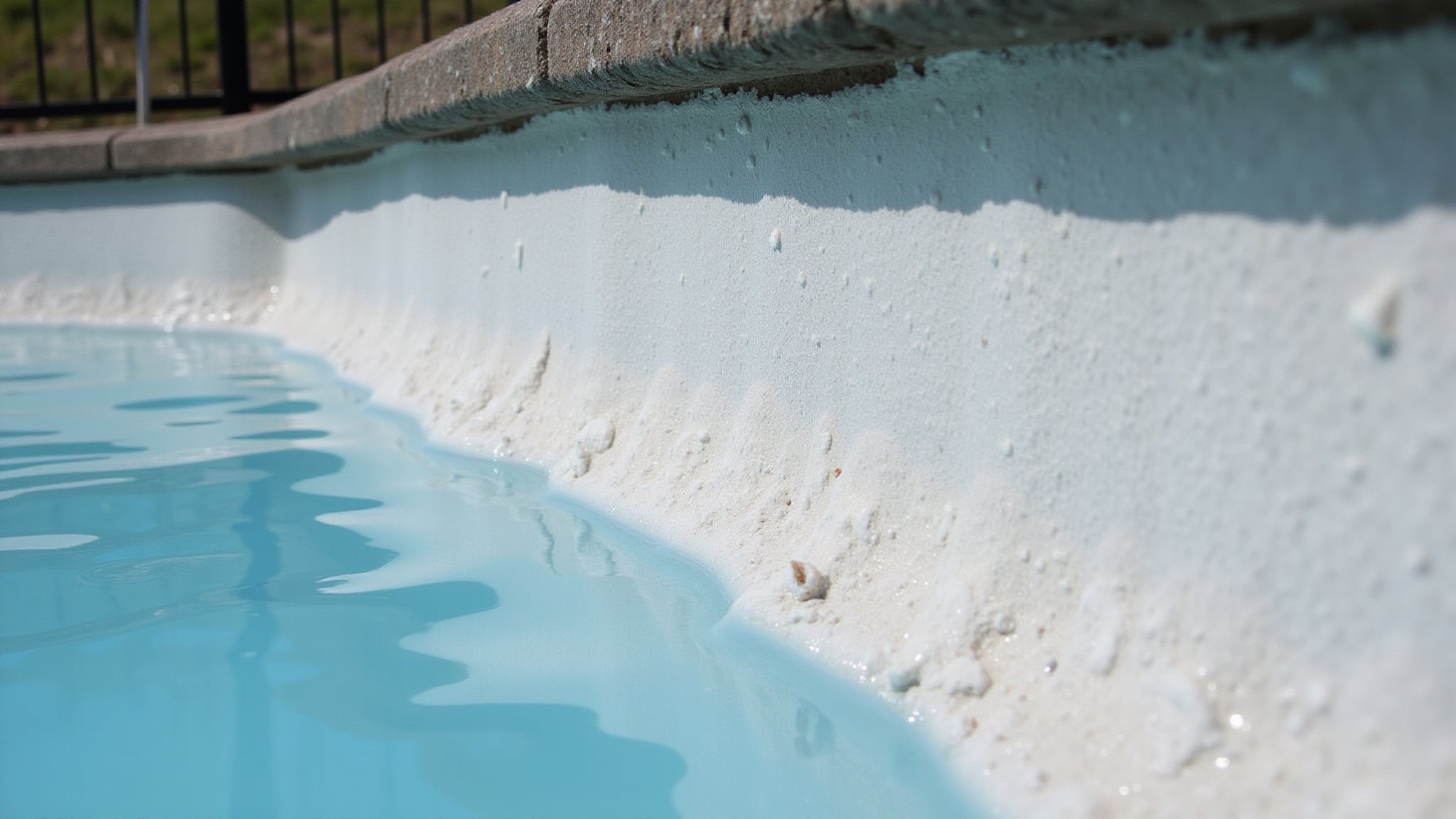
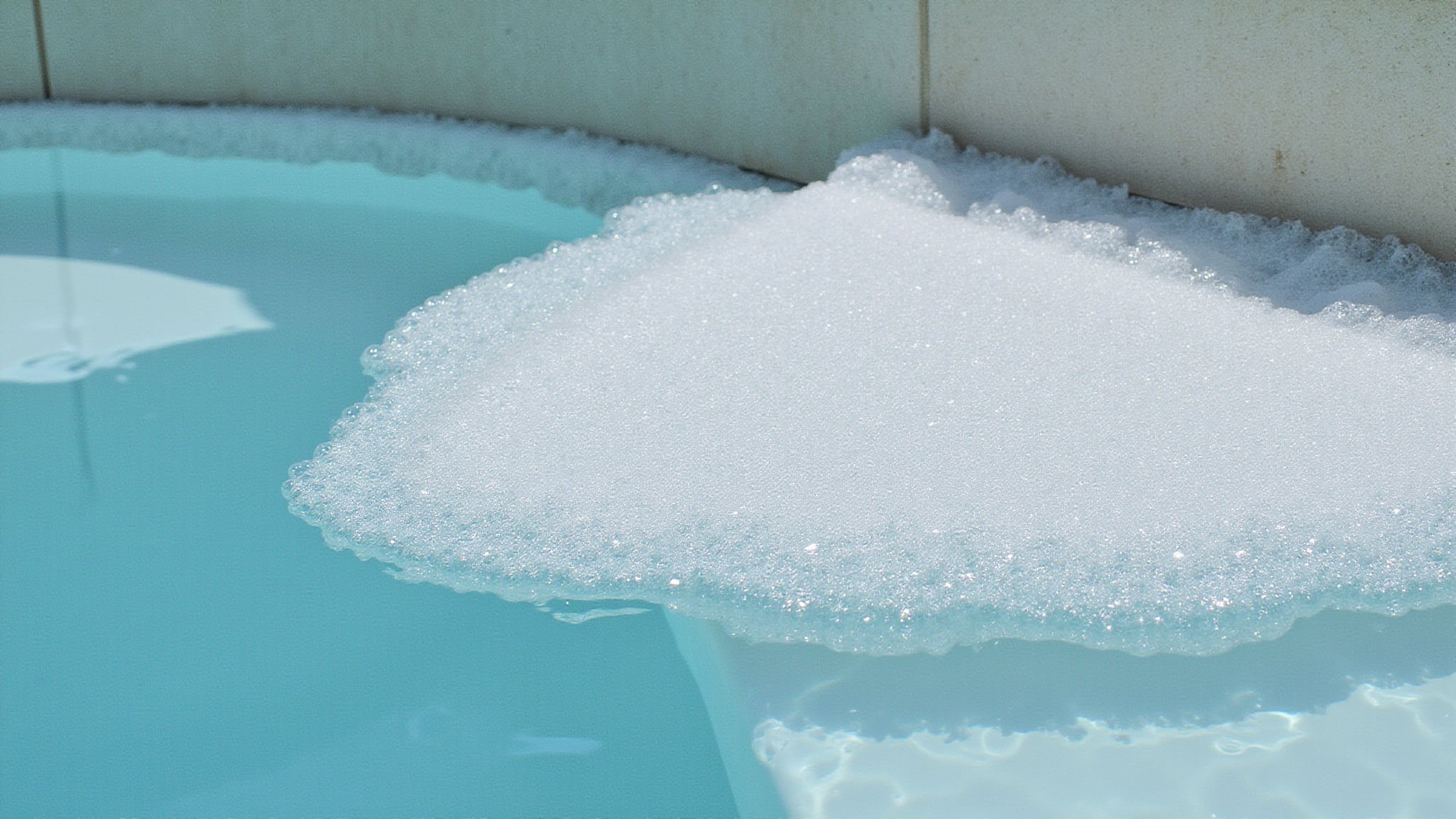
Your pool turned green overnight because your free chlorine dropped below 1 ppm, letting algae spores multiply exponentially within hours. Several factors likely stacked up: pH above 8.0 crippled your remaining chlorine, water temperatures over 80°F accelerated growth, and poor circulation or a pump failure enabled uneven sanitizer depletion. High cyanuric acid above 70, 80 ppm can also lock chlorine into an ineffective state. Understanding exactly which trigger hit your pool changes everything about how you fix it. Brown pool water after shock can indicate a chemical imbalance, often caused by improper dosing or a sudden change in water conditions.
Key Takeaways
- Free chlorine dropping below 1 ppm removed your pool’s primary defense, allowing algae spores to multiply unchecked overnight.
- High cyanuric acid (above 70, 80 ppm) locked chlorine into an ineffective state despite adequate readings.
- pH above 8.0 accelerated algae reproduction while simultaneously crippling chlorine’s sanitizing power.
- Water temperatures over 80°F combined with warm sunlight and poor circulation created ideal conditions for rapid growth.
- Pump failure often triggers overnight blooms by halting circulation and causing uneven sanitizer depletion.
Why Your Pool Turned Green Overnight
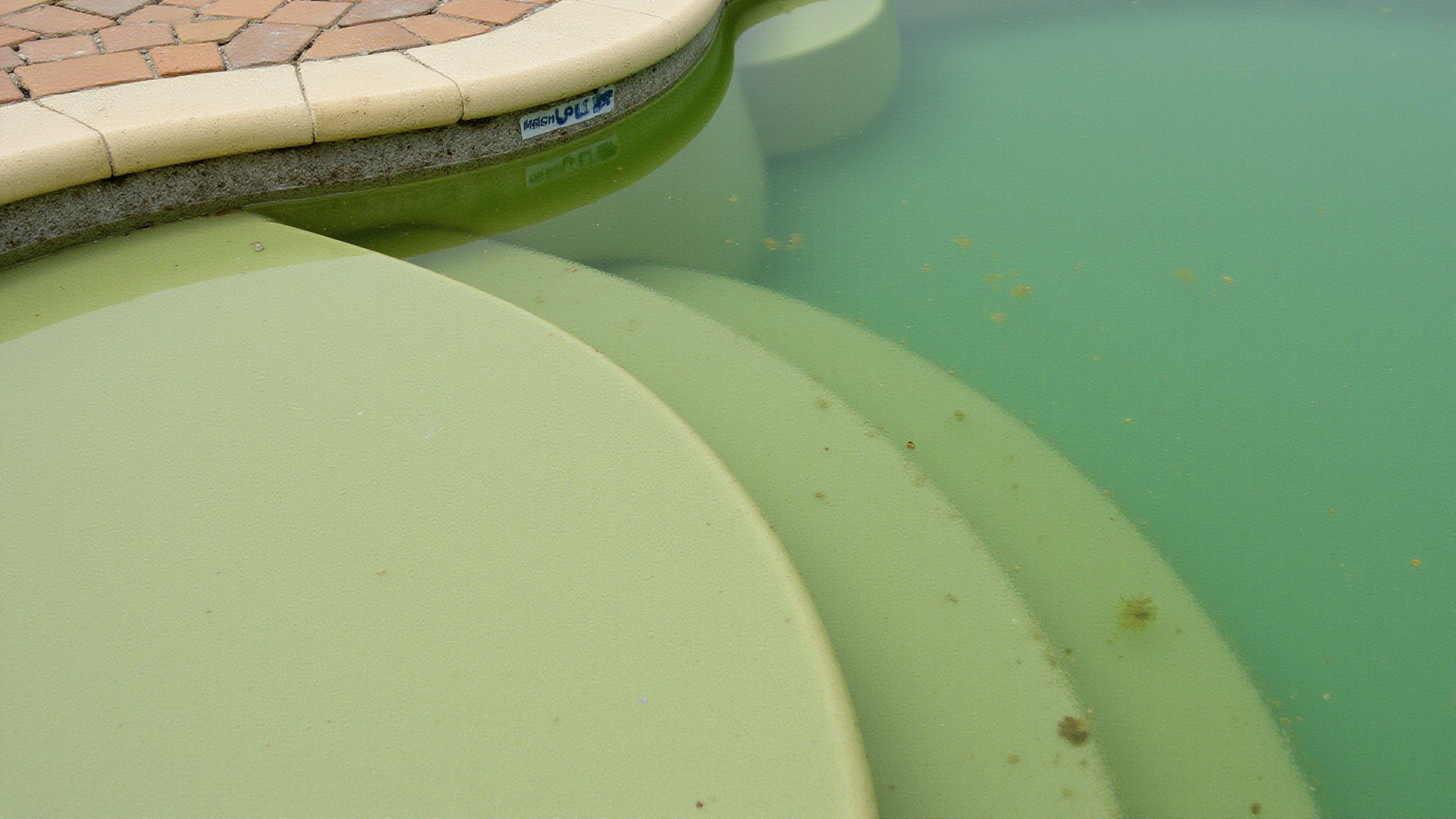
Your pool turned green overnight because your free chlorine dropped below 1 ppm, removing the primary barrier against microorganisms and allowing algae spores to multiply exponentially within 6, 12 hours. The answer’s biological. Add a pH above 8.0 and water temperatures exceeding 80°F, and you’ve created ideal conditions for green pool water to develop overnight.
Most algae pool water problems trace back to depleted sanitizer, often triggered by pump failure or sudden chemical depletion. High cyanuric acid above 70, 80 ppm also renders your chlorine ineffective. Warm sunlight combined with poor circulation completes the perfect recipe for rapid multiplication. Foam can be an indication that your pool is suffering from these issues. Understanding why pool water foams up can help you address underlying problems and stabilize chemical levels.
The Chemistry Behind a Sudden Algae Bloom
When your free chlorine drops below 1 ppm, you lose the primary barrier holding algae spores in check. That failure compounds when your CYA climbs above 70, 80 ppm, locking chlorine into an ineffective state regardless of how much you’ve added. Layer in ideal growth conditions, pH above 8.0, water temperatures over 80°F, and phosphates or nitrates feeding the spores, and you’ve built the exact chemistry that turns a clear pool green overnight.
Sanitizer Failure Triggers
Sanitizer failure triggers algae growth when your free chlorine drops below 1 ppm, stripping away the primary barrier against microorganisms. Although algae spores are always present in your pool, they can’t take hold until your sanitizer fails to keep them in check. But chlorine concentration isn’t the whole story. If your cyanuric acid (CYA) climbs above 70, 80 ppm, chlorine becomes ineffective regardless of how much you’ve added, a common trigger behind green pool water overnight. Test both values together. High CYA locks up your chlorine, letting an algae pool develop even when readings look adequate. Pump failure compounds these pool water problems, halting circulation and letting sanitizer deplete unevenly. When chlorine hits zero and pH stays high, spores multiply exponentially, turning clear water green within hours.
Ideal Growth Conditions
Ideal growth conditions for algae combine three environmental factors: temperature, pH, and nutrient availability. When your water temperature exceeds 80°F, you’re providing the warmth spores need for rapid biological growth. Push pH above 8.0, and you’ve created alkaline conditions that accelerate reproduction. Add phosphates and nitrates from debris, and you’re feeding those spores directly.
These factors don’t operate independently. They compound. Warm sunlight paired with poor circulation creates the perfect multiplication zone. Under these unsanitized conditions, spores multiply exponentially within 6, 12 hours, turning your water green in as little as 4, 12 hours.
The fastest exponential growth happens when chlorine hits zero and pH stays consistently high. That’s why overnight blooms often follow pump failure or sudden chemical depletion. Diagnose all three conditions simultaneously.
Is It Algae or Metal Oxidation Turning It Green?
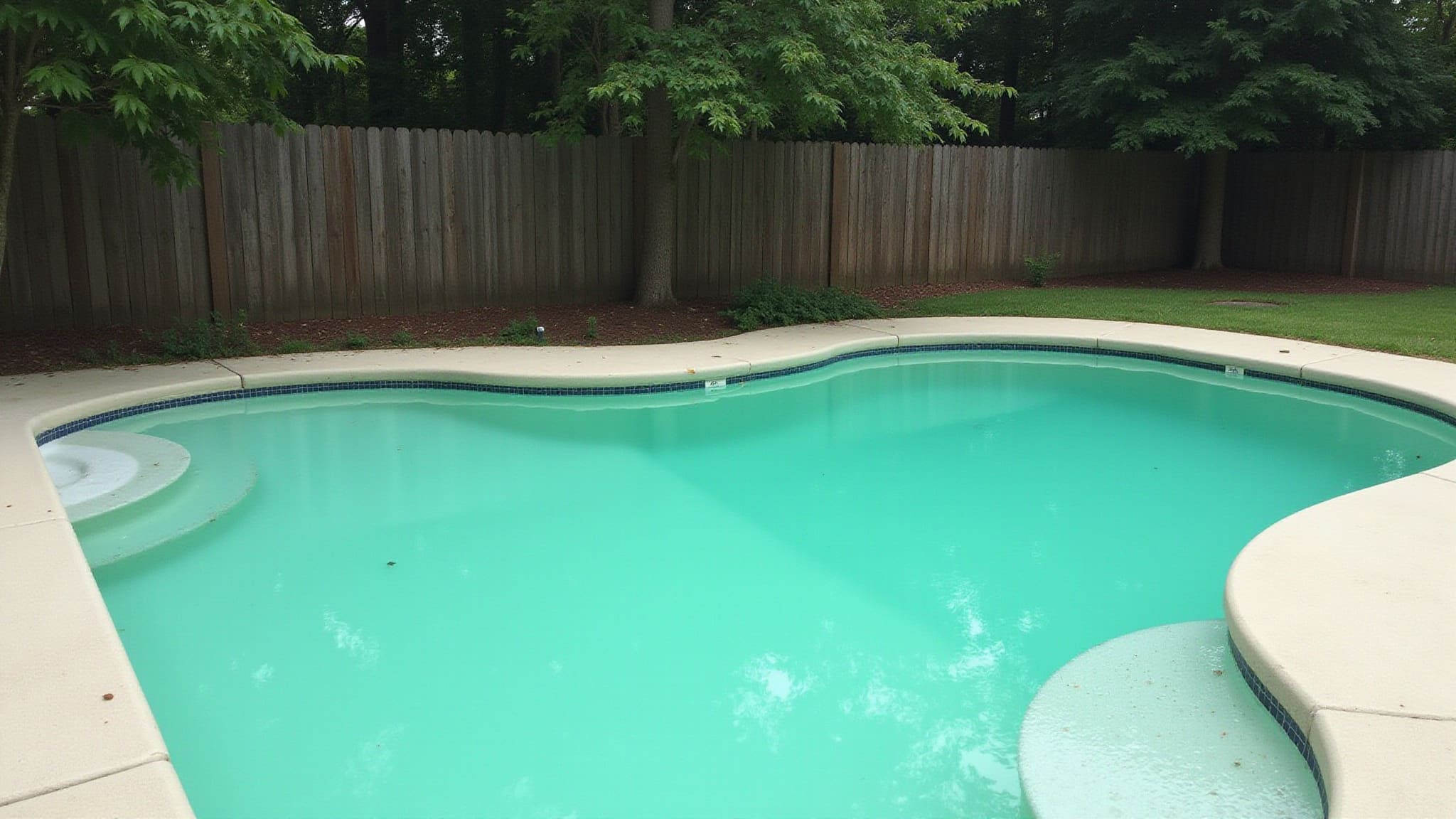
Green water comes from either algae or metal oxidation, and each demands a completely different fix. Algae multiplies when your sanitizer drops, and metals oxidize after sudden pH shifts or chemical additions. Run these diagnostics to pinpoint the culprit:
Diagnose before you treat, green water is either algae or metal oxidation, and each demands a completely different fix.
- Test free chlorine, if it’s below 1 ppm and pH sits above 8.0, you’re likely fighting algae.
- Check metals, copper above 0.3 ppm or iron exceeding 0.2 ppm points to oxidation, not organisms.
- Inspect the surfaces, algae feels slick and clings to walls, and metal staining spreads evenly across the water.
Get this right first. If metals are high, you’ll need a sequestering agent before shocking anything.
How to Test Your Green Pool Before You Treat It
Before you shock anything, you need to know what you’re actually fighting. Start with your core chemistry tests: measure free chlorine (target 1, 3 ppm), pH (7.2, 7.8), and total alkalinity (80, 120 ppm) to confirm whether your sanitizer’s depleted and your water’s tipped alkaline. Then run a metal contamination check using a test strip or photometric test, since copper above 0.3 ppm or iron above 0.2 ppm means metal oxidation, not algae, could be turning your water green.
Core Chemistry Tests
Core chemistry tests reveal why your sanitizer failed and whether algae is truly to blame, starting with three core measurements. Accurate diagnosis begins here.
- Free chlorine: Confirm levels sit between 1, 3 ppm. Anything below 1 ppm means your primary sanitation barrier collapsed, letting spores multiply.
- pH: Verify you’re within 7.2, 7.8. Readings above 8.0 create alkaline conditions that accelerate algae reproduction and cripple chlorine effectiveness.
- Total alkalinity: Maintain 80, 120 ppm to stabilize pH and prevent erratic swings.
These three tests tell you where your chemistry broke down. Once you’ve logged these numbers, you’ll know whether depleted sanitizer drove the bloom, or something else entirely did.
Metal Contamination Check
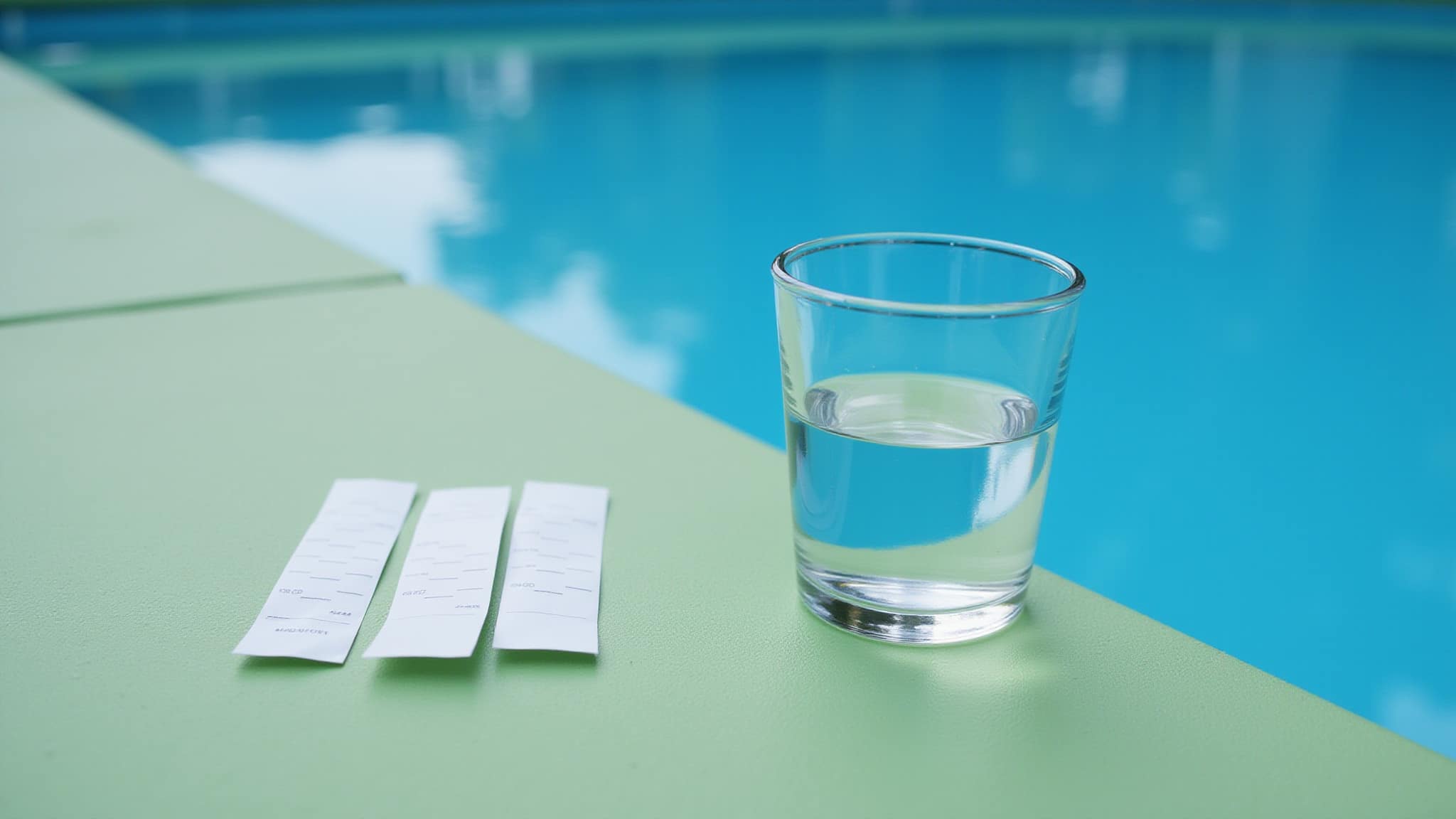
Green water isn’t always algae, and skipping a metal test can send you down the wrong treatment path entirely. Grab a metal test strip or run a photometric test to check for copper and iron before you shock anything. Copper oxidation triggered by sudden pH shifts turns water green without a single algae spore present, and copper levels above 0.3 ppm confirm metals are contributing to your discoloration. Iron oxidation exceeding 0.2 ppm produces green or discolored hues too. These oxidation events often follow chemical additions or sudden shifts in water balance, so recent adjustments make metals more likely. If your test reveals high metals, apply a sequestering agent before any shock treatment, otherwise shocking will worsen staining and deepen the discoloration you’re fighting.
Clearing a Green Algae Pool Step by Step
Clear a green algae pool with a systematic, five-step process that removes deposits, restores sanitation, and clears the water.
Start by vacuuming the pool bottom and sides to lift built-up algae deposits. Next, brush the walls and floors with a stiff bristled brush to detach stubborn stains and expose spores to treatment.
Then work through the chemical and mechanical phase:
- Apply a superchlorinated shock treatment, doubling or tripling the dose for dark green water.
- Run your filters continuously for 24, 48 hours to remove dead algae and contaminants.
- Add a pool clarifier to speed up capturing suspended dead particles.
Follow this sequence precisely, and you’ll convert green, cloudy water back to clear, sanitized conditions.
How to Keep the Green Algae From Coming Back
Keep green algae from coming back through consistent monitoring and disciplined chemistry. Test your water daily, holding free chlorine between 1, 3 ppm and pH within 7.2, 7.8. Once chlorine drops below 1 ppm or pH climbs past 8.0, you’ve reopened the door algae need.
Run an Overnight Chlorine Loss Test by measuring chlorine at sunset and sunrise. Loss under 1 ppm confirms your sanitizer isn’t fighting hidden algae. Anything higher means spores are still consuming chlorine.
Keep CYA below 70 ppm so your chlorine stays effective, and remove phosphates when they exceed 300 ppb. Clean skimmer and filter baskets regularly to maintain circulation. Address pump failures immediately. Stagnant, warm, sunlit water is exactly what algae exploits.
Conclusion: Clearing Up Green Pool Water
Green water almost always means an algae bloom that took off when sanitizer dropped, often after heat, heavy use, or a storm. It can seem to appear overnight, but it clears with a straightforward routine: balance the water, shock it, run the filter continuously, and brush the surfaces. Fiberglass pools usually bounce back quickly thanks to their smooth, algae-resistant finish. Keeping chlorine steady is the best way to prevent the next bloom. Causes of cloudy pool water can also include debris accumulation and improper filtration. It’s essential to regularly clean the filter and ensure that the pump is functioning correctly to maintain clarity.
Choose a San Juan Fiberglass Pool That Lasts
Water chemistry challenges become far easier to manage with a properly built fiberglass pool from an authorized installer. At Schiller Pools in Stuart, FL, our experienced team provides trusted San Juan Fiberglass Pools with premium quality and 40+ years of installation expertise. Call +1 (561) 475-5997 today and get your free estimate.
Frequently Asked Questions
Is It Safe to Swim in a Green Pool?
No, it is best to stay out until the water is clear and balanced. Green water means algae and likely low sanitizer, which can harbor bacteria and reduce visibility, a safety risk on its own. Once you have shocked the pool, cleared the algae, and the chemistry is back to normal, it is safe to swim again.
How Much Does Professional Green Pool Cleanup Typically Cost?
Cost depends on how bad the bloom is, from a mild green tint to a swamp-like state, and on the pool size. Mild cases are affordable, while severe ones with heavy algae cost more and take longer. A pool service can assess the pool and quote the cleanup, which is often cheaper than draining and refilling.
Can I Drain and Refill Instead of Treating It?
You can, but it is usually a last resort. Draining wastes a lot of water, costs money to refill, and can even risk a fiberglass pool floating out of the ground if groundwater is high. Treating the water with shock and filtration is normally faster, cheaper, and safer than a full drain and refill.
Will Green Algae Stain My Pool Surfaces Permanently?
Usually not on fiberglass. The non-porous gel-coat resists staining, and green algae typically brushes and filters away without a lasting mark when handled promptly. Algae left for a long time can discolor any surface, so clearing a green pool sooner rather than later is the best way to avoid staining.
How Long Should I Wait to Swim After Shocking?
Wait until the chlorine level has dropped back into the normal range, usually around 1 to 3 parts per million, which often takes several hours to a day depending on how much you added. Test before getting in. Swimming too soon after a heavy shock can irritate skin and eyes, so let the level come down first.