
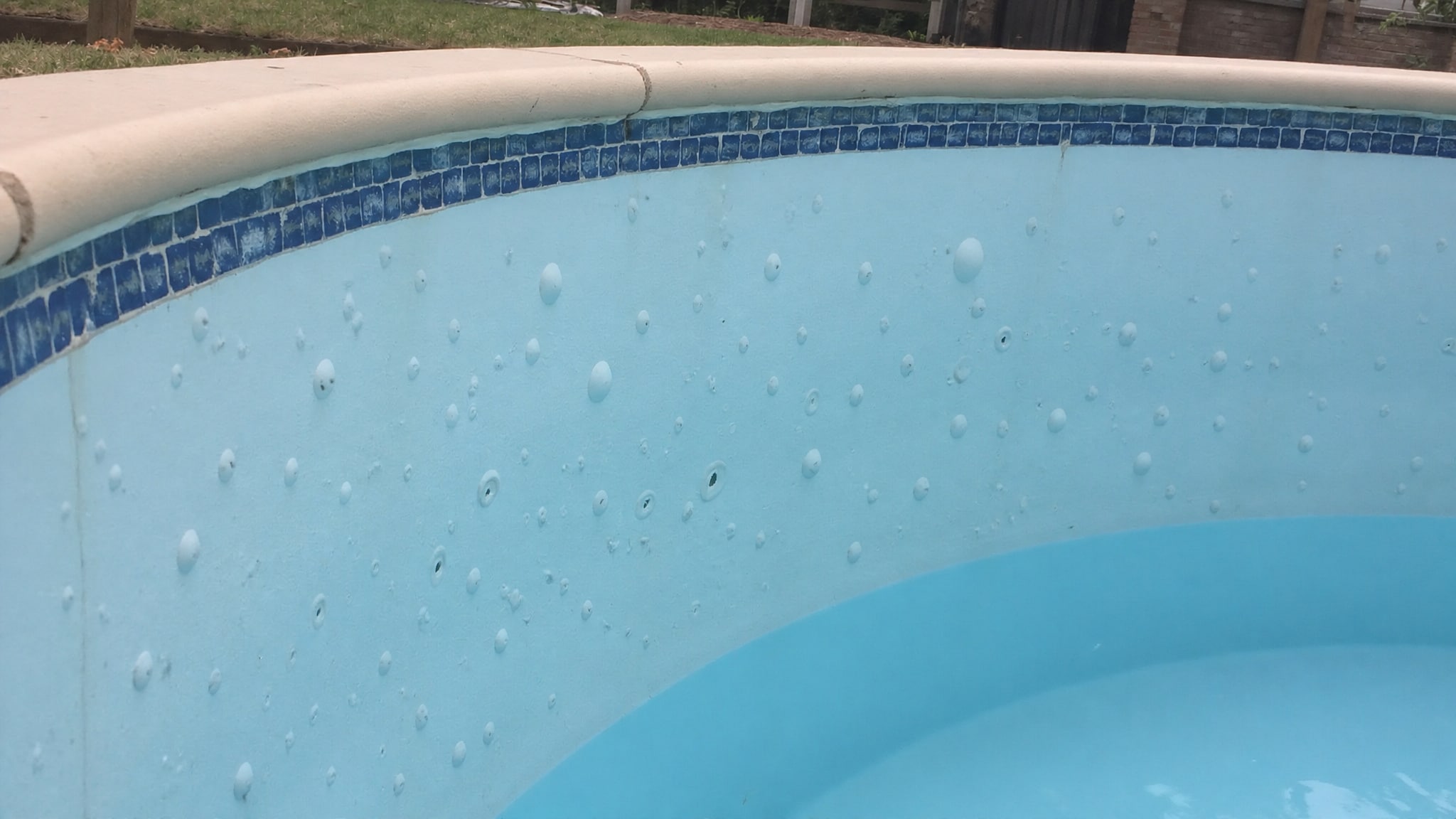
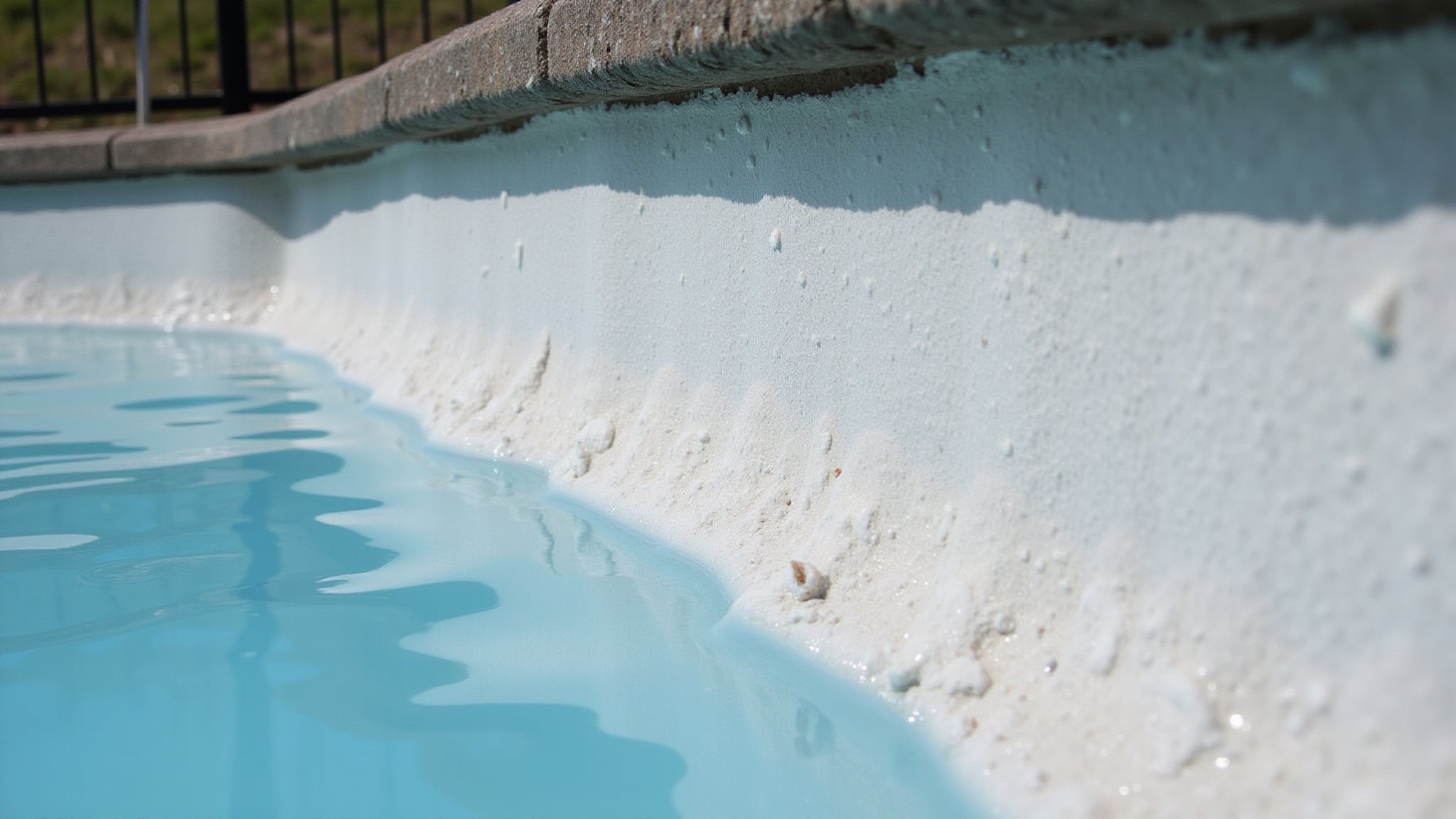
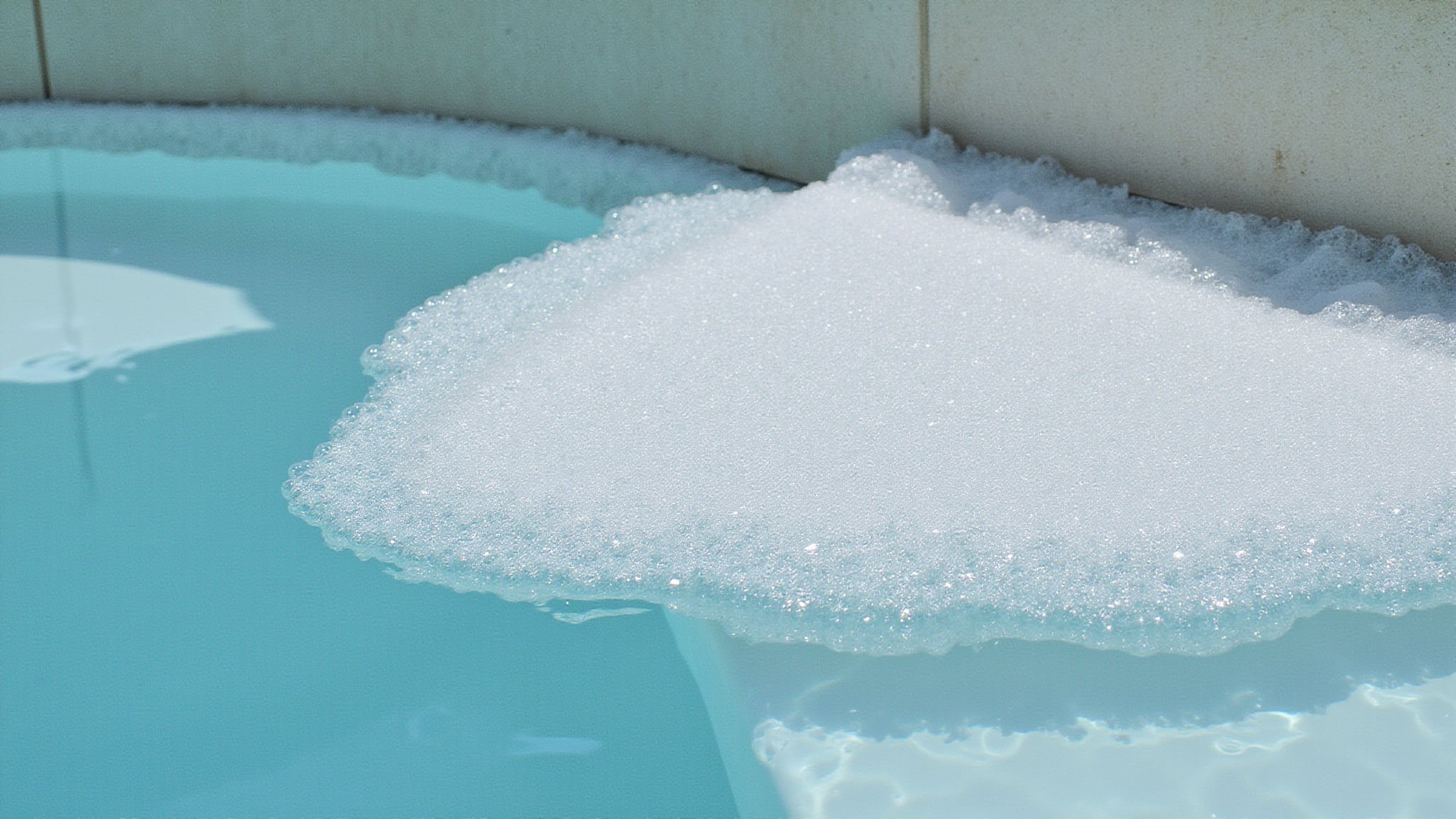
Osmotic blisters form when water permeates your pool’s gelcoat, which acts like a semi-permeable membrane. Those tiny water molecules pass through and react with unreacted styrene, glycols, or ionic contaminants trapped in the laminate. This hydrolysis creates corrosive byproducts and small cavities. As solutes concentrate, osmotic pressure builds until the gelcoat pushes outward into raised bubbles. Warm water and imbalanced chemistry speed things up. Understanding each stage helps you stop the damage sooner.
Key Takeaways
- Water molecules pass through the semi-permeable gelcoat, which acts like a membrane at the microscopic scale due to their small size.
- Beneath the gelcoat, water contacts unreacted styrene, glycols, and ionic contaminants, creating zones of lower water potential.
- Hydrolysis breaks down these water-soluble materials, forming corrosive byproducts and small cavities within the laminate.
- Concentrated solutes inside cavities raise osmotic pressure, pulling in more water until the gelcoat pushes outward into a blister.
- Warm water and imbalanced chemistry, like high chlorine or acid, accelerate permeation and speed blister formation significantly.
What Are Osmotic Blisters on Pool Shells?
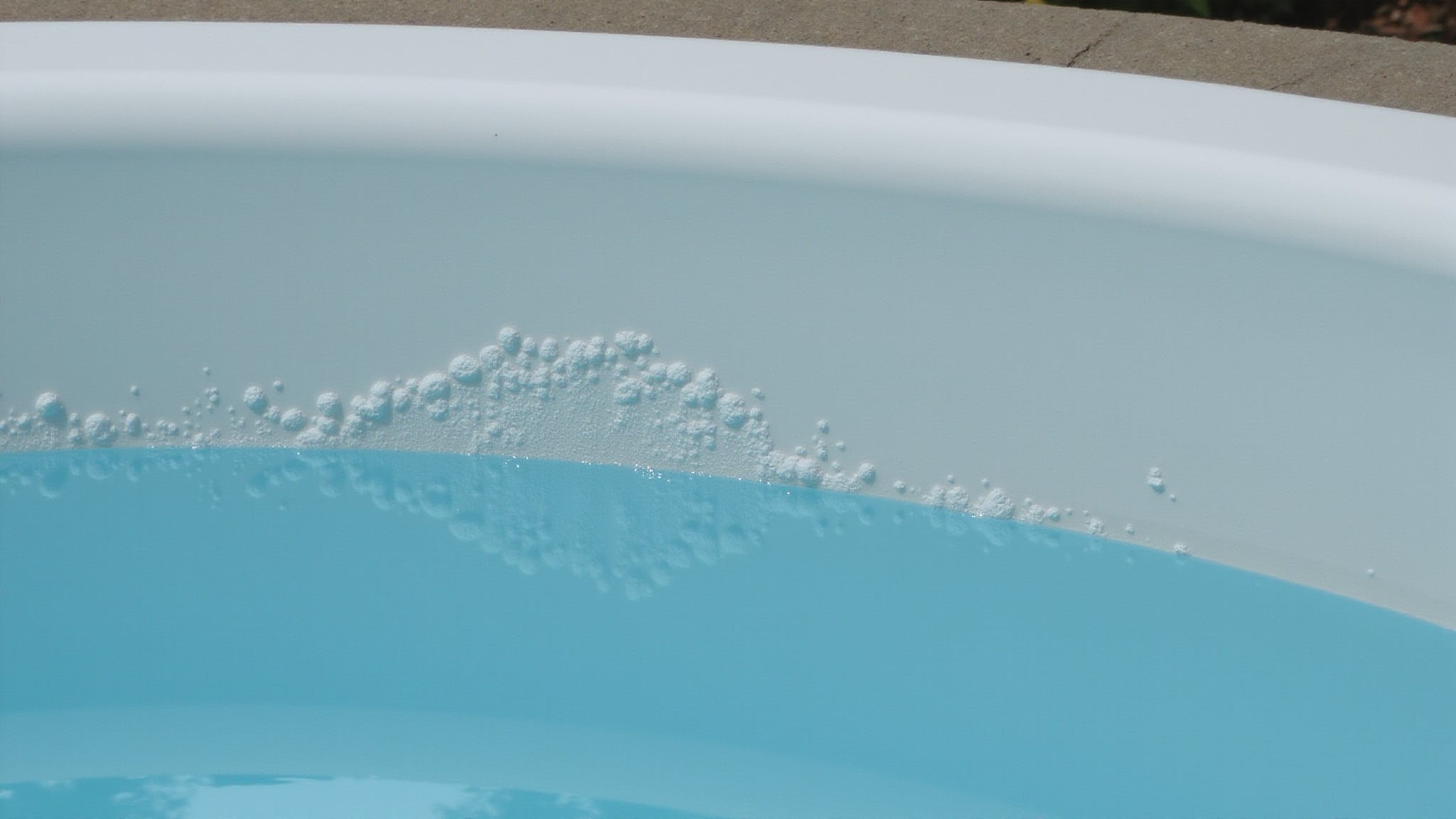
Osmotic blisters on pool shells are raised, bubbled areas that form when water permeates the gelcoat and reacts with water-soluble materials in the laminate beneath it. You’ll notice these pool shell blisters vary in size and shape, each marking a spot where water molecules have passed through the semi-permeable gelcoat and concentrated on the wrong side of it. As water contacts unreacted styrene, glycols, or ionic contaminants, hydrolysis creates corrosive products and small cavities. A concentrated solution builds inside, and osmotic pressure rises until it pushes the gelcoat outward. That’s when gel coat blisters pop out visibly. Each blister traps liquid between the gelcoat and structural layers, so you’re seeing pressurized pockets that signal active breakdown within the laminate below.
How Water Sneaks Through the Gelcoat
Water sneaks through the gelcoat because it isn’t the solid barrier it appears to be. At a microscopic scale, your gelcoat behaves like a semi-permeable membrane. Water molecules are so tiny that they pass directly through its surface, seeping toward areas of higher solute concentration behind it.
That movement isn’t random. Unreacted styrene monomer, glycols, and ionic contaminants trapped in the laminate create zones of lower water potential, effectively pulling water inward. As molecules migrate through, they equalize concentrations on both sides, feeding the reactions that trigger fiberglass pool blisters. Spider cracks vs crazing fiberglass pool can often be mistaken for one another, but they indicate different issues in the pool’s surface.
This permeation is where most fiberglass pool problems begin. Without a fully waterproof layer behind the gelcoat, water keeps advancing into the structural fiberglass, setting up hydrolysis and pressure buildup. Fiberglass pool color fading causes can be attributed to a variety of factors, including prolonged exposure to sunlight and chemicals. Regular maintenance and the use of protective coatings can help mitigate these issues.
Why Cheap Resins Trigger Osmotic Blisters
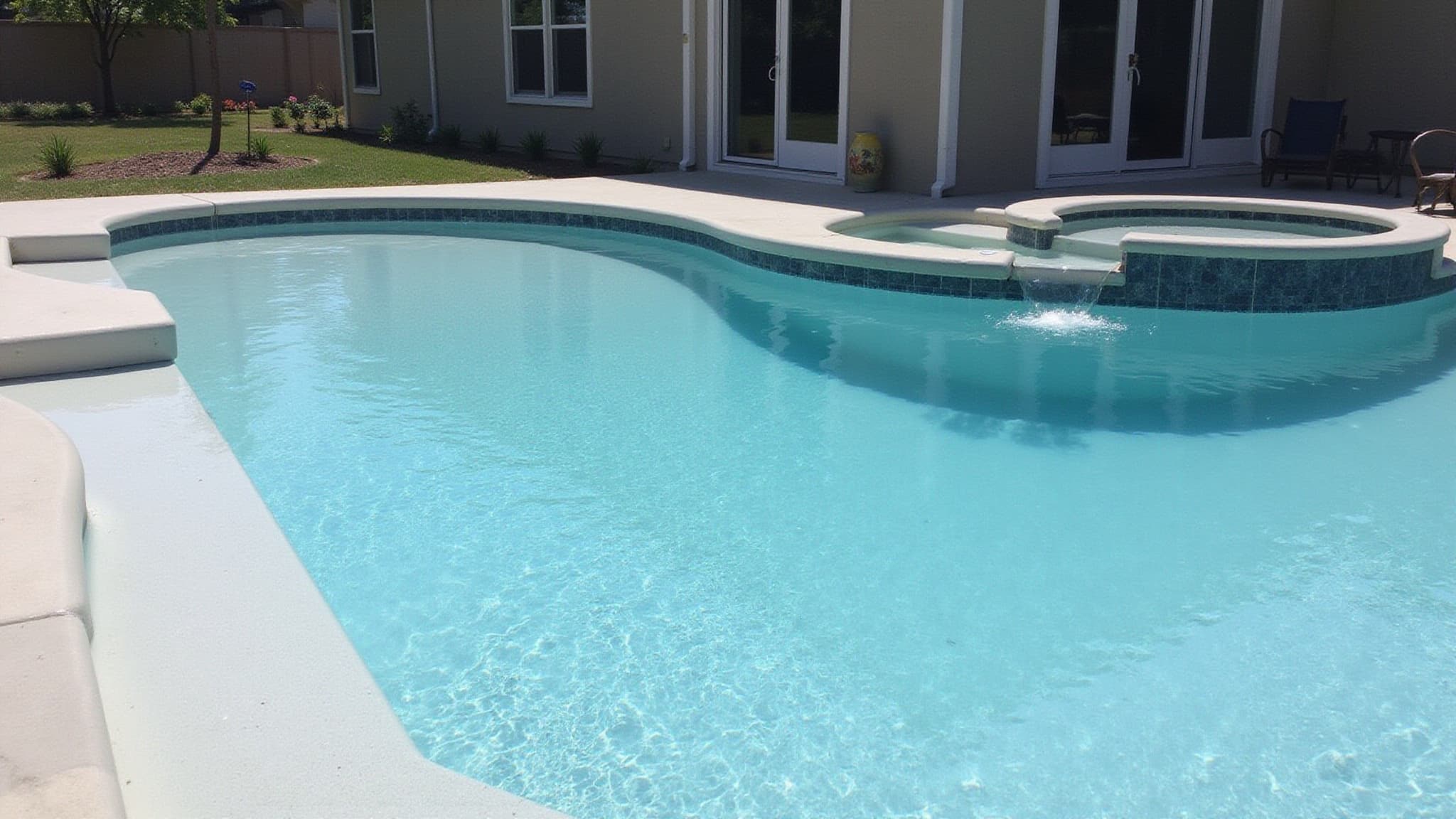
Cheap resins trigger osmotic blisters because they break down when water contacts them, and most osmosis problems trace back to resin and glass fabric additives rather than poor fiber wet-out. Your resin carries unreacted styrene monomer, glycols, and ionic contaminants that create zones of lower water potential, pulling more water inward. As the resin breaks down, it forms small voids and cavities behind the gelcoat. Water then hydrolyzes these water-soluble materials, producing corrosive products like phthalic acid. Without a 100% waterproof layer behind the gelcoat, water keeps seeping into your structural fiberglass, concentrating solutes on the wrong side and driving the pressure that pops blisters outward.
Chemistry and Heat That Speed Up Osmosis
Water chemistry accelerates the osmosis already underway in your pool shell by shifting pore water chemistry toward corrosive conditions that attack the polyester layers behind the gelcoat. When you let chlorine or acid levels stay too high for extended periods, you drive this corrosive shift. Add heat, and molecular activity climbs, driving faster water permeation and blister expansion. Consider how these factors compound:
- High chlorine concentrations degrade resin bonds over prolonged exposure
- Increased acidity lowers pH, feeding hydrolysis reactions inside cavities
- Warm pool water increases the rate of water molecule diffusion through the gelcoat
- Direct sunlight raises surface temperature, expanding trapped fluid pockets
- Imbalanced chemistry sustains reactions that generate corrosive byproducts
When you combine heat with imbalanced chemistry, you accelerate blister formation dramatically.
Spotting Osmotic Blisters Before They Spread
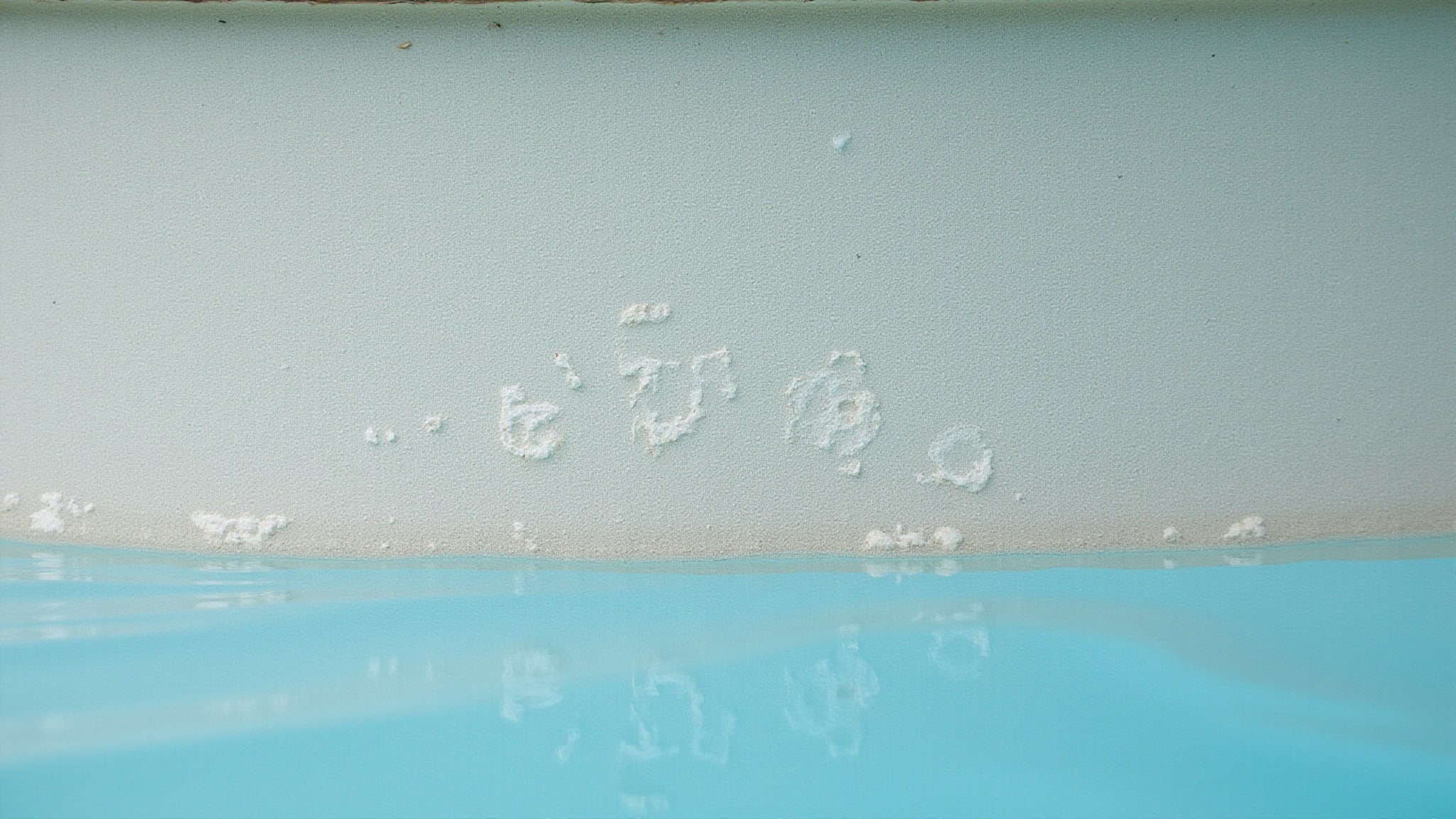
Osmotic blisters show up first as isolated pockets before they become spreading delamination zones, and catching them early saves you from full-shell resurfacing. Start by visually mapping every blister location, noting each one’s diameter and density per square meter so you can track progression. Run a capacitance meter across the laminate to measure moisture content. You’re targeting ≤2% before any recoating. Where you spot raised, bubbled areas, tap-test suspect zones with a coin. Hollow-sounding spots signal delamination beneath the gelcoat. When you open a blister, flush the cavity with fresh water and test the fluid’s pH. Acidic readings confirm active osmosis, since hydrolysis produces corrosive phthalic acid. Catching that acidity early tells you exactly which pockets demand immediate grinding and barrier-coat intervention.
How to Repair Osmotic Blisters for Good
Start by evaluating blister damage: map each location, measure laminate moisture content with a capacitance meter until you hit ≤2%, and confirm active osmosis by flushing cavities and testing the fluid’s pH for acidity. Once you’ve ground open the blisters and cut into the fiberglass 5 mm or less to expose the laminate, you’re ready to seal the repair. Apply a barrier coat, isophthalic or vinyl ester based, at the manufacturer-specified film thickness to block further water contact with the polyester layers.
Assessing Blister Damage
Assessing blister damage tells you whether you’re facing surface cosmetics or deep laminate breakdown. A thorough assessment gives you a clear picture of the damage you’re dealing with. Work through these steps methodically:
- Map every blister, noting diameter and density per square meter to gauge severity and spread.
- Measure laminate moisture with a capacitance meter, targeting ≤ 2% before you recoat.
- Flush and test cavities by rinsing with fresh water, then check fluid pH to confirm active osmosis via acidity.
- Tap-test suspect zones with a coin, listening for the hollow sound that signals delamination.
- Record depth and involvement, checking whether damage reaches structural fiberglass or stays in the gelcoat.
These readings drive your repair decisions.
Applying Barrier Coats
Apply a barrier coat to seal your repaired laminate against future water permeation, the step that determines whether your fix holds for years or fails within a season. Confirm your laminate moisture content reads ≤ 2% using a capacitance meter, because coating over damp laminate traps water and restarts the osmotic cycle. Choose an isophthalic or vinyl ester based barrier coat. Vinyl ester repels water rather than absorbing it, so it’s the stronger choice for stopping contact between pool water and the polyester layers behind your gelcoat. Apply the coat at the manufacturer-specified film thickness, building up consistent coverage across the entire repaired zone. Don’t shortcut the thickness spec. An under-built film won’t achieve the waterproof barrier that keeps water out of your structural fiberglass.
Conclusion: Understanding Osmotic Blisters
Osmotic blisters are small raised bubbles that can form in a fiberglass pool’s layers when water works its way through the gel-coat over time. They are a known but relatively uncommon issue, tied to the shell’s construction and long-term water exposure. Many pools never develop them, and when they do appear, a professional can assess whether they are cosmetic or need repair. Good manufacturing and proper water chemistry lower the risk. Causes of gel coat damage can include prolonged exposure to harsh chemicals and UV rays, which may break down the protective layer over time.
Get a Fiberglass Pool Built for Long-Term Beauty
Surface issues like crazing, chalking, and gel coat blisters are far less common with a quality-built fiberglass pool from a trusted installer. At Schiller Pools in Palm City, FL, our experienced team provides trusted San Juan Fiberglass Pools with limited lifetime warranties and expert installation. Call +1 (561) 475-5997 today and get your free estimate.
Frequently Asked Questions
How Long Does It Take for Osmotic Blisters to Develop?
When they occur, osmotic blisters usually take years to appear, since they form gradually as moisture penetrates the gel-coat over time. Many pools never develop them at all. Their timing depends on the shell’s construction quality and conditions, so there is no set schedule, and a professional can evaluate any blistering you notice.
Are Osmotic Blisters Covered Under Most Pool Warranties?
It depends on the manufacturer and the warranty. Some cover structural or manufacturing-related blistering, while others have specific terms or exclusions. Check your warranty and keep your documentation. If blisters appear, contact the manufacturer or builder promptly, since coverage and any repair are best sorted out early.
Can I Still Swim in a Pool With Blisters?
In most cases, yes. Minor osmotic blisters are typically a surface-level issue and do not affect the pool’s ability to hold water or its safety, so swimming is generally fine. It is still wise to have them inspected to confirm they are cosmetic and to plan any repair before they spread.
How Much Does Professional Osmotic Blister Repair Typically Cost?
Repair cost depends on how many blisters there are and whether a spot repair or a larger resurfacing is needed. A few blisters are relatively inexpensive to address, while widespread blistering costs more. A fiberglass repair professional can evaluate the shell and quote the work based on its extent.
Do All Fiberglass Pools Eventually Develop Osmotic Blisters?
No. Osmotic blisters are not inevitable, and many quality fiberglass pools never develop them. They relate to the shell’s construction and long-term exposure rather than being a guaranteed part of aging. Choosing a reputable manufacturer and keeping the water balanced further reduces the likelihood.