
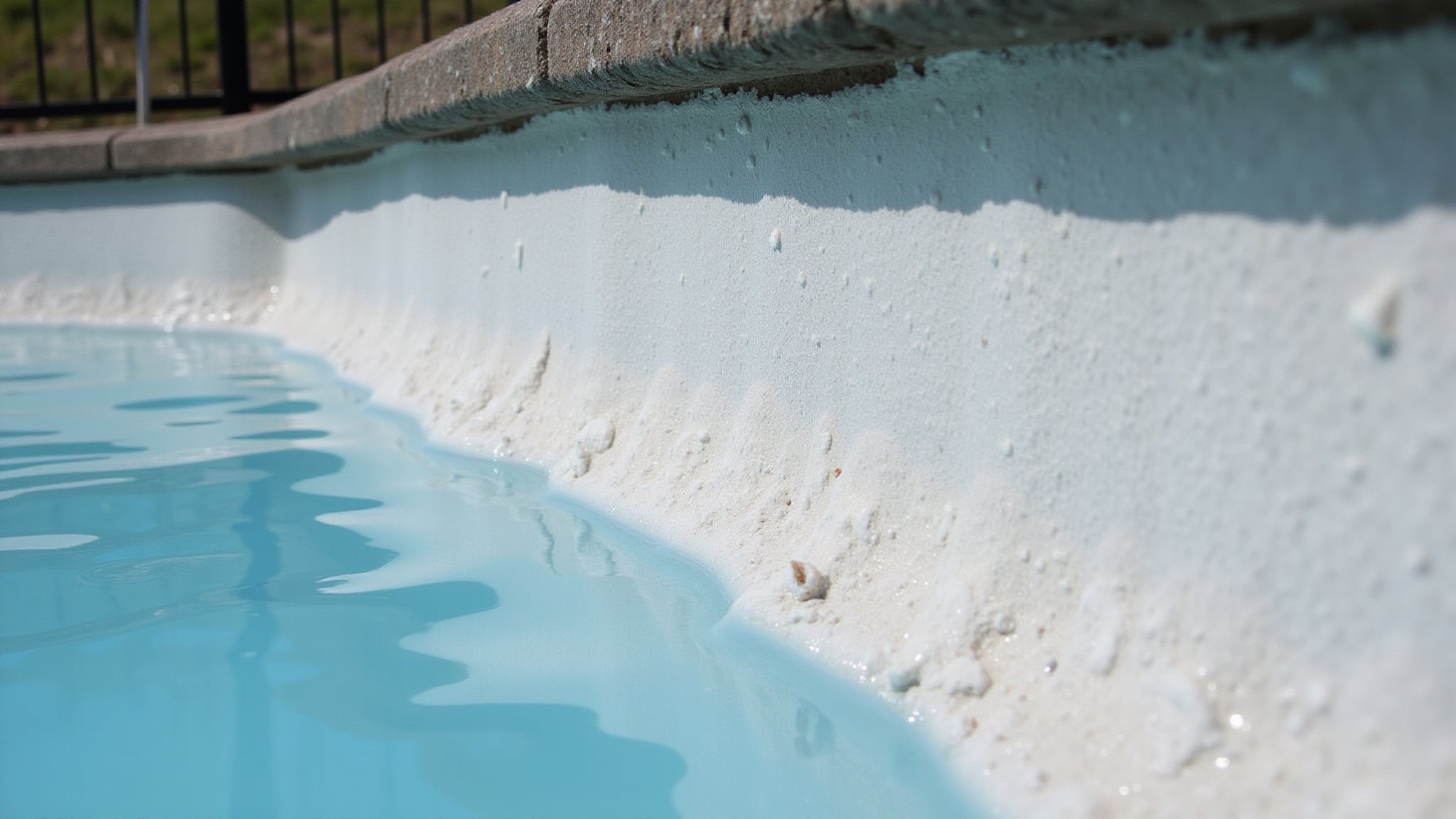
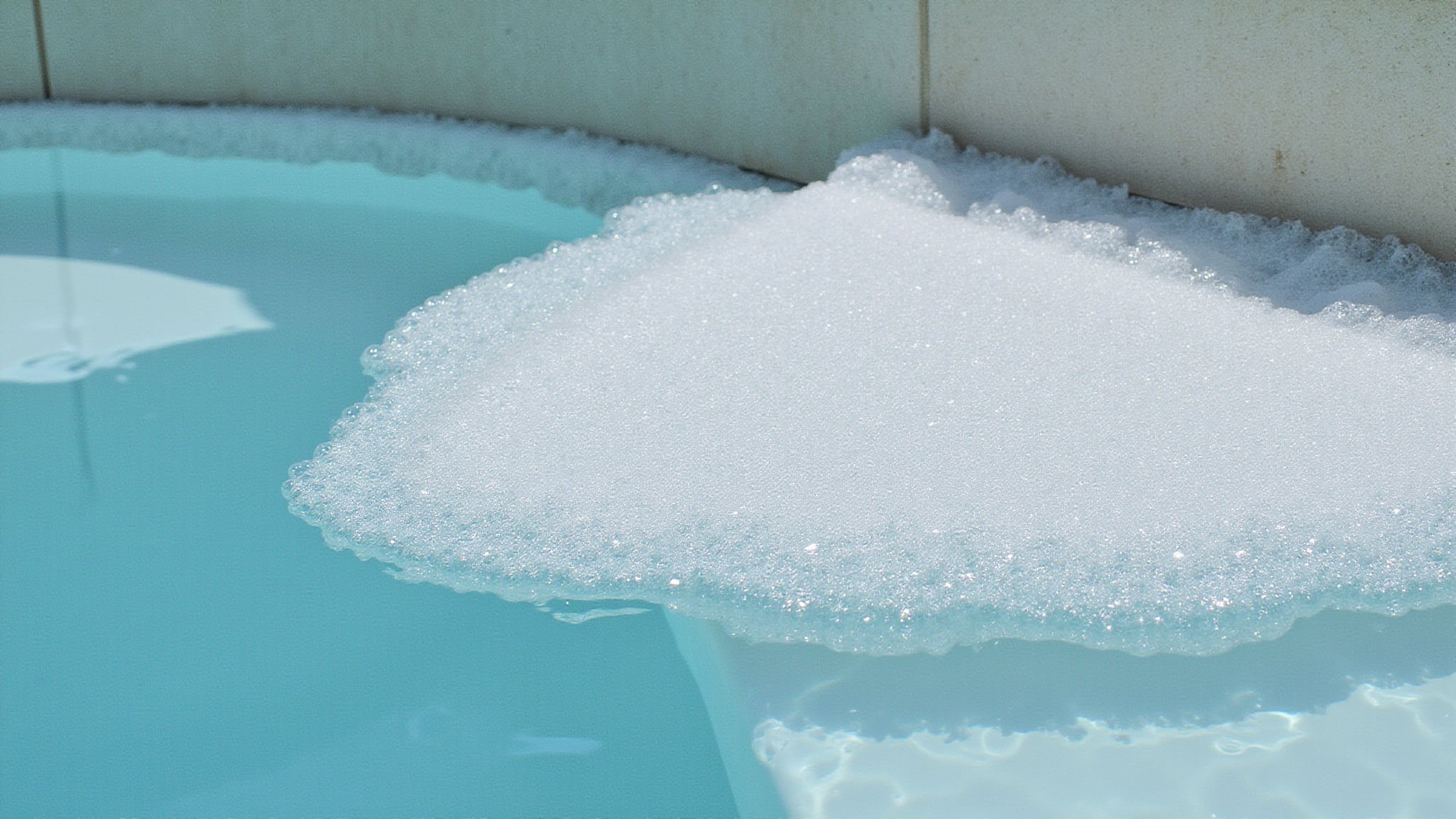
Gel coat blisters form when water permeates your semi-permeable gel coat at the microscopic scale. It migrates toward hydrophilic residues, unreacted styrene, glycols, and ionic contaminants, trapped inside the laminate. These residues lower water potential, drawing more moisture in through osmosis. As solutes accumulate in voids, they can’t flow back out, so pressure builds. Once it exceeds the gel coat’s tensile strength, the surface pushes outward. Understanding each stage reveals how you’ll stop them.
Key Takeaways
- Osmotic ingress drives water through the semi-permeable gel coat toward hydrophilic residues trapped inside the laminate, building internal pressure.
- Manufacturing contaminants like unreacted styrene monomer, glycols, and ionic residues create low-water-potential zones that continuously pull moisture inward.
- Polyester resin hydrolysis in 1970s, 1990s pools produces phthalic acid and glycols, forming trapped concentrated solutions behind the gel coat.
- Voids and defects from poor fiber wetting and air entrapment provide spaces where water accumulates and hydrolysis reactions begin.
- Pressure exceeds tensile strength when osmosis and gas generation build force until the gel coat surface is pushed outward into blisters.
What Gel Coat Blisters Actually Are
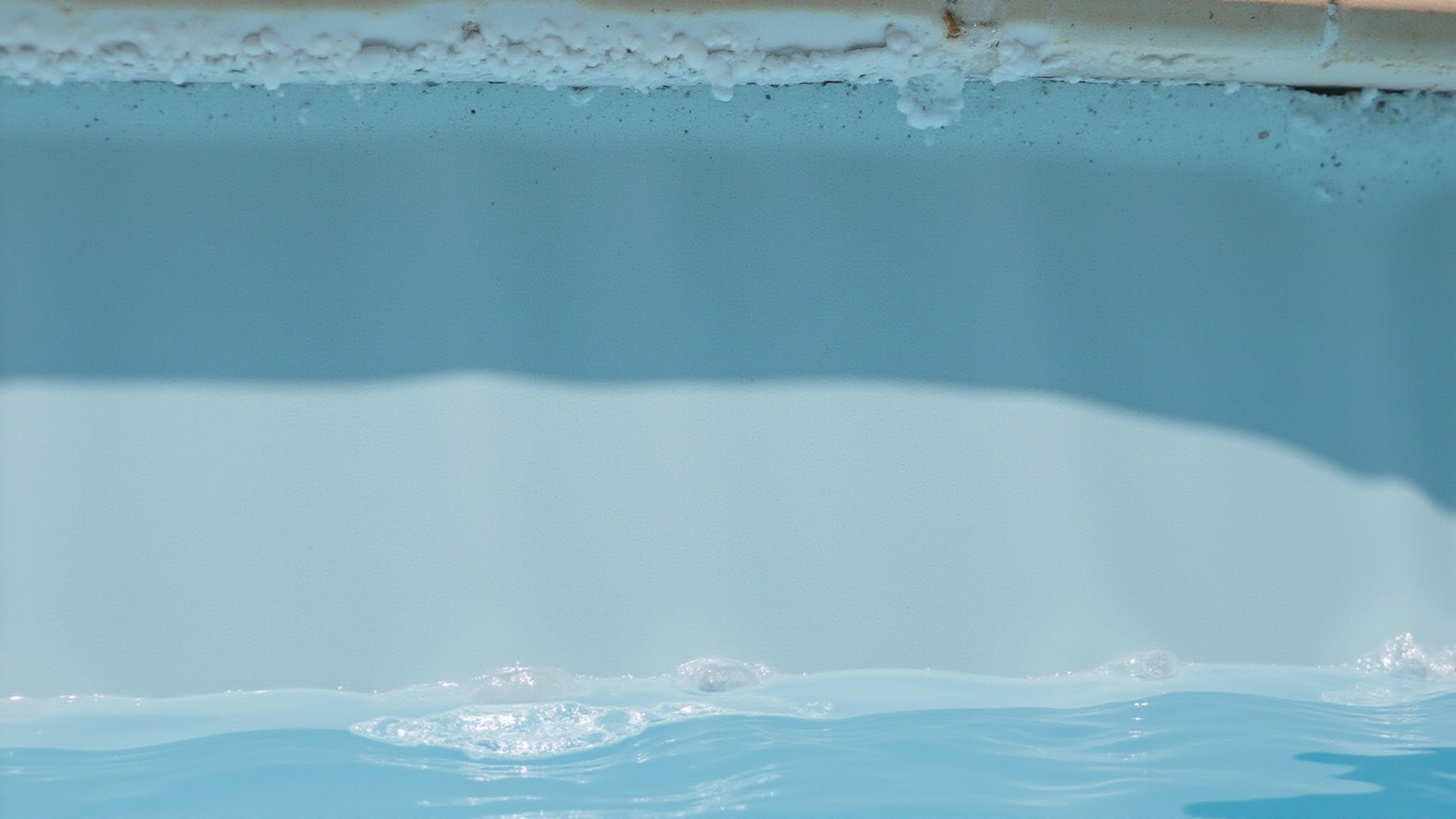
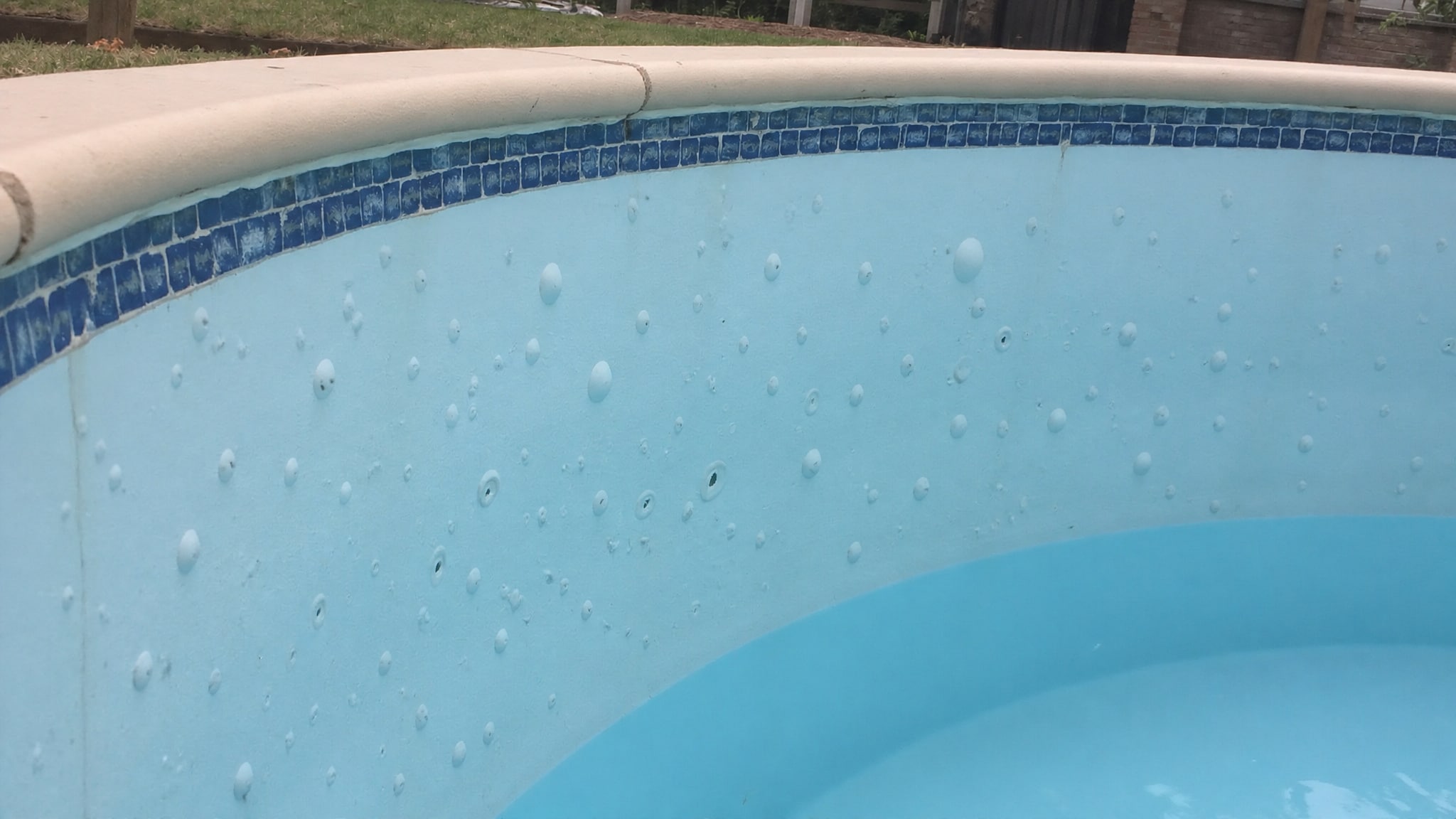
Gel coat blisters are pressurized fluid pockets trapped beneath the gel coat. They form when water molecules permeate the semi-permeable pool gel coat at a microscopic scale, accumulating around hydrophilic residues inside the laminate. Unreacted styrene monomer, glycols, and ionic contaminants create a localized zone of lower water potential, drawing additional water inward through osmosis. As the internal pressure builds and exceeds the gel coat’s tensile strength, the surface pushes outward. That’s how osmotic blisters develop, pressurized fluid pockets forming inside the laminate. Solutes dissolved from the laminate accumulate in voids and can’t flow back out, concentrating the solution on the wrong side of the gel coat and sustaining the pressure.
How Osmosis Pushes Water Through Your Gel Coat
Osmosis pushes water through your gel coat by driving a relentless, one-directional flow of water molecules into the laminate. These molecules permeate the semi-permeable gel coat at a microscopic scale, migrating toward hydrophilic residues trapped inside. Unreacted styrene monomer, glycols, and ionic contaminants create localized zones of lower water potential, pulling more water inward. As water accumulates, solutes dissolve from the laminate and collect in voids, forming a concentrated solution that can’t flow back out. This imbalance generates osmotic pressure that keeps building. Once internal pressure exceeds the gel coat’s tensile strength, you’ll see fiberglass pool blisters push outward. This pressure-driven mechanism explains why fiberglass pool problems worsen over time. The concentration gradient never reverses, so water keeps forcing its way through your barrier.
Why Water Gets Trapped Behind the Gel Coat
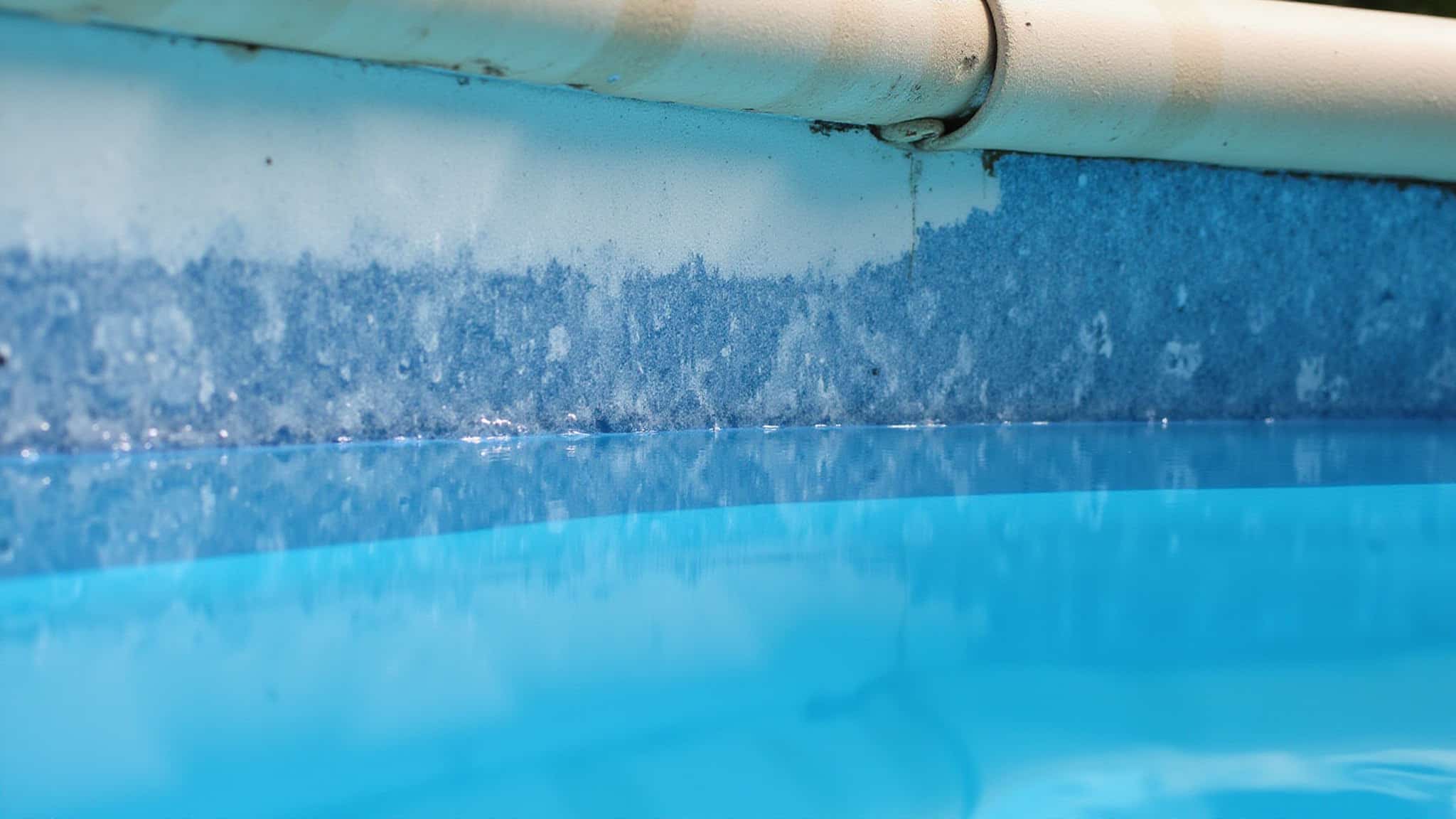
Water gets trapped behind the gel coat because of a one-way barrier problem. Water molecules permeate the gel coat at a microscopic scale, but once inside, they react with the polyester resin and dissolve solutes from the laminate. These dissolved compounds create a concentrated solution that can’t flow back out through the semi-permeable barrier.
Here’s what happens on the wrong side of your gel coat:
- Water reacts with polyester resin, breaking it down into suspended byproducts like phthalic acid.
- Solutes accumulate in voids and cavities, forming a concentrated solution.
- The semi-permeable gel coat blocks these larger molecules from escaping.
This trapped solution lowers the internal water potential, driving continuous osmotic ingress and building pressure.
The Hidden Residues That Pull Moisture In
When your pool’s laminate cures, it traps leftover contaminants like unreacted styrene monomer, glycols, and ionic residues inside the layers beneath the gel coat. These hydrophilic residues create a localized zone of lower water potential, effectively pulling moisture toward them at a microscopic scale. As water accumulates around these residues, osmotic pressure builds until it exceeds the gel coat’s tensile strength, forming a blister.
Leftover Manufacturing Contaminants
Leftover manufacturing contaminants are hydrophilic residues trapped deep inside fiberglass laminate that pull moisture in. These contaminants create localized zones of lower water potential, drawing water molecules through the semi-permeable gelcoat at a microscopic scale. As water accumulates around these residues, osmotic pressure builds until it exceeds the gelcoat’s tensile strength, forming a blister.
You’ll find three common culprits embedded in the laminate:
- Unreacted styrene monomer left behind when the resin doesn’t cure completely, trapping reactive residue near the surface.
- Glycols from the resin formulation that stay dissolved and attract water into microscopic voids.
- Ionic contaminants introduced during layup, lowering internal water potential and accelerating ingress.
Each residue concentrates solutes, feeding the osmotic cycle that pushes your gelcoat outward.
Creating Low Water Potential
Low water potential forms when trapped residues actively lower the water potential in the zones surrounding them. Unreacted styrene monomer, glycols from the resin formulation, and ionic contaminants dissolve into the trace moisture that’s already permeated the gelcoat. As these solutes concentrate, they create localized zones where water potential drops below that of the surrounding pool water. This gradient does the work: water molecules migrate through the semi-permeable gelcoat toward the lower-potential regions, seeking equilibrium. The more concentrated the residue pocket, the steeper the gradient, and the faster water accumulates. You’re essentially dealing with a natural pumping mechanism, one that pulls moisture inward continuously. Left unchecked, this ingress builds until internal osmotic pressure exceeds the gelcoat’s tensile strength.
Osmotic Pressure Buildup
Osmotic pressure builds when water accumulates in low-potential pockets and keeps climbing until something gives. As more water molecules permeate the gelcoat and accumulate around hydrophilic residues, osmotic pressure climbs steadily. The dissolved solutes, unreacted styrene, glycols, ionic contaminants, can’t flow back out through the semi-permeable barrier, so they concentrate further, pulling in even more water.
Here’s what’s happening inside that pressurized pocket:
- Water floods in, swelling the fluid-filled void behind the gelcoat.
- Trapped solutes intensify the concentration gradient, accelerating ingress.
- Internal pressure escalates until it exceeds the gelcoat’s tensile strength.
Once that threshold breaks, the pressurized fluid pushes the gelcoat outward, forming a visible blister. You’re now seeing the physical result of an invisible chemical imbalance.
How Poor Manufacturing Sets Up Blisters
When you look at manufacturing defects, you’ll find that faulty construction techniques, poor fiber wetting and air entrapment in fiber bundles, set the stage for blistering long before water ever touches your pool. These flaws leave voids and unbonded areas where moisture accumulates and hydrolysis begins. Compounding the problem, the resin layer behind the gel coat is typically polyester, which isn’t waterproof and breaks down on contact with water.
Faulty Construction Techniques
Faulty construction techniques rank as one of the two fundamental causes of GRP blisters, because manufacturing defects set the stage for blistering long before a pool ever holds water. When fabricators rush lamination or skip quality controls, they trap the conditions that later feed osmosis. Poor fiber wetting and air entrapment within fiber bundles trigger hydrolysis of the sizing and resin matrix, breaking down materials on contact with water.
Watch for these construction failures:
- Air pockets lodged inside fiber bundles, forming voids that collect solutes and pressurize.
- Poorly wetted fibers with dry glass strands that hydrolyze once moisture reaches them.
- Non-waterproof resin layers behind the gel coat that degrade and generate corrosive byproducts.
These deficiencies guarantee eventual blister formation.
Non-Waterproof Resin Layers
Non-waterproof resin layers set up blisters from day one. Behind every gel coat sits a resin layer that either blocks water or invites it in, and that first layer must be 100% waterproof to keep moisture from reaching the laminate. During the 1970s, 1990s, manufacturers typically used polyester resin for this second layer, and polyester resin isn’t waterproof. When water contacts it, a chemical reaction breaks the material down, producing phthalic acid and suspended byproducts. Those broken-down solutes concentrate on the wrong side of the gel coat, where they can’t flow back out. This creates the localized zone of lower water potential that drives osmosis. So if the manufacturer built your pool with cheap polyester behind the gel coat, you’ve got a permeable layer that sets up blisters from day one.
Why Bad Curing and Application Invite Water
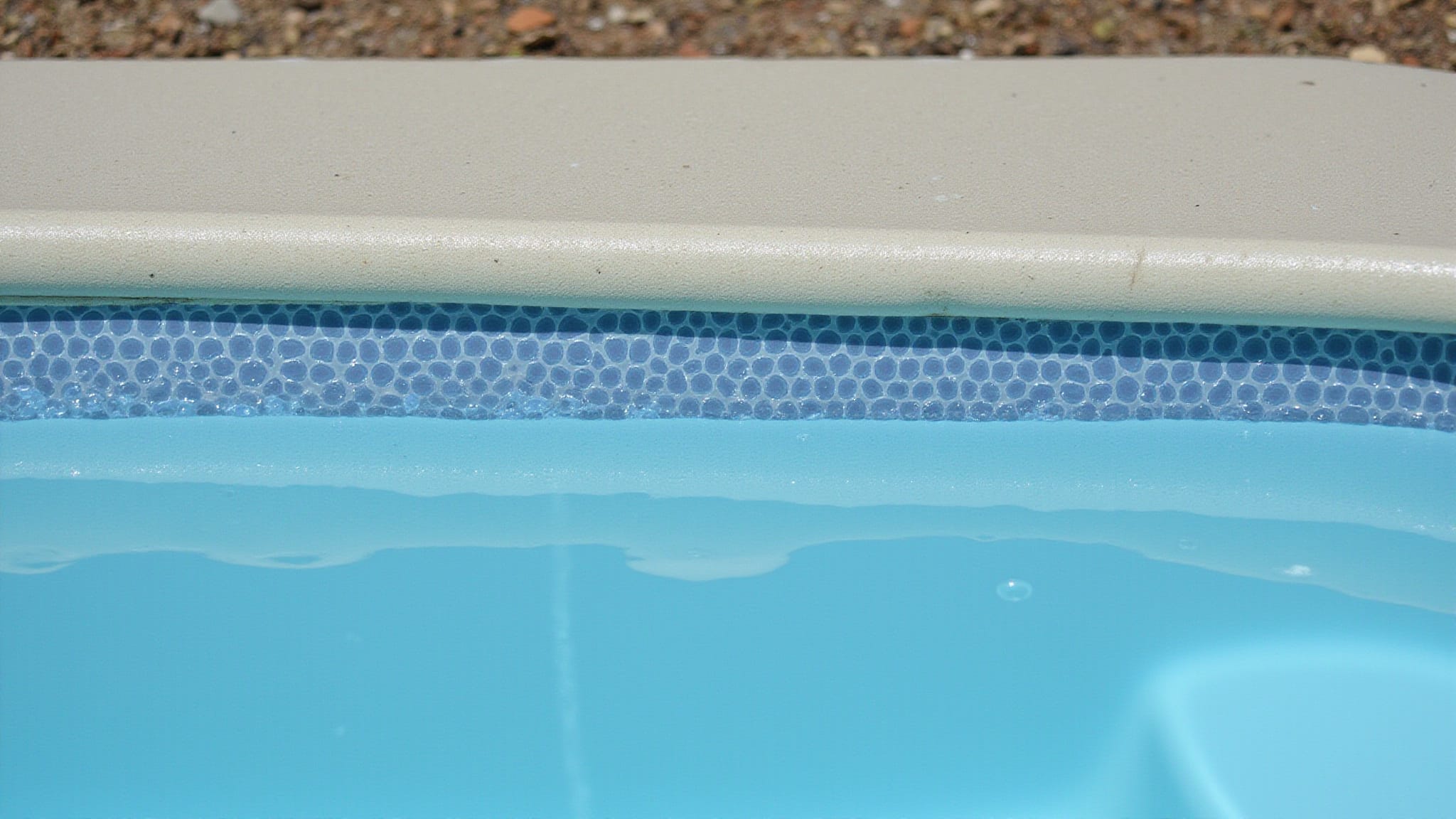
Bad curing and application invite water because the gel coat only performs as well as the curing and application processes behind it. When curing runs incomplete, unreacted styrene monomer and glycols stay trapped inside the laminate, creating hydrophilic zones that pull water in. Improper application compounds the problem, leaving voids and thin spots that let moisture bypass the barrier entirely.
The gel coat only performs as well as the curing and application processes behind it.
Bad curing and application invite water through three mechanisms:
- Incomplete polymerization leaves reactive residues that lower internal water potential and drive osmosis.
- Poor wetting of fibers traps air in bundles, forming cavities where water pools.
- Uneven gel coat thickness creates weak zones where moisture penetrates faster.
Fix these variables early, and you’ll cut blister risk dramatically.
Why 1970s, 1990s Resins Blister So Often
Fiberglass pools built between the 1970s and 1990s blister so often because manufacturers relied on polyester resins and poor-quality gel coats during this era, and that second layer behind the gel coat wasn’t waterproof. Once water reaches it, hydrolysis begins: the polyester resin reacts with water to produce phthalic acid. That broken-down material becomes suspended, forming a concentrated solution trapped on the wrong side of the gel coat. The osmotic pressure builds, pushing the surface outward into a blister. You’re also dealing with poor fiber wetting and air entrapment from that period’s workmanship, which accelerates hydrolysis of both the sizing and the resin matrix. These combined material deficiencies explain why these older shells blister so predictably.
What Happens When Water Hits Polyester Resin
Water hitting polyester resin triggers a chemical reaction immediately. Polyester resin isn’t waterproof, so it hydrolyzes on contact, breaking down into water-soluble corrosive products. Organic compounds react with water to produce phthalic acid, while reactions with glass fibers generate gas. This broken-down material stays suspended, forming a concentrated solution trapped on the wrong side of the gel coat.
Here’s what happens step by step:
- Water penetrates the resin layer and triggers hydrolysis, dissolving unreacted residues.
- The reaction produces phthalic acid and gas, creating pressure inside the laminate.
- Solutes accumulate in voids, lowering water potential and pulling more water inward.
That trapped solution can’t flow back out, so pressure keeps building relentlessly.
How Hydrolysis Feeds Blister Growth
Hydrolysis creates a self-sustaining cycle because the reaction products draw in more water that fuels further reactions. When water reaches the polyester resin behind your gel coat, it reacts with organic compounds to produce phthalic acid and glycols. These broken-down materials become suspended in the trapped water, forming a concentrated solution on the wrong side of the gelcoat. That concentration lowers the water potential inside the laminate, so osmotic pressure pulls even more water through the semi-permeable barrier. As additional water arrives, it hydrolyzes more resin, generating more soluble corrosive products that can’t flow back out. Reaction with glass fibers produces gas, adding outward force. The cavity’s solute concentration keeps climbing, pressure keeps building, and the gelcoat keeps stretching. You’re left with a feedback loop that expands each blister until internal pressure exceeds the gelcoat’s tensile strength.
What Phthalic Acid and Trapped Gas Do Inside
Phthalic acid and trapped gas each drive pressure inside a blister differently once they’re trapped behind the gel coat. When polyester resin reacts with water, it produces phthalic acid, which dissolves into the pocket and can’t flow back out through the gelcoat. Water reacting with glass fibers generates gas that exerts outward force against the shell.
- Phthalic acid concentrates into an acidic solution, lowering water potential and pulling more moisture inward.
- Trapped gas expands within voids, pushing directly against the gelcoat’s underside.
- Combined pressure exceeds the gelcoat’s tensile strength, forcing the surface outward.
Two reinforcing mechanisms are at work: chemical accumulation draws water in, and gas pressure physically distends the laminate until a visible blister forms.
How Bad pH and Chlorine Speed Up Blisters
When you let your pool’s pH drift out of range, you weaken the gel coat’s protective barrier and accelerate the osmotic process beneath it. High chlorine levels compound the damage, chemically degrading the gel coat until underlying fiberglass layers become exposed to moisture. Pair these imbalances with warm water over long periods, and you speed up blister formation considerably.
pH Imbalance Damage
pH imbalance damages your pool by chemically attacking the gel coat that protects your fiberglass shell. When pH drifts outside the recommended range, the chemistry turns aggressive, chemically attacking the gel coat’s surface and thinning its protective barrier. This degradation exposes the underlying fiberglass layers, letting moisture seep in and trigger the osmotic process beneath. Although your pool’s water might look crystal clear, an imbalanced pH or excessive chlorine level is quietly degrading the gel coat.
Here’s what’s happening at the surface:
- Acidic water etches microscopic pits into the gel coat, opening pathways for water ingress.
- High chlorine oxidizes the resin, weakening its molecular structure over time.
- The compromised barrier allows moisture to reach hydrophilic residues, initiating blisters.
Keep your pH balanced, and you’ll slow this destructive chain reaction considerably.
Chlorine Degrades Gel Coat
Chlorine degrades gel coat through oxidation, and high concentrations accelerate the damage exponentially. When you maintain chlorine levels above recommended ranges, the oxidative reaction breaks down the protective barrier, weakening its structural integrity over time. This degradation exposes the underlying fiberglass layers, giving moisture a direct path to seep in.
After the gel coat’s compromised, water penetrates the polyester resin beneath, triggering hydrolysis and blister formation. Warm water intensifies this process. Long-term exposure to high chlorine coupled with hotter temperatures accelerates osmosis greatly.
You’ll compound the damage if you combine excessive chlorine with acidic pH, since both attack the surface simultaneously. Keep your chlorine within balanced parameters to preserve the gel coat’s barrier and slow the chemical breakdown that leads to blistering.
Why Warm Water Makes Blisters Worse
Warm water makes blisters worse because higher temperatures accelerate the rate of osmosis, so blisters form faster. Warm water drives water molecules through the gelcoat more aggressively, feeding hydrophilic residues inside the laminate and raising internal osmotic pressure. Heat also speeds hydrolysis, breaking down polyester resin into phthalic acid and expanding trapped fluid pockets. When you hold warm water over long periods, you compound these effects and push the gelcoat outward sooner.
- Water molecules slipping faster through microscopic gelcoat pores.
- Fluid pockets swelling as heat expands trapped solutions beneath the surface.
- Blisters bulging outward, then stretching wider under direct sunlight.
The longer your pool stays warm, the quicker chemical reactions concentrate solutes in voids, intensifying pressure and accelerating visible blister formation across the shell.
How Sunlight and Heat Expand Blisters
Sunlight and heat expand blisters by driving heat into the laminate, where it reacts with the cheaper polyester resins trapped behind the surface. When direct sunlight strikes the pool shell, the temperature climbs and the fluid pockets inside each blister expand, pushing outward against the gelcoat with increasing force. You’ll notice blisters swelling and enlarging during peak sun exposure because heat raises the internal pressure faster than the gelcoat can resist it. The warmer the trapped solution becomes, the more aggressively hydrolysis proceeds, generating additional gas and corrosive byproducts. This thermal expansion stretches the gelcoat’s tensile limit, so you’ll see existing blisters grow larger and new ones surface wherever moisture’s already accumulated.
How Scratches and Wear Open the Door
Scratches and wear open the door to moisture by breaching the protective gel coat and exposing the fiberglass layers beneath the surface. Every scratch acts as an open door for water, which seeps directly into the resin and fiberglass layers, bypassing the semi-permeable gelcoat entirely. Weathering and regular pool use compound the problem, making the shell porous over time and multiplying the entry points for water ingress.
Picture the progression:
- A sharp object drags across the surface, cutting a fine channel through the gel coat.
- Water pools inside that channel, reaching the unprotected polyester resin underneath.
- Hydrolysis begins, breaking down the resin and building osmotic pressure beneath the surface.
Each abrasion accelerates moisture infiltration, so you’re effectively shortening the timeline to blister formation with every unrepaired mark.
How to Stop Gel Coat Blisters From Spreading
To stop gel coat blisters from spreading, correct your water chemistry, since pH imbalances and high chlorine levels accelerate gel coat degradation. Keep pH balanced and chlorine within recommended ranges to slow further breakdown of the protective barrier. Lower your water temperature where possible, because warm water held long-term speeds osmosis and blister formation. Inspect the shell for scratches and porous areas, then seal them promptly to block moisture seepage into the fiberglass beneath. Address existing blisters by draining, grinding out affected laminate, and reapplying waterproof resin and gel coat. Since polyester resin isn’t waterproof, use a barrier coat to prevent hydrolysis from spreading through adjacent layers.
Conclusion: Managing Gel Coat Blisters
Gel-coat blisters are small raised spots that can form when moisture becomes trapped beneath the surface layer of a fiberglass pool. They are usually tied to the shell’s construction and long-term water exposure, and many pools never get them. When they appear, a professional can determine whether they are cosmetic or need repair, and address them before they spread. Quality construction and balanced water help keep them from forming. Osmotic blisters on pool shells can sometimes be mistaken for cosmetic issues, but they often indicate deeper problems related to the pool’s integrity.
Get a Fiberglass Pool Built for Long-Term Beauty
Surface issues like crazing, chalking, and gel coat blisters are far less common with a quality-built fiberglass pool from a trusted installer. At Schiller Pools in Palm City, FL, our experienced team provides trusted San Juan Fiberglass Pools with limited lifetime warranties and expert installation. Call +1 (561) 475-5997 today and get your free estimate.
Frequently Asked Questions
Are Gel Coat Blisters Covered Under Most Fiberglass Pool Warranties?
It depends on the manufacturer and warranty terms. Some cover blistering related to manufacturing defects, while others have specific conditions or exclusions. Review your warranty and keep your records. If blisters appear, contact the builder or manufacturer promptly, since coverage questions and repairs are easier to handle early.
How Much Does Professional Gel Coat Blister Repair Typically Cost?
Cost depends on the number of blisters and whether a spot repair or wider resurfacing is needed. A handful of blisters is relatively affordable to repair, while extensive blistering costs more. A fiberglass repair professional can inspect the surface and quote the work based on how widespread it is.
Can I Swim in a Pool With Blisters?
Usually, yes. Minor gel-coat blisters are typically a surface issue and do not affect the pool’s safety or its ability to hold water, so swimming is generally fine. Having them inspected confirms they are cosmetic and helps you plan any repair before they grow or multiply.
How Long Do Gel Coat Blister Repairs Usually Last?
A properly done repair can last for years, especially when the underlying cause and water chemistry are addressed so new moisture does not get trapped. The quality of the repair and ongoing maintenance both matter. A professional repair, combined with balanced water, gives the best chance of a long-lasting result.
Do Gel Coat Blisters Lower My Pool’s Resale Value?
Visible blistering can affect a buyer’s impression, so noticeable blisters may slightly reduce appeal even when they are cosmetic. Repairing them and documenting that they were surface-level helps reassure buyers. Keeping the surface in good condition protects both the pool’s look and its resale value.