


You’ll need a structural engineer for your pool if you’re dealing with expansive soils, uneven terrain, or high water tables on your property. Custom features like infinity edges or raised installations also require specialized expertise. Complex underground systems, existing structures, or strict local building codes necessitate professional analysis. Your pool’s stability could be compromised by hydrostatic pressure, soil composition, and load distribution patterns. Understanding these critical factors will help protect your significant investment.
Complex Soil Conditions on Your Property

When installing a swimming pool, your property’s soil conditions play a critical role in determining the structural requirements and engineering approach needed. If you’ve noticed expansive soils that swell up to 30% with moisture changes, or sandy terrain prone to cave-ins, you’ll need thorough soil testing procedures before proceeding. Properties with rocky hardpan or high groundwater tables require specialized subsurface stabilization techniques to guarantee long-term structural integrity. Fill dirt replacement may be necessary to create proper soil density and composition. Using engineered fill with proper moisture and compaction testing provides reliable structural support for your pool installation.
Watch for signs like uneven ground settling, existing structural cracks in your home’s foundation, or visible soil movement after rain. These indicators suggest potentially problematic soil conditions that demand expert analysis. A structural engineer can assess your site’s bearing capacity, evaluate shrink-swell risks, and determine if you’ll need deep foundation systems or over-excavation to create a stable pool environment.
Unique or Custom Pool Design Features
Custom pool designs that go beyond standard rectangular shapes require specialized structural engineering expertise to guarantee stability and safety. When you’re planning novel design features like infinity edges, grottos, or vanishing mechanical systems, you’ll need advanced engineering techniques to ensure proper load distribution and structural integrity. Construction oversight during installation helps verify all specifications are followed precisely.
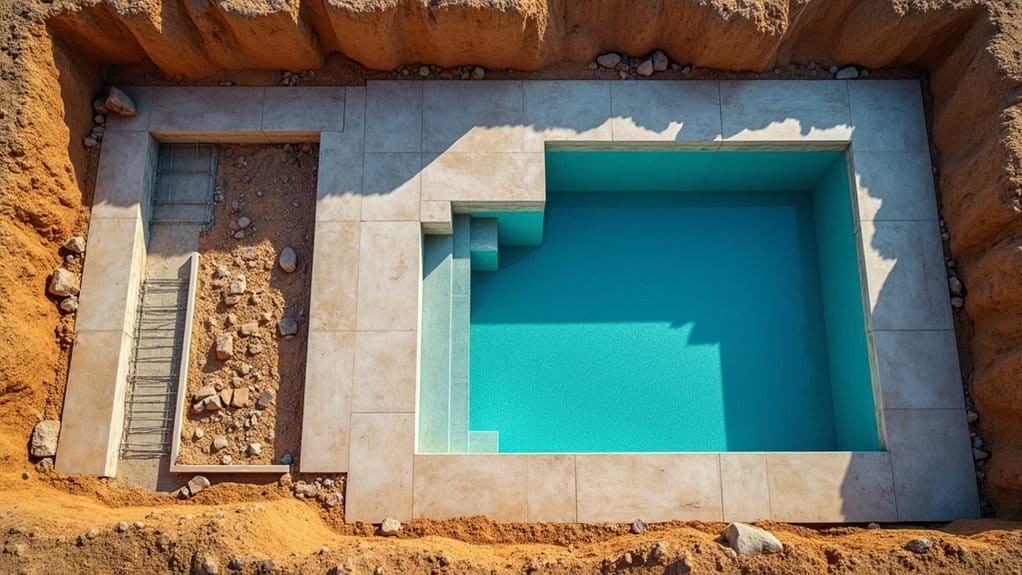
Complex elements such as raised installations over sloping terrain, large-scale deep ends, or cantilevered deck sections demand precise calculations and custom reinforcement configurations. Sealed calculations from a licensed engineer are essential for these complex designs. If you’re incorporating architectural elements like attached spas, waterfalls, or retaining walls, your engineer will need to design specific steel reinforcement spacing and enhanced bonding between structures. They’ll also determine the required gunite thickness and implement static pressure-relief systems to prevent shell displacement. These specialized features require detailed structural analysis to create a safe, durable pool that meets your design vision.
Local Building Code Requirements

Beyond design considerations, local building codes establish strict requirements for pool construction that your structural engineer must address. You’ll need professional expertise to navigate complex regulations governing barrier heights, structural loads, and clearance specifications. Your engineer will guarantee compliance with minimum 48-inch barrier requirements and maximum 4-inch ground clearances while calculating essential load-bearing capacities. Additionally, it’s crucial to consider how environmental factors, such as soil composition and water table levels, can affect the integrity of the pool structure. A thorough understanding of these elements is vital, as they can influence the pool’s overall safety and longevity. These pool construction structural considerations will ensure that your investment remains secure and functional for years to come.
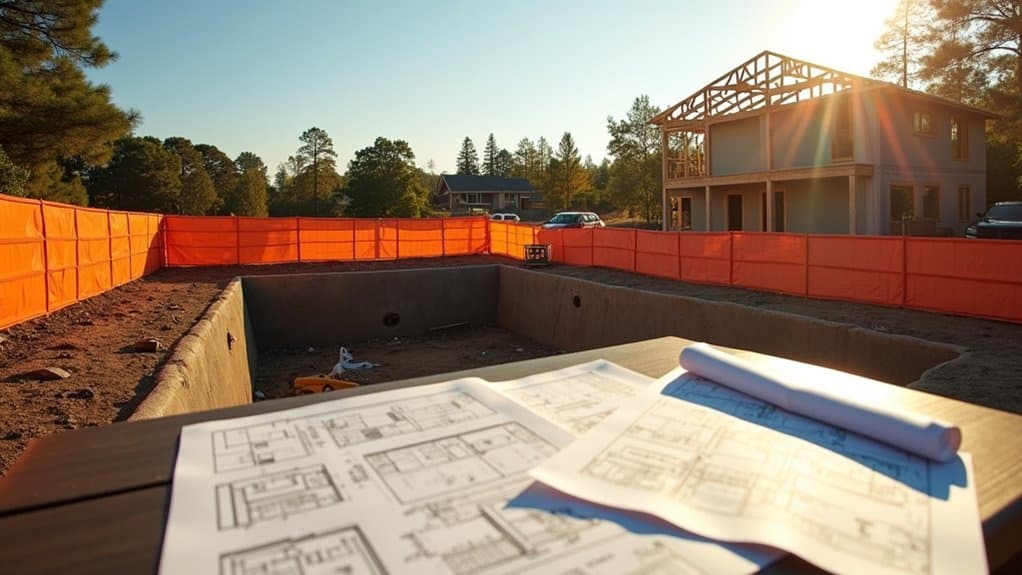
They’ll provide critical permit application assistance, developing detailed site plans that document property boundaries, pool dimensions, and existing structure locations. The engineer verifies that your pool’s construction materials meet ISPSC standards and incorporates proper reinforcement methods using steel mesh or rebar. They’ll also assess drainage requirements, implementing systems to prevent erosion and manage overflow. Local code variations may require specific modifications, making professional guidance indispensable for achieving full compliance. For state-specific pool regulations and requirements, you can contact Pool & Hot Tub Alliance directly for detailed guidance.
Existing Structures and Underground Systems
A thorough structural analysis of existing structures and underground systems forms the foundation of safe pool construction. When your pool site is near buildings, retaining walls, or buried utilities, you’ll need an engineer to evaluate shared hydrostatic conditions and adjacent load distribution patterns. They’ll assess how your pool might affect neighboring foundations and vice versa. Professionally engineered plans are required by Texas regulations to ensure compliance with safety standards.
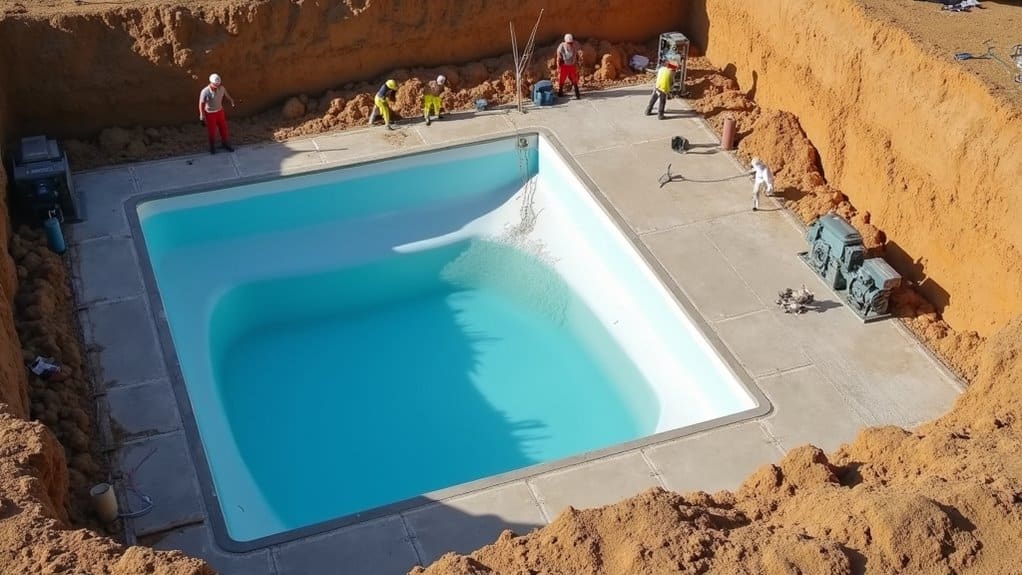
Your engineer will examine underground factors like groundwater fluctuations, soil composition, and drainage patterns that could impact pool stability. They’ll calculate hydrostatic uplift pressures and determine if your soil type requires specific structural modifications. If there are existing walls or structures nearby, they’ll analyze potential differential settlement risks and design appropriate load-sharing solutions. Whether you choose a fiberglass or gunite pool, professional engineering ensures proper structural integration with the site. This expertise guarantees your pool won’t compromise existing infrastructure while maintaining its own structural integrity.
Safety Concerns and Load-Bearing Issues

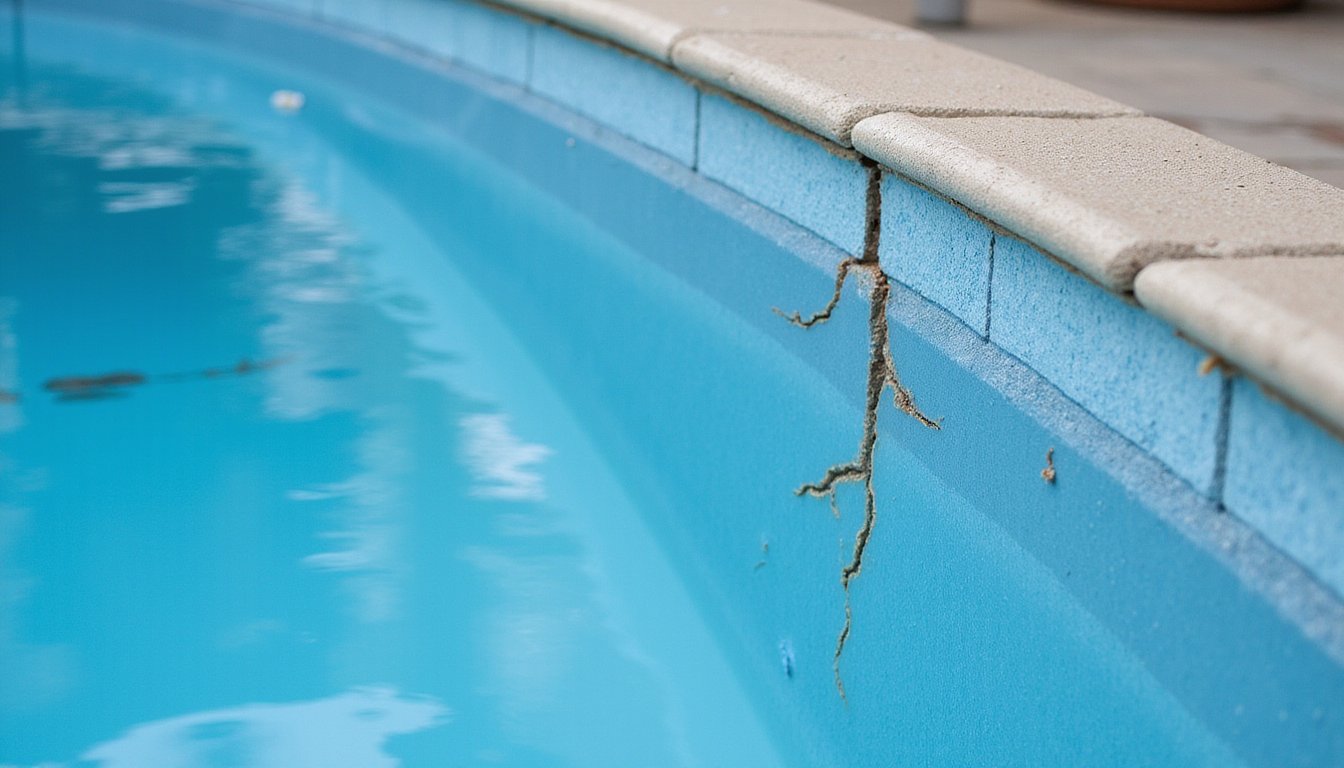
Since structural integrity directly impacts pool safety, engineers must methodically evaluate potential failure points and load-bearing challenges during the design phase. When assessing structural failure risks, they’ll analyze site-specific conditions, including soil composition, water table levels, and geological factors that could compromise your pool’s stability. Furthermore, engineers will implement rigorous testing methods to ensure that all materials used are capable of withstanding environmental stresses over time. This includes regular inspections for identifying structural pool cracks, which can provide early warning signs of deeper issues.
Material degradation issues demand careful consideration of concrete mix designs and steel reinforcement specifications. Your engineer will verify that materials meet ASTM standards while calculating dual-state pressure loads both when your pool is filled (hydrostatic pressure) and empty (atmospheric pressure). They’ll guarantee the structure can withstand water displacement forces of approximately 62.4 pounds per cubic foot and implement static-pressure-relief valves to prevent shell displacement from groundwater forces. Shotcrete application follows strict testing standards to ensure watertight, durable construction that minimizes costs. This thorough approach helps prevent catastrophic failures and certifies long-term structural stability.
Frequently Asked Questions
How Long Does the Structural Engineering Assessment Typically Take to Complete?
Your structural integrity evaluation typically takes 2-3 hours for the initial on-site inspection, while the complete assessment duration spans 2-3 weeks. You’ll find that complex projects requiring detailed calculations and multiple structural modifications can extend this timeline. When you provide existing blueprints and work with experienced engineers, you’ll expedite the process. The final report generation and code compliance verification are essential components that complete your assessment.
What’s the Average Cost Range for Pool Engineering Services?
You’ll typically find pool engineering fees ranging from $2,000 to $5,000 for standard residential projects, though costs can fluctuate markedly based on your pool’s complexity and location. For luxury or commercial pools exceeding $200,000, engineering services might represent 5-10% of your total budget. Client budget considerations should account for extra factors like soil testing ($500-$1,500) and detailed structural calculations. These costs frequently integrate into your comprehensive design package.
Can I Make Design Changes After the Engineer Approves the Plans?
While you can make design modifications after engineering approval, they’ll likely require resubmission of plans and supplementary engineering review. Any changes affecting structural elements, dimensions, or systems will trigger new calculations and permit requirements. You’ll face extended construction timelines and ancillary costs for reengineering services. It’s best to finalize your design before initial engineering approval to avoid delays and extra expenses associated with post-approval modifications.
Do Engineers Provide Warranty Coverage for Their Pool Design Work?
Engineers typically don’t provide warranty period coverage for their pool design work. While they’re responsible for ensuring structural integrity in their plans, they can’t guarantee against environmental factors or construction execution. You’ll need to rely on separate structural warranty requirements from manufacturers and installers for actual protection. Your contractor’s workmanship warranty and material warranties from suppliers will be your primary sources of coverage for pool-related issues.
Should I Hire the Engineer Before or After Selecting a Pool Contractor?
You’ll want to hire your structural engineer before selecting a pool contractor for ideal pre-construction pool planning. This allows the engineer to develop detailed specifications and contractor recommendation criteria that align with your site’s requirements. Your engineer can then evaluate potential contractors based on their ability to execute the engineered design, material standards, and construction methods. This sequence prevents conflicts between contractor preferences and structural necessities.