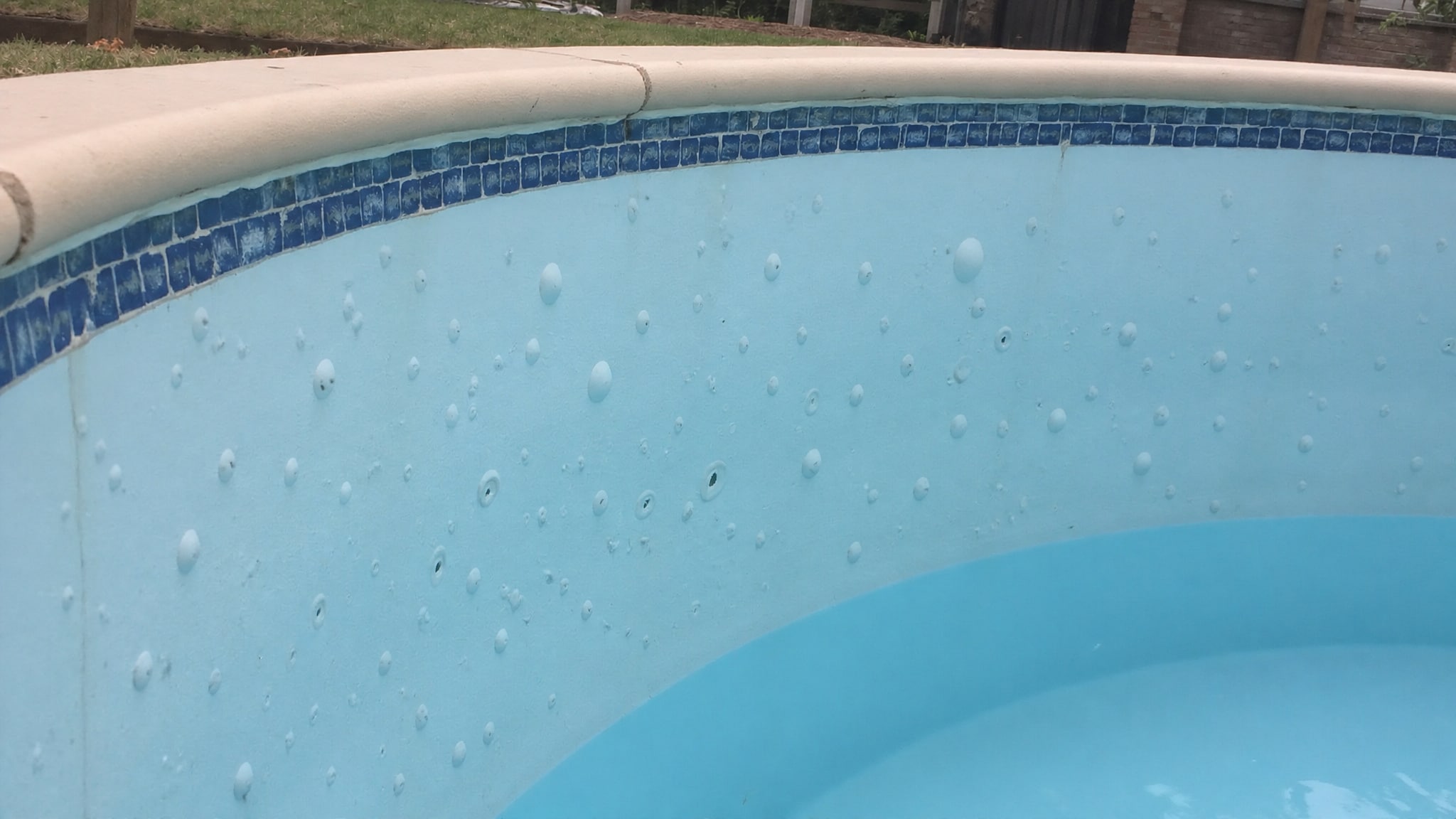
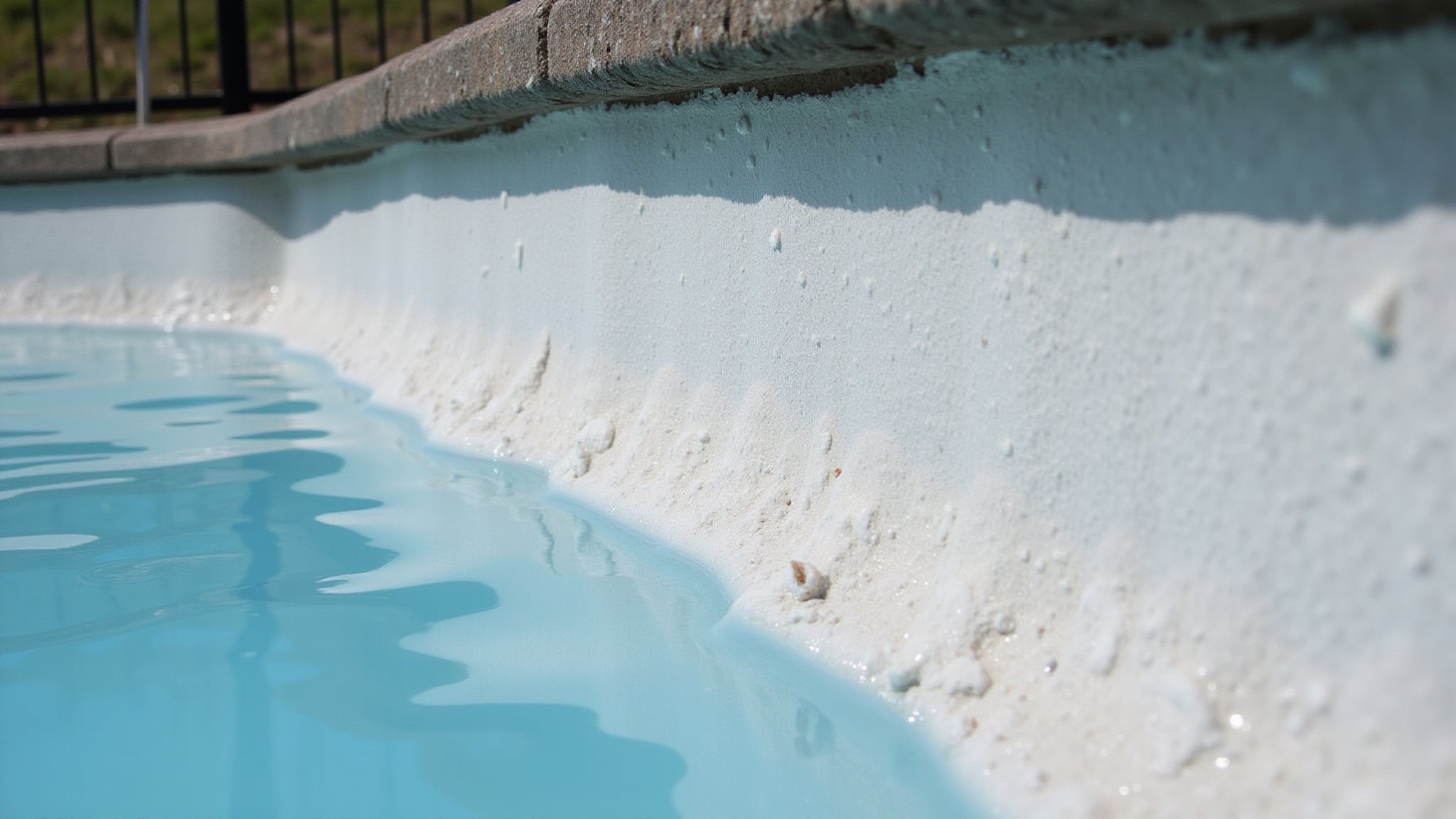
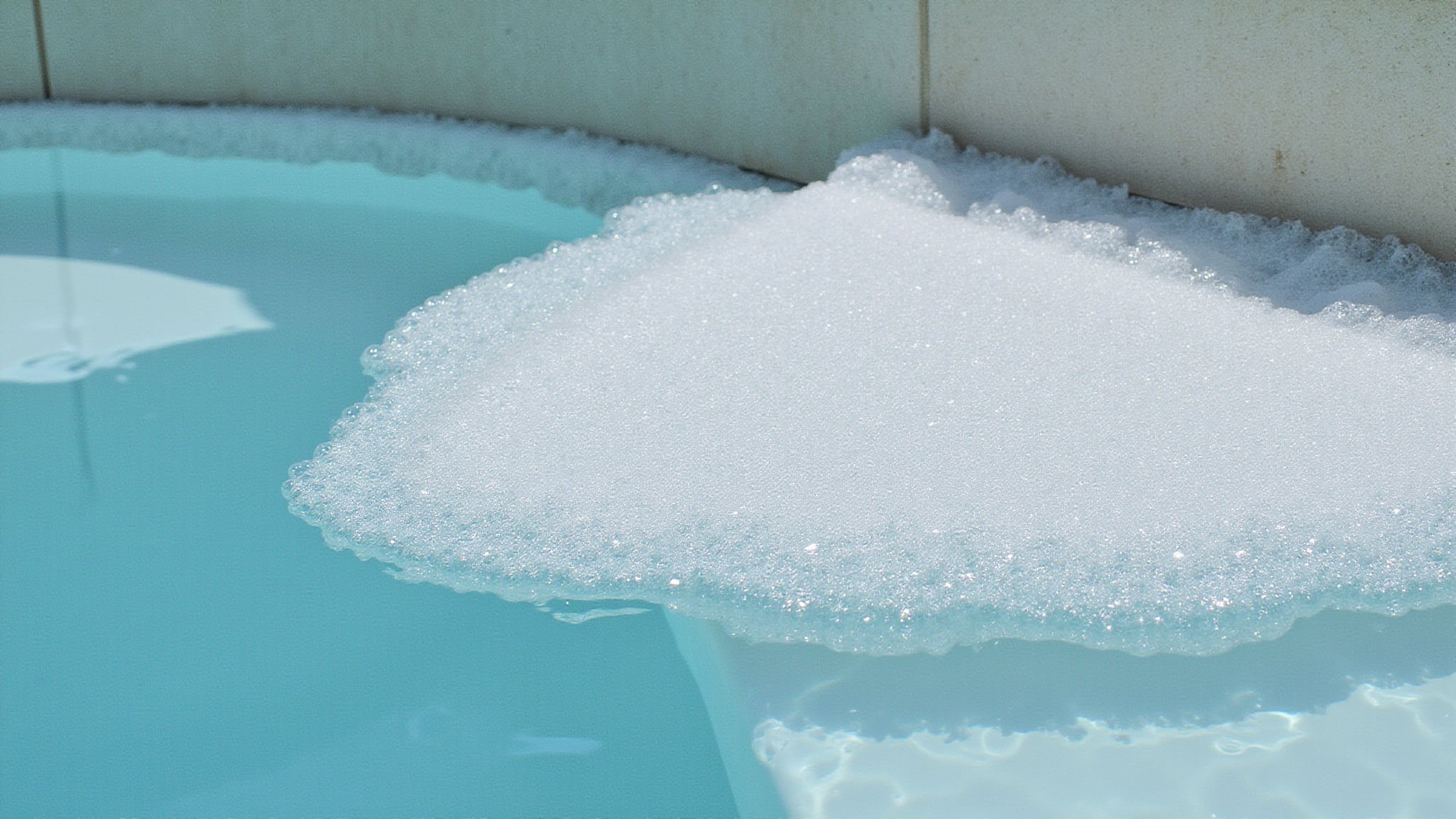
Pool cracks form through seven primary mechanisms you’ll need to monitor: ground settlement from soil movement, poor construction practices like improper concrete mixing, temperature-induced stress from expansion and contraction, inadequate expansion joint placement, hydrostatic pressure buildup beneath the shell, invasive tree root growth, and weather-related structural strain. Each of these factors can compromise your pool’s integrity, leading to serious structural issues. Understanding these mechanisms will help you identify early warning signs and take preventive action.
Ground Settlement and Soil Movement
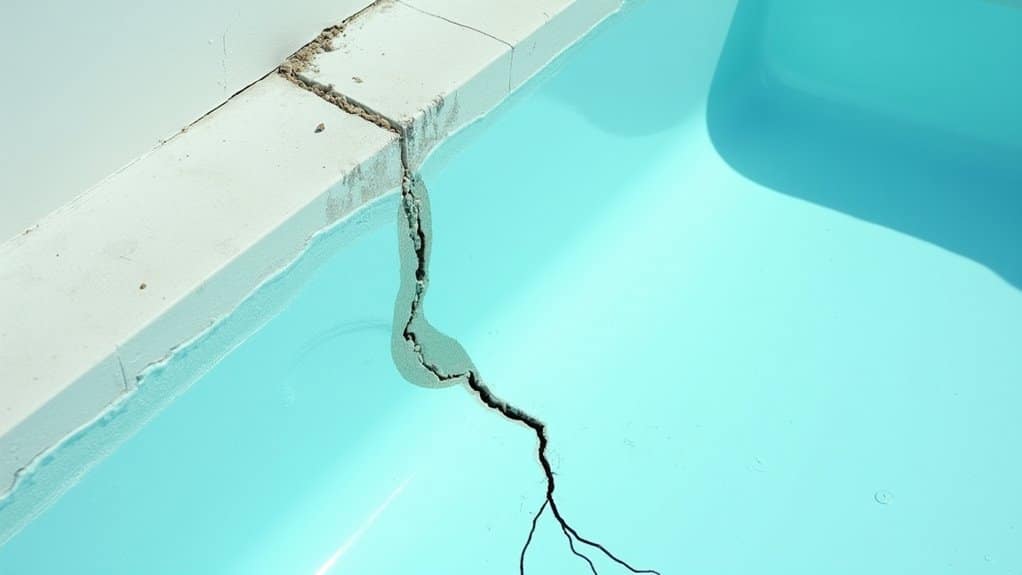
While ground settlement occurs naturally over time, soil movement poses one of the greatest threats to pool structural integrity. Understanding soil composition characteristics is vital, as expansive clay soils can undergo volume changes up to 30% when exposed to moisture, creating devastating effects on your pool’s foundation. Inadequate compaction during construction can accelerate settlement issues and structural damage over time. Regular soil assessments are essential for identifying potential stability problems before they cause major damage.
Soil moisture fluctuation patterns directly impact ground stability, leading to differential settlement where portions of your pool settle unevenly while others remain supported. This uneven movement creates significant structural stress on your pool’s shell, often resulting in cracks and potential collapse. In areas with varying soil compositions, you’ll notice your pool may respond differently to environmental changes over time. When portions of the pool lose proper support due to soil shifts, the resulting rotation and settlement can compromise the entire structure’s integrity. A structural engineer report is crucial for accurately assessing the extent of soil-related damage and determining the most effective repair solutions.
Poor Construction Practices
Your pool’s structural integrity begins with proper concrete mixing methods, as incorrect ratios and poor blending techniques can severely compromise the shell’s strength. When contractors rush installation timelines, they often skip essential steps in the concrete preparation and curing process, leading to weakened areas prone to cracking. Proper concrete mixing requires precise measurements, appropriate water-to-cement ratios, and adequate time for thorough blending; shortcuts in any of these areas substantially increase the risk of future structural failures. This type of shoddy workmanship during construction is one of the primary causes of severe pool defects that emerge later. These construction-related issues frequently result in shell cracks that threaten the foundational structure of the entire pool. Selecting substandard materials during construction can lead to ASR concrete cancer, causing premature deterioration of the pool structure.
Inadequate Concrete Mixing Methods
Proper concrete mixing methods serve as the foundation for a structurally sound swimming pool, yet inadequate practices during this critical phase can lead to devastating consequences. You’ll encounter serious structural issues when water content adjustments aren’t precisely controlled, as excessive water creates voids and compromises strength. Even worse, improper admixture timing issues can severely impact your pool’s durability and performance. The high compressive strength achieved through proper mixing is essential for long-term structural integrity.
When you’re mixing pool concrete, you must maintain strict water-to-cement ratios and use appropriate water reducers for workability. Don’t skip essential chemical admixtures like superplasticizers and waterproofing additives. Shotcrete and gunite are the primary methods for applying concrete in pool construction. Modern pools require a minimum of 6.5 sacks per cubic yard of cement content for optimal strength. Instead of adding extra water for easier pumping, incorporate proper cement additives and fiber reinforcement. You’ll need to sustain thorough mixing with correct timing of all components to achieve the required 4,500 psi strength rating and favorable concrete properties.
Rushed Installation Timelines
When construction teams rush pool installation timelines, they’ll often disregard critical safety protocols and quality control measures that prevent structural failures. You’ll notice compromises in every phase, from improper drainage planning during excavation to inadequate on-site testing of soil conditions. They’ll skip essential drying periods after rain, proceed with unstable ground conditions, and bypass proper material procurement processes. Labor shortages frequently cause contractors to cut corners and rush projects to stay on schedule.
Rushed projects frequently ignore weather patterns, leading to premature concrete pouring and insufficient curing time. You’ll find contractors using substandard materials when faced with supply shortages, rather than waiting for quality components. The importance of proper timing is especially critical since weather conditions can significantly impact construction quality. A reliable contractor with proven experience becomes essential to maintain quality standards and prevent rushed work. They’ll also attempt to circumvent proper permit processes and inspections, creating serious liability issues. These accelerated timelines particularly impact steel reinforcement installation and ground stabilization, two critical elements that require precise execution to prevent future cracking.
Temperature-Related Stress
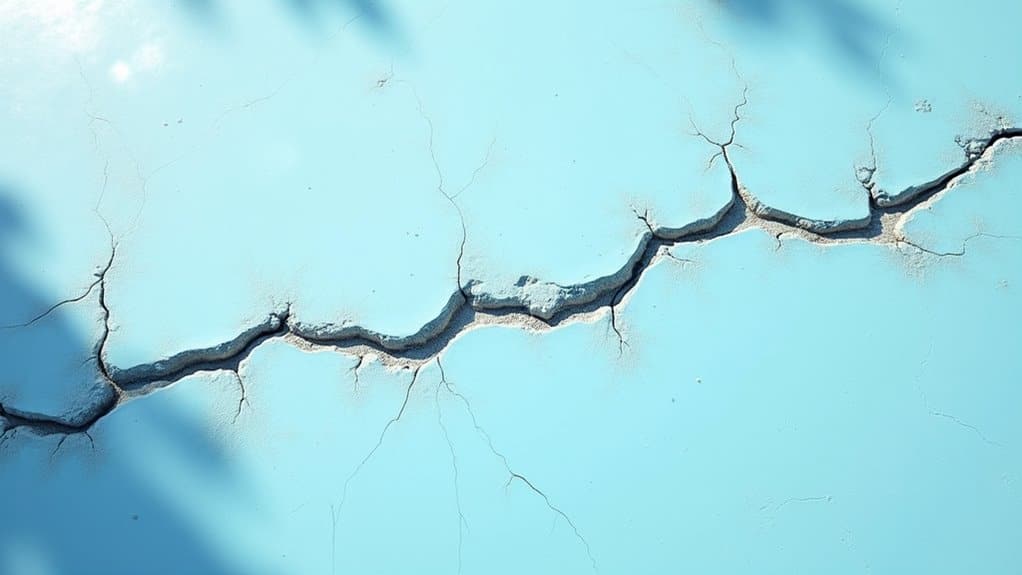
Temperature fluctuations represent one of the most significant threats to pool structural integrity, as the constant expansion and contraction of materials can lead to stress-induced cracking. You’ll find that extreme weather conditions create particularly challenging circumstances for your pool’s structure, especially during freeze-thaw cycles that cause concrete deformation. The absence of proper expansion joints often intensifies these structural stresses. These structural problems can become so severe that traditional repairs may only provide temporary solutions.
When water penetrates small surface imperfections and freezes, it expands by approximately 9%, forcing existing cracks to widen. This thermal cracking process accelerates during seasonal shifts, where temperature variations are most dramatic. Your pool’s concrete walls and floor face continuous stress from these temperature changes, while ice formation exerts tremendous pressure on the structure. Hot and humid conditions in Baton Rouge can further accelerate material deterioration. Understanding these weather-related stress factors is essential, as they’ll determine the maintenance measures you’ll need to implement to protect your pool’s longevity.
Inadequate Expansion Joints
Failing to install proper expansion joints represents one of the most pivotal structural vulnerabilities in pool construction. When contractors don’t include these essential 1-inch spaces between your pool’s perimeter coping and deck, you’ll likely face severe structural issues. Improper seal application and deteriorating mastic material can allow water to penetrate behind pool walls, leading to rust damage and foundation problems.
You’ll notice warning signs like widening gaps between coping and deck, loose tiles near the waterline, and random cracking throughout the structure. These joints must maintain a ½-inch to ¾-inch width through the entire 4-inch deck depth to properly isolate the pool shell from surrounding concrete. Without this indispensable separation, ground movement will transfer directly to your pool’s structure, causing extensive damage that’s expensive to repair.
Hydrostatic Pressure Damage
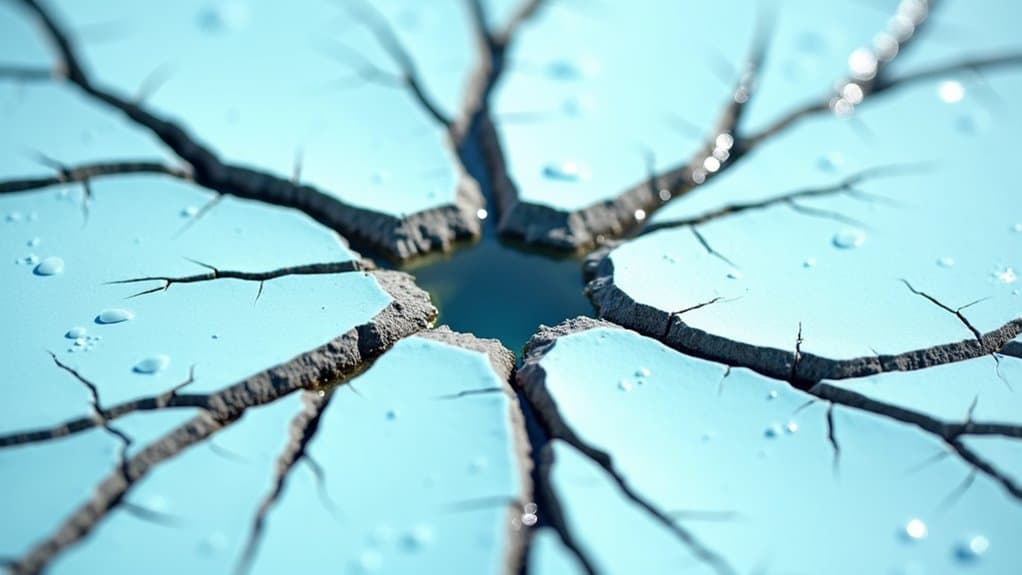
Rising groundwater levels create powerful hydrostatic forces that push against your pool’s walls and floor, particularly when the pool is empty or partially filled. You’ll find the greatest risk of structural damage occurs during periods of heightened water tables, when external pressure from underground water exceeds the counterbalancing pressure inside your pool. These pressure differentials can force concrete to crack, especially at vulnerable points like corners and deep-end shifts where stress concentrations are highest.
Groundwater Forces Pool Walls
When groundwater levels surge around your pool’s exterior, they create an immense upward force known as hydrostatic pressure, a destructive phenomenon that exerts 62.4 pounds per cubic foot against your pool’s structure. This pressure intensifies by 0.433 PSI with each foot of water depth, causing severe structural stress when exterior groundwater exceeds your pool’s interior water weight.
You’ll notice horizontal cracks forming along construction joints and spider web patterns developing in the floor as the pressure builds. Poor drainage systems accelerate this damage, especially in clay soils that retain moisture. If you’re experiencing pool liner deflation or gaps between your coping and deck, it’s likely due to hydrostatic lifting. Areas with high water tables within 10 feet of the surface face persistent pressure challenges, making proper drainage essential for structural integrity.
Empty Pool Damage Risk
The initial hydrostatic pressure damage occurs when pools sit empty, removing the essential counterweight needed to resist underground forces. When you leave your pool unfilled for over seven days, you’re exposing it to dangerous groundwater exposure that can compromise its structural integrity. Without water weight, the pool shell becomes vulnerable to upward pressure that can cause it to literally pop out of the ground.
Your pool’s concrete degradation accelerates during empty periods, as prolonged sun exposure leads to surface cracking and flaking. You’ll notice the preliminary signs of damage within two weeks, as hydrostatic pressure creates fissures in walls and floors. Your pool’s accessories, including lights and pumps, also face significant risk. To prevent catastrophic failure, you must maintain functional hydrostatic release valves and limit empty periods.
Underground Water Level Changes
Changes in underground water levels pose one of the most serious threats to your pool’s structural integrity through hydrostatic pressure damage. When groundwater flow patterns shift due to heavy rainfall, rapid snowmelt, or seasonal fluctuations, the resulting pressure can exceed your pool’s structural capacity.
Soil permeability characteristics play a vital role in this dynamic. Clay-heavy soils retain water longer, maintaining sustained pressure against pool walls, while sandy soils provide better drainage. You’ll face the highest risk when water trapped around your pool creates a differential pressure between the inside and outside, particularly when the pool is empty or partially filled. Even a few inches of water level difference can force pool floors to blister, walls to bow inward, and in extreme cases, cause complete pool displacement from its foundation.
Tree Root Interference
Growing tree roots pose a significant threat to pool structures, as their relentless search for water and nutrients can lead to severe structural damage. You’ll find that moisture-induced root activity intensifies during drought conditions, with roots aggressively seeking water beneath your pool’s foundation. This behavior directly compromises foundation moisture protection systems.
Tree roots can exert substantial pressure against pool shells, causing cracks and structural failures. When roots displace soil around your pool, they create voids that lead to differential settlement and sudden structural damage. You’ll notice this particularly with species like willows, which are notorious for their invasive root systems. The roots can also penetrate pool shells directly, damage underground plumbing, and shift decking materials. During construction, it’s important to take into account the proximity and species of nearby trees.
Weather-Induced Structural Strain
Severe weather conditions pose significant challenges to pool structural integrity through multiple destructive mechanisms. Freeze-thaw cycle impacts create expansion and contraction patterns that weaken concrete structures, while rainfall saturation effects generate dangerous hydrostatic pressure beneath pool surfaces.
| Weather Type | Primary Damage | Prevention Measure |
|---|---|---|
| Freezing | Concrete cracks | Supplementary support |
| Heavy Rain | Liner floating | Proper drainage |
| Temperature Shifts | Shell stress | Expansion joints |
You’ll need to monitor your pool’s structural health closely during extreme weather events. Concrete pools in cold climates require specialized construction techniques to withstand freezing temperatures. Watch for signs of ground movement and settling, particularly after heavy rainfall periods. Installing proper drainage systems and maintaining consistent water chemistry can help minimize weather-related structural strain on your pool.
Frequently Asked Questions
How Long Can a Hairline Crack Exist Before Requiring Professional Repair?
You shouldn’t wait to address a hairline crack; even small ones require immediate structural integrity assessment. While superficial cracks might seem minor, they can rapidly deteriorate within weeks or months, especially with temperature fluctuations and ground movement. You’ll need regular crack monitoring frequency to track progression. Don’t delay professional evaluation, as waiting can transform a simple repair into a costly structural issue requiring extensive renovation.
Can Pool Cracks Be Safely Repaired While Water Remains in the Pool?
Yes, you can safely repair many pool cracks while the water remains, but pool drainage considerations depend on the crack’s severity. For minor surface cracks, you’ll find underwater repair methods like pool putty and polymer adhesives highly effective. However, if you’re dealing with major structural issues, you’ll need professional structural reinforcement options that may require draining. Always assess the crack type before deciding between underwater techniques or complete drainage repairs.
What Chemical Treatments Affect the Likelihood of Concrete Pool Cracks Forming?
You’ll find that aggressive pool chemicals, especially high chlorine levels and improper pH balance, can greatly accelerate concrete deterioration. The chemical composition of pool water directly impacts crack formation when it’s too acidic (below 7.2 pH) or too alkaline (above 7.8 pH). When these chemical imbalances combine with the effects of climate on concrete, particularly freeze-thaw cycles and temperature fluctuations, you’re more likely to experience structural cracking in your pool shell.
Are Vinyl Pool Liners More Resistant to Cracking Than Concrete Pools?
Yes, vinyl pool liners are substantially more resistant to cracking than concrete pools. You’ll find that vinyl pool maintenance is simpler since the flexible liner material accommodates ground movement and settling without developing structural cracks. While pool liner durability depends on thickness (20-30 mils), the material’s inherent flexibility prevents the rigid fracturing common in concrete pools. You can expect your vinyl liner to resist cracking, though it may need replacement every 7-10 years.
How Often Should Pools Be Professionally Inspected for Early Crack Detection?
You’ll need professional pool inspections at least twice per year for proper crack detection, with more frequent checks during peak swimming season. As part of your regular preventative maintenance, schedule exhaustive leak detection in spring and fall. For commercial pools, you should increase inspections to quarterly due to higher usage. Don’t skip monthly visual assessments during summer, and guarantee your inspector examines vital structural areas including wall joints and filtration connection points.