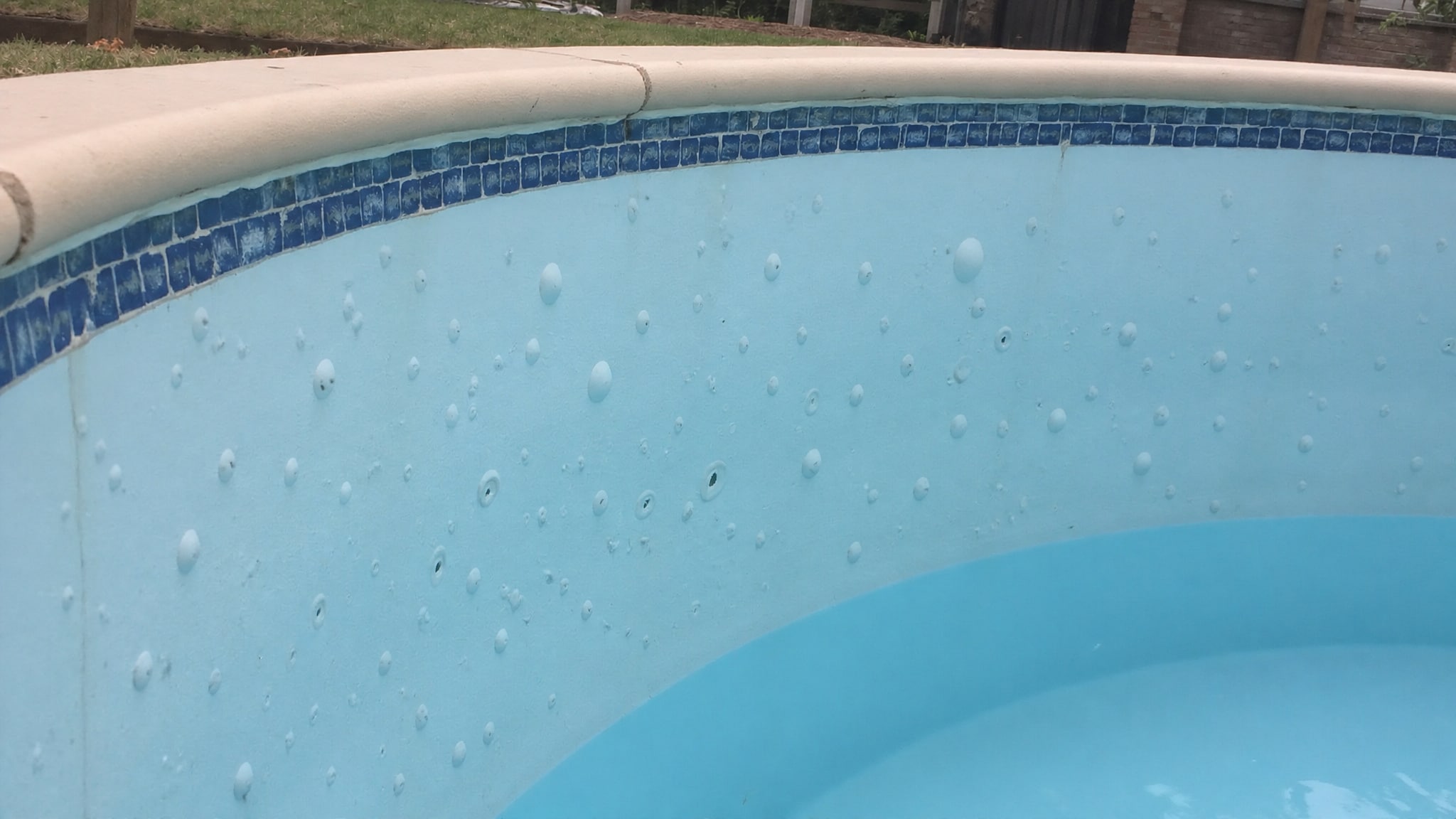
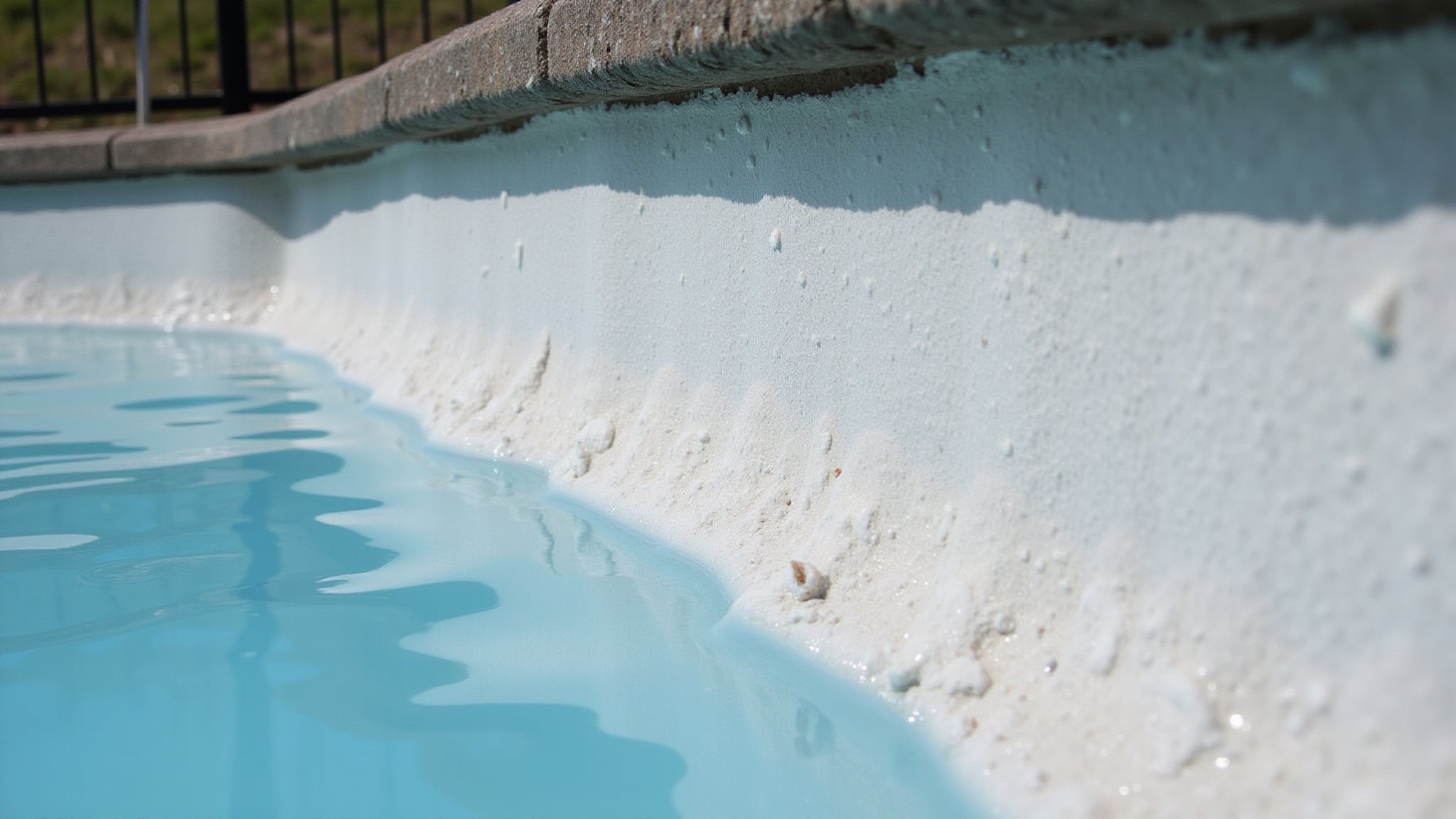
Pool cracks range from minor surface issues to severe structural problems, and your repair options depend on the type you’re dealing with. You’ll find that surface cracks under 1/8 inch can typically be fixed with DIY repair kits, while spider cracks often require professional assessment to determine their severity. Structural cracks that penetrate the pool shell demand immediate expert attention and extensive repairs. Understanding the distinct characteristics of each crack type will guide you to the most effective solution.
Understanding Different Types of Pool Cracks
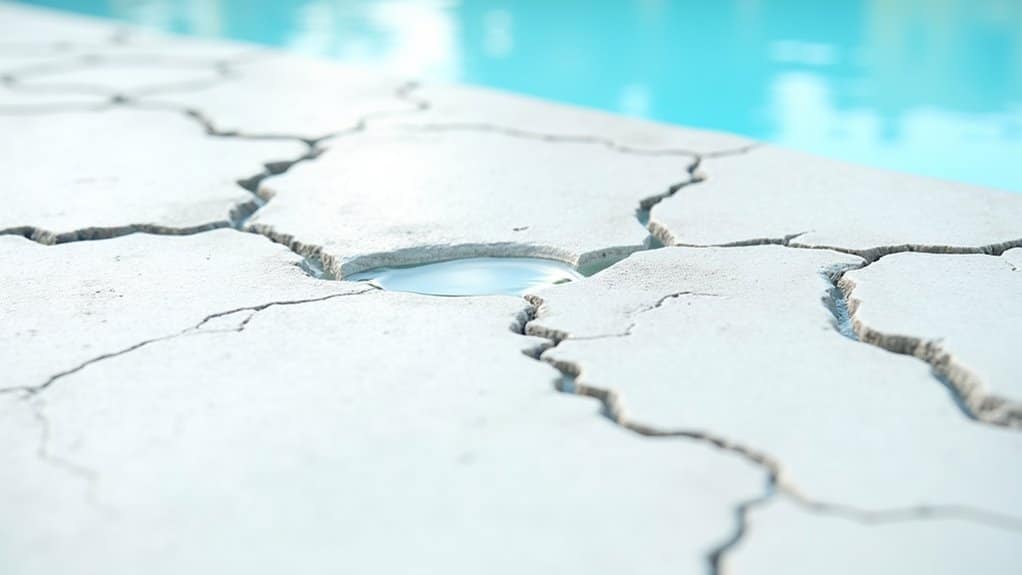
A thorough understanding of pool cracks is essential for proper maintenance and repair decisions. You’ll encounter five main types of cracks, each requiring different pool damage mitigation approaches. Surface cracks present minor cosmetic issues, while structural cracks penetrate the foundation and demand immediate attention. The good news is that surface cracks can typically be fixed with pool repair kits. Hairline cracks, though fine and barely visible, need long-term crack monitoring to prevent secondary problems. Ground movement is often responsible for these surface-level issues.
Spider cracks display distinctive radial patterns and typically result from improper curing processes. They’re usually cosmetic but should be documented. The most concerning are structural leakage cracks, which allow water loss and indicate severe operational problems. You’ll notice these penetrating through the pool shell, plaster coating, and tile areas. Identifying the crack type correctly determines whether you’re facing a simple repair or major structural intervention.
Assessing Crack Severity and Risk Factors
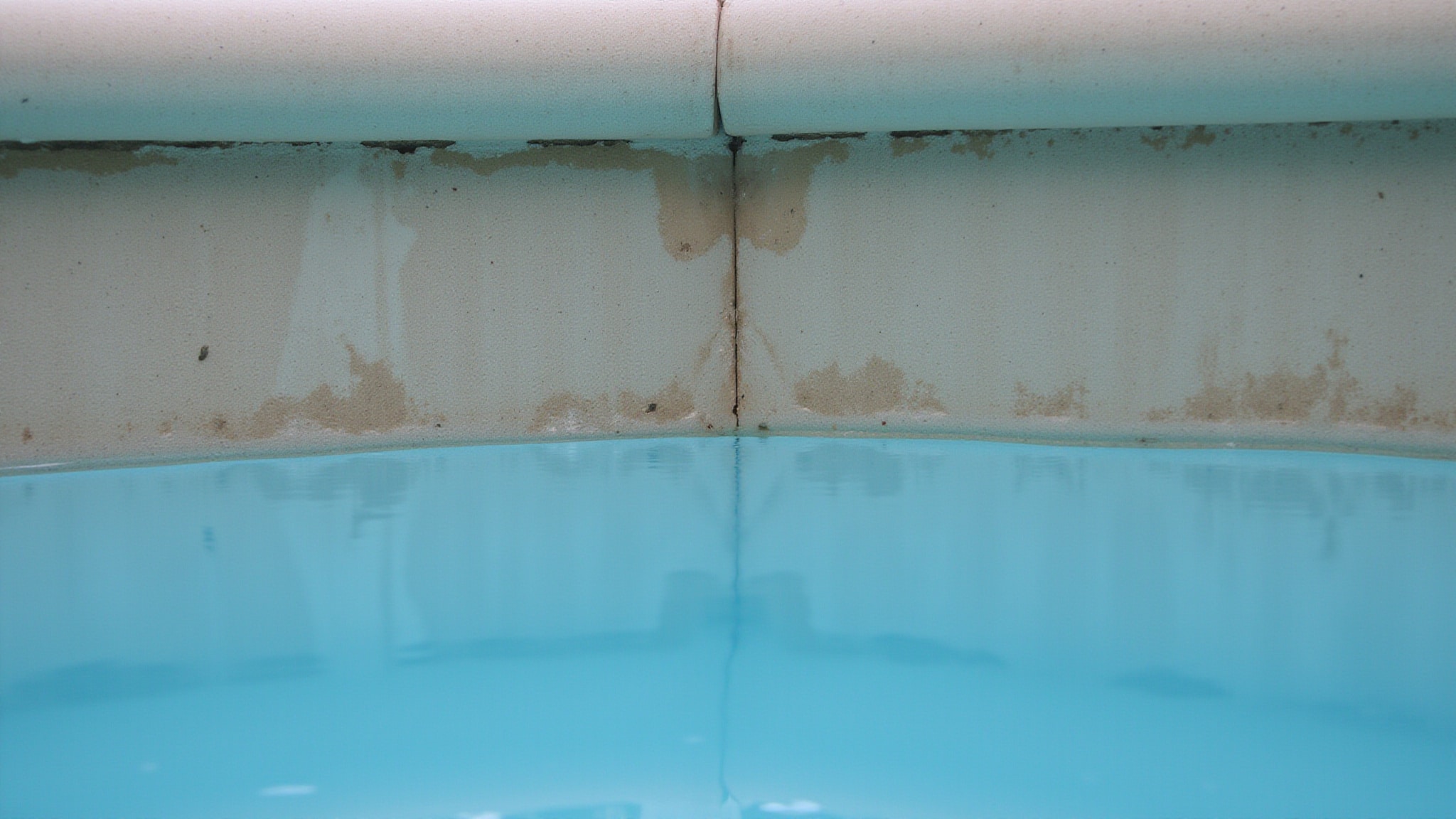
Visual inspection should focus on the width of cracks, with those exceeding 1/8 inch warranting immediate professional attention. You’ll need to track crack progression through systematic documentation, including dated photographs and precise measurements to determine if they’re expanding or remaining stable. When evaluating crack patterns, pay particular attention to intersecting lines or spider web formations, as these often indicate serious structural compromises requiring expert assessment. Watch for signs of water pressure buildup beneath the pool structure, as this hydrostatic force can lead to devastating structural damage. Examining for any rust stains around cracks is crucial, as this indicates the damage extends through the concrete shell. Superficial hairline cracks typically show minimal changes over time and are often cosmetic rather than structural concerns.
Visual Clues For Assessment
When evaluating pool cracks, understanding key visual indicators allows you to assess their severity and structural implications accurately. Begin your visual documentation process by examining crack patterns, single-line cracks typically indicate surface damage, while spiderweb formations suggest structural concerns. Consider strategic poolside camera placement to track progression over time. Water puddles near cracks often indicate active leaks requiring professional inspection.
You’ll want to note specific characteristics: structural cracks appear wider and deeper than superficial ones, while hairline cracks present as fine, single lines. Watch for associated warning signs like bulging walls, deck shifting, or separation between pool and surrounding structures. Rust stains near cracks indicate potential rebar damage, and white chalky deposits suggest water seepage. Checking tile and grout conditions around cracks can reveal additional signs of structural compromise. If you notice clusters of small cracks or hollow-sounding areas when tapped, these often reveal underlying material issues requiring immediate attention.
Measuring Growth Over Time
Systematic measurement of crack progression reveals critical insights about your pool’s structural integrity and potential risk factors. You’ll need to monitor crack width variation through periodic crack measurements, particularly focusing on openings wider than 1/8 inch that suggest structural concerns.
Track changes by documenting crack dimensions and patterns over time. Poor construction and inadequate concrete curing often accelerate crack formation and spread. If you notice cracks expanding or deepening during your observation periods, especially those forming complex intersecting or spider web patterns, you’re looking at potential structural stress. When combined with water loss testing using the bucket method, you’ll get a thorough/detailed/exhaustive view of crack severity. Watch for cracks that extend beyond surface plaster into deeper layers, as these often indicate serious structural issues requiring professional evaluation.
Common Causes Behind Pool Surface Damage
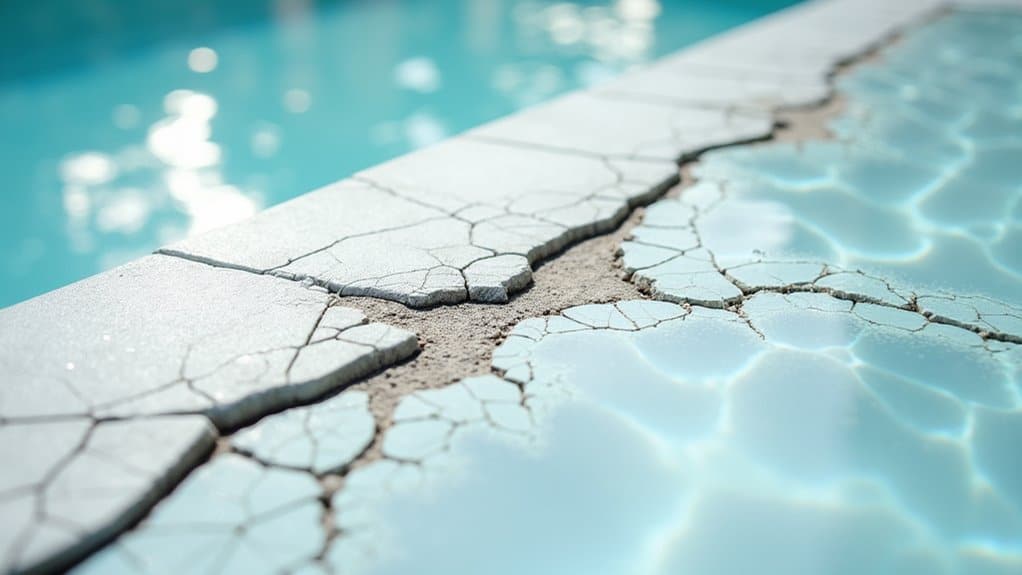
Your pool’s natural settling and ground movement over time can place significant stress on the shell structure, leading to surface cracks and deterioration. Environmental factors like freeze-thaw cycles, temperature fluctuations, and soil conditions accelerate this movement and amplify structural pressures. Poor workmanship during construction can create inherent weaknesses that develop into serious surface problems over time. UV radiation exposure can gradually degrade pool surface materials and compromise their structural integrity. When combined with the constant exposure to water pressure and chemical treatments, these stresses create weak points that finally manifest as visible surface damage. These cracks often develop into hairline patterns that can harbor stubborn algae growth.
Pool Movement Over Time
Pool movement represents one of the most significant structural challenges facing swimming pool owners, driven by five primary forces that work against long-term stability. You’ll notice this movement particularly in areas with expansive clay soils, where moisture changes trigger continuous expansion and contraction. Without proper soil stability assessment during construction, your pool’s structure becomes vulnerable to uneven settling, especially when the shallow and deep ends rest on different soil types. Natural disasters like earthquakes and floods can intensify these structural issues.
Groundwater control strategies become pivotal as hydrostatic pressure builds beneath your pool. When water tables rise or drainage systems fail, the increasing pressure can force your pool’s floor upward or create dangerous voids underneath. You’ll find these issues compounded by construction defects, like inadequate rebar placement or poor concrete thickness, which limit your pool’s ability to resist ground movement. The presence of shifting pool tiles often serves as an early warning sign of these underlying structural problems.
Environmental Stress Effects
While swimming pools endure diverse external pressures, environmental stress represents one of the most pervasive threats to surface integrity. Plaster preservation techniques must address multiple environmental factors that accelerate deterioration.
| Environmental Factor | Chemical Treatment Impact |
|---|---|
| UV Radiation | Requires increased stabilizer levels |
| Thermal Cycling | Demands pH balance adjustment |
| Freeze-Thaw | Necessitates winterization chemicals |
| Moisture Exposure | Calls for calcium hardness control |
| Organic Matter | Needs amplified sanitizer levels |
You’ll notice damage patterns ranging from surface etching to deep structural cracks when environmental stressors aren’t properly managed. Your pool’s plaster longevity depends heavily on maintaining proper chemical balances while protecting against weather extremes. By implementing targeted chemical treatments and using protective covers during periods of non-use, you’ll markedly extend your pool’s surface life and minimize repair needs.
DIY-Friendly Repair Options for Minor Cracks
Three common DIY repair methods make fixing minor pool cracks achievable for hands-on homeowners. Understanding the suitability of DIY repair helps you tackle surface-level damage while avoiding common DIY mistake considerations. You’ll need underwater epoxy, pool putty, or specialized crack fillers designed for submerged applications.
- Clean cracks thoroughly using a wire brush or flathead screwdriver to remove debris
- Widen hairline cracks with masonry bits to create better adhesion surfaces
- Apply underwater-rated repair materials using putty knives for complete void filling
- Overfill slightly to compensate for material shrinkage during curing
- Smooth the connection between repairs and existing surfaces for seamless results
Before starting, ensure you’ve gathered proper safety equipment including goggles, gloves, and respiratory protection when working with repair materials. These methods work best for minor surface cracks that don’t compromise structural integrity.
When to Call a Professional Pool Contractor
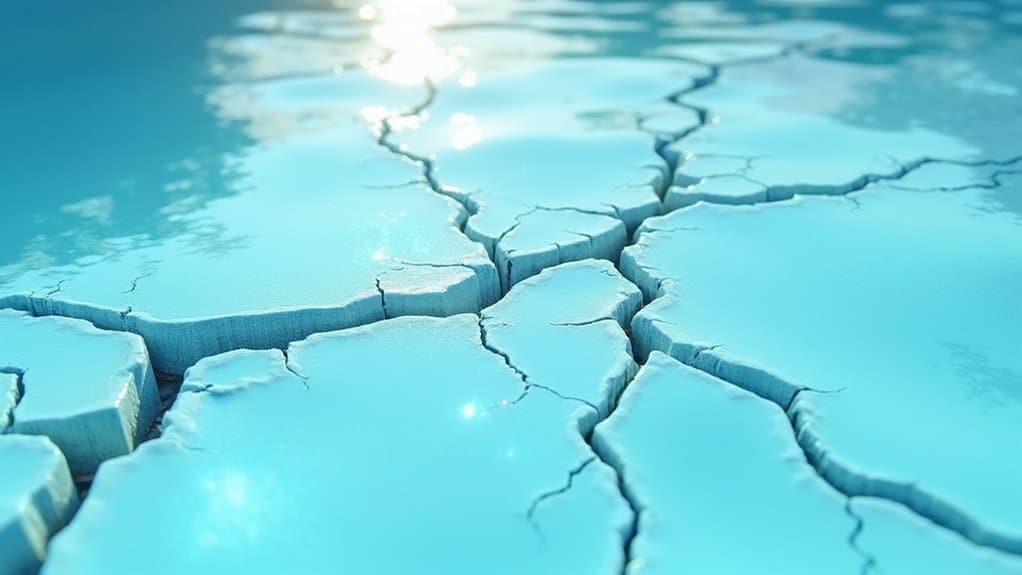
When should you move from DIY repairs to professional intervention? The decision often hinges on knowledge requirements and safety considerations. You’ll need professional help when cracks exhibit structural complexity, require specialized testing, or indicate potential foundation issues.
Call a contractor immediately if you notice spreading crack patterns, cracks wider than 1/8 inch, or multiple cracks forming a network. These issues demand technical expertise in structural engineering and advanced repair techniques. Insurance implications also factor in, as DIY repairs might void coverage or create liability issues.
Professional intervention becomes essential when repairs require specialized equipment, underwater work, or compliance with building codes. You’ll benefit from contractors’ access to high-quality materials, warranty coverage, and ability to coordinate complex repair processes while ensuring all safety standards are met.
Advanced Repair Methods and Technologies
Modern pool repair technologies have revolutionized how structural cracks are addressed, offering sophisticated solutions that surpass traditional patching methods. Today’s crack mitigation procedures incorporate novel application techniques that provide lasting structural integrity while minimizing future damage risks.
- Post-tension torque lock staples distribute pressure evenly across cracks while flexing with natural pool movements
- High-pressure epoxy injection systems guarantee complete crack penetration from front to back
- CrackLock carbon fiber technology delivers superior strength with minimal surface disruption
- Steel and carbon fiber staples create powerful interlocks between pool wall sections
- Hydraulic cement applications form watertight barriers when immediate sealing is needed
You’ll find these advanced methods not only repair existing damage but also strengthen your pool’s comprehensive structure. Each technique offers specific advantages depending on crack type, size, and location, ensuring you’ll get the most effective solution for your pool’s particular issues.
Prevention Strategies for Future Crack Formation
Preventing pool cracks starts with an exhaustive strategy that addresses multiple risk factors before they develop into structural issues. You’ll need to implement all-encompassing soil stabilization measures and robust drainage systems to protect your pool’s foundation. Installing proper structural enhancements during construction, combined with high-quality materials, drastically reduces future crack risks.
Your long term maintenance plans should include regular professional inspections to catch hairline cracks early, before they escalate into major problems. You’ll want to manage your pool’s surrounding environment by controlling vegetation, maintaining proper grading, and monitoring seasonal ground movements. By focusing on professional-grade waterproofing solutions and strategic landscaping choices, you’re creating multiple layers of protection against the most common causes of pool structural damage.
Cost Comparison: Repairs vs. Pool Replacement
Deciding between pool repairs and full replacement requires a detailed cost-benefit analysis of your specific situation. When evaluating financial cost considerations, you’ll need to examine both immediate expenses and long-term implications. Minor surface repairs typically cost 1-3% of total replacement value, while major structural repairs represent 15-20% of reconstruction costs. Your return on investment analysis should factor in your pool’s duration, current condition, and projected maintenance needs.
- DIY repairs cost $50-500 but require technical expertise and personal labor
- Professional crack repairs range from $500-6,000 depending on severity
- Full pool replacement costs $30,000-80,000 for inground pools
- Emergency repairs cost 50-100% more than planned maintenance
- Repairs exceeding 30-40% of pool value suggest considering replacement
Consider preventive maintenance to extend your pool’s lifespan and maintain property value, as well-maintained pools retain 80-90% of their installation value.
Frequently Asked Questions
Can Swimming Pool Cracks Be Safely Repaired During Winter Months?
Yes, you can repair pool cracks during winter, but you’ll need to carefully control conditions. You should maintain an ideal temperature range of 50-70°F during repairs using temporary enclosures or heating systems. You’ll need to guarantee proper curing time by protecting repair materials from freezing temperatures for at least 24-72 hours. Consider using specialized winter-compatible products like Torque Lock staples or polyurethane injection foam for excellent results in cold conditions.
How Long Should Pool Water Be Drained When Fixing Structural Cracks?
You’ll need to keep your pool drained for 7-14 days minimum when repairing structural cracks, depending on the repair method and water temperature requirements. The draining duration includes time for initial drainage (1-2 days), surface preparation (1-2 days), actual repair work (1-3 days), and critical curing time (5-7 days). Don’t rush the process; proper curing is essential for long-lasting repairs, especially in cooler temperatures below 70°F.
Do Salt Water Pools Develop Cracks Faster Than Traditional Chlorine Pools?
Yes, you’ll find that saltwater pools typically develop cracks faster than traditional chlorine pools. The higher mineral content buildup in saltwater systems accelerates surface deterioration, particularly where water evaporation rates are high. You’re dealing with more aggressive corrosion of concrete and reinforcement materials in saltwater pools, which can lead to premature cracking. The salt’s continuous interaction with pool surfaces creates more stress on structural elements than standard chlorine systems.
Will Crack Repairs Affect My Pool’s Warranty Coverage?
Yes, crack repairs can considerably impact your pool warranty terms. If you don’t use authorized professionals for repairs, you’ll likely void your coverage. Before proceeding with any fixes, you should carefully review your warranty documentation and contact your provider. Repair cost considerations shouldn’t tempt you to attempt DIY solutions, as unauthorized repairs will terminate your warranty protection. Always maintain proper documentation of professional repairs to preserve your coverage.
Can Pool Cracks Resurface in Exactly the Same Spots After Repair?
Yes, pool cracks can definitely resurface in the same spots after repairs, particularly when underlying structural integrity concerns aren’t properly addressed. If you’ve only had surface-level repairs done, persistent crack formation may occur in identical locations due to continued stress on vulnerable areas. You’ll need extensive structural repairs like epoxy injection or stitching methods to prevent recurrence. Simple patch jobs often fail since they don’t resolve the root structural weaknesses.