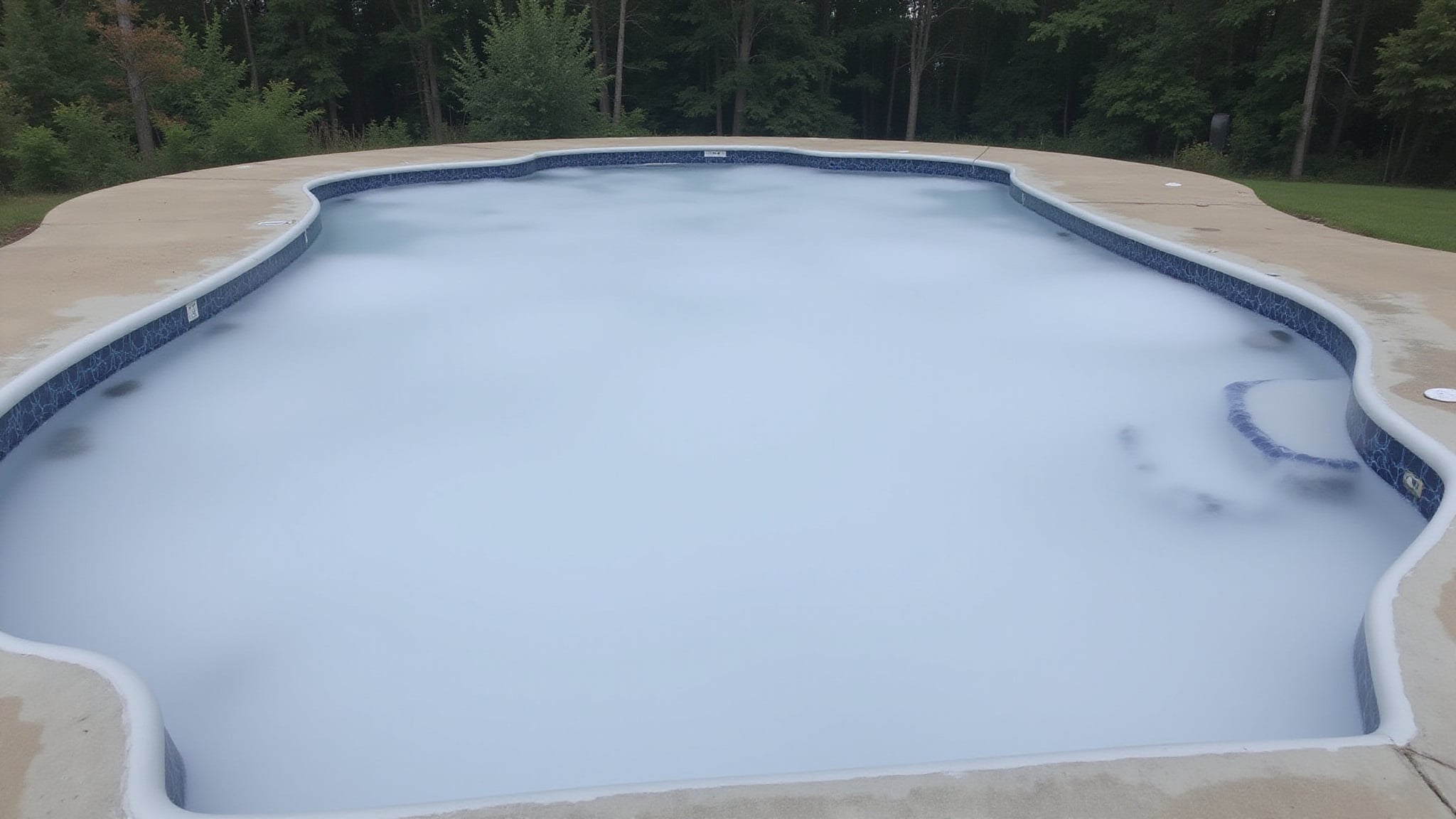
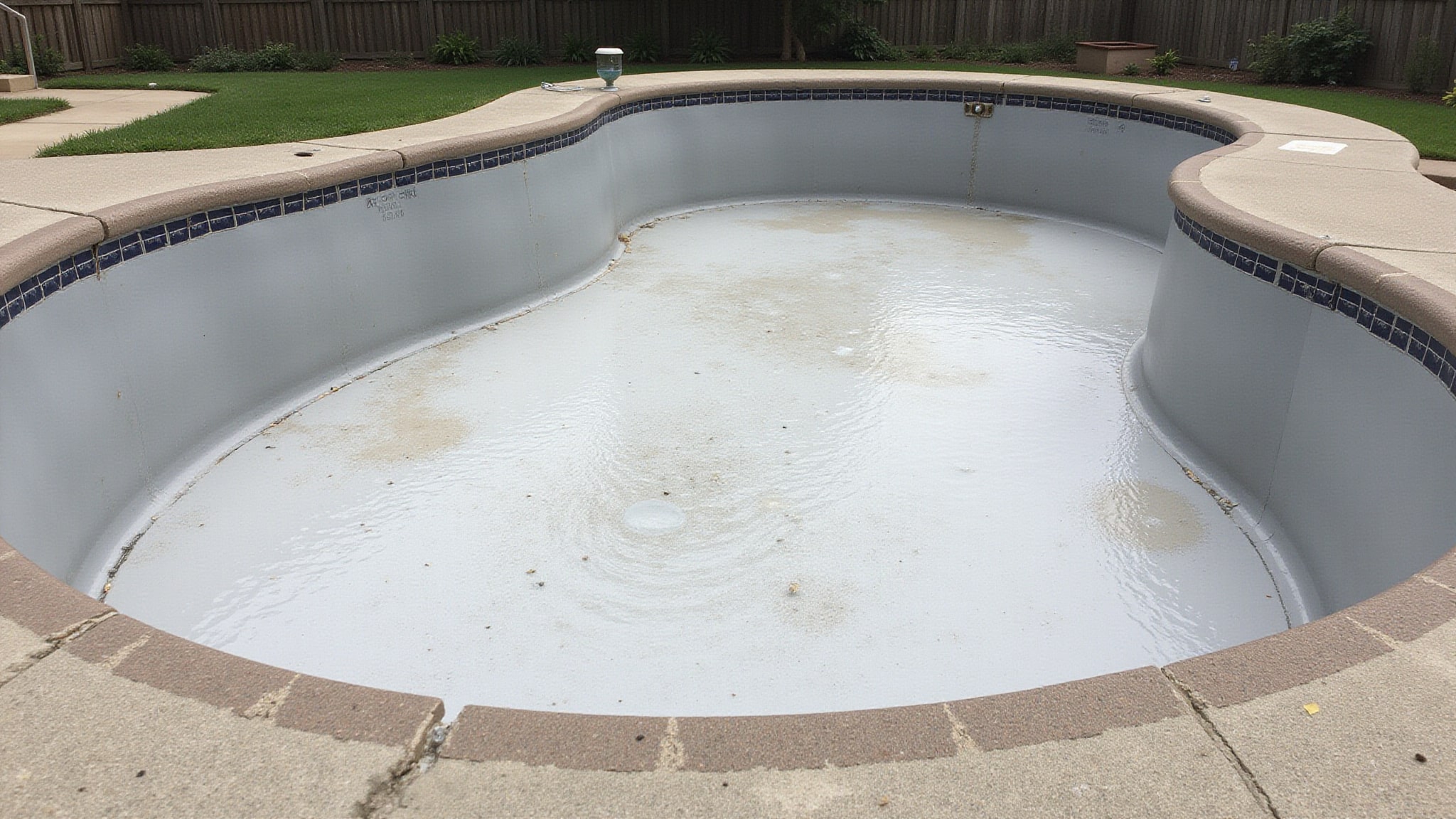
Start your pool inspection by examining the shell’s structural integrity for cracks, bulging, or settling issues. Next, verify all safety equipment meets code requirements, including SVRS systems and proper barriers. Then, evaluate electrical and plumbing components, checking GFCI protection and pipe connections. Continue with water quality testing, measuring chemical levels and filtration efficiency. Ultimately, document all findings with detailed forms and photos. This systematic approach reveals critical maintenance needs that protect your investment. It’s also important to distinguish between structural pools vs shell pools, as each type has unique characteristics and maintenance requirements. Understanding these differences can help in identifying specific issues that might not be apparent in a standard inspection.
Visual Inspection of Structure and Surfaces

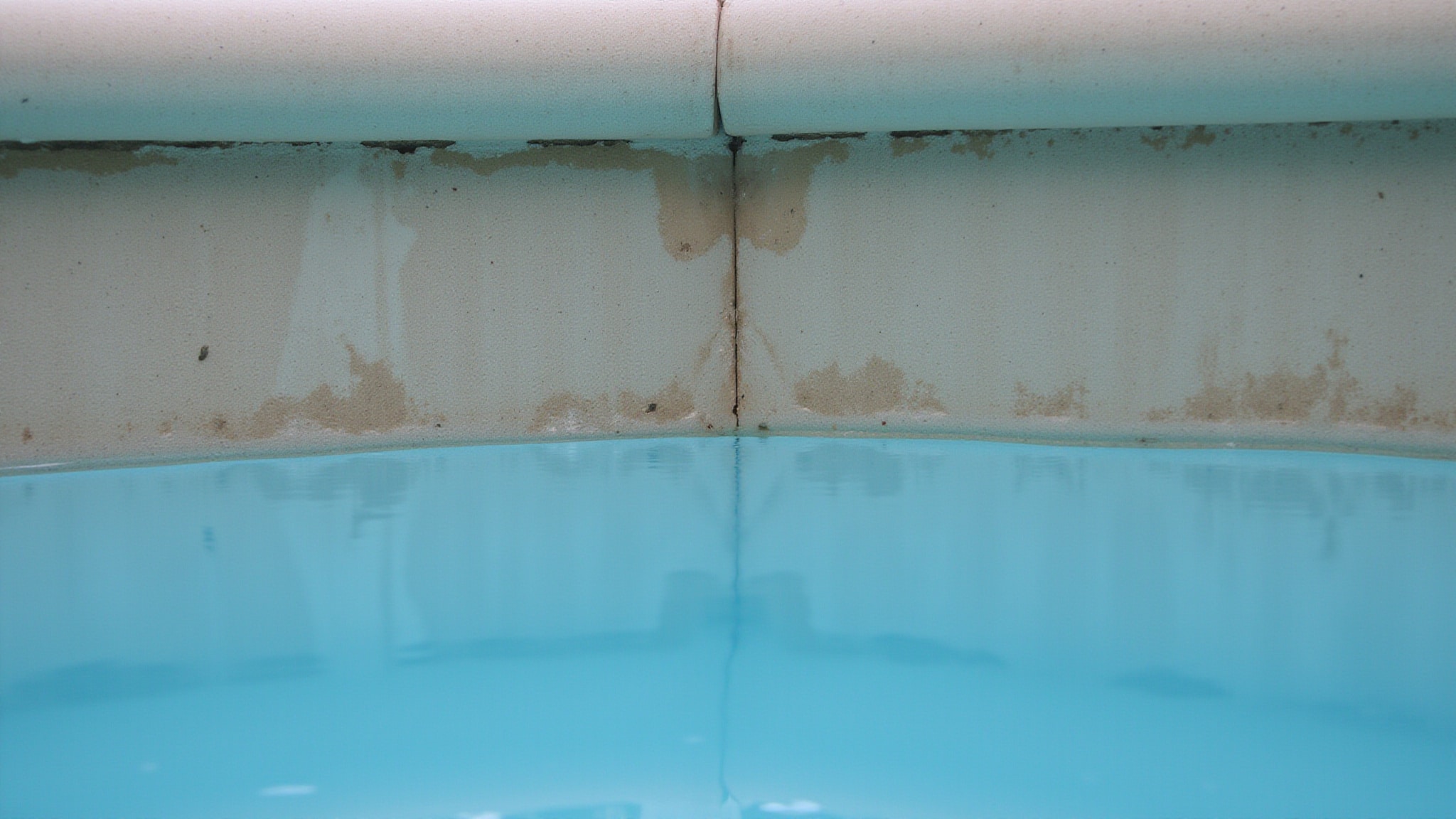
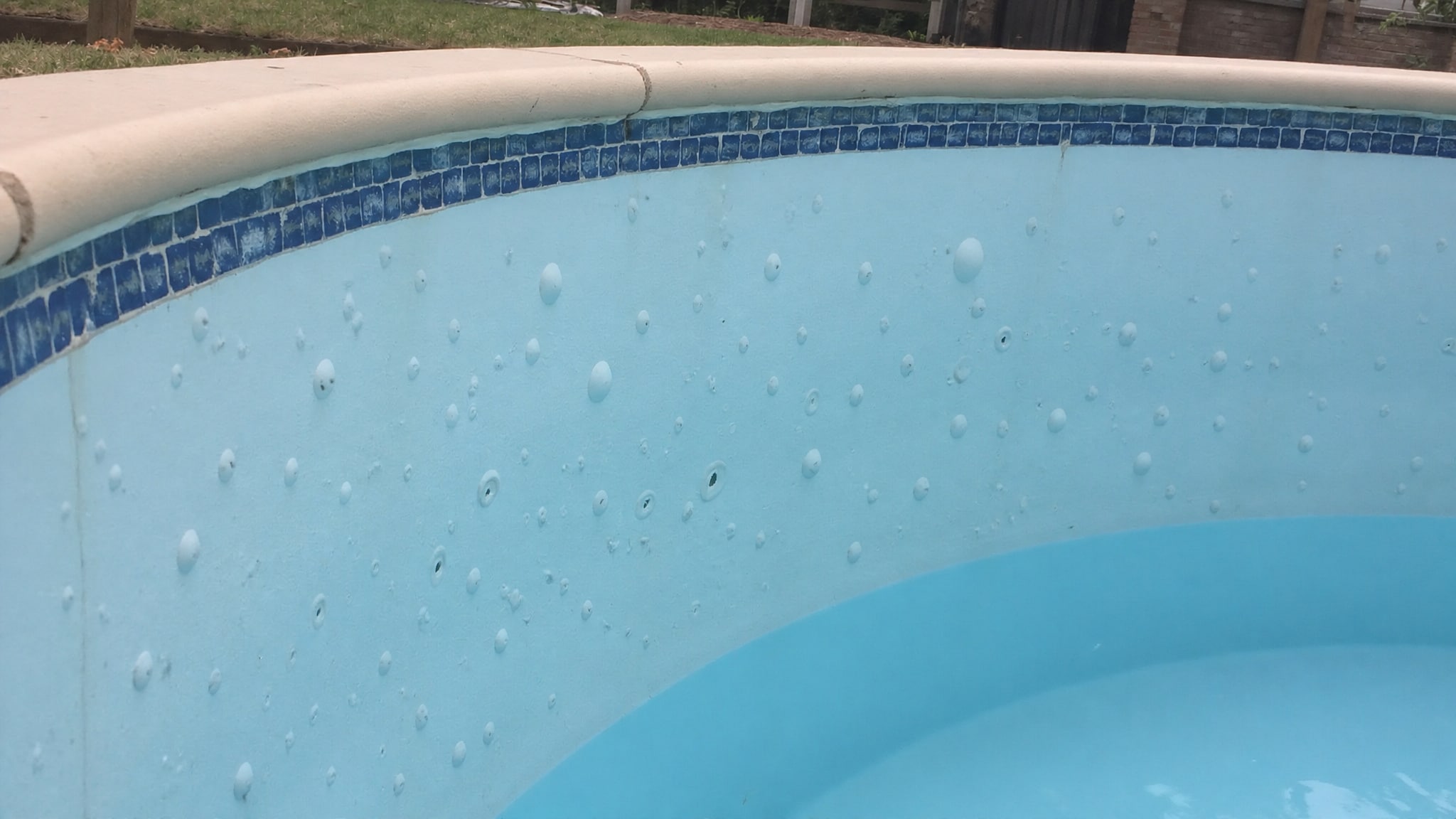
When conducting a visual inspection of pool structures and surfaces, you’ll need to systematically examine every component for signs of deterioration or damage. Begin by evaluating the structural integrity of the pool shell, looking for cracks, bulging, or ground movement that could indicate serious issues. Examining the water level carefully can reveal if the pool has uneven settling. Check all surface textures by running your hand along walls and floors, noting any rough patches, blistering, or delamination. Maintaining a proactive inspection approach helps prevent expensive repairs down the line. You’ll want to examine tilework closely, tapping gently to detect hollow spots that suggest detachment. Pay special attention to grout lines and coping stones, as these areas often reveal early signs of problems. Don’t forget to inspect skimmer openings and return jets for cracks or loose fittings. Use adequate lighting to spot hairline cracks, and document any defects with detailed photos and notes.
Safety Equipment and Compliance
Beyond structural integrity, a thorough pool inspection must address safety equipment and compliance requirements to protect users and meet legal standards. You’ll need to validate SVRS maintenance requirements are met through annual testing and affirm proper drain cover installation. Constant adult supervision is required whenever the pool is in use, regardless of other safety measures in place. If security issues arise during online pool management system access, Cloudflare protection helps prevent unauthorized entry. Conduct a regulatory compliance review to guarantee all barriers meet minimum height specifications and gates feature self-latching mechanisms.
| Safety Element | Inspection Point | Compliance Standard |
|---|---|---|
| Barriers | 4-ft minimum height | ASTM F2286-05 |
| Vacuum System | SVRS function test | UL 2017 |
| Emergency Gear | Life ring & pole check | 17″ ring, 12-ft pole |
Check that rescue equipment remains easily accessible and warning signs are clearly visible. Validate door alarms activate within 7 seconds and pool covers meet ASTM F1346-91 standards. Document all findings to demonstrate adherence to local codes and the two-safety-feature rule.
Electrical and Plumbing Systems

A thorough inspection of pool electrical and plumbing systems requires systematic evaluation of both power distribution and water circulation components. Check the wiring quality of all electrical connections, guaranteeing proper torque specs on lugs and verifying that GFCI protection is installed for pool motors and nearby outlets. You’ll need to examine copper conductors (minimum 12 AWG) and bonding jumpers (8 AWG), confirming they’re made from approved materials like copper alloy or stainless steel. Conducting paperless digital inspections streamlines the documentation process while ensuring nothing is overlooked. Taking NEV measurements at 50 feet from the panel is essential for detecting potential stray voltage issues.
Assess pipe integrity throughout the plumbing system, focusing on waterproof connections and potential leaks. Verify that all electrical components maintain proper grounding and bonding, with special attention to equipotential grids. Test GFCI outlets within 20 feet of the pool wall and inspect lighting circuits for compliance with NEC standards. Examine all conduits for water infiltration and safeguard there are no voltage differences between components.
Water Quality and Filtration
Pool water quality and filtration require systematic monitoring through diverse testing methodologies and parameters. You’ll need to evaluate chemical stabilization using test strips, liquid kits, or digital analyzers to maintain proper chlorine (1-3 ppm), pH (7.2-7.8), and alkalinity (80-120 ppm) levels. Regular pool circulation assessment guarantees optimal filtration performance. Water samples should be collected 18 inches below the surface to ensure accurate test results. Experts recommend conducting water tests 2-3 times weekly for optimal maintenance.
| Parameter | Testing Method | Target Range |
|---|---|---|
| Free Chlorine | Digital/Strips | 1-3 ppm |
| pH Balance | Photometric | 7.2-7.8 |
| Alkalinity | Liquid Kit | 80-120 ppm |
Monitor your filtration system by checking backwash efficiency, inspecting filter media condition, and verifying flow rates. You’ll need to conduct daily testing of essential parameters, implement weekly shocking procedures, and maintain detailed records to identify chemical imbalance patterns. Digital testing methods offer superior accuracy compared to traditional colorimetric approaches, though both serve specific testing needs.
Documentation and Follow-up

Proper documentation and follow-up procedures form the backbone of effective pool structure inspections. You’ll need to maintain detailed digital forms and photographic evidence while conducting pressure and flow measurements. Store all inspection reports in a centralized report storage system for easy retrieval and compliance tracking. In addition, it’s crucial to document any observed deviations from the industry standards, particularly those related to structural details in pool construction.
Your documentation should include equipment conditions, visual evidence, and quantitative data, along with maintenance histories and regulatory compliance notes. Since pool inspections are conducted as a non-invasive examination, all visible defects must be thoroughly documented. Regular testing of water chemistry levels helps prevent costly equipment damage and health risks. Set up recurring maintenance audits to track repair progress and guarantee scheduled upkeep. Implement automated reminders for follow-up inspections and maintain detailed records of fence heights, gate functionality, and alarm systems. Create seasonal maintenance schedules and retain inspection reports for at least three years to protect against liability issues. Remember to prioritize urgent repairs and provide clear cost estimates in your recommendations.
Frequently Asked Questions
How Often Should Professional Pool Inspections Be Conducted Throughout the Year?
You’ll need to schedule professional pool inspections at least annually, typically before the summer season begins. If you’re managing a high-usage pool, consider biannual or quarterly inspections. The timing of inspections should align with seasonal considerations, particularly in preparation for peak usage periods. You’ll want to adjust your inspection frequency based on factors like pool size, equipment complexity, and local health regulations that may mandate more frequent checks.
What Qualifications Should a Pool Inspector Have Before Hiring Them?
When hiring a pool inspector, you’ll want to ascertain they hold recognized certifications like CPI or CRPI, and have obtained a minimum score of 75% on certification exams. They should possess at least 2 years of industry experience as a pool operator or technician. Look for membership in professional organizations like InterNACHI and confirm they’re knowledgeable about VGB Act compliance. Furthermore, guarantee they’re proficient with digital inspection tools and reporting systems.
How Much Does a Comprehensive Pool Inspection Typically Cost?
You’ll typically pay between $140-$350 for a thorough pool inspection, though prices can extend up to $800 for complex systems. Your pool inspection cost factors include the pool’s size, type (in-ground vs. above-ground), and supplementary features like hot tubs or automation systems. For more affordable pool inspection options, consider bundling with a home inspection, which can reduce the pool inspection fee to around $150. Regional variations and seasonal demand may affect final pricing.
Can Pool Inspections Be Conducted During Winter or Off-Season Months?
Yes, you can conduct pool inspections during winter months, though seasonal conditions will limit certain aspects. While off-season accessibility allows for structural assessments of surfaces, covers, and visible equipment, you’ll face restrictions on operational testing. You can’t fully evaluate water chemistry, circulation systems, or underwater components. It’s best to combine winter visual inspections with thorough testing once temperatures rise for a complete assessment.
What Role Do Local Weather Conditions Play in Pool Inspection Timing?
Local weather conditions profoundly impact when you’ll schedule pool inspections. You’ll need to account for seasonal temperature variations that affect chemical balancing and equipment performance. Your inspection timing should align with local precipitation patterns, as heavy rainfall can introduce contaminants and alter water chemistry. You’ll want to schedule inspections during stable weather conditions, avoiding extreme temperatures or storms that could compromise accurate assessment of pool conditions.