
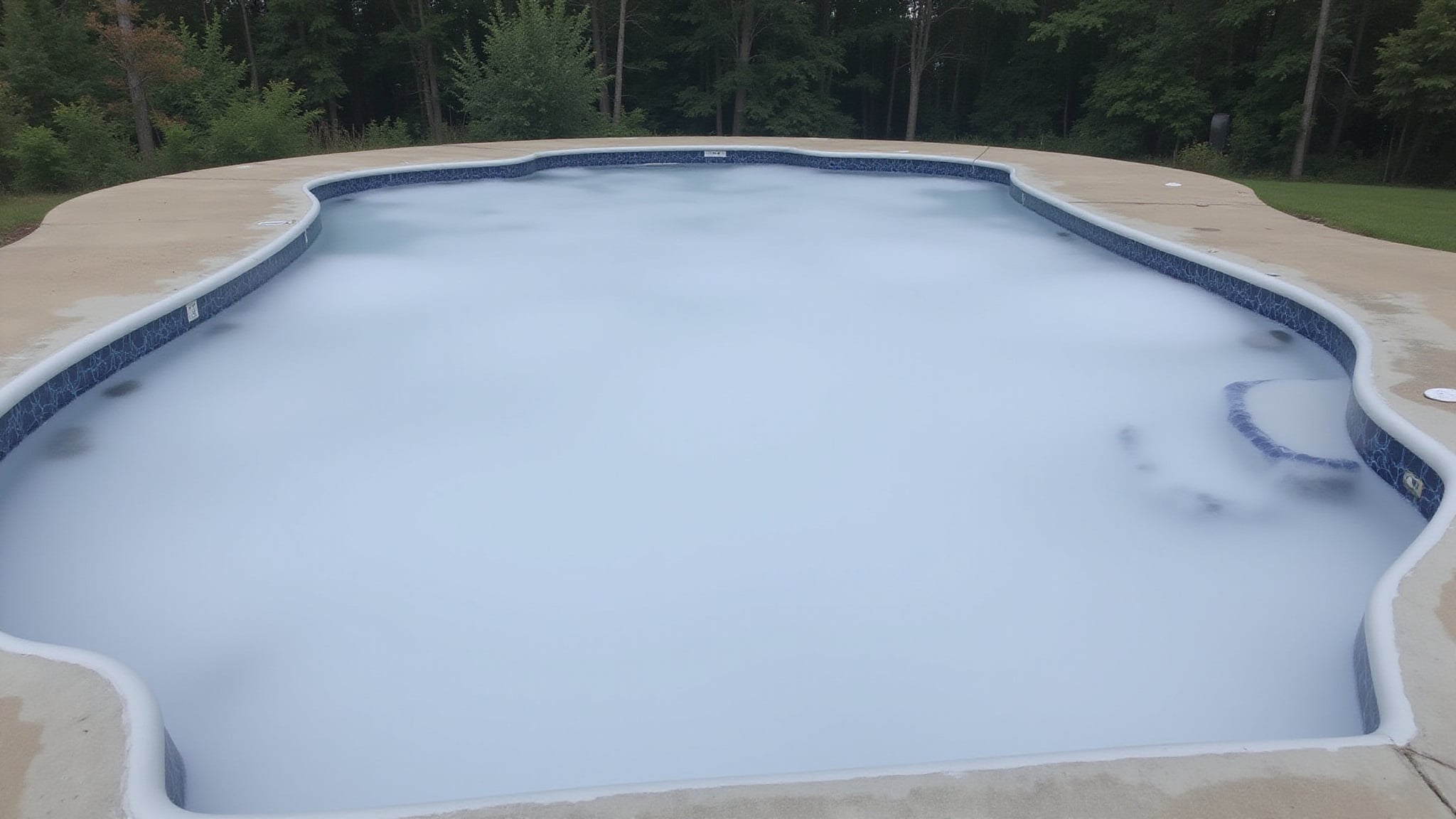
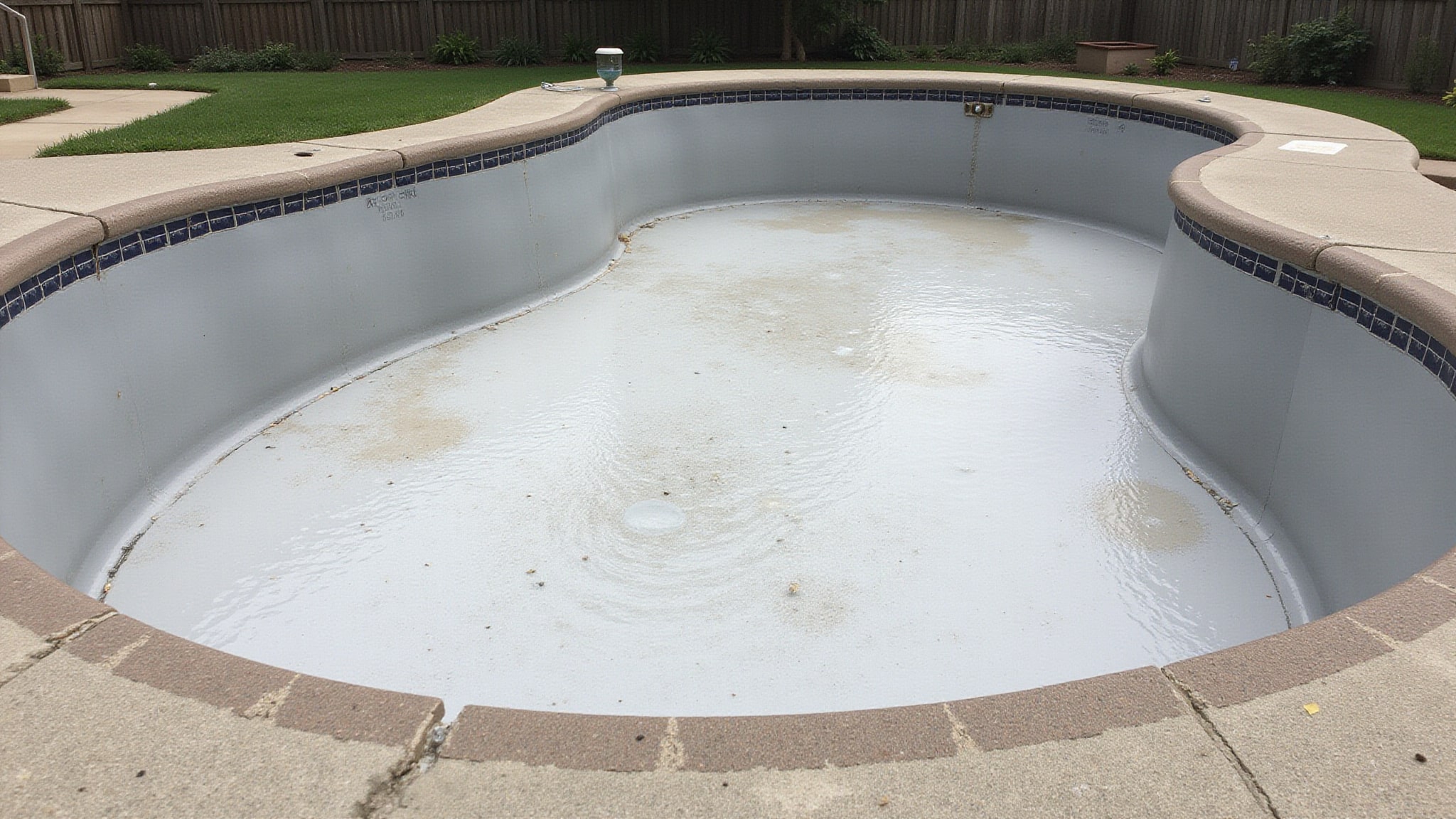
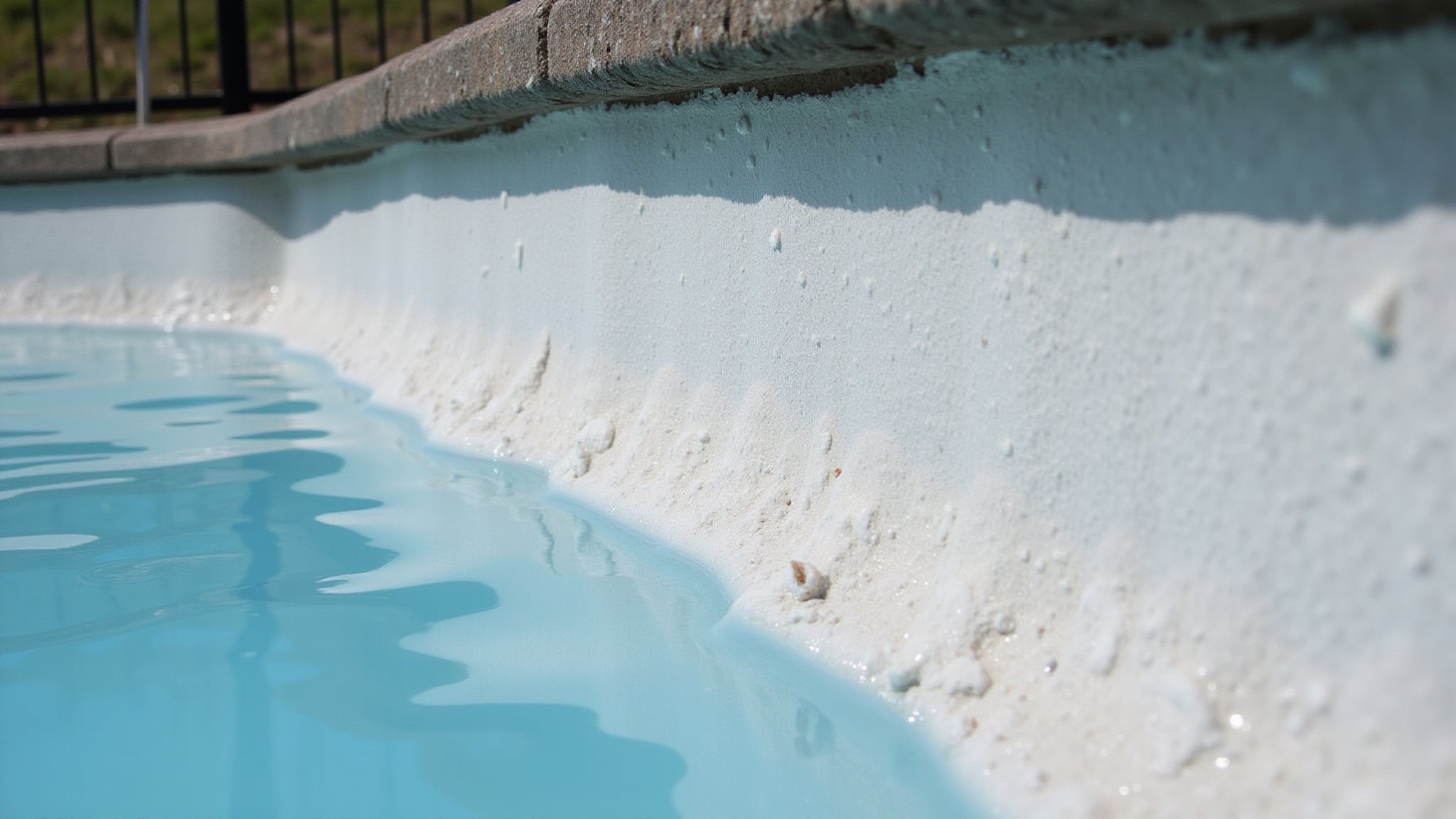
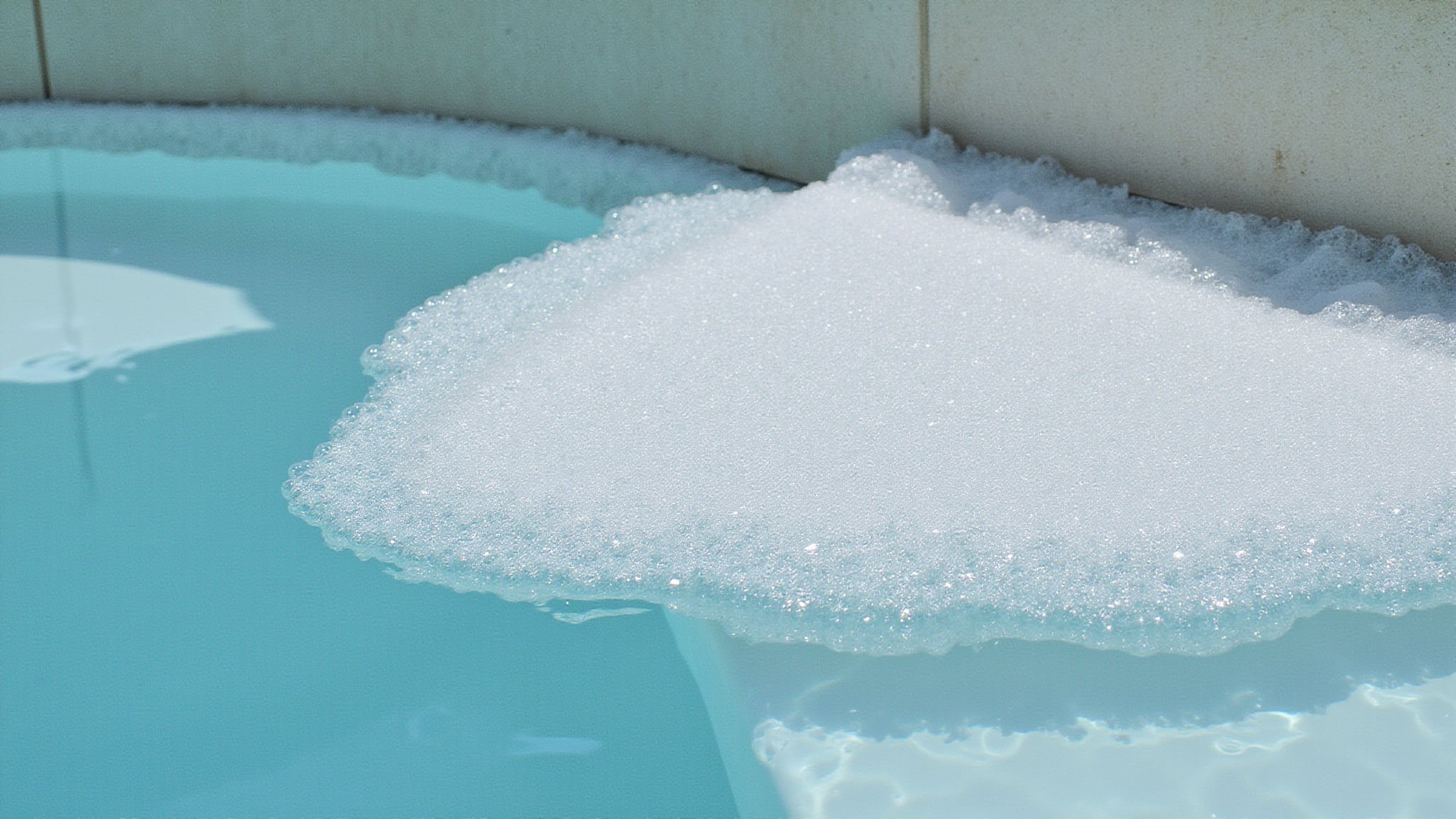
Use pool flocculant when your pool has severe cloudiness, large amounts of dead algae, or fine debris that the filter cannot remove effectively. Flocculant binds small suspended particles together into heavier clumps that sink to the pool floor so they can be vacuumed to waste. It is generally better suited for serious water clarity problems than mild cloudiness, where a pool clarifier may be enough. Always check your filter type and product instructions before use, since flocculant may not be suitable for some filtration systems.
Why Your Pool Filter Can’t Fix Severe Cloudiness
Clogged or undersized filters compound the problem. High filter pressure indicates internal packing that blocks proper water flow, while poor circulation creates dead spots where debris accumulates. Your cloudy pool solution depends on understanding these limitations. Insufficient filtration time also prevents your system from processing enough water to make a noticeable difference in clarity. Issues like channeling, torn cartridges, or broken grids further compromise your filter’s ability to screen out particles effectively. A clogged filter also forces your pump to work harder, resulting in higher electricity costs and potential motor damage from excessive heat buildup.
This is where flocculant timing becomes critical in your pool treatment decisions. Knowing when to use flocculant means recognizing that severe cloudiness requires particle aggregation, clumping tiny particles into larger masses your filter can actually trap or your vacuum can remove. This is also the time to consider using pool flocculant checkers to measure the effectiveness of your flocculant treatment. These tools can help you track the water clarity and the presence of suspended particles, ensuring that your pool remains inviting and clean. By correlating these measurements with your flocculant application, you can optimize your maintenance routine for better overall pool health.
Which Filters Work With Flocculant (And Which Don’t)
How effectively flocculant works in your pool depends entirely on your filter type, and using the wrong combination can damage your equipment. Understanding how to use flocculant in a pool is crucial for maintaining clear water. Before adding the flocculant, ensure your pool’s chemical balance is optimal, as this can enhance the effectiveness of the treatment. After application, allow the flocculant time to work before running the filter to prevent clogging and ensure optimal filtration. Knowing how to use pool flocculant can greatly enhance water clarity and overall cleanliness. Follow the manufacturer’s instructions on dosage to avoid overdosing, which can cloud the water instead of clearing it.
Your filter type determines whether flocculant helps or harms, choose the wrong pairing and you risk equipment damage.
Sand filters handle flocculant best. After vacuuming settled debris to waste, backwash thoroughly to clear contaminants. You can even recharge with flocculant as a filter aid to boost efficiency. For pools between 10,000, 35,000 gallons, pre-dissolve 0.5, 1.0 pound in a bucket of water before pouring slowly into the skimmer.
DE filters require strict precautions. Always vacuum to waste rather than through the filter to prevent clogging. Clean your filter according to manufacturer instructions before application.
Cartridge filters aren’t compatible with flocculant. The fine, settled material clogs cartridges quickly, causing potential damage. If you must use flocculant, remove cartridges completely and vacuum exclusively to waste. For routine cloudiness with cartridge systems, clarifiers offer a safer alternative since they work with the filter rather than requiring particles to settle.
Regardless of filter type, turn off circulation for 8-12 hours post-application to allow complete settling. Be careful with dosing, as using too much flocculant can actually hinder the clarifying process rather than improve results.
When Pool Flocculant Beats Shocking or Clarifiers
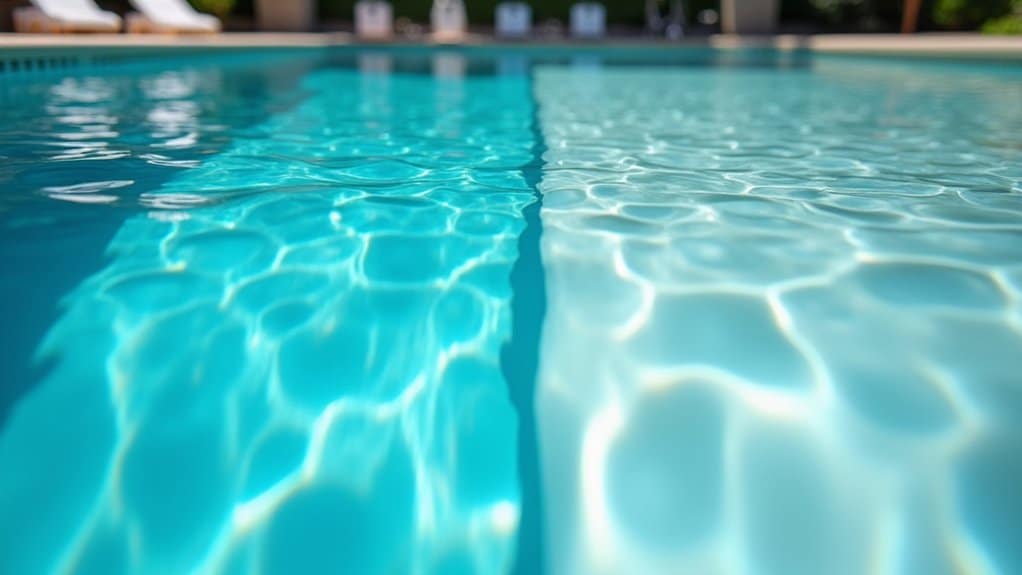
When storms dump debris into your pool or dead algae leaves water resembling pea soup, you need a solution that works in hours, not days. Flocculant outperforms shocking alone because it binds suspended particles into heavy clumps that sink to the floor for vacuuming, while shock only kills contaminants without removing the resulting cloudiness. For severe algae problems causing green pool water, cal-hypo shock provides the most powerful treatment option with 65% to 75% chlorine concentration. Shock treatments work by oxidizing organic matter and destroying chloramines, the waste products created when regular chlorine breaks down contaminants. You’ll find clarifiers fall short in these scenarios since they require days of filter circulation, time you don’t have when facing severe post-storm turbidity or thick algae residue. After the flocculant settles debris to the bottom, you must vacuum the settled particles directly to waste rather than through your filter to completely remove the contamination.
Post-Storm Cloudiness Solutions
Heavy storms dump debris, dirt, and organic matter into your pool within hours, creating severe cloudiness that standard treatments can’t resolve quickly. Flocculant excels here because it clumps particles too light to settle naturally, dropping them to the floor within hours rather than days. Unlike clarifiers that rely on filtration, flocculant requires manual vacuuming of sediment directly from the pool floor.
Heavy storms can dump debris, dirt, and organic matter into your pool within hours, creating severe cloudiness that standard treatments may not clear quickly. In the flocculant vs clarifier for pool comparison, flocculant is often better for heavily contaminated water because it clumps fine particles together and causes them to settle on the pool floor within hours. Unlike clarifiers, which rely on filtration, flocculant requires manual vacuuming to remove the settled debris and storm-introduced contaminants.
| Treatment | Post-Storm Effectiveness |
|---|---|
| Flocculant | Clears severe cloudiness in hours |
| Clarifier | Best for mild cloudiness only |
| Shocking | Targets organics, leaves inorganic debris |
| Combination | Shock first, then flocculant for stubborn particles |
You’ll need a sand or DE filter with a waste setting, cartridge filters can’t handle flocculant residue. Balance your pH to 7.0-7.4 and chlorine to 1-3 PPM before application. Expect water loss from vacuuming to waste, but the speed advantage justifies the tradeoff. Before applying flocculant, switch your filter to recirculate mode to bypass the filter system entirely. Using flocculant also means you’ll need to replace water and dilute key chemicals after the treatment process is complete.
Dead Algae Removal Speed
Why does your pool stay cloudy for days after you’ve shocked an algae bloom? Shocking kills algae by destroying cell walls, but it leaves dead particles suspended throughout your water. Without intervention, you’re stuck running your filter for days waiting for clarity.
Flocculant solves this problem within 24-48 hours. After you’ve shocked your pool to 10-20 ppm chlorine, add flocculant and turn off your pump. The chemical binds dead algae into heavy clumps that sink overnight. The next morning, you’ll vacuum the settled debris directly to waste, bypassing your filter entirely. This approach also prevents clogging of pool filters that can occur when processing large amounts of dead algae particles. For best results, leave the product overnight before beginning the vacuuming process.
Clarifiers can’t match this speed for heavy algae loads. They require 24+ hours of continuous filtration and often overwhelm cartridge systems. Flocculant delivers crystal-clear results faster because it removes debris rather than recirculating it. Chitosan-based clarifiers work best when used after flocculant treatment to polish any remaining particles from the water.
How to Apply Pool Flocculant Step by Step
How effectively pool flocculant clears your water depends entirely on proper application technique. Before starting, raise your water level to its highest point and balance pH between 7.4-7.6 for ideal floc performance. Knowing how much flocculant to use is crucial for achieving the desired clarity in your pool. Too little may not effectively gather debris, while using too much could lead to murky water.
Proper preparation is everything, get your water level and pH right before adding flocculant for crystal-clear results.
Follow these four critical steps:
- Dilution and addition, Mix flocculant in a 5-gallon bucket according to manufacturer directions, then pour around pool edges. Never add directly to the skimmer.
- Circulation, Set your pump to recirculate mode and run for 2 hours to distribute the product evenly throughout the water.
- Settling, Turn off the pump and let particles coagulate undisturbed for 8-12 hours. Evening application allows overnight settling. During this phase, the flocculant binds together microscopic debris like bacteria, algae spores, and other particles too small to filter normally, making them heavy enough to sink.
- Vacuuming, Set your filter valve to waste, then vacuum the bottom slowly to avoid disturbing settled debris. Refill and rebalance chemistry afterward.
When a Clarifier Works Better Than Flocculant
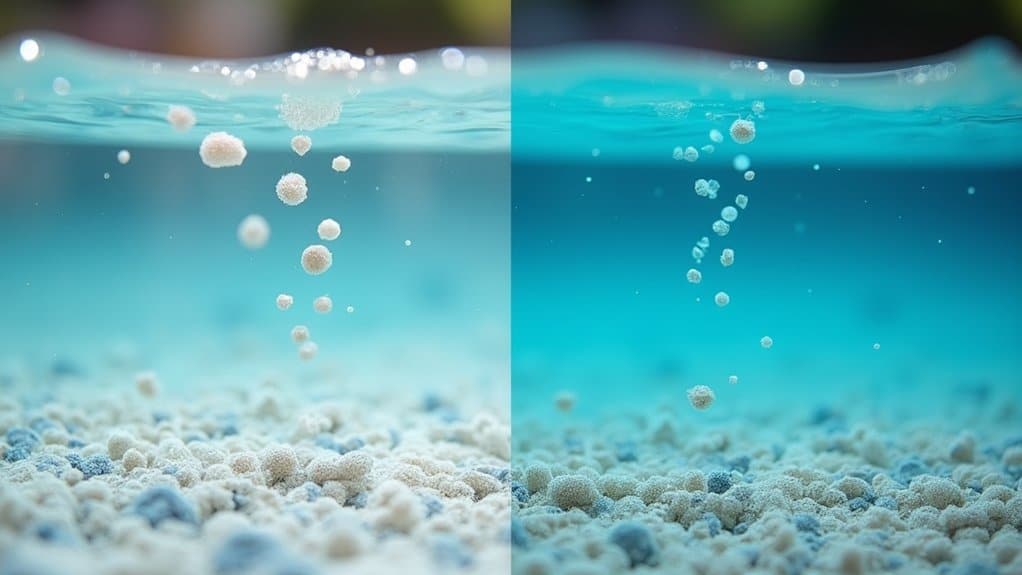
While flocculant delivers rapid results for severe cloudiness, you’ll find clarifier is often the smarter choice for everyday situations. Clarifier works better when you’re dealing with mild cloudiness, using a DE or cartridge filter without a waste setting, or simply want to avoid the manual vacuuming process. Understanding these scenarios helps you select the right product without overcomplicating your maintenance routine.
Mild Cloudiness Situations
When your pool shows only a slight haze or minor cloudiness, a clarifier delivers better results than flocculant without the extra labor. Clarifiers bind small particles together, making them large enough for your filter to capture during normal operation.
Flocculant is overkill for mild cloudiness. You’ll waste time vacuuming settled clumps when your filter could handle the job automatically.
Why clarifiers work better for light cloudiness:
- They require no manual vacuuming or waste-setting adjustments
- They work with any filter type without extra steps
- They allow continuous pump operation, avoiding downtime
- They resolve minor haze within days through standard filtration
Reserve flocculant for severe cloudiness or post-algae treatment. For slight haze, balanced chemistry combined with a clarifier clears your water efficiently without unnecessary effort.
DE Filter Compatibility
Why does your filter type determine which clearing agent works best? Your D.E. filter’s design makes flocculant impractical. Flocculants create heavy masses that sink to the pool floor, they won’t pass through D.E. media for capture. Unlike sand filters, D.E. systems lack a “Waste” setting for vacuuming settled debris directly out. Cleaning pool filter maintenance is essential for keeping your water clear and inviting. Regularly replacing or cleaning the filters helps improve circulation and efficiency.
Clarifiers offer the better solution. They bind particles into micro-clumps that remain suspended in water, allowing your D.E. powder coating to trap them during normal circulation. Within 24 hours, your filter captures these enhanced particles through standard operation.
Choose clarifiers for mild to moderate cloudiness in your D.E. system. You’ll avoid labor-intensive floor vacuuming and maintain filter efficiency. Simply run your pump continuously and backwash once clarity returns.
Less Labor-Intensive Option
Most pool cloudiness doesn’t require the heavy-duty approach that flocculant demands. Clarifiers handle routine murkiness effectively while keeping your pool operational. They bond microscopic particles into filterable clusters over 24-48 hours, no shutdown needed.
Why clarifiers suit most situations:
- Minimal labor, just run your filter for 24 hours and backwash once
- No vacuuming required, particles exit through normal filtration
- Filter-safe, compatible with cartridge, DE, and sand systems without clogging risks
- Pool stays usable, circulation continues throughout the clearing process
Reserve flocculant for severe cloudiness or stubborn post-algae haze that clarifiers can’t resolve. For slightly murky water after heavy swimmer loads or seasonal opening, clarifiers deliver results without the intensive cleanup. Choose the tool that matches your actual problem.
Pool Flocculant Not Working? Check These Mistakes
Have you added flocculant only to find your pool still cloudy hours later? Several common mistakes prevent effective results.
If algae caused your cloudiness, you must shock the pool first. Flocculant can’t remove living algae, it only aggregates dead cells post-shock. Wait until chlorine kills all algae before applying flocculant.
Insufficient settling time ranks among the most frequent errors. Keep your pump off for 8-24 hours to allow particles to coagulate and sink. Premature pump reactivation redistributes unsettled debris.
Water chemistry imbalances also undermine flocculant performance. Balance pH to 7.0-7.6 before application, since high alkalinity causes cloudiness flocculant can’t address.
Incorrect dosing creates problems too, over-flocculation suspends fine particles while under-dosing fails to clump debris. Finally, always vacuum to waste, not through your filter.
Frequently Asked Questions
Can I Swim in My Pool Immediately After Adding Flocculant?
No, you can’t swim immediately after adding flocculant. You’ll need to stay out of the pool until the process completes entirely. Turn off your pump and let the flocculant settle overnight, swimming disturbs the settling action and reduces effectiveness. The particles clump and sink to the bottom during this time. Once you’ve vacuumed the debris to waste and rebalanced your water chemistry, you’re safe to swim again.
How Long Does Flocculant Take to Settle Particles to the Bottom?
Flocculant typically takes 8-24 hours to settle particles to the bottom of your pool. You’ll need to circulate the product for 2 hours on recirculate mode, then shut off your pump completely. For best results, apply at dusk and let it work overnight, minimum 8 hours undisturbed. You’ll know it’s ready when you see cloudy sediment on the floor and clearer water above, usually within 24-48 hours total.
Does Pool Flocculant Expire or Lose Effectiveness Over Time?
Yes, pool flocculant does expire and loses effectiveness over time. You’ll typically get 1-3 years from most products, though liquid solutions may only last 3-6 months. Watch for signs of degradation: phase separation, color changes, clumping, or unusual odors. Store your flocculant in a cool, dark place with tight seals to maximize shelf life. Using expired product risks cloudy water, chemical imbalances, and potential damage to your filtration system.
Can I Use Flocculant in My Hot Tub or Spa?
You shouldn’t use standard pool flocculant in your hot tub, it’ll clog heaters and plumbing instantly. Instead, choose spa-specific products like Sirona Protect Plus, Flovil Spa tablets, or NLCT Sea Blue clarifier. These formulations work safely with hot tub systems and all sanitizer types. For dosing, add 2 fluid ounces of Sirona Protect Plus per 250 gallons at initial fill, then 1 ounce weekly for maintenance.
Will Flocculant Affect My Pool’s pH or Chemical Balance?
Yes, flocculant can affect your pool’s pH and chemical balance. Most flocculants work best when pH sits between 7.0 and 7.4, but they’ll alter these levels during treatment. You should measure your pH before adding flocculant and adjust it to around 7.0 initially. Test again several hours after application to catch any shifts. Keep your chlorine balanced at 1-3 PPM alongside proper pH for ideal flocculation results.