
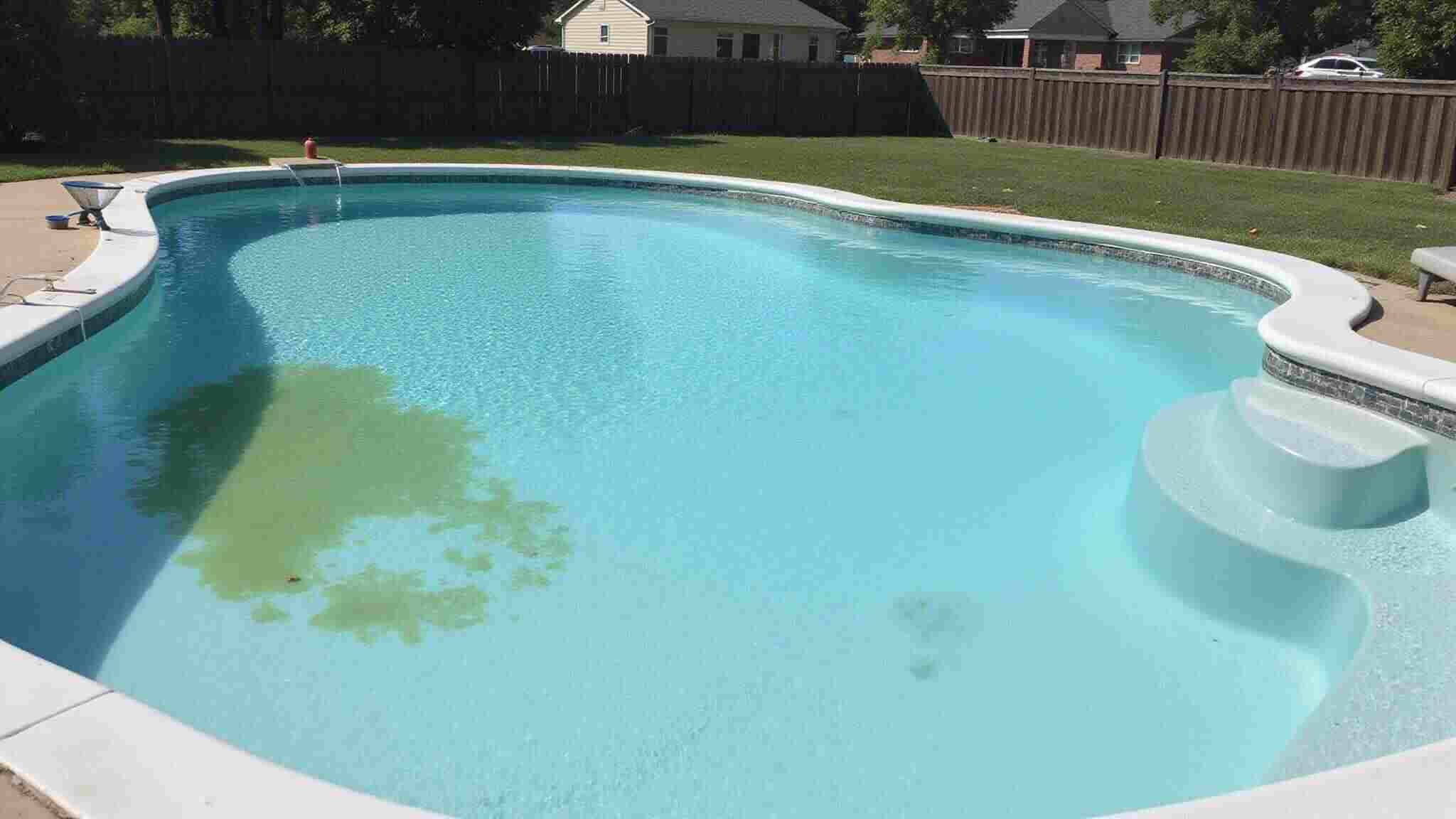
Your fiberglass pool’s gelcoat typically lasts 15 to 30 years before it needs resurfacing, though high-quality shells can stretch to 30, 50 years with consistent care. Poor water chemistry, UV exposure, rough handling, and neglected repairs can shorten that timeline considerably. A renewed gelcoat holds up for another 10 to 15 years when properly maintained. Recognizing the early warning signs and understanding what drives deterioration will help you maximize your pool’s surface life.
How Often Does a Fiberglass Pool Need Resurfacing?
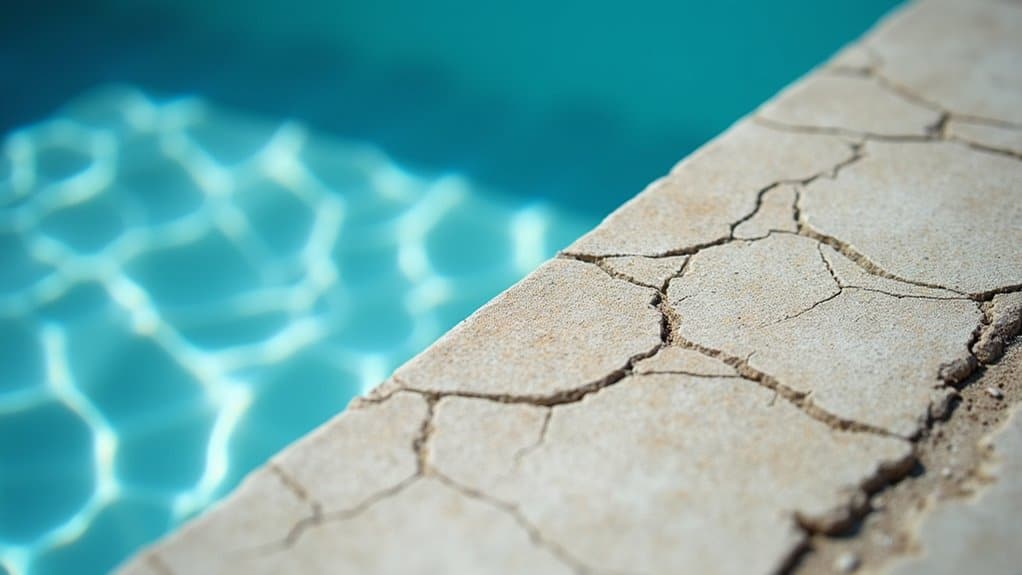
The fiberglass pool gelcoat lifespan typically ranges from 15 to 30 years under favorable conditions. High-quality shells can last 30 to 50 years before requiring major surface restoration. Once you’ve resurfaced, expect the renewed gelcoat to hold up for another 10 to 15 years with consistent care. Commercial pools with heavier traffic will require attention sooner than residential installations. Exposure to harsh weather and UV rays can also accelerate the ageing process, significantly reducing the time between necessary resurfacings.
What Shortens Your Fiberglass Pool’s Surface Life?
Five primary factors accelerate gelcoat degradation on fiberglass pools: poor water chemistry, rough handling, improper installation, neglected repairs, and environmental exposure.
Each factor directly impacts your fiberglass pool surface durability and compresses the gelcoat wear and fading timeline. Neglecting minor repairs can escalate into larger, costly problems that significantly shorten the interval between resurfacing jobs.
These five factors directly shorten your gelcoat’s lifespan and accelerate wear, fading, and surface breakdown over time.
- Poor water chemistry: Unbalanced pH, chlorine, and calcium hardness weaken the gelcoat and promote discoloration.
- Rough handling: Heavy objects, abrasive cleaning tools, and constant use create scratches and spider cracks in the surface coating.
- Improper installation: Unstable foundations and incorrect backfill pressure cause structural shifting, bulging walls, and premature surface imperfections.
- Environmental exposure: UV radiation fades finishes, freeze-thaw cycles crack surfaces, and low water levels leave gelcoat vulnerable to sun damage.
Addressing these factors early prevents accelerated deterioration and extends your resurfacing interval considerably.
Can You Delay Fiberglass Pool Resurfacing?
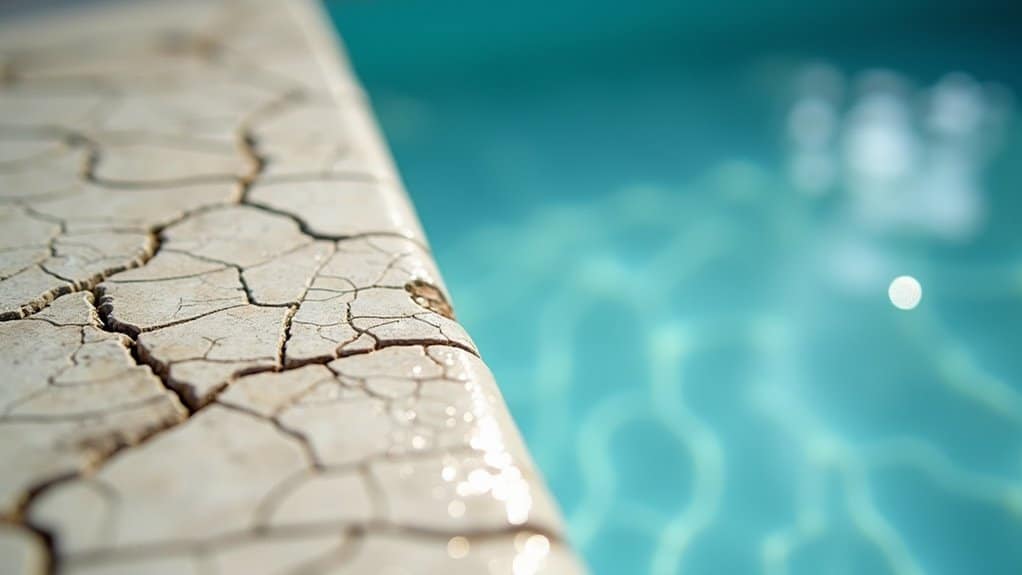
You can often push back fiberglass pool resurfacing by maintaining balanced water chemistry, addressing minor gelcoat damage early, and minimizing UV exposure with covers or shade structures. However, delaying too long once surface deterioration becomes visible risks compromising the protective barrier, which can lead to structural laminate damage and costlier repairs. Delay works best when your pool sees light usage, sits in a shaded environment, and receives consistent professional inspections that confirm the gelcoat remains structurally sound. Since fiberglass pools can last 20-30 years before resurfacing is needed, proactive care gives you significant room to extend that timeline even further.
Proper Maintenance Helps
Because fiberglass pools already demand less upkeep than concrete or vinyl alternatives, consistent maintenance can push resurfacing timelines well beyond the typical 10- to 15-year window.
You can extend your gelcoat’s lifespan by prioritizing these core practices:
- Monitor water chemistry weekly. Fiberglass pool chemical balance maintenance, keeping pH between 7.2 and 7.8 and chlorine at 1, 3 ppm, prevents etching and surface corrosion.
- Clean surfaces routinely. Remove debris and mineral deposits before they embed into the gelcoat.
- Address fiberglass pool surface oxidation early. Chalky residue signals UV degradation, treat it promptly to avoid deeper damage.
- Use UV-resistant covers. Limiting direct sunlight exposure slows resin breakdown considerably.
Regular inspections help you catch fading, roughness, or discoloration before these issues escalate into full resurfacing projects.
Risks Of Delaying
Even with consistent maintenance, there comes a point where resurfacing can’t be postponed without consequences. When you delay beyond your fiberglass pool renovation timeline, cracked gelcoat allows water to penetrate the structural laminate, escalating minor surface wear into foundational failures and leaks.
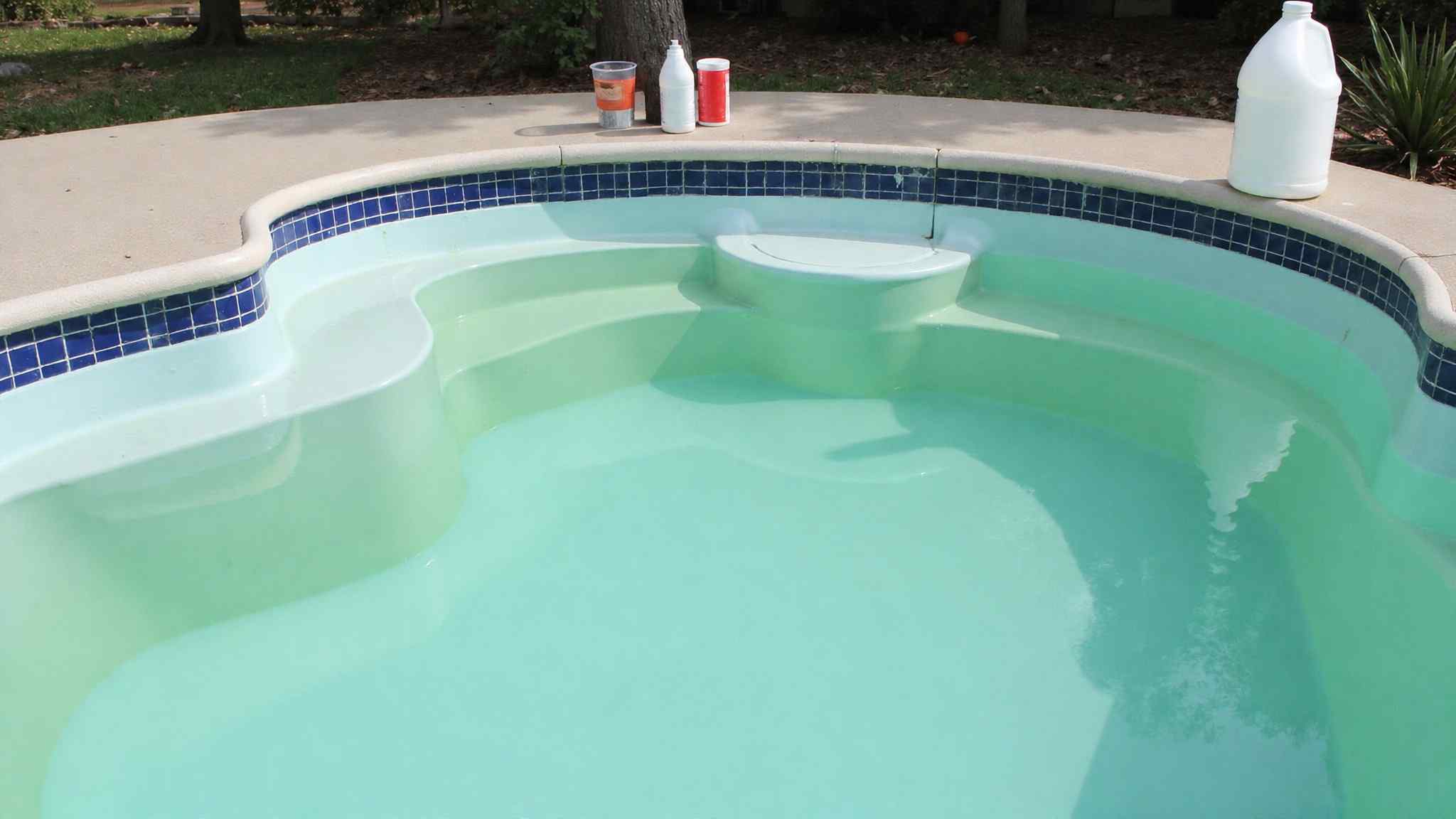
Deteriorating surfaces absorb chemicals faster, increasing your chlorine and acid costs while demanding constant water chemistry adjustments. Rough, porous finishes harbor bacteria and algae, creating health risks and slip hazards for swimmers.
Debris from degrading surfaces clogs pumps, filters, and heaters, forcing equipment to overwork and shortening its lifespan. Your property value also drops as visible damage deters potential buyers.
Proactive fiberglass pool surface protection methods, including timely resurfacing, prevent these compounding issues. Addressing deterioration early keeps repair costs manageable and preserves your pool’s structural integrity long-term.
When Delay Works
Not every fiberglass pool showing minor surface wear actually needs immediate resurfacing. If your pool’s gelcoat remains structurally sound with only cosmetic fading, you can often postpone resurfacing through targeted maintenance interventions.
You can delay resurfacing when these conditions apply:
- Surface oxidation responds to polishing compounds without recurring rapidly
- Water chemistry has remained balanced consistently per your fiberglass pool maintenance schedule
- No blistering, cracking, or delamination exists beneath the gelcoat layer
- A professional inspection confirms the fiberglass pool structural lifespan isn’t compromised
Targeted repairs like spot-coating small areas of wear can extend your timeline by several years. Pools resurfaced within the last decade typically don’t require immediate attention. Prioritize regular professional assessments to distinguish cosmetic aging from structural degradation, ensuring you’re addressing actual needs rather than perceived ones.
How Do You Know Your Fiberglass Pool Needs Resurfacing?
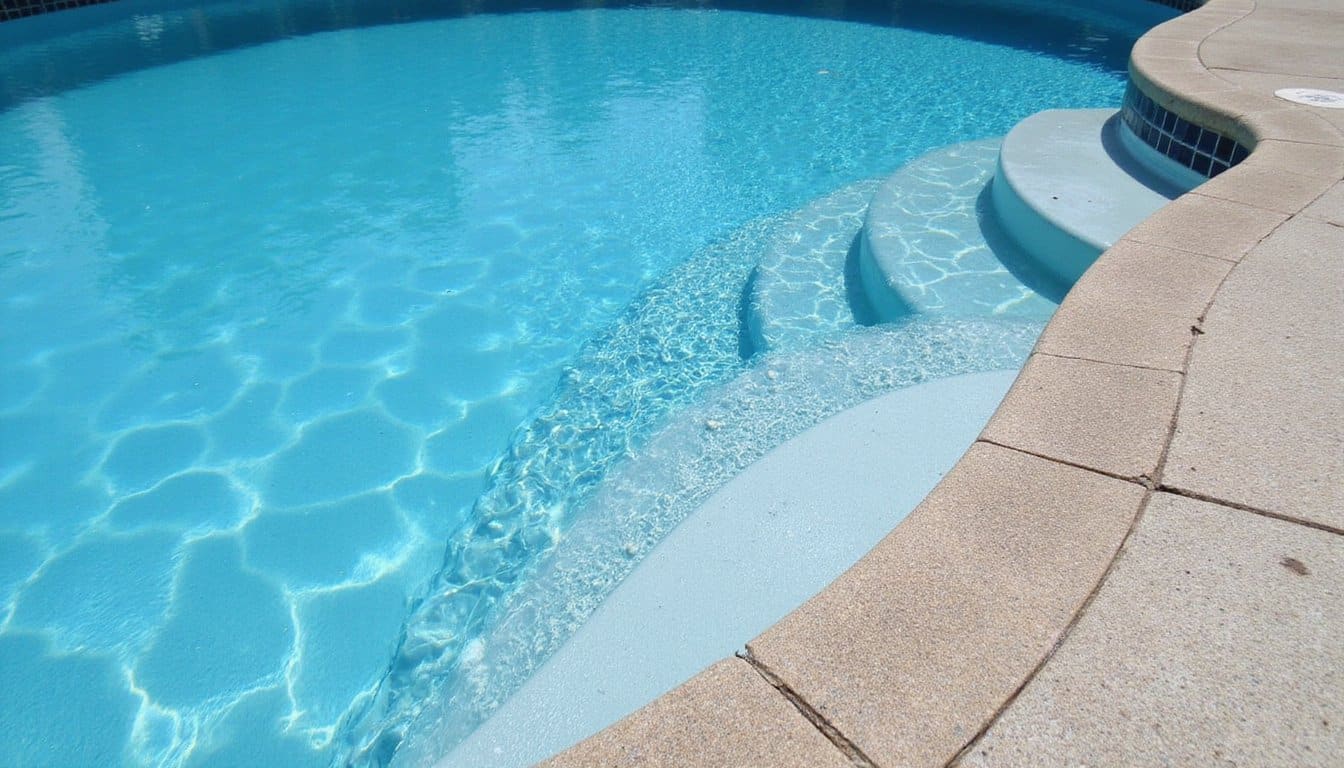
Your fiberglass pool’s gelcoat will show clear warning signs when it’s time to resurface. Visible cracks and blisters indicate structural stress in the gelcoat layer, often caused by temperature fluctuations, manufacturing defects, or impact damage that has compromised the protective barrier. Chalking and rough texture signal UV-driven oxidation and surface degradation, meaning the gelcoat can no longer resist staining, chemical absorption, or algae growth effectively.
Visible Cracks And Blisters
Cracks and blisters on a fiberglass pool’s surface are among the clearest indicators that resurfacing is overdue. Osmosis blisters, often called fiberglass cancer, appear as raised bumps ranging from 3mm to fist-sized and are especially common in pools over 15 years old. When they crack open, they expose black or brown marks and introduce bacteria into your water.
Watch for these warning signs during inspections:
- Spider web-like cracks from gelcoat deterioration under pressure
- Soft spots in the pool floor accompanying surface cracks
- Multiple hairline cracks that worsen in freezing temperatures
- Blisters with high mineral content promoting black plague algae
Understanding your fiberglass pool restoration interval helps you act before damage deepens. Prioritizing fiberglass pool surface blister prevention through balanced chemistry and early detection simplifies repairs considerably.
Chalking And Rough Texture
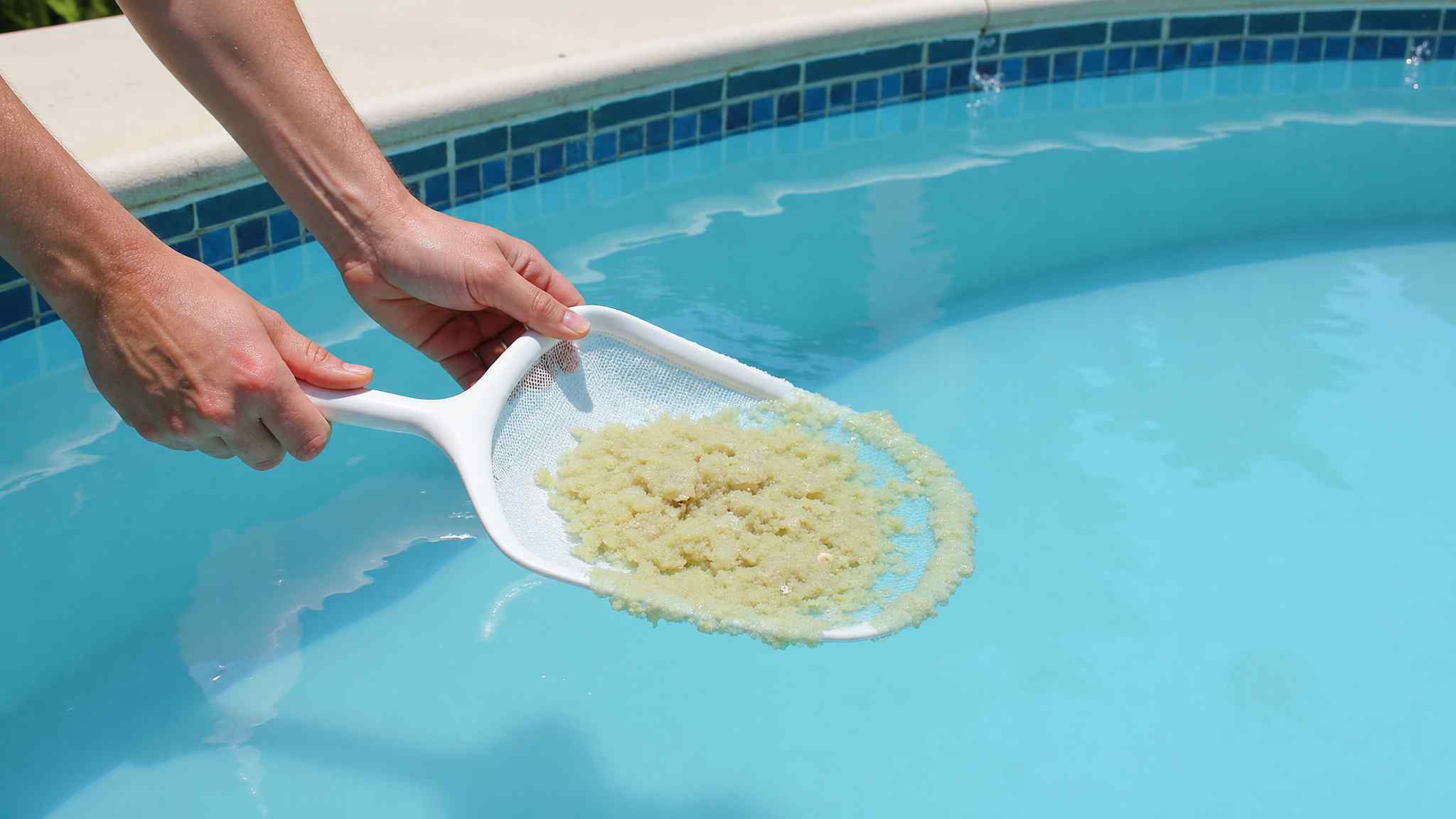
Gradually, the gelcoat on a fiberglass pool breaks down through UV exposure and chemical contact, producing a white, powdery residue known as chalking. You’ll notice faded color, a gritty surface feel, and chalky residue on your hands after touching the walls. Excessive chlorination and imbalanced water chemistry accelerate this oxidation process.
Chalking flakes contaminate pool water, causing cloudiness and posing respiratory and digestive risks if inhaled or swallowed. A consistent fiberglass pool surface polishing routine removes early oxidation before it penetrates deeper layers. You should also maintain proper pool gelcoat protective coating maintenance by balancing pH, chlorine, and calcium hardness levels within recommended ranges. If rubbing the surface produces persistent powdery residue despite cleaning, the gelcoat has deteriorated beyond routine care and requires professional resurfacing.
What Happens During Fiberglass Pool Resurfacing?
Resurfacing a fiberglass pool begins well before any new coating touches the shell. You’ll first drain the pool, check groundwater levels, and assess the surface for cracks, blisters, or delamination. Proper preparation directly impacts fiberglass pool coating longevity. Fiberglass pool resurfacing benefits not only enhance the aesthetic appeal but also improve the structural integrity of the pool. By addressing any underlying issues during the resurfacing process, you can extend the lifespan of your investment.
The core steps include:
- Surface removal: Vapor blasting or sandblasting strips the degraded gelcoat, exposing a clean substrate.
- Damage repair: You’ll grind down blisters, smooth deep cracks, and eliminate contaminants.
- Priming: A bond coat cures for 24, 48 hours, ensuring the new finish adheres securely to corners, steps, and curves.
- Finishing: New gelcoat or resurfacing material goes on in multiple coats, achieving a smooth, protective barrier.
Each phase supports long term fiberglass pool care by restoring structural protection and surface integrity. Steps to fix cracks in pools can be essential for maintaining the durability of your swimming area. Regularly assessing the pool surface not only enhances its appearance but also prevents further damage. Proper repair techniques can significantly extend the life of your pool and ensure a safe environment for swimmers.
How Long Does Fiberglass Pool Resurfacing Take?
Once you’ve mapped out each phase of the resurfacing process, the next question is how long you’ll actually be without your pool. Most fiberglass pool resurfacing projects take 5, 10 days, though complex jobs can extend to two weeks. Your residential fiberglass pool upkeep schedule should account for weather delays and groundwater complications. Resurfacing fiberglass pool slides effectively can also enhance the overall enjoyment of your outdoor space. Ensuring that they are properly maintained will improve both safety and aesthetics.
| Phase | Duration | Key Variables |
|---|---|---|
| Draining | 1, 2 days | Pool size, equipment efficiency |
| Surface Preparation | 1, 3 days | Damage extent, drying requirements |
| Application & Curing | 3, 5 days | Material type, ambient temperature |
Understanding each phase’s timeline helps you plan your fiberglass pool finish maintenance cycle effectively. You’ll want to schedule resurfacing during dry weather to minimize delays and guarantee proper curing.
Why Does Resurfacing Add Years to Your Fiberglass Pool?
The durability of a fiberglass pool depends directly on the condition of its gelcoat, a non-porous barrier that shields the structural laminate from water, chemicals, and UV exposure. Resurfacing restores this protective layer, reversing pool shell surface aging factors before they compromise structural integrity.
Resurfacing restores the gelcoat barrier that stands between your fiberglass pool’s laminate and long-term structural damage.
A fresh gelcoat application delivers measurable benefits:
- Sealed surface protection that prevents water and chemical penetration into the laminate
- Fiberglass pool UV damage prevention through renewed resin composition resistant to oxidation
- Restored chemical stability that reduces corrosive interactions weakening the finish
- Extended operational lifespan by eliminating surface degradation that accelerates structural wear
When you resurface proactively, you’re resetting your pool’s protective timeline. Well-maintained fiberglass pools with timely resurfacing consistently achieve 25, 50+ year lifespans.
Ready to Transform Your Backyard?
Your dream pool is closer than you think. At Schiller Pools, our experienced team brings over 40 years of expertise to every project, delivering stunning fiberglass pool installations and custom pool construction that turn ordinary backyards into extraordinary outdoor retreats. With flexible financing options and lifetime warranty backing, there has never been a better time to get started. Call (561) 475-5997 today for your free estimate.
Frequently Asked Questions
How Much Does Fiberglass Pool Resurfacing Typically Cost?
You’ll typically pay $3, $5 per square foot for standard gel coat resurfacing, while premium options like AQUA-GLASS™ run $6, $9 per square foot. Specialty coatings cost $8, $12, and epoxy systems fall between $5, $7 per square foot. Your total expense depends on pool size, surface condition, and location. You can reduce costs by scheduling work during the off-season and addressing minor repairs before they require full resurfacing.
Can You Resurface a Fiberglass Pool Yourself Without Professionals?
You can attempt a DIY fiberglass pool resurface, but it’s not recommended. You’ll need specialized equipment for even gel coat application, precise sanding skills to avoid damaging the fiberglass laminate, and controlled curing conditions dependent on temperature and humidity. Improper material handling risks voiding warranties, creating surface imperfections, and accelerating wear, potentially shortening your coating’s lifespan to just 3, 7 years. You’re better off hiring professionals who offer under-14-day timelines and 5-year warranties.
Is Fiberglass Pool Resurfacing Better Than Switching to a Concrete Pool?
Resurfacing your fiberglass pool is typically the better choice over switching to concrete. You’ll spend less on maintenance long-term since fiberglass needs resurfacing every 10 to 15 years, while concrete demands it every 7 to 10 years. Your fiberglass pool’s non-porous gelcoat resists algae and chemical damage more effectively, reducing upkeep between resurfacings. You’ll also avoid concrete’s susceptibility to cracking and roughness, keeping your overall maintenance costs considerably lower.
What Coating Materials Work Best for Fiberglass Pool Resurfacing?
You’ll find AQUA-GLASS Premium coatings work best for most fiberglass pool resurfacing projects, delivering a 15-20 year lifespan at $6-9 per square foot. If you’re managing a high-use or commercially operated pool, epoxy systems offer strong durability at $5-7 per square foot. For stain-prone surfaces or chemically sensitive environments, specialty coatings provide enhanced algae and chemical resistance. Standard gel coat remains a cost-effective option for basic, low-use restoration needs.
Can You Swim Immediately After Fiberglass Pool Resurfacing Is Completed?
You shouldn’t swim immediately after fiberglass pool resurfacing. The new gelcoat needs adequate curing time before you can safely use the pool. Temperature and humidity directly influence how quickly the surface hardens, fall’s cooler, low-humidity conditions typically accelerate curing. Before swimming, you’ll want to verify the gelcoat has fully set, balance your water chemistry, and avoid heavy initial use. Consult your resurfacing professional for an exact wait time based on your specific conditions.