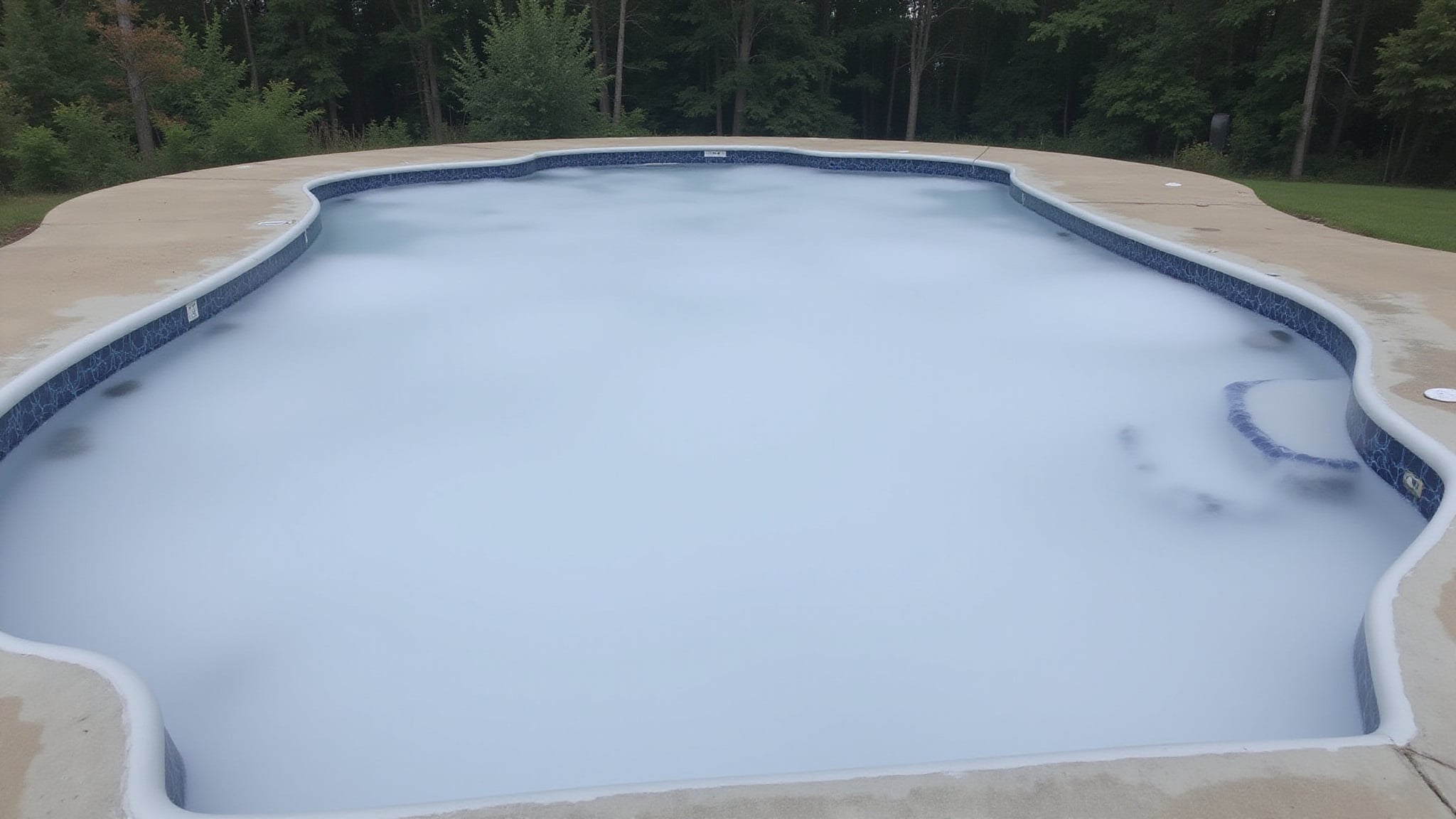
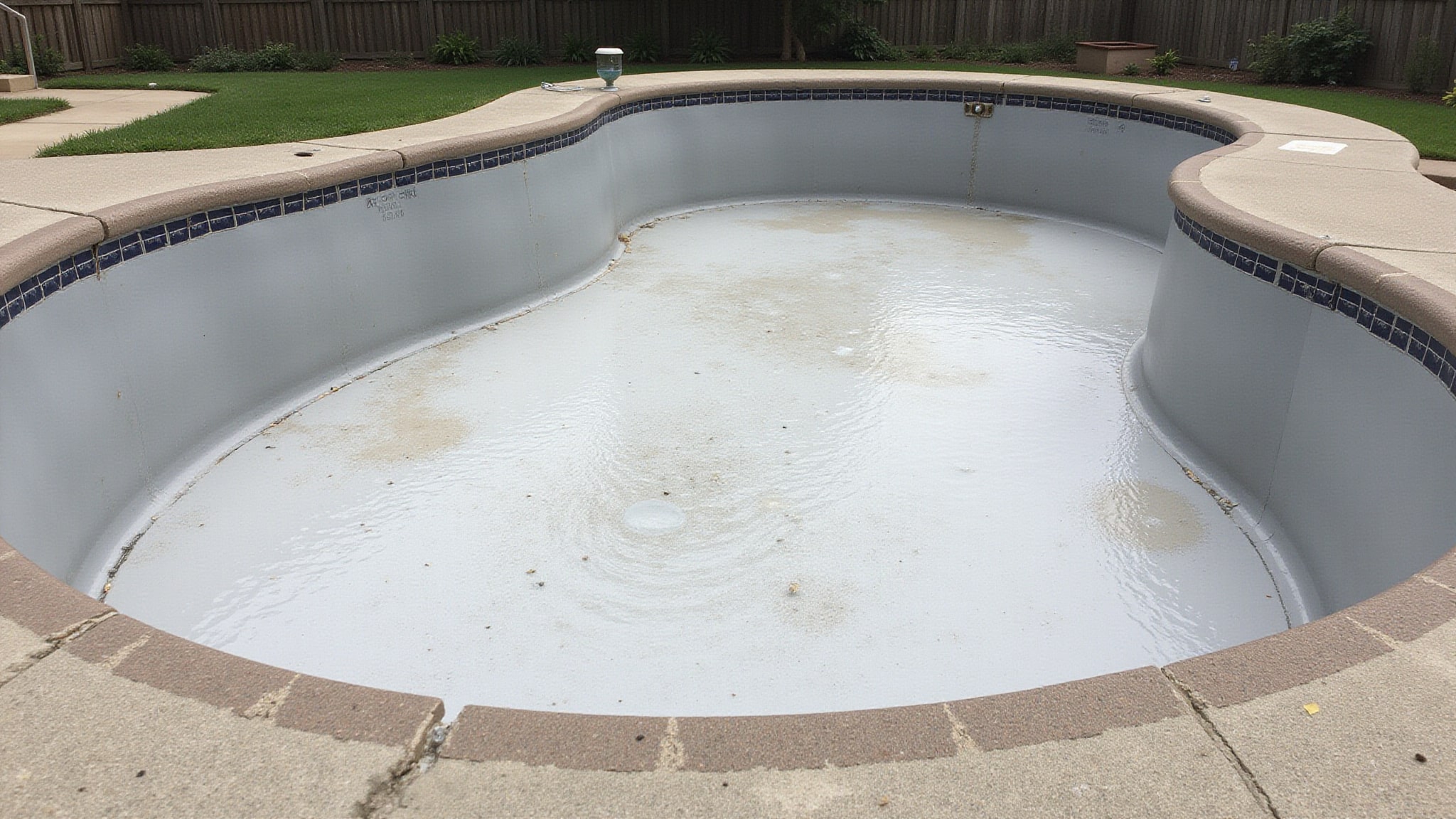
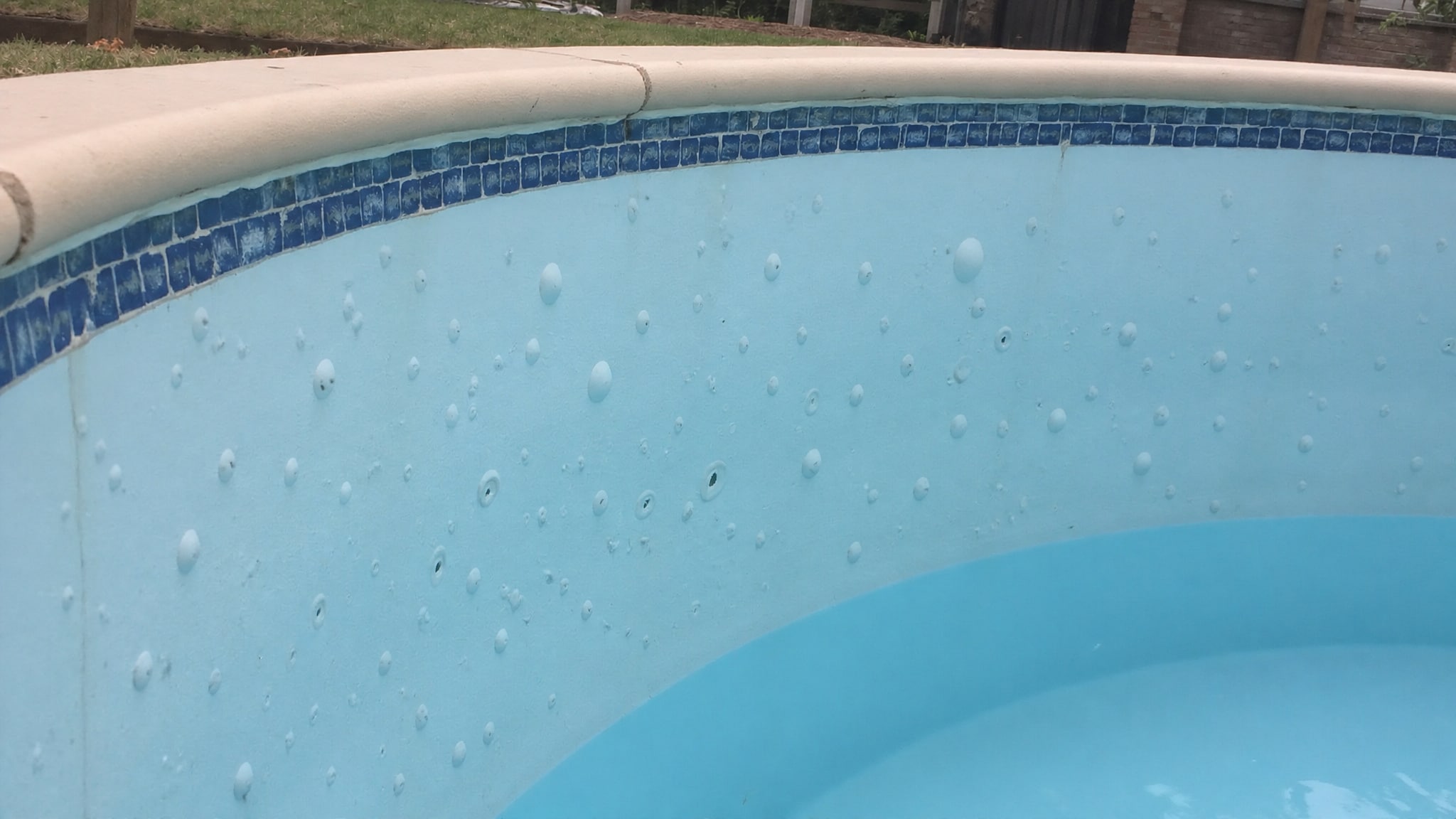
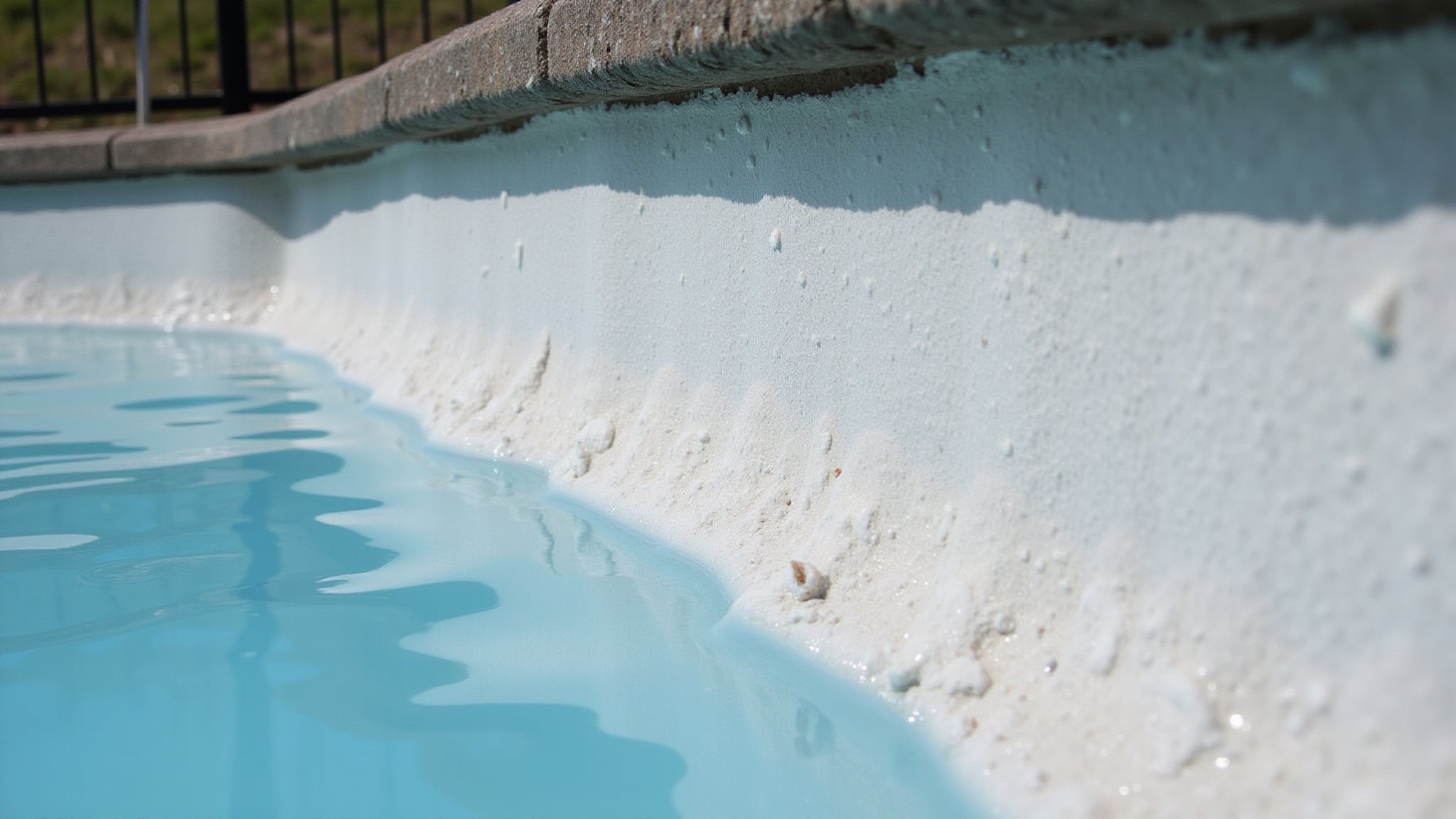
Resurfacing a fiberglass pool typically costs you between $3,000 and $15,000, depending on pool size, surface condition, and your chosen finish. A small 10×20-ft. pool runs $2,500, $7,000, while larger pools (16×40+ ft.) can reach $20,000. Gelcoat averages around $6.50 per square foot, and labor adds roughly $7.50 per square foot. You’ll also need to budget for drain-and-refill services, crack repairs, and post-resurface chemical balancing, costs most estimates leave out but are broken down below.
What Does It Cost to Resurface a Fiberglass Pool?
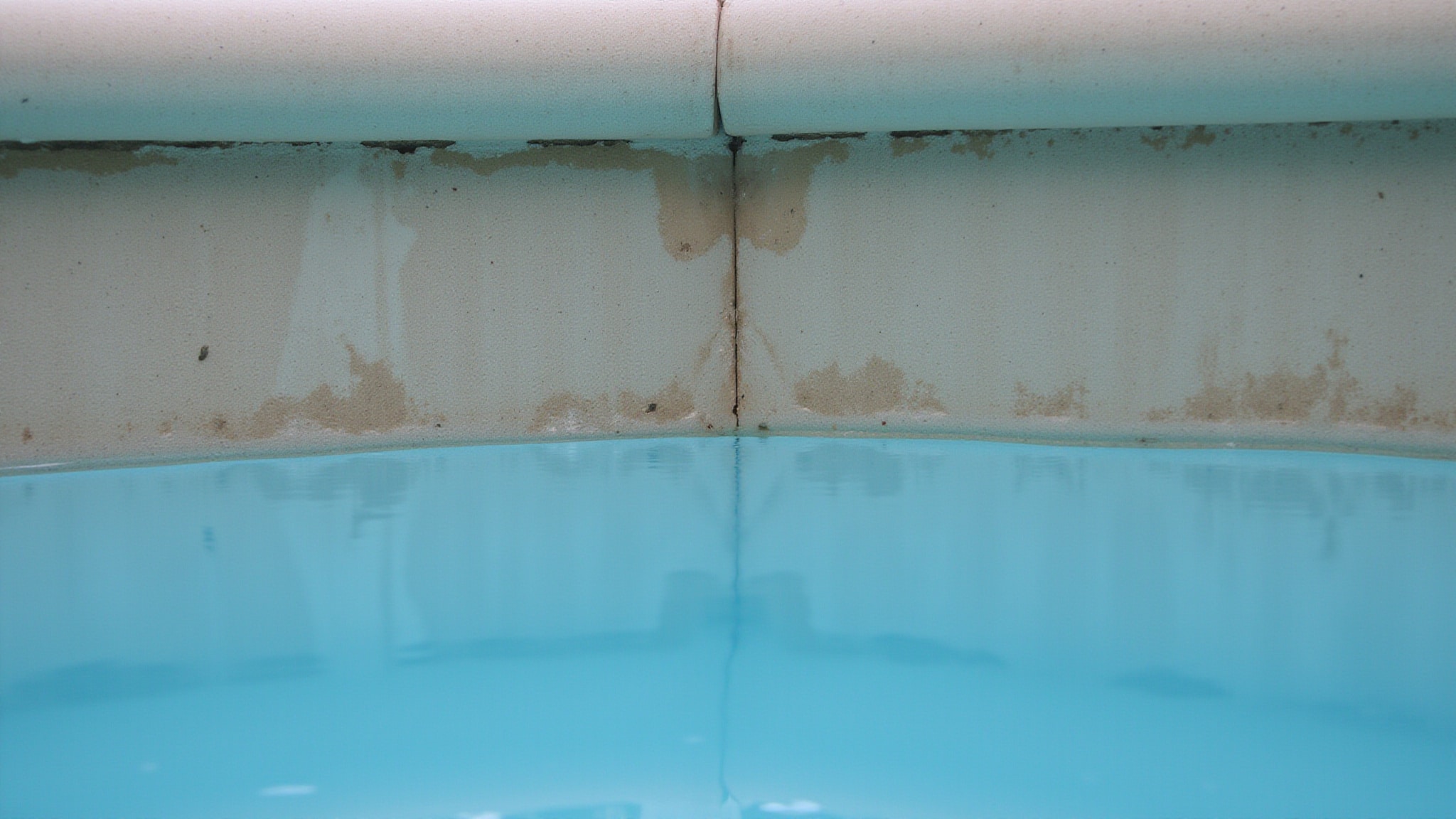
When your fiberglass pool’s gelcoat starts showing signs of oxidation, roughness, or discoloration, resurfacing costs typically fall between $3,000 and $6,000 for standard projects, though the final price depends heavily on your pool’s size, the extent of surface damage, and the finish type you select.
Your overall fiberglass pool resurfacing cost breaks down by material and labor. Epoxy paint runs $1 to $2 per square foot, while aggregate finishes cost $5 to $7 per square foot. Labor averages $7.50 per square foot for fiberglass surfaces. A basic fiberglass pool gelcoat resurfacing cost with a painted topcoat ranges from $1,000 to $1,200, making it the most budget-friendly option. Premium thermoplastic coatings, however, jump to $16,000, $26,000 depending on pool dimensions. With an average lifespan of 25 years, fiberglass resurfacing requires far fewer reapplications than marcite, plaster, or vinyl alternatives, which significantly reduces your total cost of ownership over time.
Fiberglass Pool Resurfacing Cost by Size
Your pool’s square footage is the single biggest variable driving your total resurfacing bill. When developing a fiberglass pool resurfacing project estimate, you’ll find costs scale predictably with surface area. Basic fiberglass pool restoration pricing starts around $6.50 per square foot for standard gelcoat applications. Factors affecting pool repair expenses can include the condition of the existing materials and the overall age of the pool.
| Pool Size | Square Footage | Estimated Cost |
|---|---|---|
| Small (10×20 ft.) | 200 sq. ft. | $2,500, $7,000 |
| Medium (12×20 ft.) | 240 sq. ft. | $5,000, $12,000 |
| Large (16×40+ ft.) | 640+ sq. ft. | $7,000, $20,000 |
These ranges reflect differences in coating type and surface condition. A small residential pool needing basic gelcoat work stays near the lower end, while larger pools requiring full fiberglass layer replacement can reach $20,000. A quality resurfacing job can extend pool lifespan by 15-30 years, making even higher-end investments worthwhile for larger pools.
Gel Coat vs. Epoxy vs. Full Replacement: Which Is Worth It?
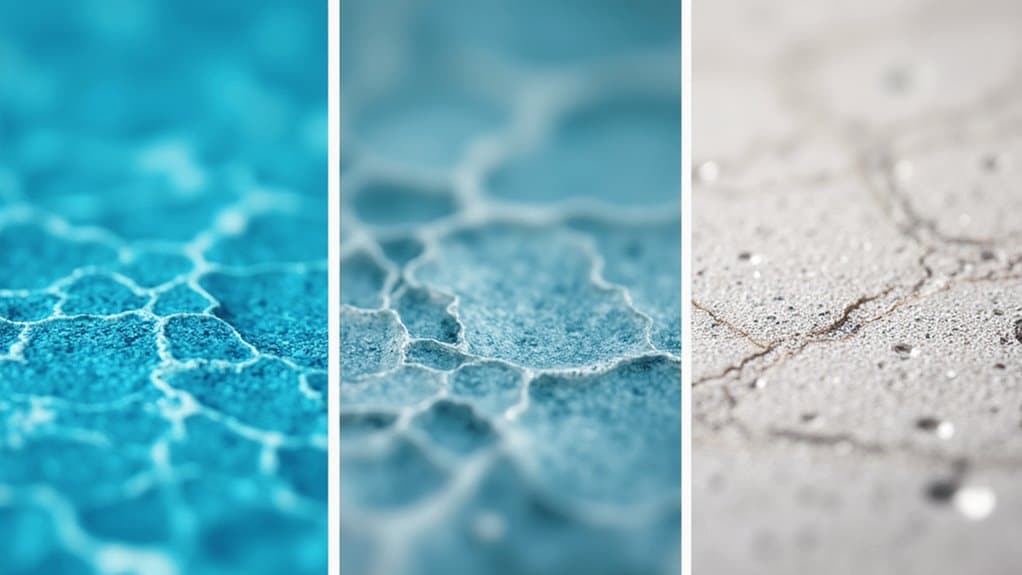
Gelcoat resurfacing offers the lowest cost-per-year value. You’ll spend roughly $267, $533 annually over a 15-year lifespan. Epoxy runs $1,400, $2,400 per year, significantly more despite similar upfront pricing. Full replacement costs 2.4, 4 times more than gelcoat but eliminates recurring resurfacing cycles. For budget-conscious homeowners wanting durability, gelcoat delivers the strongest return. Full replacement suits pools with extensive structural deterioration.
Extra Costs Most Resurfacing Estimates Leave Out
Budget for these commonly omitted expenses:
- Drain, clean, and refill services, $175 to $225 for draining, plus $250 for cleaning and roughly $55 per 5,000 gallons to refill
- Structural crack and leak repairs, $1,000 to $5,000 depending on damage severity
- Post-resurfacing chemical balancing, $300 to $700 for fresh water treatment protocols
- Access surcharges, additional labor fees for difficult property layouts
What Makes Your Resurfacing Cost Higher or Lower?
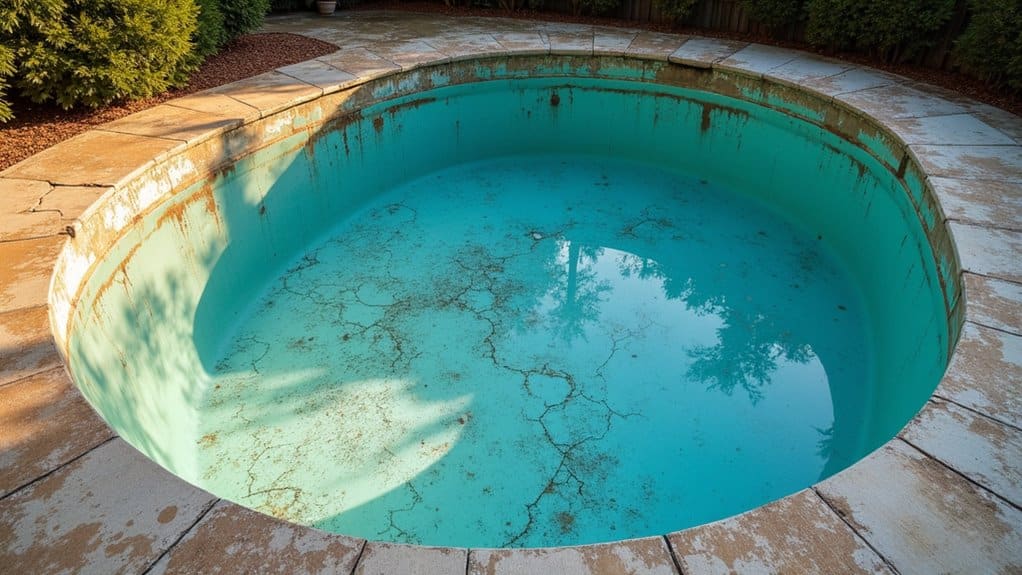
Several variables directly influence whether your fiberglass resurfacing project lands at $4,000 or climbs past $12,000. Key fiberglass pool renovation cost factors include pool size, surface condition, material selection, and regional labor rates. A 1,000 sq. ft. pool at $7.50/sq. ft. runs $7,500 in labor alone, while structural crack repairs add further expense before coating begins.
Your fiberglass pool resurfacing materials cost varies considerably by finish type. Gel coat restoration ranges $6,000, $15,000, whereas a painted gel coat topcoat covering minor damage costs just $1,000, $1,200. Thermoplastic coatings like EcoFinish demand $16,000, $26,000 but deliver extended durability. Water disposal for a 16×32 ft. pool adds approximately $186. Custom shapes or extensive UV damage requiring aggressive sanding push prep costs higher, directly increasing your total.
DIY Fiberglass Resurfacing vs. Hiring a Pro
Once you’ve identified the factors driving your resurfacing estimate, the next decision is whether to handle the work yourself or hire a professional crew. DIY materials run $1,500 to $4,000, while residential fiberglass pool repair pricing from professionals averages $5,000 to $15,000. If you decide to take the DIY route, understanding the steps to fix pool cracks will be essential for a successful repair. Gathering the right tools and materials will make the process more manageable and effective.
Consider these critical differences:
- DIY epoxy paint costs $2,500 to $3,000 but lasts only five years and requires a two-week cure time.
- Professional fiberglass pool gelcoat application price ranges from $5,000 to $8,000, delivering 15 to 30 years of durability.
- Improper DIY surface prep causes delamination, bubbling, and leaks that demand costly rework.
- Pro crews include structural repairs ($1,000 to $5,000 extra) and water chemistry balancing ($300 to $700).
What Happens During a Fiberglass Pool Resurface?
A professional fiberglass pool resurface follows three critical stages: draining and surface prep, applying the new coating, and curing and refilling. Each step directly impacts the durability of your finished surface, so understanding the process helps you evaluate contractor bids and avoid costly shortcuts. Here’s what you should expect at each phase of the project. Best practices for pool renovation emphasize the importance of using high-quality materials to ensure longevity.
Draining And Surface Prep
Resurfacing a fiberglass pool starts with two critical phases, draining and surface prep, that directly determine how well the new coating adheres and how long it lasts.
Your fiberglass pool shell refinishing services provider will follow a precise sequence:
- Drain the pool gradually to prevent floor lift, verifying dry weather, and removing groundwater before proceeding.
- Install 3 braces 18, 24 inches down the side walls to prevent inward wall collapse during the empty period.
- Sand the entire surface to strip degraded gelcoat and guarantee proper adhesion for new coatings.
- Inspect for cracks, leaks, and structural damage, with repairs adding $1,000, $5,000 if needed.
Labor for prep and repairs runs $2,000, $5,000. When requesting a pool resurfacing contractor estimate, confirm that this 3, 5 day prep process is itemized.
Applying New Coating
After your pool’s surface has been sanded, inspected, and fully prepped, your contractor moves into the coating phase, the step that defines both the pool’s appearance and its long-term durability. Your swimming pool resurfacing service cost depends heavily on which coating you select.
| Coating Type | Cost Range |
|---|---|
| Epoxy/Polymer | $7,000, $12,000 |
| Thermoplastic | $16,000, $26,000 |
| Full Fiberglass Layer | $12,000, $20,000 |
Epoxy coatings run $1, $2 per square foot and suit budget-conscious projects. Thermoplastic coatings allow immediate pool filling after application. Full fiberglass layer replacement addresses structural damage and extends pool life 15, 30 years.
Each option directly impacts your fiberglass pool refinishing price. Professionals apply multiple thin layers using precision techniques to prevent bubbles, delamination, and premature coating failure.
Curing And Refilling
Once your contractor finishes applying the final coating layer, the project shifts to curing and refilling, two steps that directly affect how long your resurfaced fiberglass pool will last.
- Gelcoat layers require 24, 48 hours to reach full hardness at 70°F, 85°F, with temperatures below 60°F extending cure times to 72 hours.
- Technicians test cure completion by sanding a small area, properly cured coating produces fine powder without sticking.
- Refilling begins 24 hours after the finish cures, and you must fill continuously without stopping part-way to prevent structural damage.
- Post-refill, maintain pH at 7.2, 7.6 and alkalinity at 80, 120 ppm during the critical first 28 days.
Understanding these timelines helps with pool surface restoration budget planning, since extended fiberglass pool surface repair expenses often stem from rushed curing.
Ready to Transform Your Backyard?
Your dream pool is closer than you think. At Schiller Pools, our experienced team brings over 40 years of expertise to every project, delivering stunning fiberglass pool installations and custom pool construction that turn ordinary backyards into extraordinary outdoor retreats. With flexible financing options and lifetime warranty backing, there has never been a better time to get started. Call (561) 475-5997 today for your free estimate.
Frequently Asked Questions
How Long Does a Fiberglass Pool Resurfacing Typically Last Before Needing Redoing?
Your fiberglass pool resurfacing typically lasts 7 to 15 years depending on the coating you choose. If you go with an epoxy-based coating, you’ll get around 7 to 10 years of durability. A gelcoat refinish extends that to 15 years or longer with proper maintenance. Patented fiberglass resurfacing systems can push longevity to 25 years. You’ll maximize lifespan by maintaining correct chlorine levels, pH balance, and calcium hardness consistently.
Can You Resurface a Fiberglass Pool in Cold Weather or Winter?
You shouldn’t resurface a fiberglass pool in cold weather or winter. Temperatures below 50°F cause gel coat and epoxy coatings to cure improperly, leading to cracking, delamination, and bubbles. You’ll need ideal conditions between 60°F and 85°F with dry weather for proper chemical bonding. Professional warranties often void for jobs performed below 55°F, and winter applications reduce long-term durability by 20-30%. It’s best to delay until spring.
What Water Chemistry Levels Should You Maintain After Resurfacing Your Pool?
You should maintain free chlorine between 1.0, 3.0 ppm, pH between 7.2, 7.6, total alkalinity at 80, 120 ppm, and calcium hardness between 200, 400 ppm. You’ll want to test pH daily for the first two weeks and chlorine twice weekly. Don’t let chlorine exceed 3.0 ppm, as higher levels can fade your new gelcoat. Keeping these levels balanced protects your resurfaced coating and extends its lifespan considerably.
How Soon Can You Swim After a Fiberglass Pool Is Resurfaced?
You can swim after resurfacing once the coating fully cures, but timing depends on the material you’ve chosen. Epoxy coatings typically require two weeks of curing before you fill and use the pool. Gelcoat finishes need approximately 72 hours for full curing. If you’ve opted for thermoplastic coating, costing $16,000 to $26,000, you can fill the pool and swim immediately after application, considerably reducing your project’s overall downtime.
Is Resurfacing a Fiberglass Pool Cheaper Than Replacing the Entire Shell?
Yes, resurfacing your fiberglass pool is considerably cheaper than replacing the entire shell. You’ll typically spend $6,500, $15,000 on resurfacing, while a full shell replacement can run $50,000, $65,000 including removal and installation. Over 25 years, fiberglass resurfacing totals roughly $17,686 in combined materials, chemicals, and labor, far less than a complete rebuild. You’re fundamentally restoring structural protection and appearance at a fraction of replacement cost.